Evolution of the Industrial Paradigm and the Strategic Imperative of Autonomy
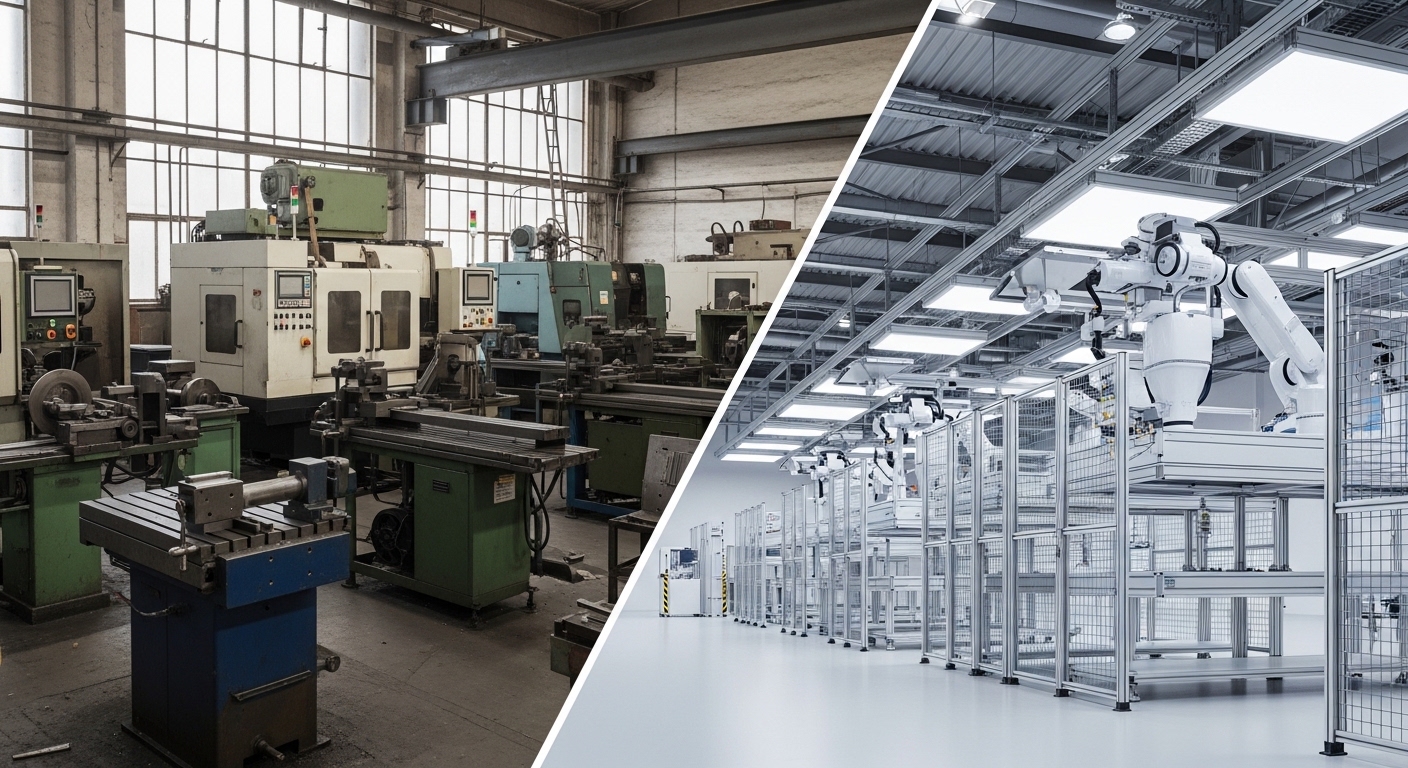
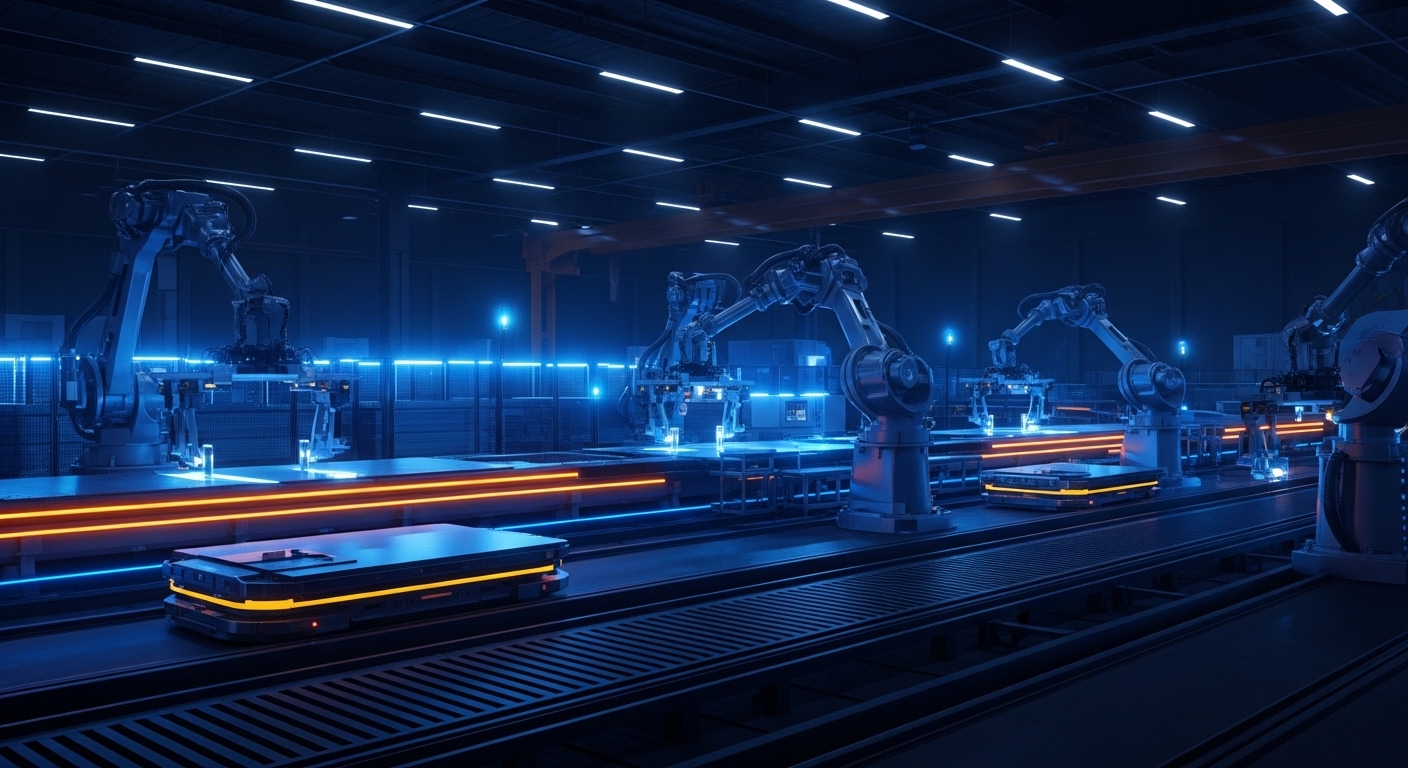
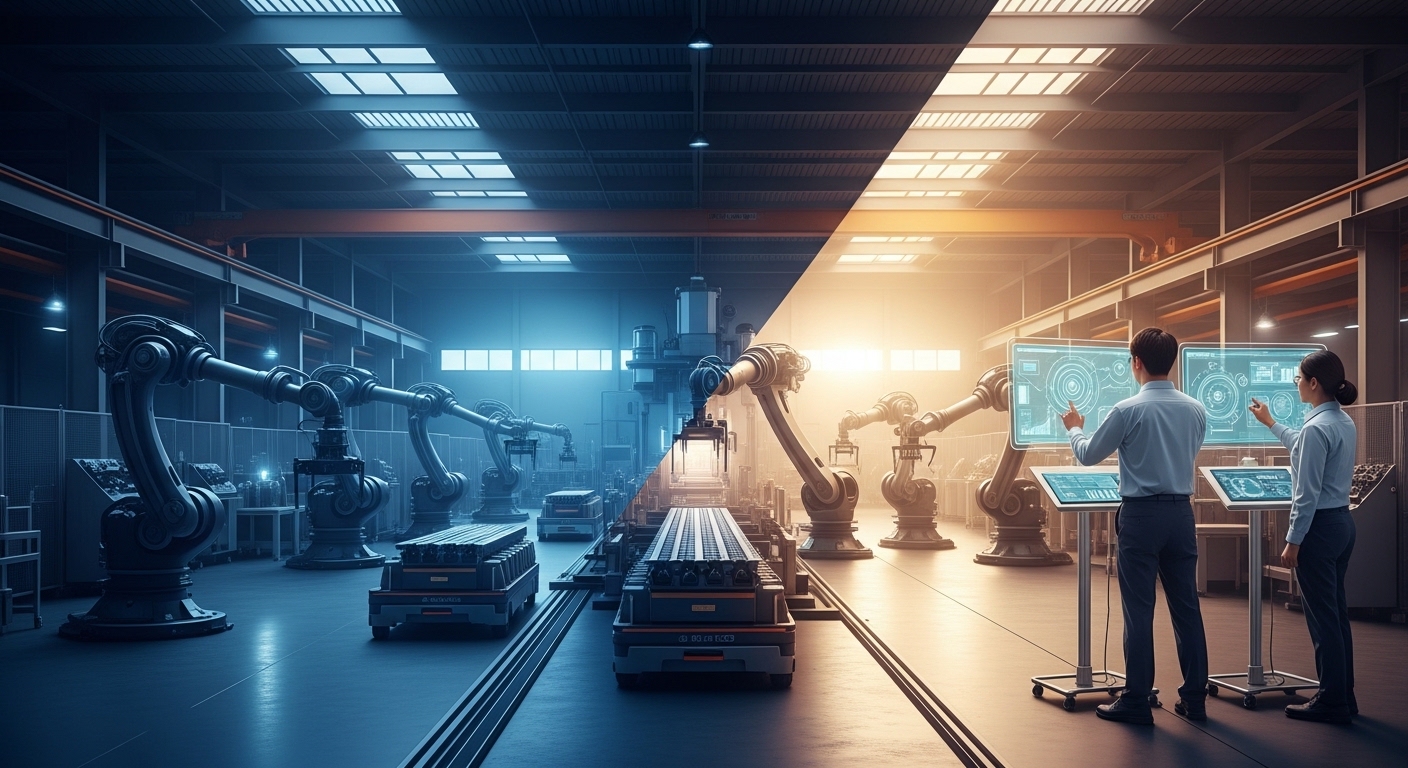
The modern metalworking industry and the production of architectural structures are undergoing an unprecedented transformation. Global challenges, such as the escalating complexity of production processes, the constantly rising costs of high-tech equipment, strict requirements for operational stability, and an increasingly acute shortage of skilled labor, are shaping a new reality. In this highly competitive, data-driven environment, relying on traditional, siloed automation systems and reactive management is no longer an economically viable strategic choice. They are being replaced by the concept of “manless manufacturing” (lights-out manufacturing) or “dark factories” — intelligent production ecosystems capable of functioning with minimal or no human intervention, 24/7.
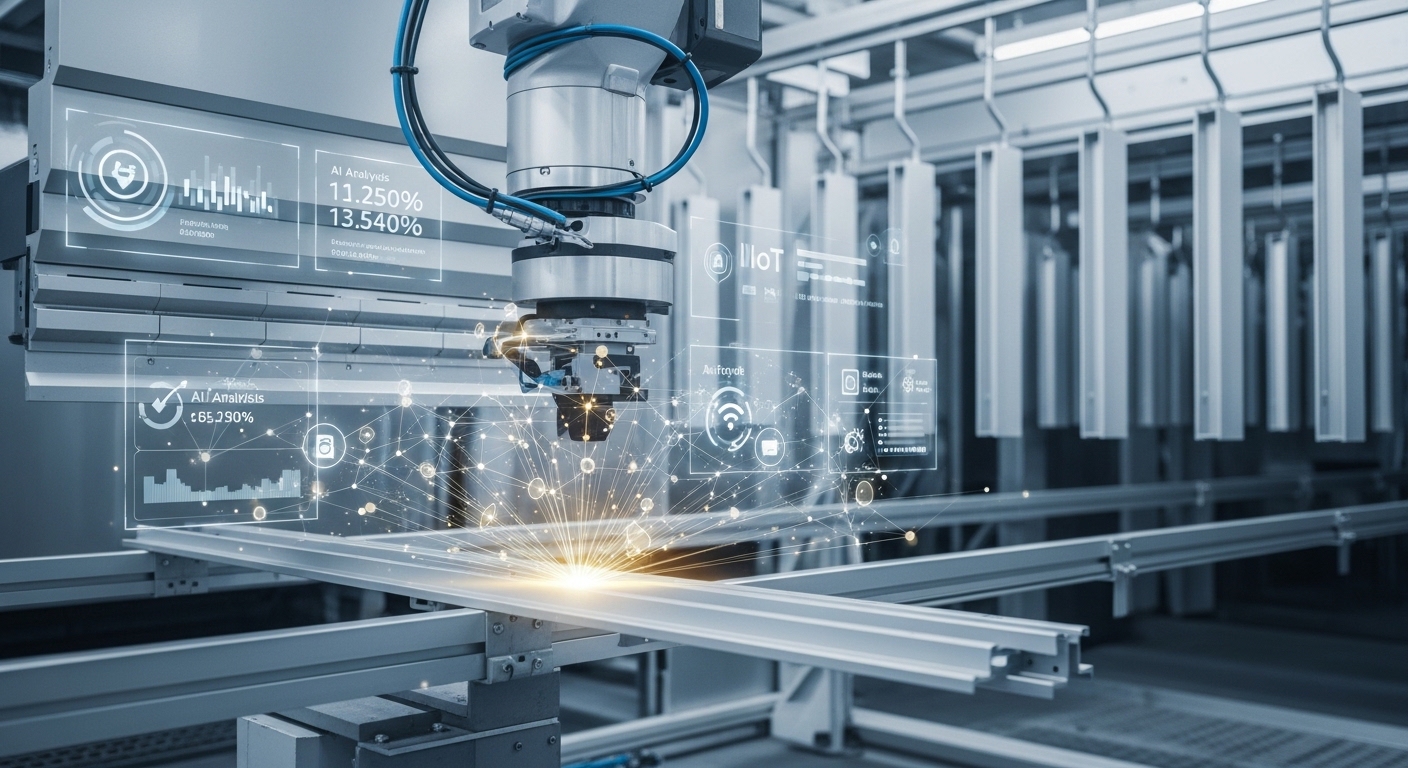
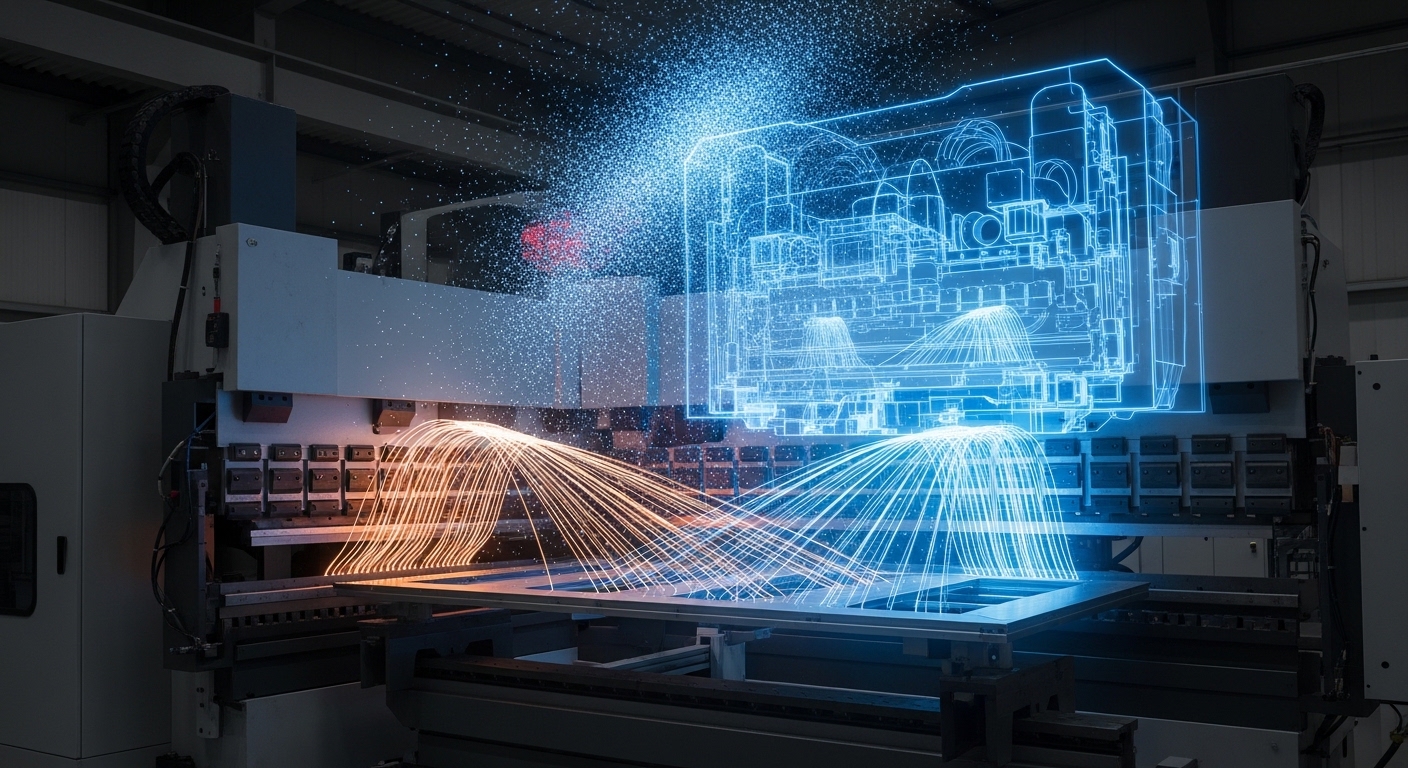
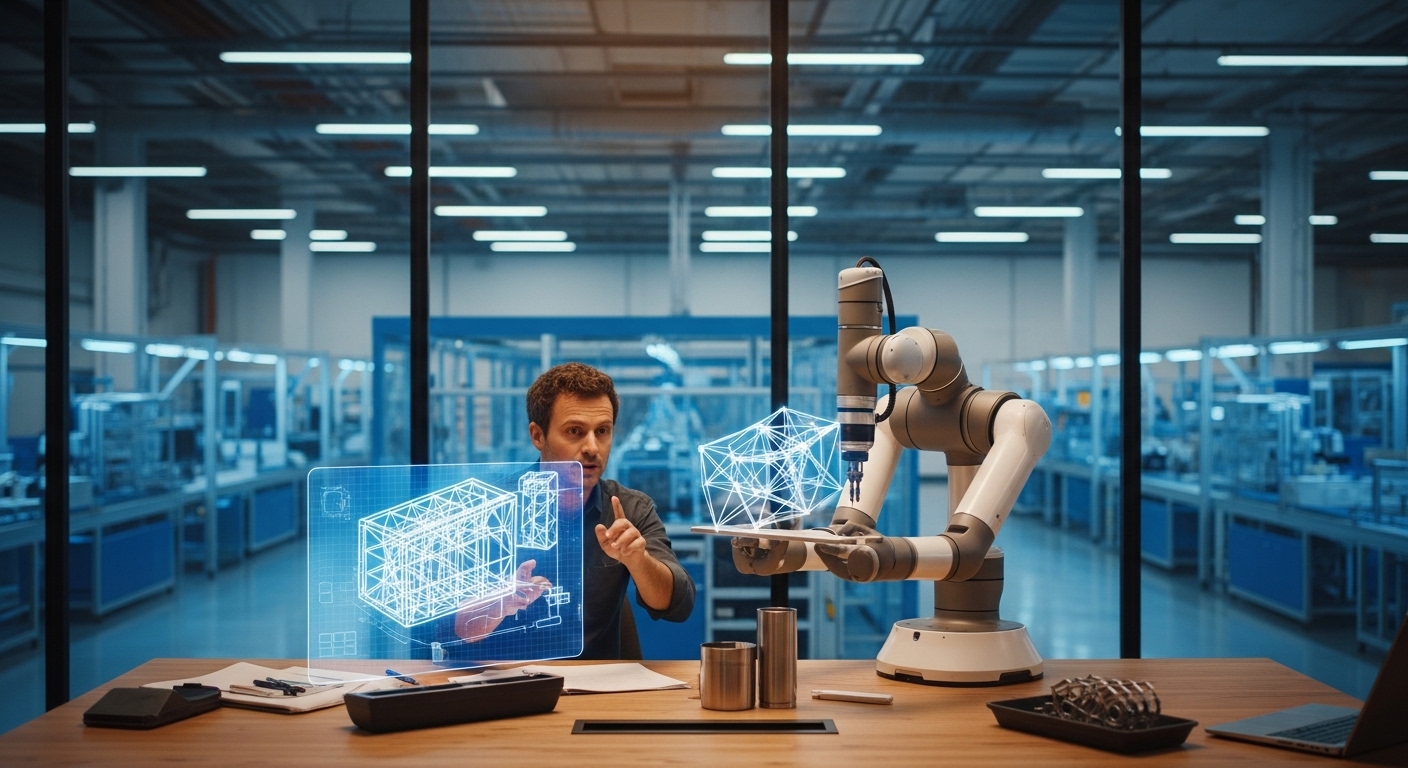
For leading enterprises such as the “Mehbud” plant, which specializes in the production of modern ventilated facades, innovative suspended metal ceilings (including cube-shaped and linear ceilings), and exclusive fencing systems, implementing elements of production autonomy opens up new horizons of efficiency. Since the products are made of galvanized steel and aluminum with a high-quality polymer powder coating, the processes of cutting, bending, and painting require flawless precision and repeatability. This is exactly where the integration of Artificial Intelligence (AI), the Industrial Internet of Things (IIoT), advanced robotics, and digital twins transforms a traditional workshop into a smart factory.
However, the goal of deploying manless manufacturing is not simply to eliminate human labor to save on payroll. The fundamental objective is to maximize the Overall Equipment Effectiveness (OEE) metric by eliminating hidden losses, optimizing value streams, and transitioning to proactive strategies. This comprehensive study offers an in-depth analysis of how total production autonomy helps neutralize classic manufacturing losses and achieve world-class efficiency levels.