Metal Solutions for Cleanrooms: Requirements for Ceilings and Walls in Pharmaceuticals, Laboratories, and Operating Rooms
Generic selectors
Exact matches only
Search in title
Search in content
Post Type Selectors

Metal Solutions for Cleanrooms: Requirements for Ceilings and Walls in Pharmaceuticals, Laboratories, and Operating Rooms

March 26, 2026
3  

Strategic Significance of Controlled Environment Architecture in Modern Ukraine

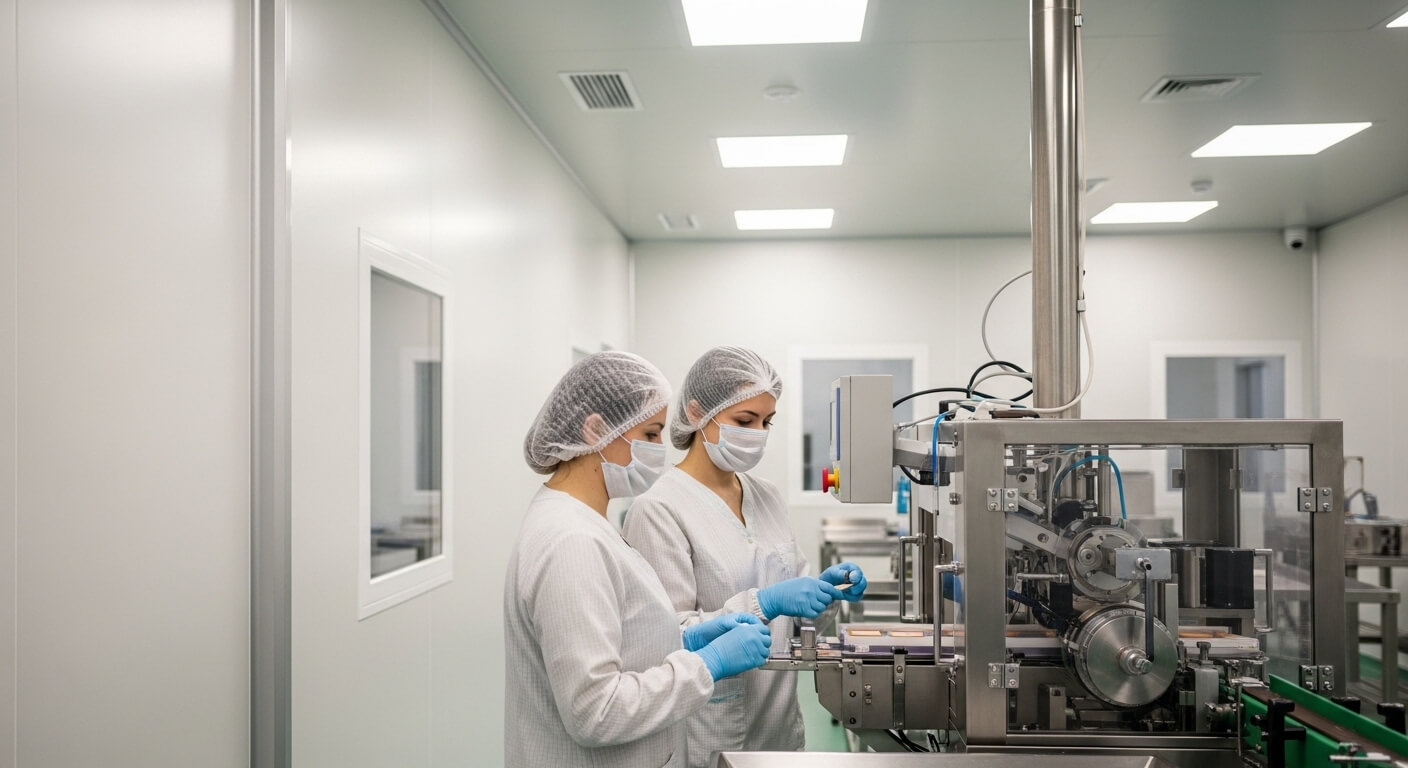
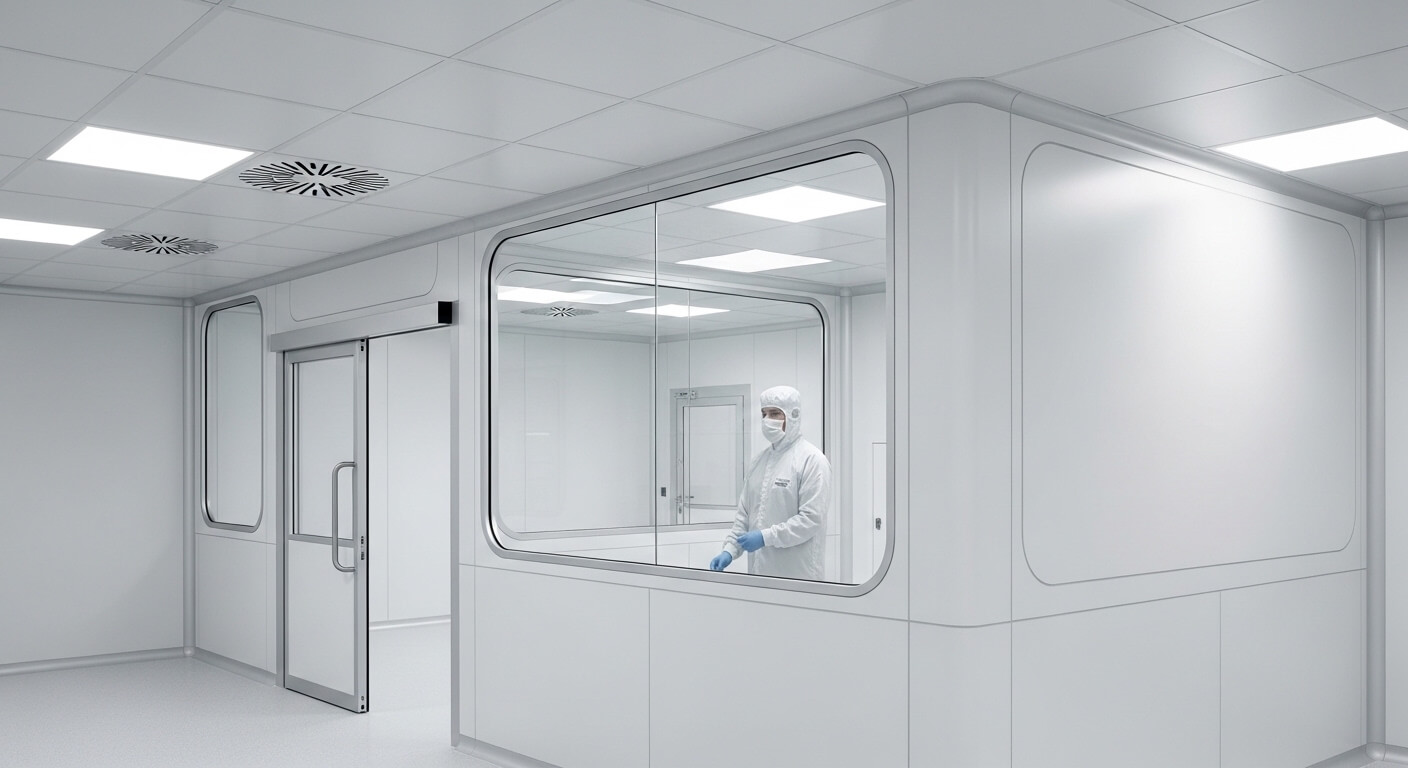
The formation of a high-tech infrastructure capable of providing absolute control over the microbiological and aerosol environment is one of the most complex engineering challenges in modern industry. In pharmaceutical manufacturing, microbiological laboratories, microelectronics development centers, and hospital surgical departments, the architectural envelope—walls, ceilings, and floors—plays a critical role in ensuring process safety, just as much as highly complex heating, ventilation, and air conditioning (HVAC) systems and cascade filtration (HEPA/ULPA). Cleanrooms are not simply rooms with a high level of hygiene; they are complex engineering machines where every square centimeter of surface is subject to the strict laws of fluid dynamics, chemical inertness, and biological safety.

The current stage of medical and pharmaceutical infrastructure development in Ukraine is characterized by a period of profound transformation. Domestic healthcare facilities and pharmaceutical enterprises face an urgent need for the total adaptation of regulatory and technological documentation to the most stringent requirements of European and international standards, particularly ISO, GMP, and GLP. Amidst a full-scale war and the country’s subsequent reconstruction, the creation of high-tech facilities requires the use of exclusively innovative, durable, and uncompromising materials for interior finishing.

An analysis of macroeconomic and infrastructural trends for 2024–2026 demonstrates significant injections of international investments into Ukraine’s healthcare sector. Thanks to the initiatives of the World Bank, WHO, and support from the EU, large-scale projects to strengthen the public health system are being implemented across the country. The rapid construction of such facilities in record time is impossible without the use of prefabricated modular enclosure structures, which include metal sandwich panels and specialized suspended ceiling systems.

Ukraine’s pharmaceutical sector also demonstrates phenomenal resilience, directing its capital towards full integration into the European market. Leading market players are investing significant resources into developing new drugs and building new production lines. This demands flawless compliance with the latest regulatory norms, which precludes the use of compromised building materials from the past generation.

The primary engineering challenge in designing “clean” zones is selecting architectural solutions capable of ensuring absolute hermetic sealing, withstanding constant exposure to aggressive disinfectants, generating zero proprietary dust, and preventing the accumulation of static charge. Accordingly, the industry is unequivocally shifting toward specialized metal solutions—enclosure structures made of galvanized steel or extruded aluminum, protected by innovative polymer coatings.
med1

Regulatory Landscape: From National Construction Norms (DBN) to the New European GMP Paradigm

The design, construction, certification, and subsequent operation of cleanrooms in Ukraine are strictly regulated by a multi-level complex of standards that dictate direct restrictions on the choice of architectural finishing materials.

Base Classification Standard: DSTU EN ISO 14644

The fundamental technical document is the national standard DSTU ISO 14644-1:2009. According to this standard, any cleanroom is classified on a logarithmic scale, divided into 9 cleanliness classes (from the highest ISO 1 to the baseline ISO 9). The classification is based on the maximum allowable concentration of particles of a specific size per cubic meter of airspace.

For medical infrastructure facilities and the vast majority of pharmaceutical lines, classes from ISO 5 to ISO 8 are most commonly applied. This places unprecedented demands on the physical envelope: wall and ceiling materials must have zero proprietary emission.

National Requirements for Healthcare Facilities: DBN V.2.2-10:2022

For the medical industry, the key regulatory document in Ukraine is the updated State Construction Norms DBN V.2.2-10:2022 “Health Care Facilities”. These norms establish a set of strict imperatives:

  1. Ban on porous systems and joints: The norms strictly prohibit finishing walls with traditional ceramic tiles in critical zones (e.g., operating rooms) because the joints between tiles inevitably degrade, becoming a reservoir for infections.
  2. Direct link to ISO standards: Enclosure wall structures must fully satisfy the requirements of DSTU ISO 14644-1 regarding the smoothness, lack of cracks, and chemical resistance of cleanroom surfaces.
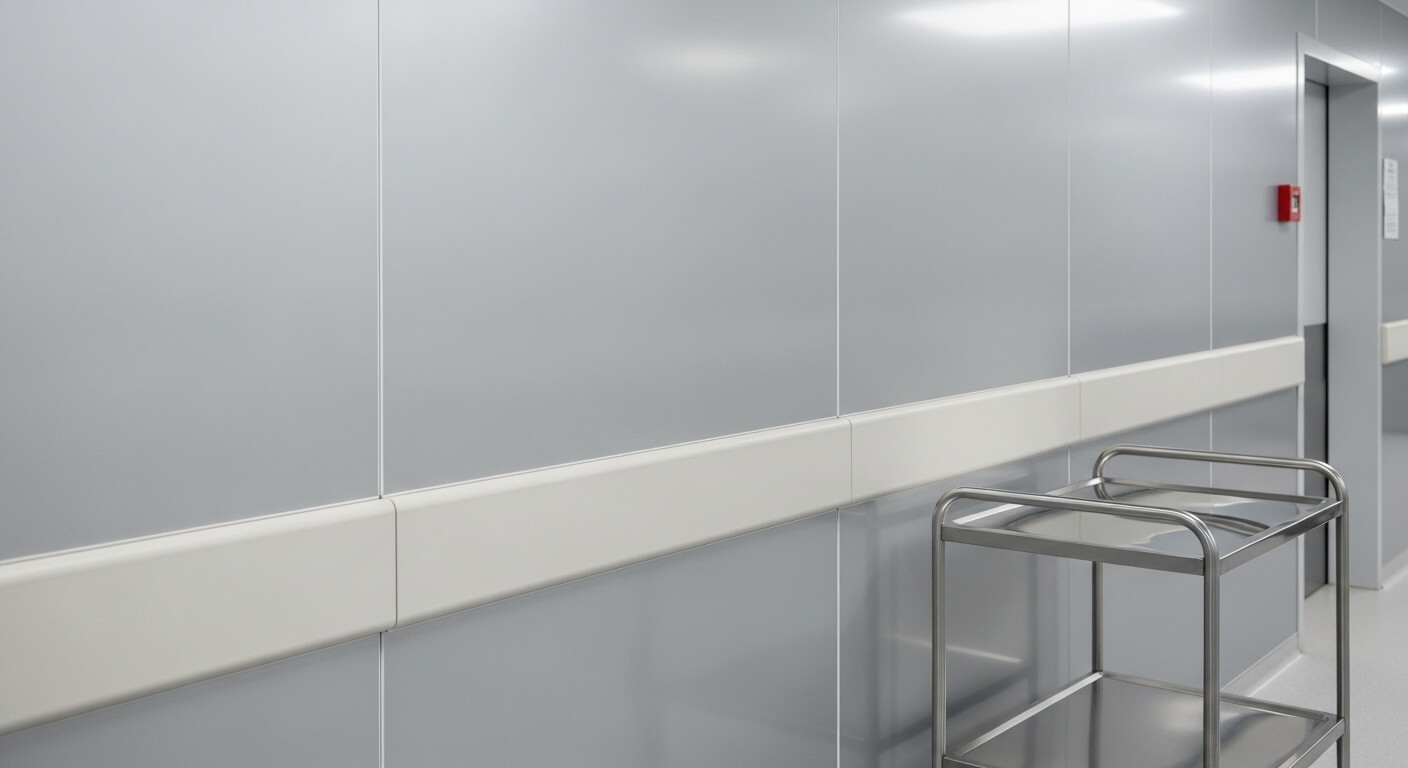
  3. Ergonomics and engineering communications: The mandatory placement of handrails in hospital corridors requires the use of strong wall solutions (metal sandwich panels), as standard drywall cannot reliably support such cantilever loads.
  4. Requirements for sterilization departments: Wall and ceiling materials must be highly resistant to wet abrasion and easily withstand constant exposure to hot steam and aggressive chemicals.

A New Era of Pharmaceutical Control: EU GMP Annex 1 (2022 Revision)

A true revolution occurred in August 2022 with the publication of the updated and significantly expanded version of “Annex 1: Manufacture of Sterile Medicinal Products” to the GMP Guidelines. This document completely changed the production philosophy, shifting the focus to a proactive Contamination Control Strategy (CCS).

In the context of architectural solutions, this document sets forth the following requirements:

  1. Strict decontamination protocols: The standard unequivocally requires the use of validated automated decontamination methods, in particular the application of aggressive sporicidal agents (vaporized hydrogen peroxide fumigation — VHP). Therefore, the use of metal panels with specialized coatings is the only viable technical solution capable of passing validation.
  2. Separation of qualification and monitoring processes: The qualification of the architectural envelope now mandatorily includes the containment leak test. To successfully pass this test, walls and ceilings must be perfectly assembled, hermetic monoliths free of micro-gaps.
  3. Revolution in particle limits: For the classification of critical zones (Grade A and Grade B), the standard eliminated the need to count macroparticles ≥ 5.0 micrometers, focusing exclusively on microparticles ≥ 0.5 µm.

Below is a comparative structure of aerosol particle limits according to the EU GMP Annex 1 2022 philosophy and ISO 14644-1 equivalents.

Cleanliness Class (GMP) Equivalent under ISO 14644-1 Maximum limit for total particles ≥ 0.5 µm/m³ (At Rest) Maximum limit for total particles ≥ 0.5 µm/m³ (In Operation) Purpose of the zone in pharmaceuticals and medicine (Application context)
Grade A ISO 5 (both at rest and in operation) 3,520 3,520 Critical zone of highest risk. Open aseptic connections.
Grade B ISO 5 (at rest) / ISO 7 (in operation) 3,520 352,000 Background sterile environment immediately surrounding Grade A zones.
Grade C ISO 7 (at rest) / ISO 8 (in operation) 352,000 3,520,000 Zones for less critical stages: preparation of solutions.
Grade D ISO 8 (at rest) 3,520,000 Not predetermined Equipment washing, personnel preparation, secondary packaging.

med2

Evolution of Materials Science: Why Traditional Materials Lose to Metal

The rapid tightening of international quality standards has highlighted the critical flaws of traditional building solutions (drywall, HPL panels) in the context of a cleanroom’s lifecycle.

The Problem with Drywall Systems

The perceived economic cheapness of drywall conceals massive operational risks. The main vulnerability of this system lies in its fragility and porosity. Even a microscopic impact can compromise the integrity of the polymer enamel, after which the gypsum becomes a hygroscopic sponge that absorbs moisture and turns into an ideal incubator for the formation of resistant pathogen biofilms. Furthermore, the structure is prone to micro-deformations under overpressure, leading to a loss of room hermeticity.

Hidden Risks of HPL (High-Pressure Laminate) Systems

HPL panels feature a strong decorative facade, but significant vulnerabilities hide behind it:

  1. Fire hazard of the core: Because the core of HPL consists of organic paper and polymer resins, the material is combustible and can emit toxic gases.
  2. Edge delamination: Panel edges can degrade under the influence of moisture and aggressive chemicals, leading to delamination.
  3. Sealant degradation: Phenolic resins are prone to thermal expansion, requiring technological gaps (joints) that are filled with silicone. Under the influence of sporicidal agents, silicone quickly ages and cracks.

The Absolute Technological Superiority of Metal Solutions

Modern metal enclosure structures (modular wall sandwich panels and cassette suspended ceilings) are currently the unrivaled choice. Their key advantages are:

  1. Constructive monolithism: Mechanical locking joints with factory-installed silicone gaskets create a completely continuous envelope capable of withstanding pressure differentials.
  2. Chemical inertness: The metal base, coated with a high-temperature polymer finish, acts as an impenetrable barrier to aggressive chemistry.
  3. ESD protection: Metal panels are conductive and easily integrated into the grounding circuit, which is critically important for operating rooms and microelectronics.
  4. Zero particle emission: Metal is guaranteed not to generate any microscopic dust throughout its entire service life.
med3

Anatomy of Metal Wall Structures: Core Materials and Their Impact on Infrastructure

The internal core (filler) of a metal sandwich panel determines its mechanical and fire-resistant properties.

Type of Core Material Physicochemical Properties and Advantages Objective Disadvantages Target Application Area

Rock Wool

Extreme fire resistance (Class A – non-combustible). Excellently absorbs sound and vibrations. Emits no toxic gases. Significant specific weight, complicating installation and requiring reinforced load-bearing structures. Pharmaceutical plants, operating blocks, hospital corridors.

PIR / PUR (Polyurethane Foam)

Lowest thermal conductivity coefficient. Panels are extremely lightweight and hydrophobic. Fire hazard. Can emit toxic smoke when exposed to open flames. “Cold chains”, vaccine storage warehouses, cold rooms.

Aluminum Honeycomb

Unprecedented strength-to-weight ratio. Perfectly flat surface. Completely non-combustible material. Very high manufacturing cost. Low thermal and sound insulation properties.

Microelectronics, semiconductors. Large-scale flat ceiling structures.

Engineering of Ceiling Systems in “Cleanrooms”: Solutions from the “Mehbud” Factory

A suspended metal ceiling is a complex engineering platform for integrating ventilation modules (FFUs), light fixtures, and medical gas mains. The Ukrainian manufacturer “Mehbud” offers a wide range of ceilings, which undergo specialized engineering adaptation for clean zones.

Standard office ceilings (lay-in systems) are unacceptable because the positive air pressure will cause a flotation effect (lifting the cassettes), compromising the seal. To overcome this, special technologies are applied:

  1. Gasket Seal Grid: The load-bearing frame is equipped with a continuous closed-cell polyethylene foam gasket, which eliminates microscopic gaps.
  2. Resistance to pressure (Hold-Down Clips): Cassettes are secured with rigid spring hold-down clips that press the panel firmly into the gasket, preventing any vertical displacement.
  3. Clip-in hidden frames: For the highest classes (Grade A/B), systems with a concealed stringer are used. The metal cassette snaps in from the bottom up, forming a perfectly smooth surface that can be washed with a direct stream of water.

Integration of Specialized “Mehbud” Solutions

An analysis of the “Mehbud” factory’s catalog demonstrates clear compliance with medical infrastructure requirements:

  1. Cassette and panel ceilings: A universal solution for Grade C and D zones. Modularity allows for the easy removal of individual panels to access utilities in the plenum.
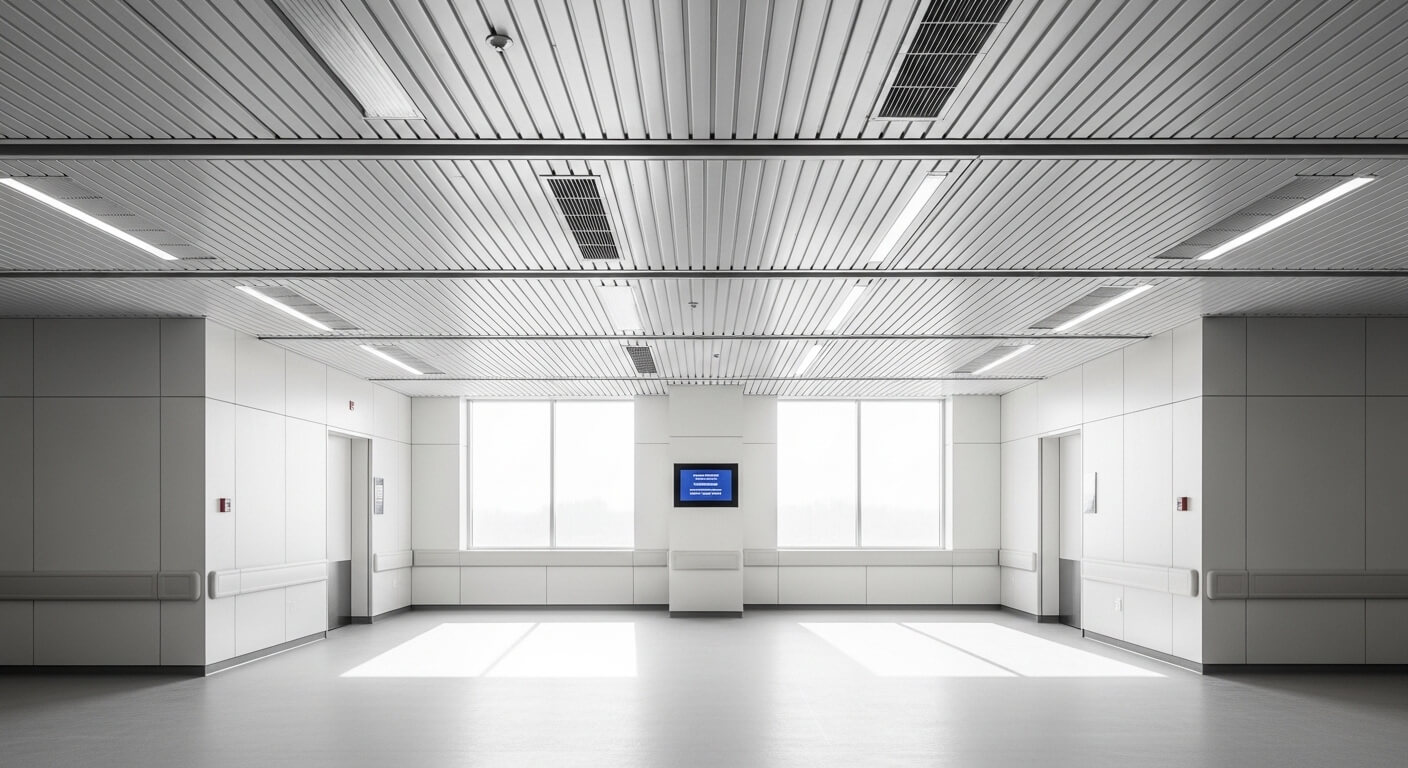
  2. Corridor ceilings: An innovative solution for clean transit zones (airlocks, hospital corridors). The panel rests only on wall angles, eliminating the need for central profiles, minimizing the number of joints, and providing unobstructed access to primary engineering pipes.

The Polymer Barrier: Chemical Protection and Antibacterial Properties

The longevity of the architectural envelope depends 90% on the quality of the polymer coating. Strict GMP Annex 1 requirements regarding treatment with aggressive agents (VHP) demand the use of reliable barriers :

  1. Epoxy powder coatings: Demonstrate the highest resistance among available polymers to deep penetration by concentrated alkalis, acids, and strong oxidizers. This is the “gold standard” for rooms regularly treated with hydrogen peroxide.
  2. Polyester coatings: Have excellent UV resistance, but their molecular structure is less resistant to strong oxidizers.
  3. Active antibacterial coatings: An innovative trend for surgical departments is the use of powder paints integrated with silver ions (Ag+). Silver ions permanently destroy the cell membranes of bacteria (including MRSA), stopping their reproduction between cleaning cycles.
  4. Fluoropolymer coatings (PVDF): An ultra-premium segment that demonstrates absolute resistance to extreme chemicals. Used in zones with maximum chemical loads (e.g., BSL-4 laboratories).
med 5

Life Cycle Assessment (LCA) and Investment Forecast

The true cost of infrastructure is revealed only through a Life Cycle Assessment (LCA), which takes operational expenditure (OpEx) into account.

Despite their perceived cheapness during the installation phase, drywall and HPL require continuous investments in maintenance (repairing dents, completely replacing silicone sealants). The greatest financial risk is production downtime due to room contamination.

In contrast, the return on investment for metal solutions is undeniable. Metal cassette, panel, or corridor ceilings have a higher upfront cost, but their service life spans decades (25–50 years). A fundamental advantage is modularity: any damage can be rectified by replacing a single panel in minutes, without a complete shutdown of the operating block or production line.

med 6

Conclusions

An analysis of the regulatory framework and materials science physics allows us to form a clear vision of the role of metal solutions:

  1. Imperative of regulatory requirements: The DBN V.2.2-10:2022 standards and the updated GMP Annex 1 (2022) de facto prohibit the use of traditional porous materials in critical control zones.
  2. Technological dominance of metal: Wall sandwich panels and hermetic metal ceiling systems are the unrivaled choice, capable of sustaining pneumatic pressure cascades.
  3. Chemical and antibacterial protection: The use of epoxy powder paints forms an impenetrable barrier against aggressive disinfectants, while paints with silver ions (Ag+) create proactive protection for the most critical medical departments.
  4. Ergonomics from Ukrainian manufacturers: The use of specialized form factors, specifically corridor metal ceilings from the “Mehbud” company, dramatically simplifies utility access and minimizes contamination risks.
  5. Strategic industry resilience: Investing in capital, durable metal finishing systems guarantees the successful passing of international inspections, ensuring a high level of biological safety and the economic profitability of the facilities.
author
About the author:

More
0 0 votes
Article Rating
Subscribe
Notify of
guest
0 Comments
Oldest
Newest Most Voted
Inline Feedbacks
View all comments