Part I: Strategic Procurement – Buying Smart in a Volatile Market
Procuring sheet metal requires balancing cost against formability, finish, and structural integrity. The decision matrix shifts significantly depending on whether you are purchasing pre-cut sheets or bulk coils.
1. The Coil vs. Sheet Dilemma
For large-scale projects, the format of purchase is the first critical decision.
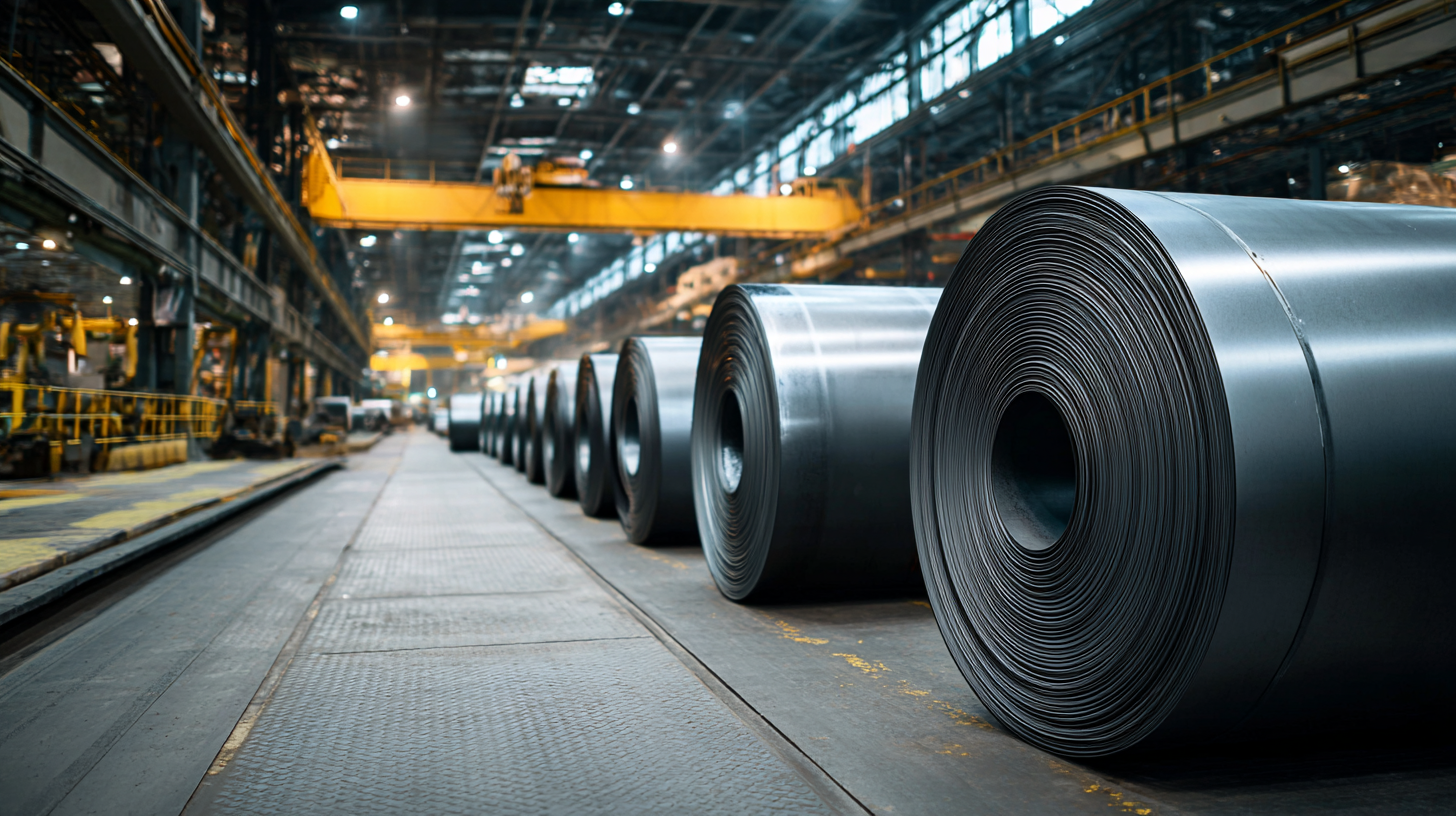
- Coil Efficiency: Purchasing metal in coil form is typically 5% to 15% cheaper than purchasing flat sheets. This option is ideal for high-volume manufacturing or roll-forming applications (e.g., standing seam roofing) where continuous feed reduces scrap and labor.
- Sheet Flexibility: Flat sheets are preferable for low-volume, custom fabrication or projects requiring bespoke dimensions where onsite decoiling equipment is unavailable. While the material cost is higher, it eliminates the capital expenditure of straightening and cutting machinery.
2. Quality Control and Defect Identification
When buying direct from mills or service centers, rigorous inspection is mandatory. Architects and site managers must be vigilant against common substrate defects that can ruin a facade’s aesthetic:
- Oil Canning: Visible waviness in the flat areas of metal panels. While often an inherent characteristic of light-gauge metal, it can be exacerbated by improper tension leveling or installation stresses.
- Edge Wave: A ripple effect along the edges of a coil caused when the edges are longer than the center strip. This defect can make panel alignment impossible during installation.
- Coil Set: The tendency of the metal to curve back to the shape of the coil. This “memory” must be corrected by a leveler; otherwise, panels will not lay flat.
Data Point: The global sheet metal market is forecast to grow at a CAGR of 4.99% through 2034, with the Asia Pacific region currently holding 62% of the revenue share.
3. Standards and Certifications
Ensure procurement specifications align with international standards to guarantee performance and safety:
- ASTM vs. ISO: For US-based or influenced projects, ASTM A653 is the standard for galvanized steel, while ISO 9001 certification verifies the supplier’s quality management system.
- Sustainability Certifications: With the rise of LEED v5, demand is surging for metals with Environmental Product Declarations (EPDs). EPDs quantify the embodied carbon of the material, a crucial metric for projects targeting Net Zero or LEED Platinum status.