Architectural and Engineering Features of “Mehbud” Fences as an Integration Platform
Successful deployment and long-term operation of electronic components require a deep understanding of the supporting platform’s structural features. “Rancho” and “Blinds” fences serve as an ideal base for the concealed installation of high-level security systems due to a series of engineering solutions that distinguish them from classic solid corrugated sheets or flexible mesh fences.
Physical and Mechanical Characteristics and Materials Science
Modern metal fences produced by the “Mehbud” factory are made of high-quality galvanized steel, which is additionally coated with a durable polymer layer. This technological approach provides not only protection against atmospheric corrosion for at least 25–30 years but also forms a reliable, rigid foundation for mounting heavy security equipment.
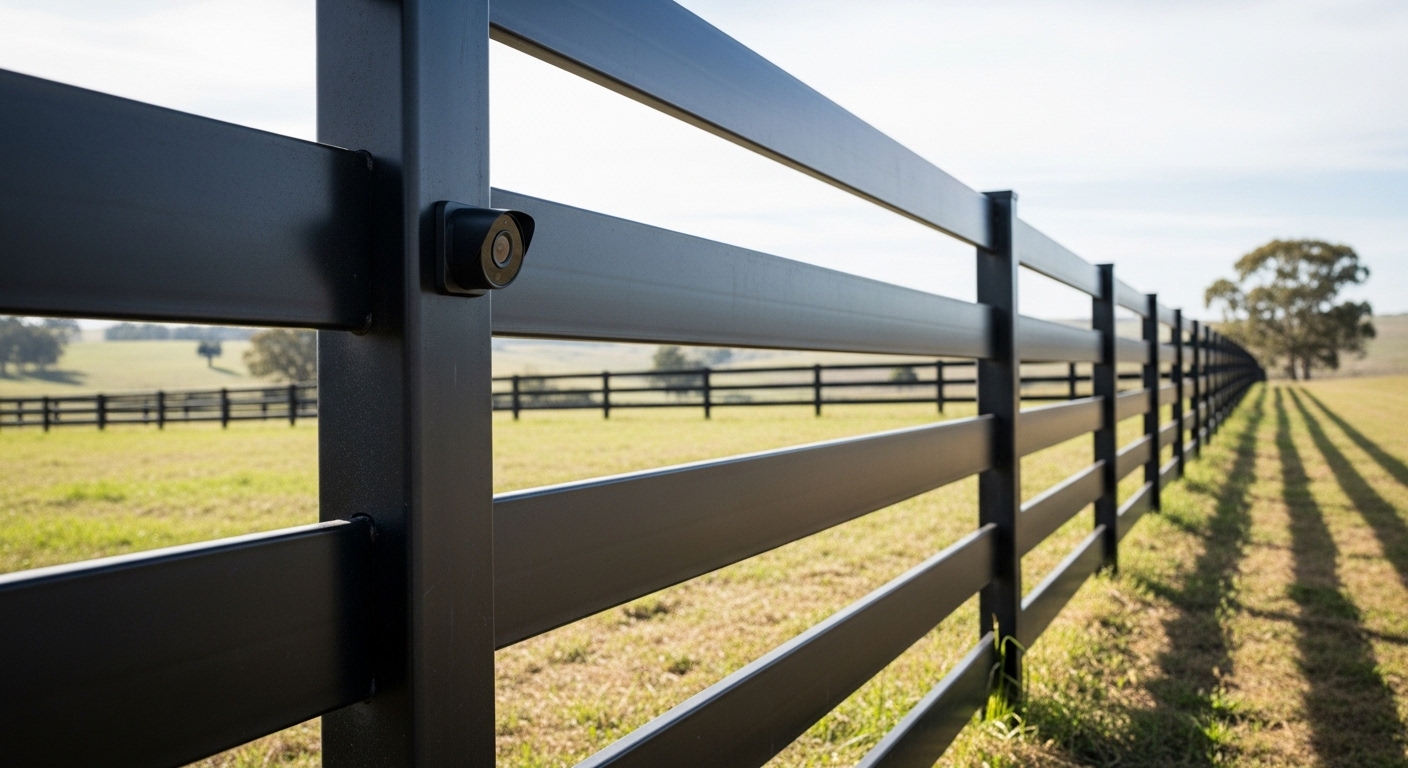
The fence sections consist of massive support posts and horizontal lamellas (slats). The “Rancho” model range offers high variability, featuring four different lamella widths:
- Model S — lamella width of 85 mm;
- Model M — lamella width of 105 mm;
- Model L — lamella width of 135 mm;
- Model XL — lamella width of 185 mm.
Each lamella is formed as a complex profiled panel with four stiffening ribs. This engineering solution makes the lamella extremely resistant to bending, stretching, and torsion, which is critical for minimizing micro-vibrations during strong wind gusts.
The Impact of Structural Morphology on Sensor Integration
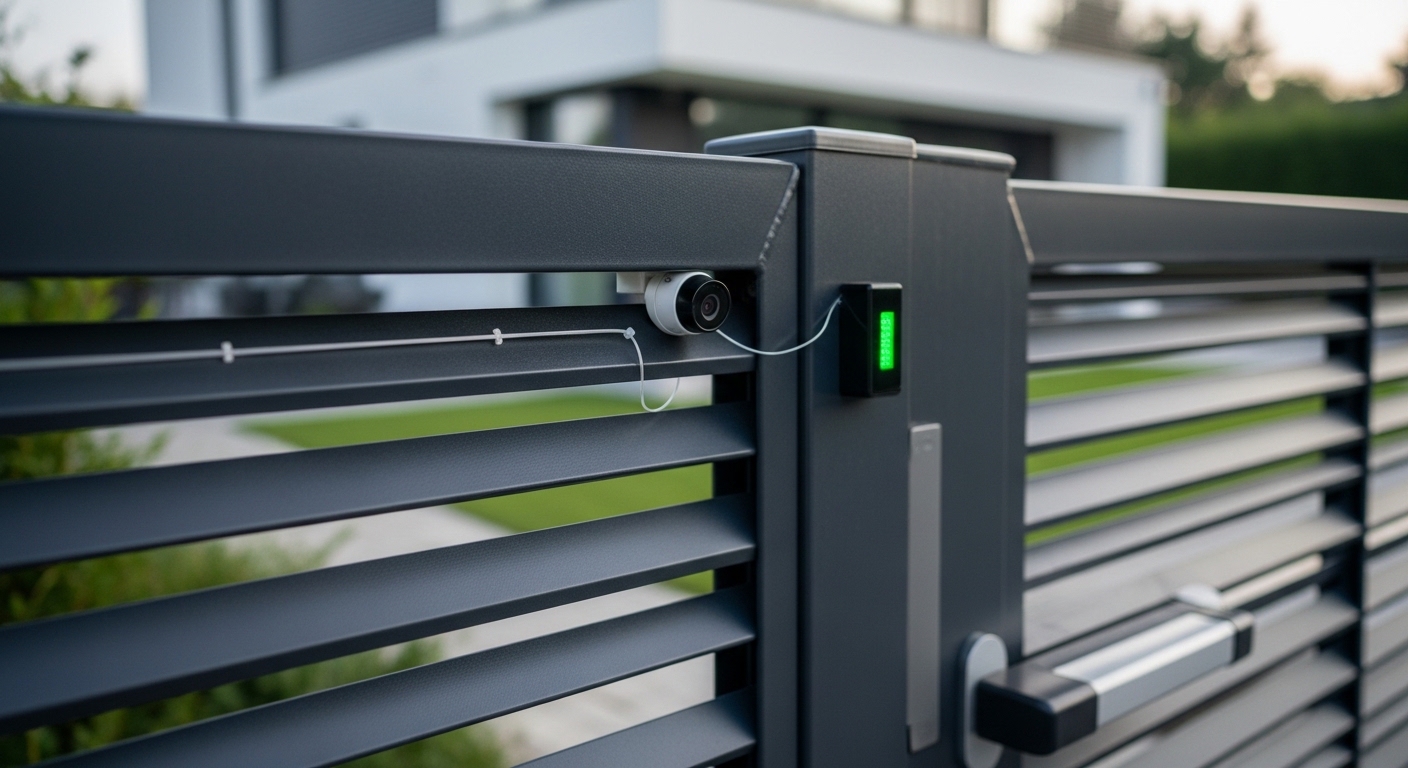
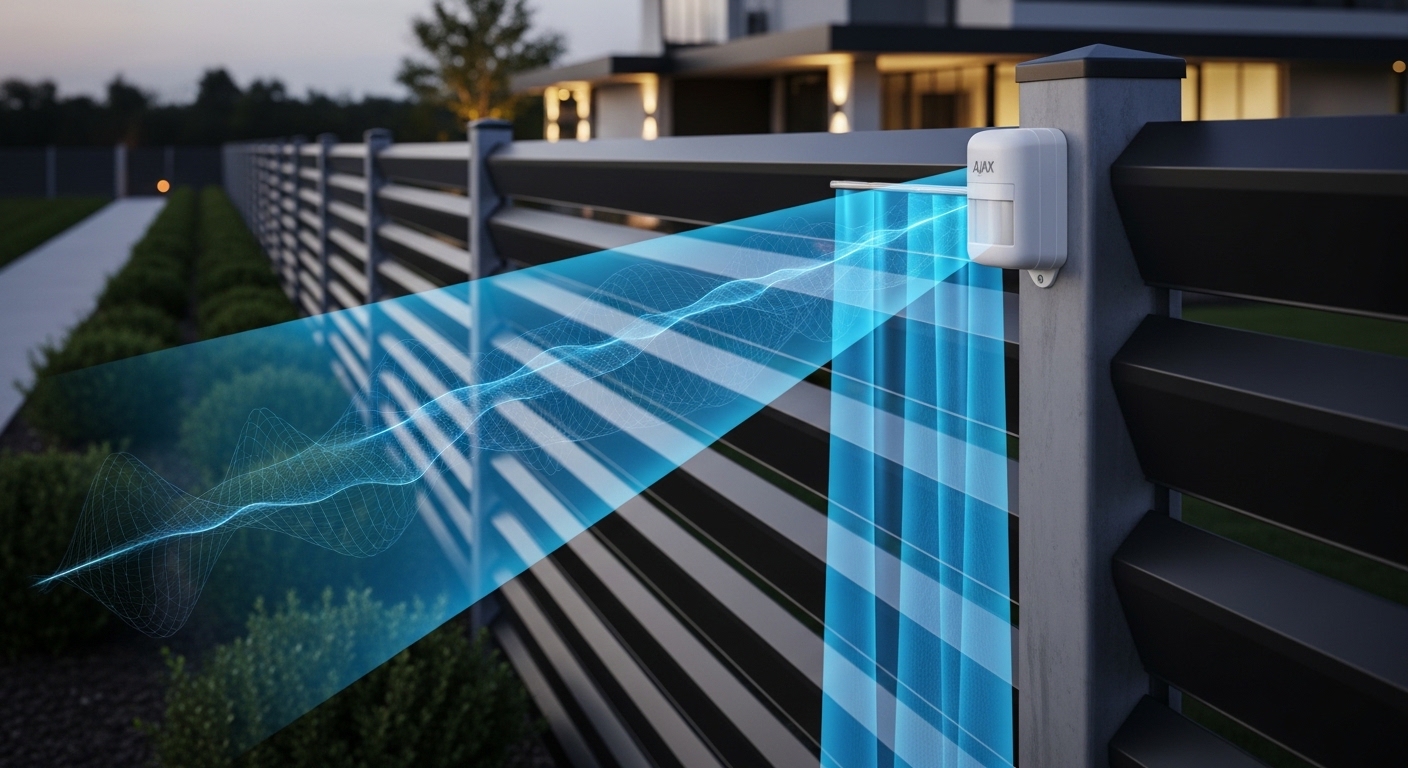
The design of the “Blinds” and “Rancho” models creates unique prerequisites for deploying perimeter alarms. Instead of mounting sensors on awkward or unstable surfaces, installers get a platform that facilitates the concealed and protected installation of equipment.
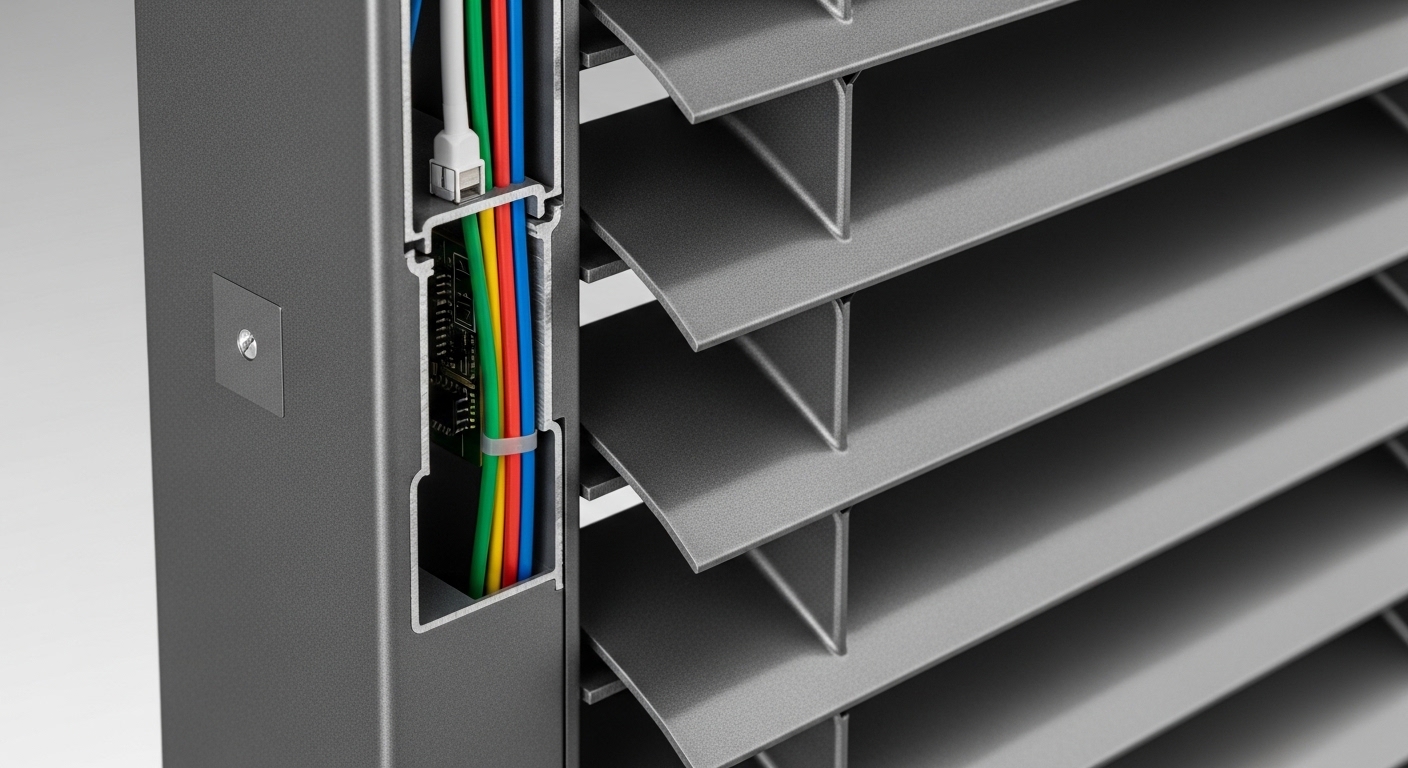
First, the hollow lamellas and U-shaped support posts offer significant internal free space. This allows them to be used as reliable improvised cable channels for the concealed routing of power lines and low-voltage data transmission lines. Concealed wiring is the standard for high-end security systems.
Second, the high mechanical rigidity of the structure plays a decisive role in sensor stability. Unlike light welded panels that sway chaotically in the slightest wind, lamellas with stiffening ribs reduce the amplitude of their own oscillations to an absolute minimum. This is critical for the proper operation of vibration and seismic sensors, as it exponentially reduces the number of false alarms caused by bad weather.
Third, modularity opens up new possibilities for camouflage. Structural gaps allow compact optical sensors to be discreetly mounted directly inside the structure, making them virtually invisible to an outside observer.
| Fence Characteristic | Impact on the Deployment and Operation of Security Systems |
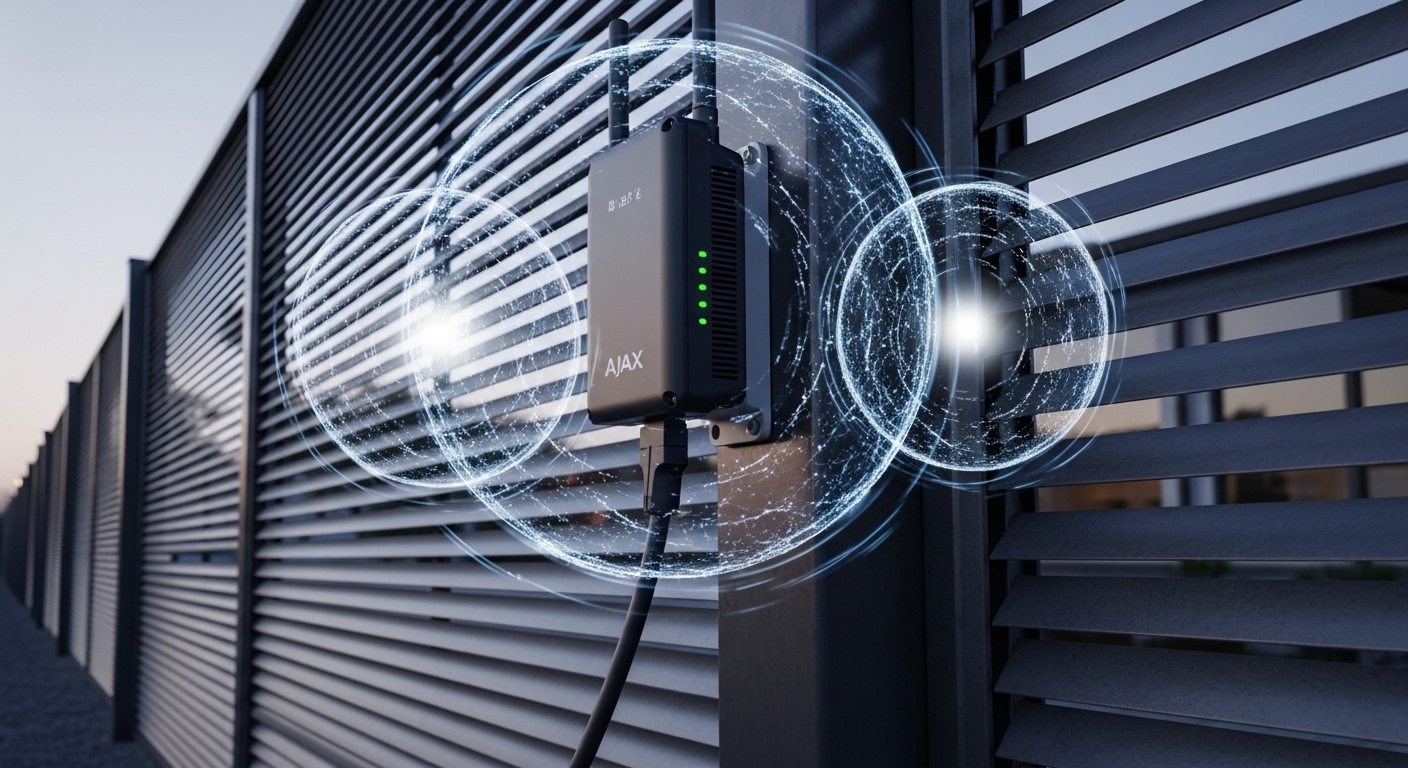
| Material: Galvanized Steel | Ensures the durability of mountings but creates a powerful Faraday cage effect; requires correct placement of radio frequency sensors. |
| Hollow Post Profiles | Allows internal wiring and integration boards to be hidden, preventing visual detection and sabotage. |
| Lamella Rigidity | Creates an ideal foundation for mounting infrared barriers and improves the accuracy of triboelectric vibration cables. |
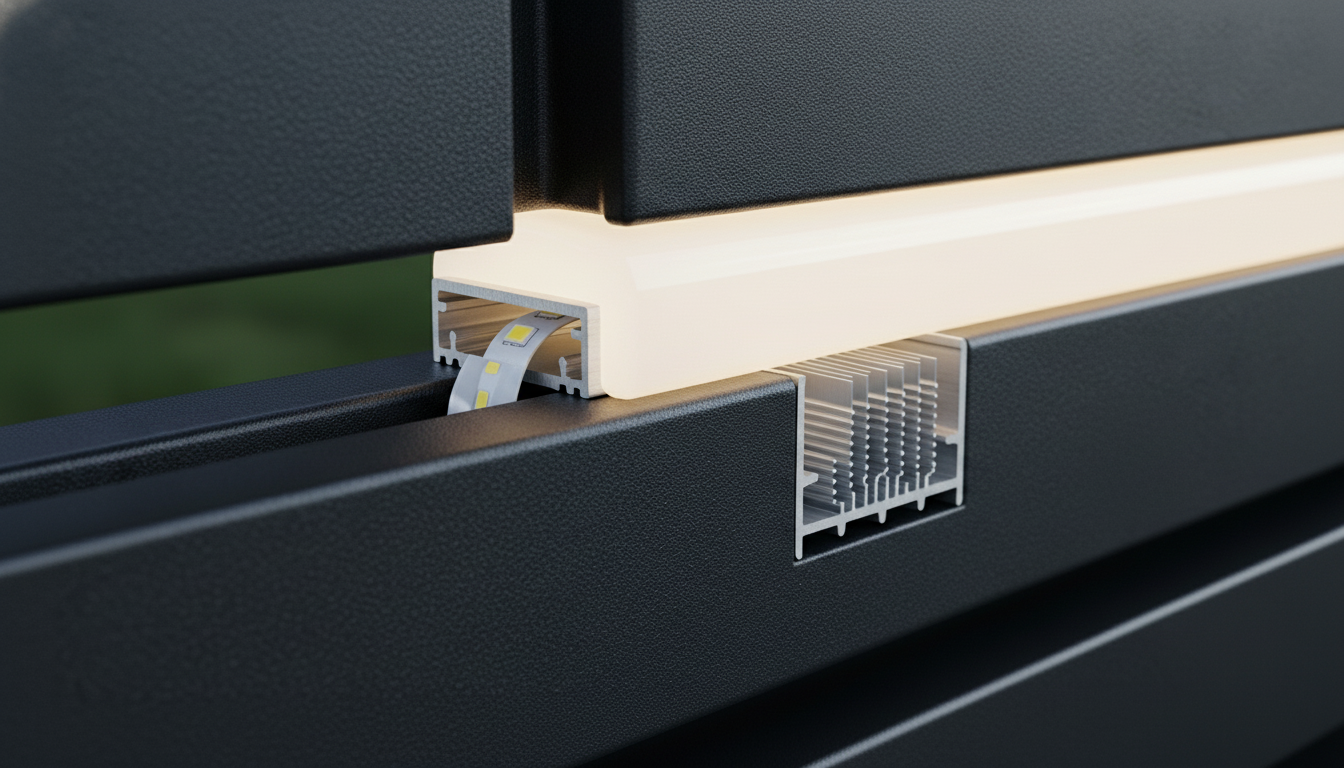
| Lamella Width (up to 185 mm) | Provides sufficient surface area for embedding aluminum LED profiles or concealed mounting of radar sensors. |