The Evolution of Healthcare Architecture in Ukraine: From Institutionalization to a Healing Environment
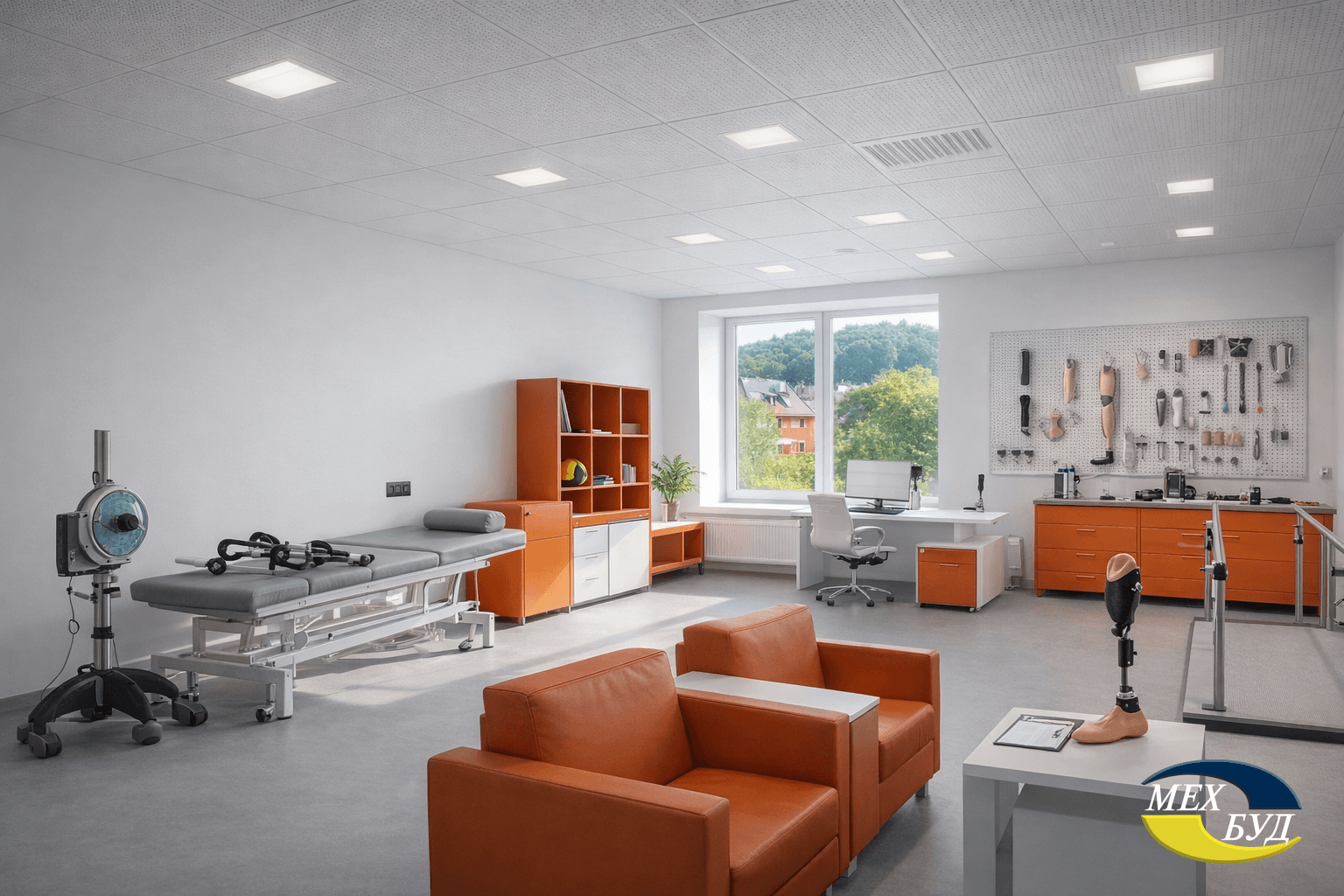
The current stage of development of medical, and specifically rehabilitation, infrastructure in Ukraine is characterized by an unprecedented scale of challenges, necessitating a rapid yet fundamentally high-quality transformation of architectural space. Due to the rapid growth in the need for highly specialized care as a result of hostilities, the architectural and construction paradigm has undergone fundamental changes. According to official data from the Ministry of Health of Ukraine, in 2024–2025 alone, over 435 thousand patients received rehabilitation services. This colossal demand, which continues to grow, requires architects, engineers, and builders not just to cosmetically renovate old hospitals, but to create entirely new spatial typologies — innovative rehabilitation centers based on the principles of evidence-based design, absolute barrier-free accessibility, high energy efficiency, and deep psychological comfort.
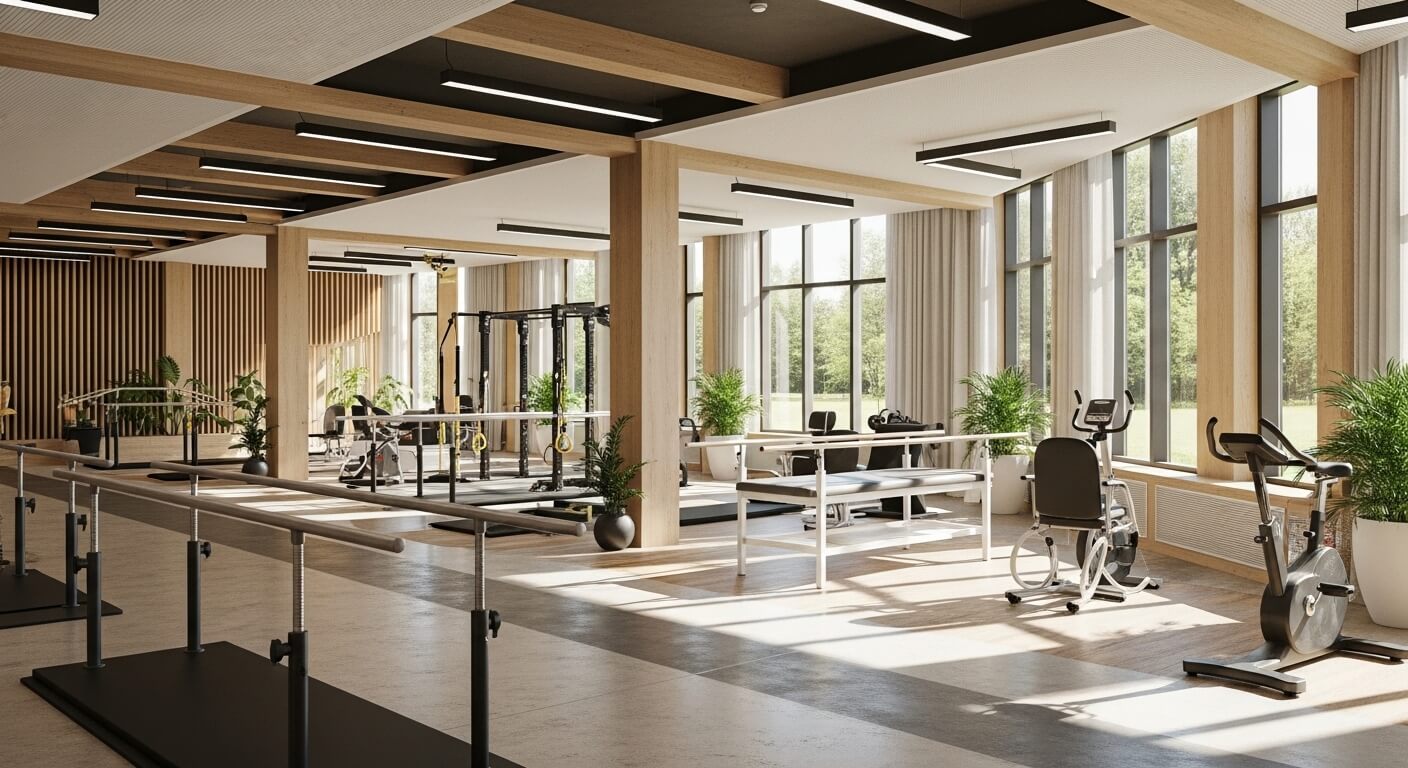
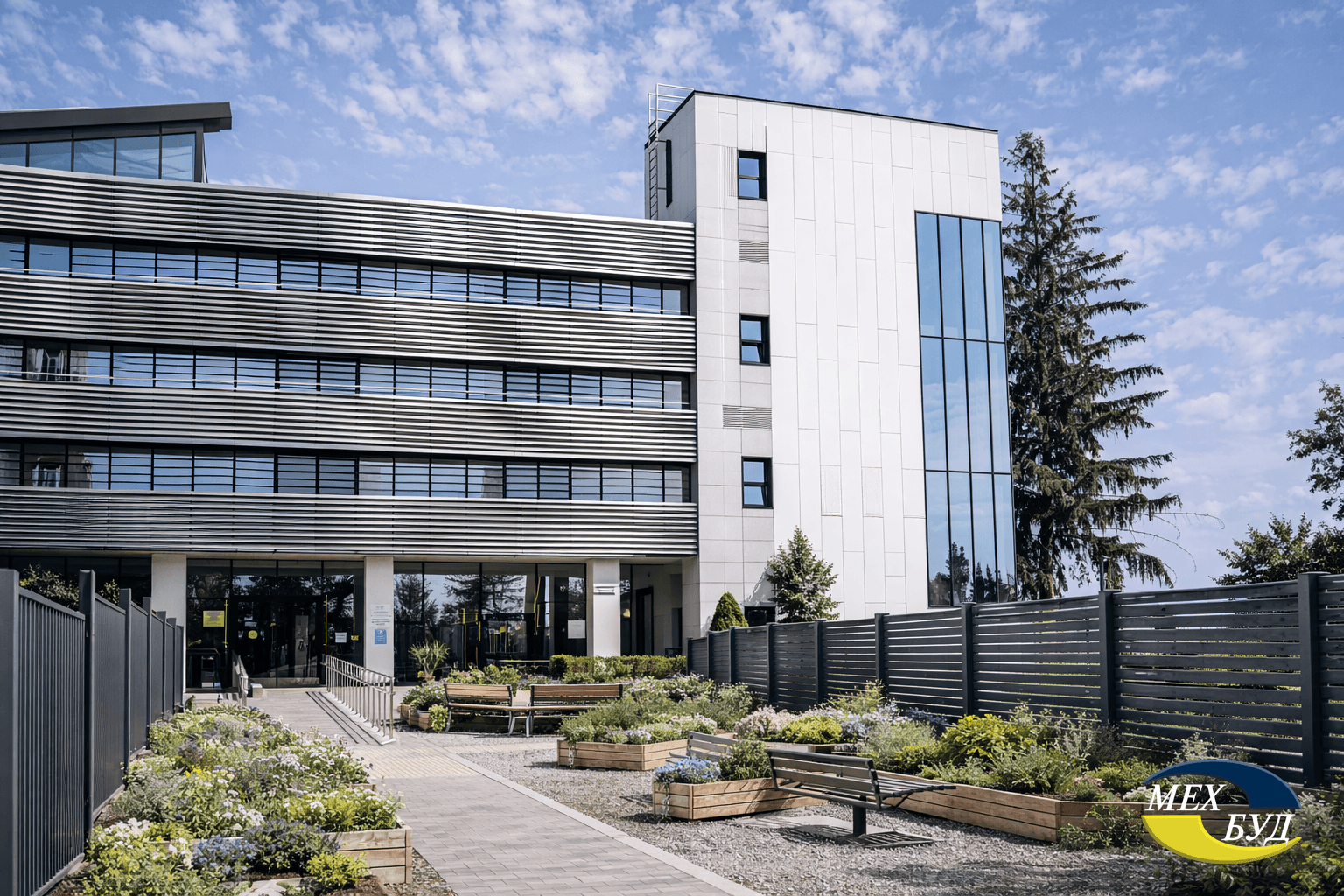
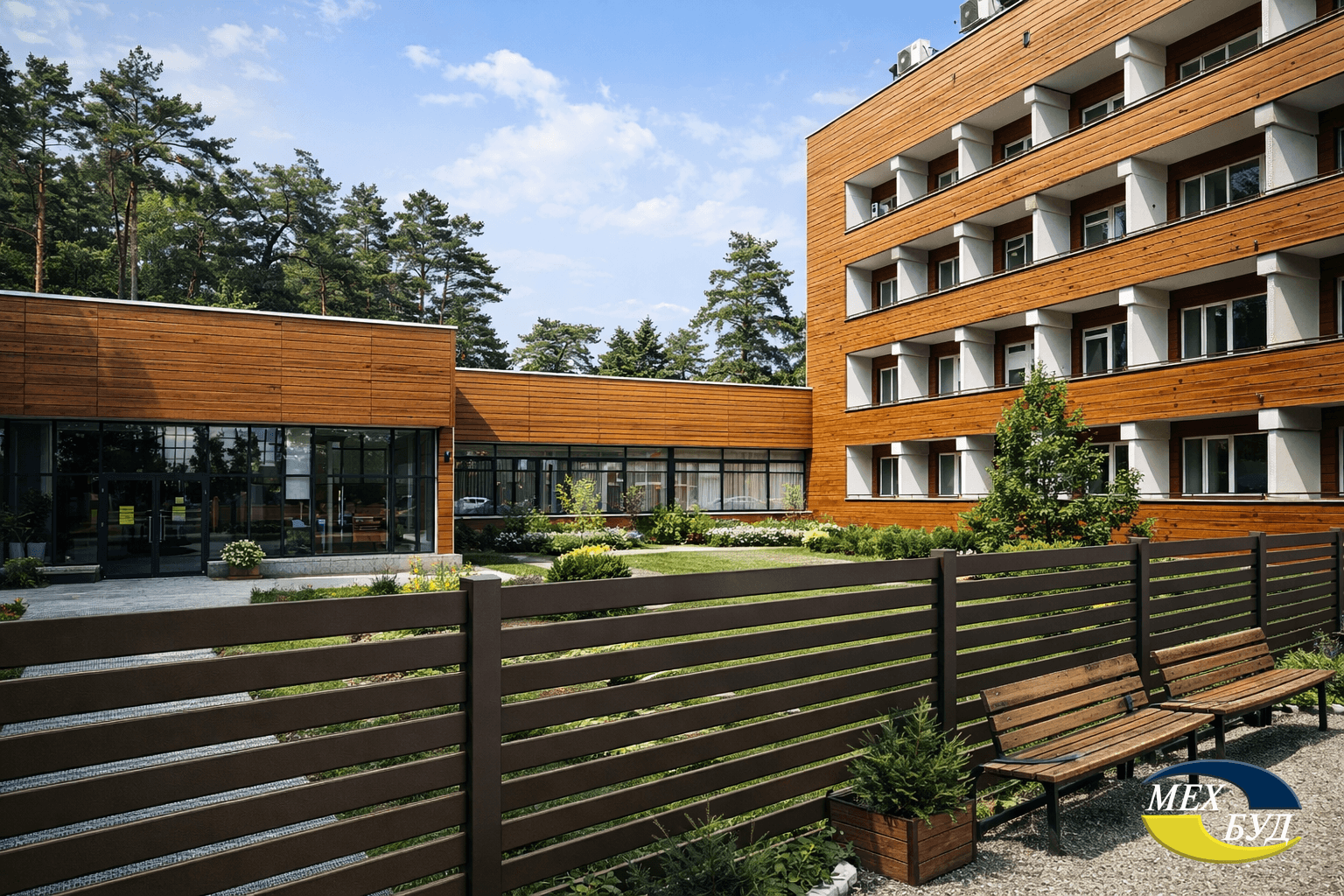
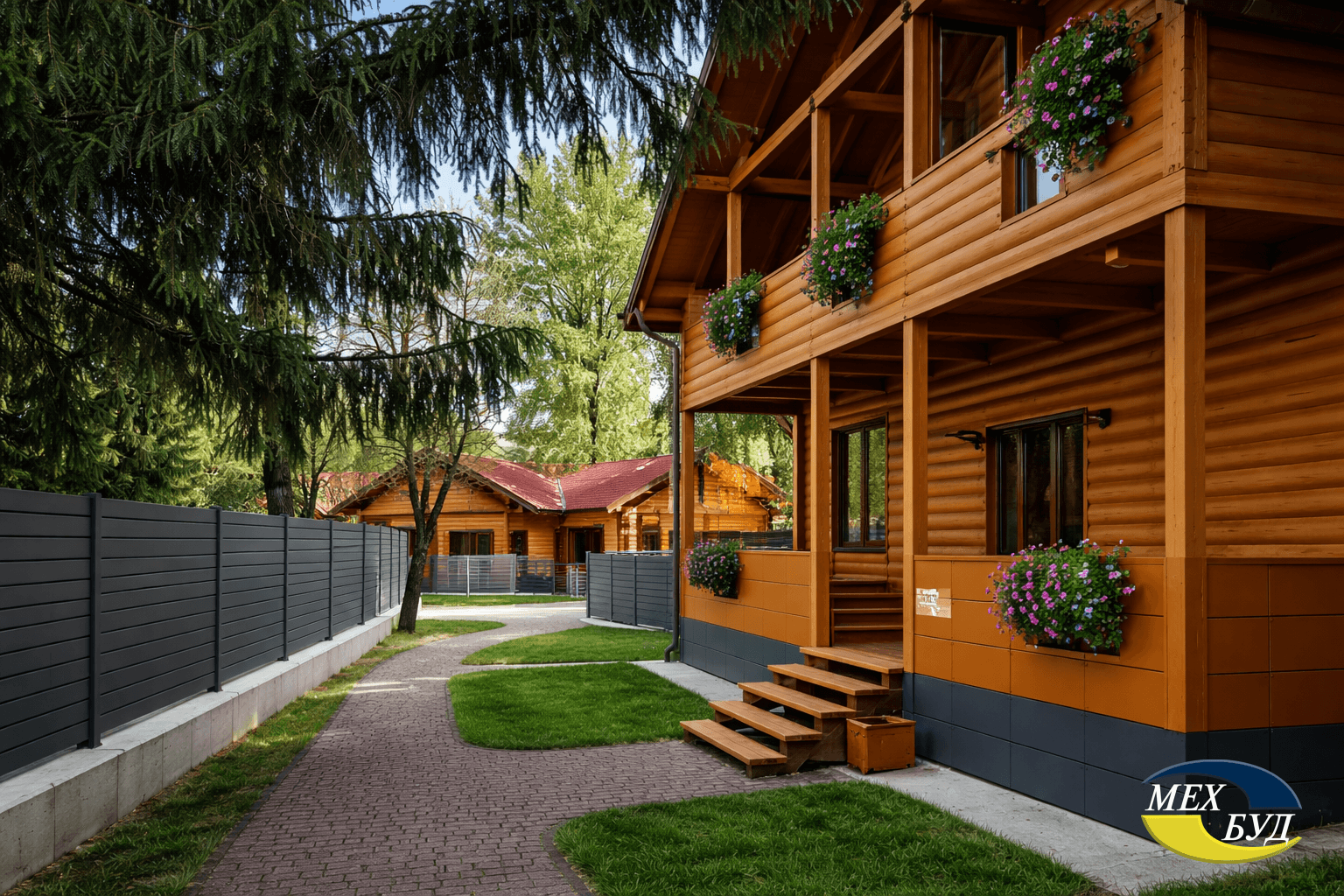
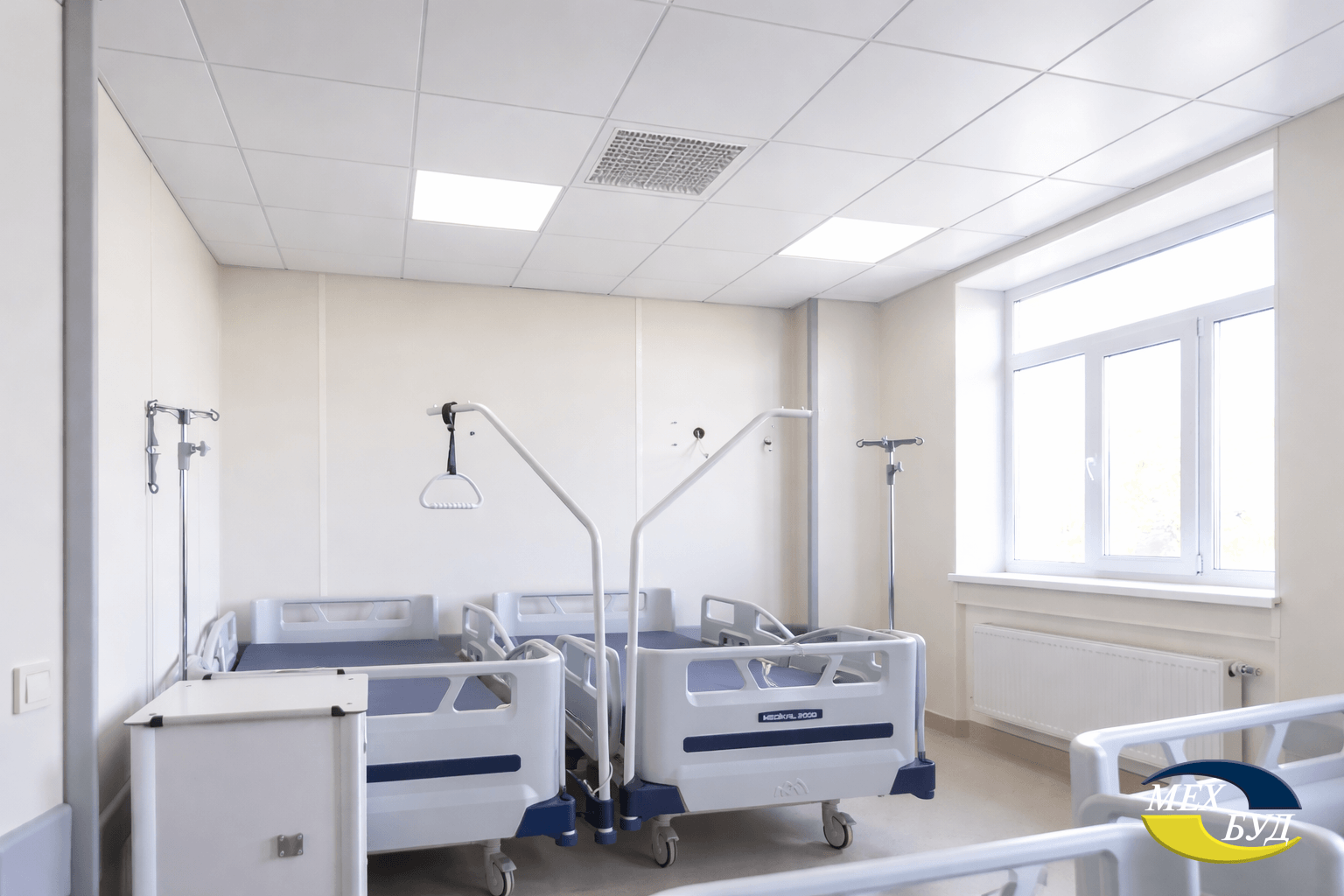
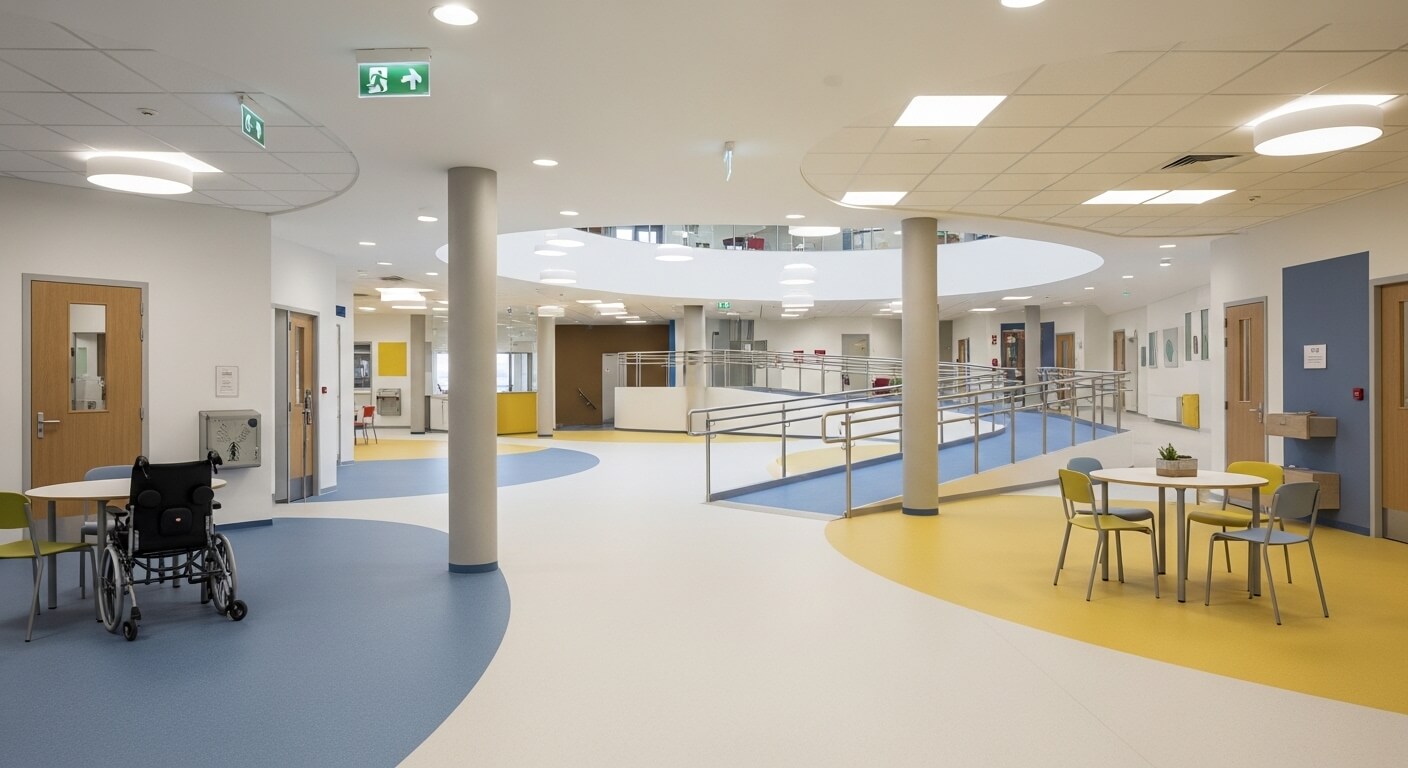
The traditional Soviet corridor system of medical institutions, which historically dominated Ukrainian urban planning, is rapidly and irreversibly giving way to the concept of “healing architecture.” This progressive approach views the building itself, its exterior and interior, not as a passive shell for housing medical equipment, but as an active therapeutic tool. The design of modern centers takes into account the multisensory impact of space on patients with post-traumatic stress disorder (PTSD), mine-explosive injuries, limb amputations, and severe spinal cord injuries. Extremely subtle aspects are considered, such as the level of natural lighting and its spectrum, acoustic comfort and sound reverberation time, tactile properties of finishing materials, color schemes, intuitive spatial navigation, and the integration of biophilic elements.
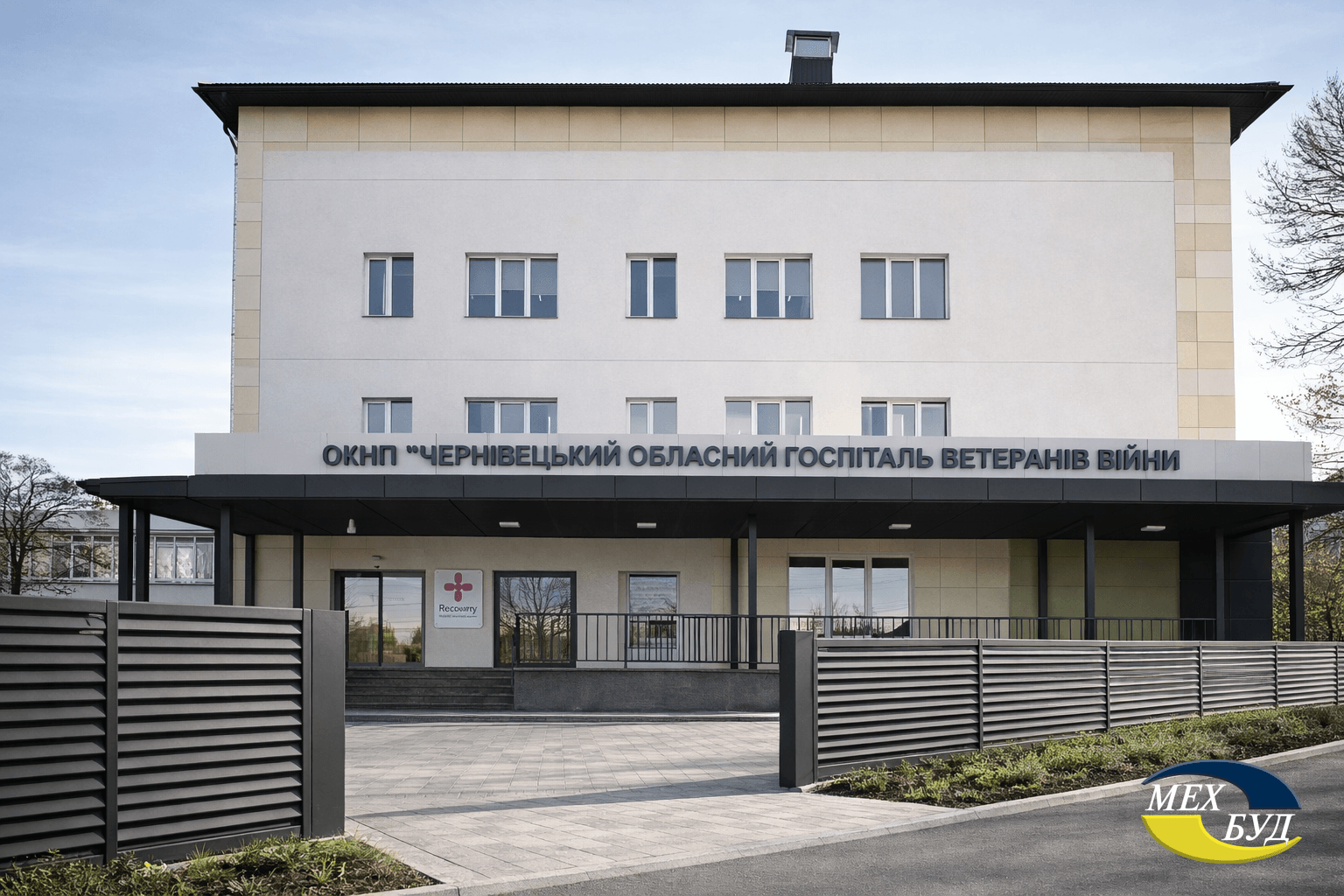
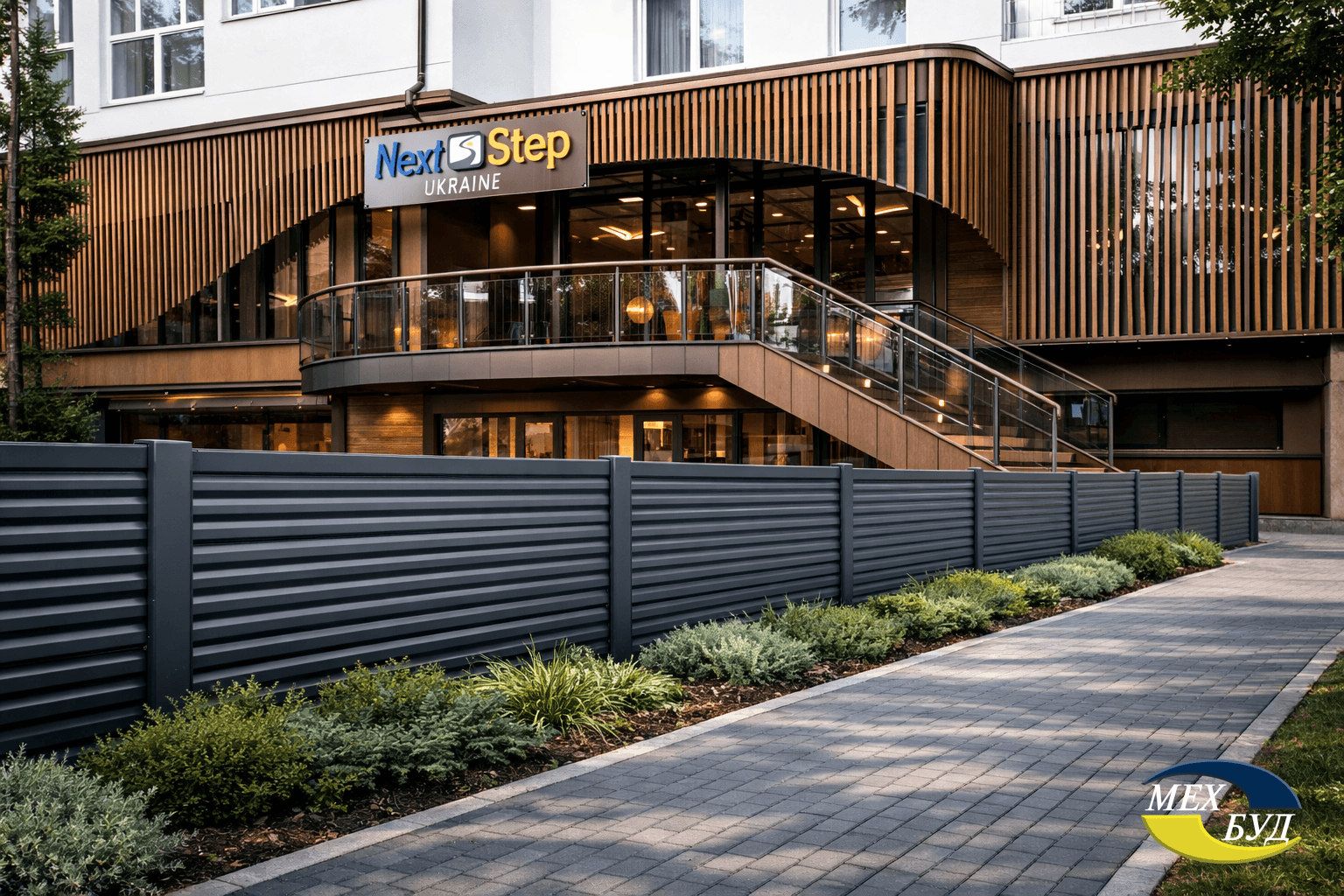
In this complex engineering and design context, the choice of building materials becomes critically important. The creation of a national network of at least 18 innovative rehabilitation centers, where about 26,000 military personnel can recover annually , as well as the development of seven state centers of excellence in Kyiv, Ivano-Frankivsk, Dnipro, Vinnytsia, Ternopil, and Rivne , require the involvement of advanced construction technologies and huge amounts of funding. Domestic architectural bureaus and manufacturers of building materials play a key role in this reconstruction process, providing the industry with solutions that not only meet but often exceed the highest international quality and safety standards.