Introduction: Architectural Paradigm of Ukraine’s Modern Wellness Industry
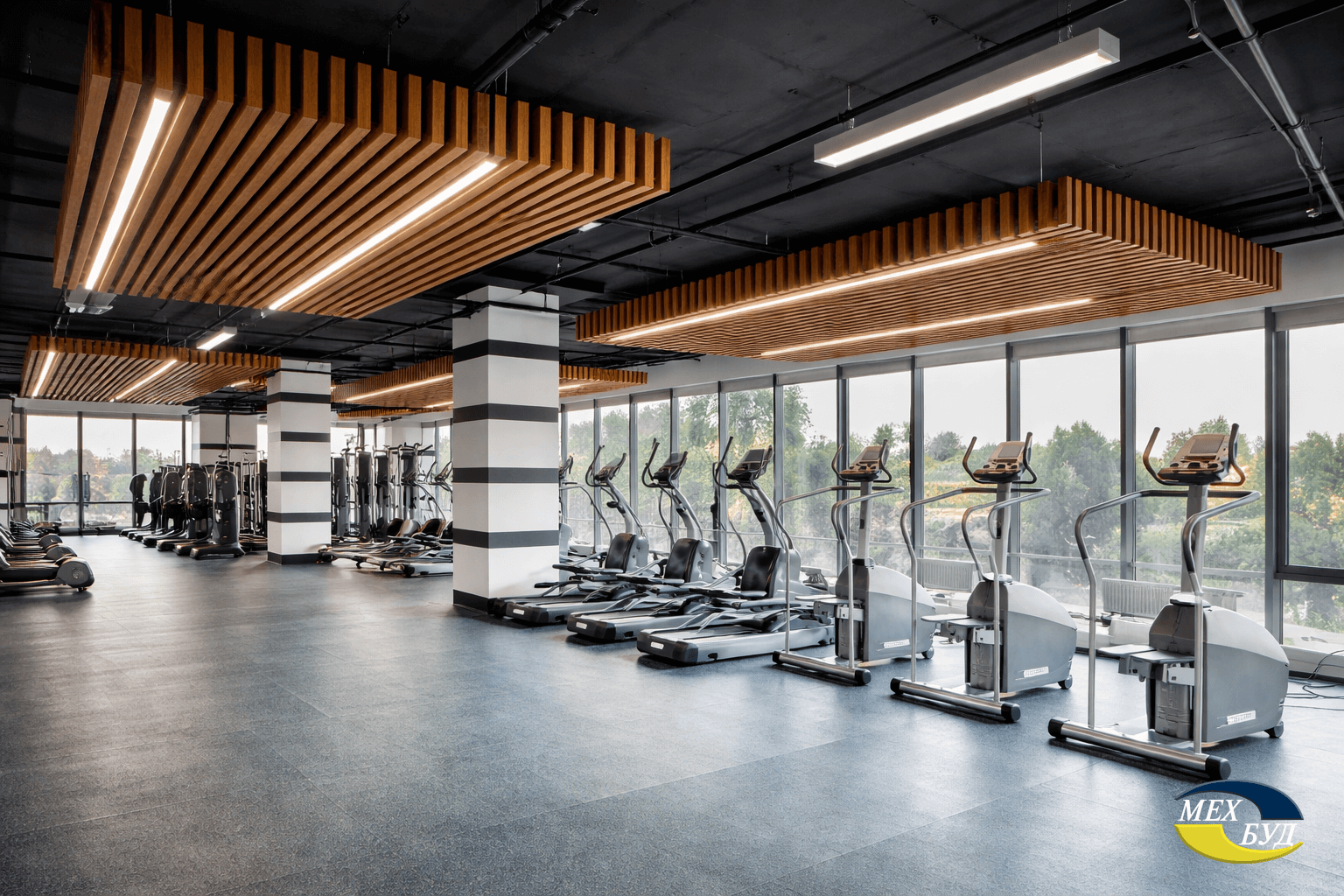
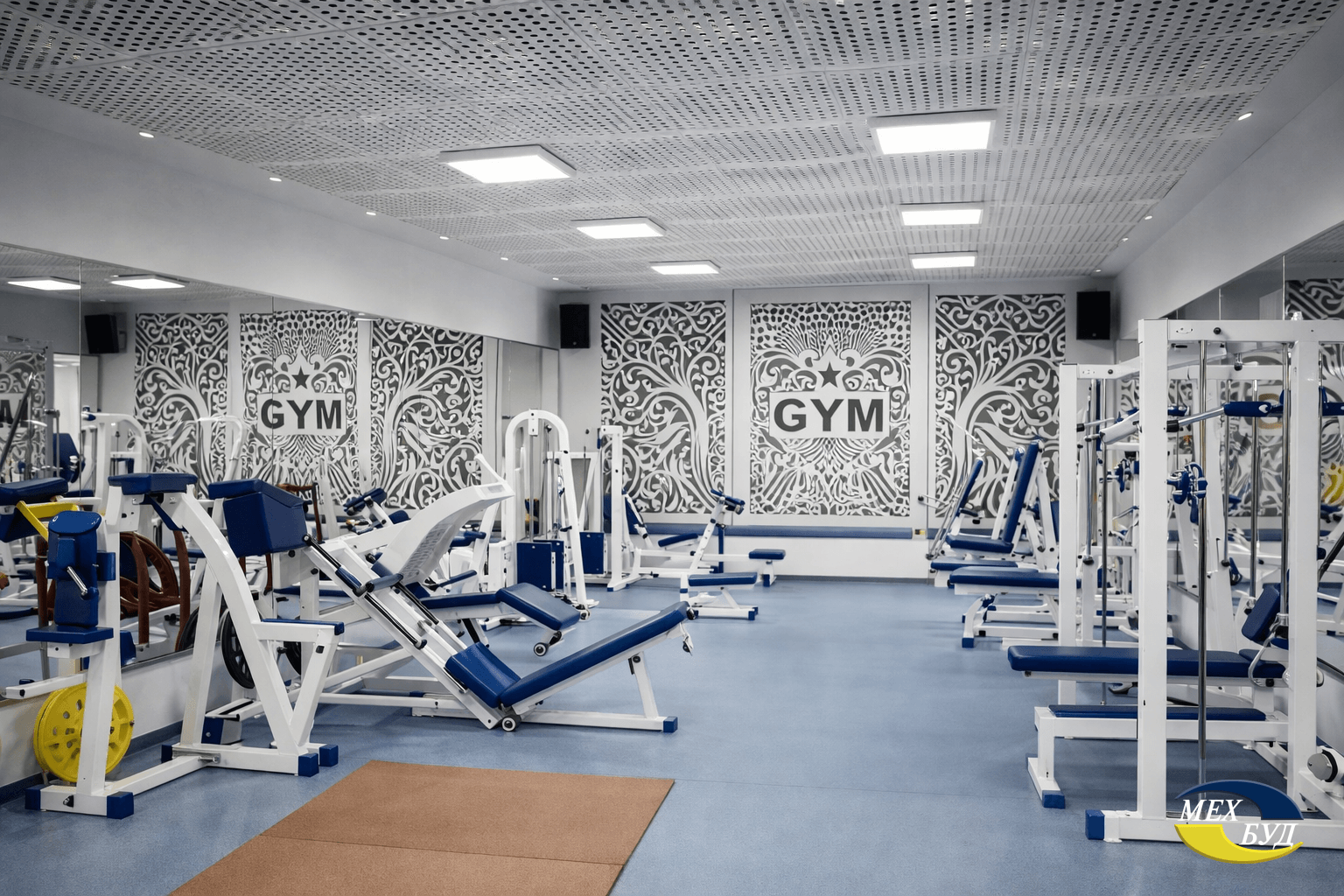
Ukraine’s architectural landscape of the last decade is characterized by a fundamental rethinking of functional spaces, where the sports and wellness real estate sector serves as one of the main drivers of innovation. If in the early 2000s, the fitness industry mostly adapted existing, often basement or unsuitable premises, then as of 2025, we observe an era of specialized design and construction based on complex engineering calculations, psychology of spatial perception, and energy efficiency. A modern sports club in Ukraine is not just a utilitarian place for physical exercise, but a complex ecosystem where architecture serves as a tool for marketing, client retention, and brand identity formation.
The importance of modern design for the financial success of fitness establishments is confirmed by market statistics, which indicate a direct correlation between the quality of the architectural environment and visitor loyalty. In conditions of high competition and increasing consumer demands, developers are forced to invest in creating unique visual and tactile experiences. This stimulates demand for advanced building materials such as composite facade systems, acoustic panels, translucent structures, and high-strength metal alloys that ensure durability under intensive load conditions.
The role of innovative construction solutions in this context becomes critical. Integration of complex climate systems, ensuring vibration isolation in multifunctional complexes, creating rooftop pools on skyscrapers—all these tasks require high professionalism and creativity from Ukrainian architects and engineers. The partner of this study, the “Mehbud” factory, demonstrates how a national manufacturer can meet these challenges by offering architectural solutions (fences, facades, ceilings) that combine aesthetics with uncompromising resistance to corrosion and mechanical damage, which is a mandatory condition for high-traffic facilities with aggressive environments (humidity, chemical cleaning agents).
This report presents a detailed analysis of ten leading fitness chains and individual clubs in Ukraine that shape the architectural face of the industry. Each case is examined through the prism of technologies used, design concepts, and engineering complexity, allowing us to form an objective picture of the state and prospects for the development of the country’s sports infrastructure.