Introduction
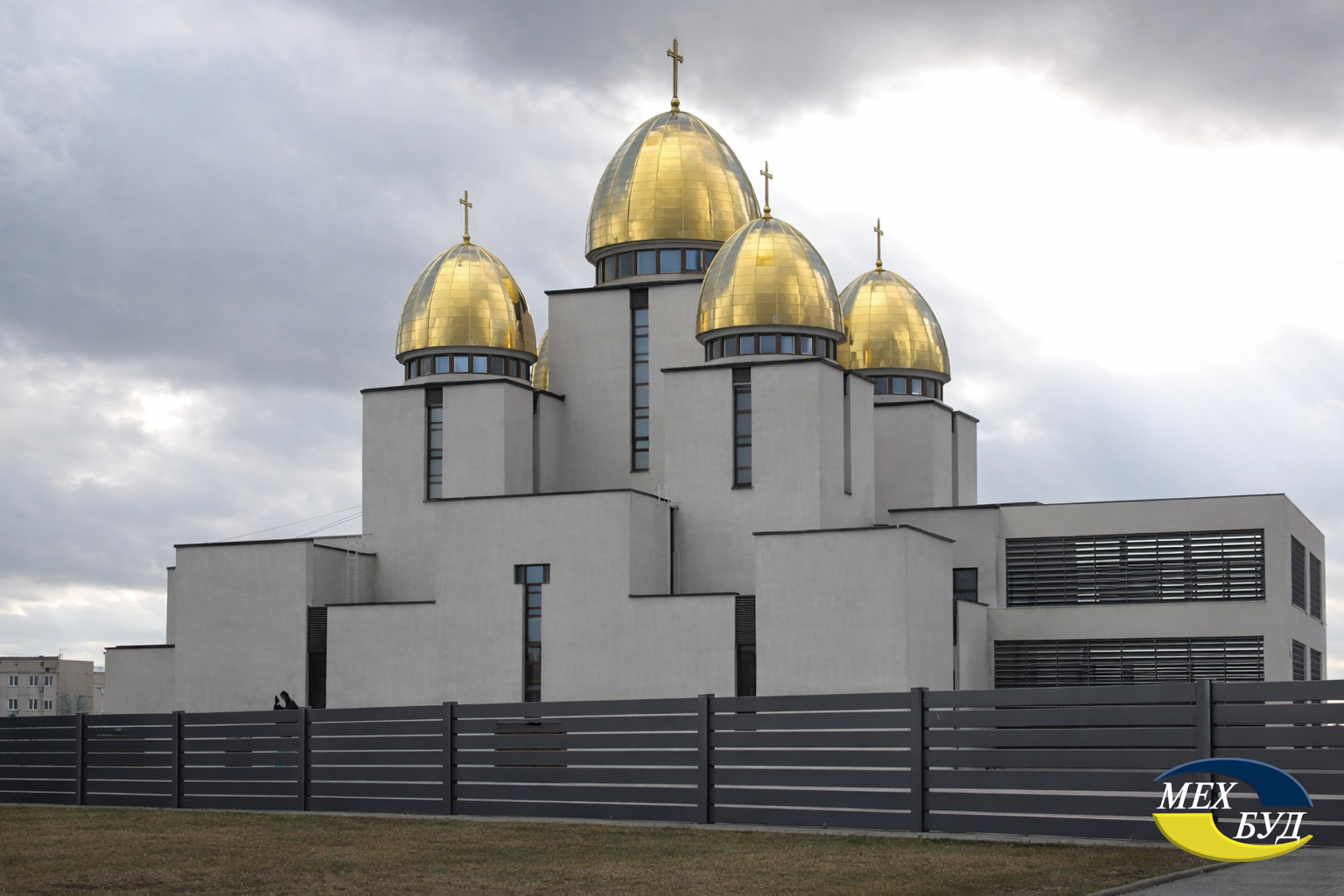
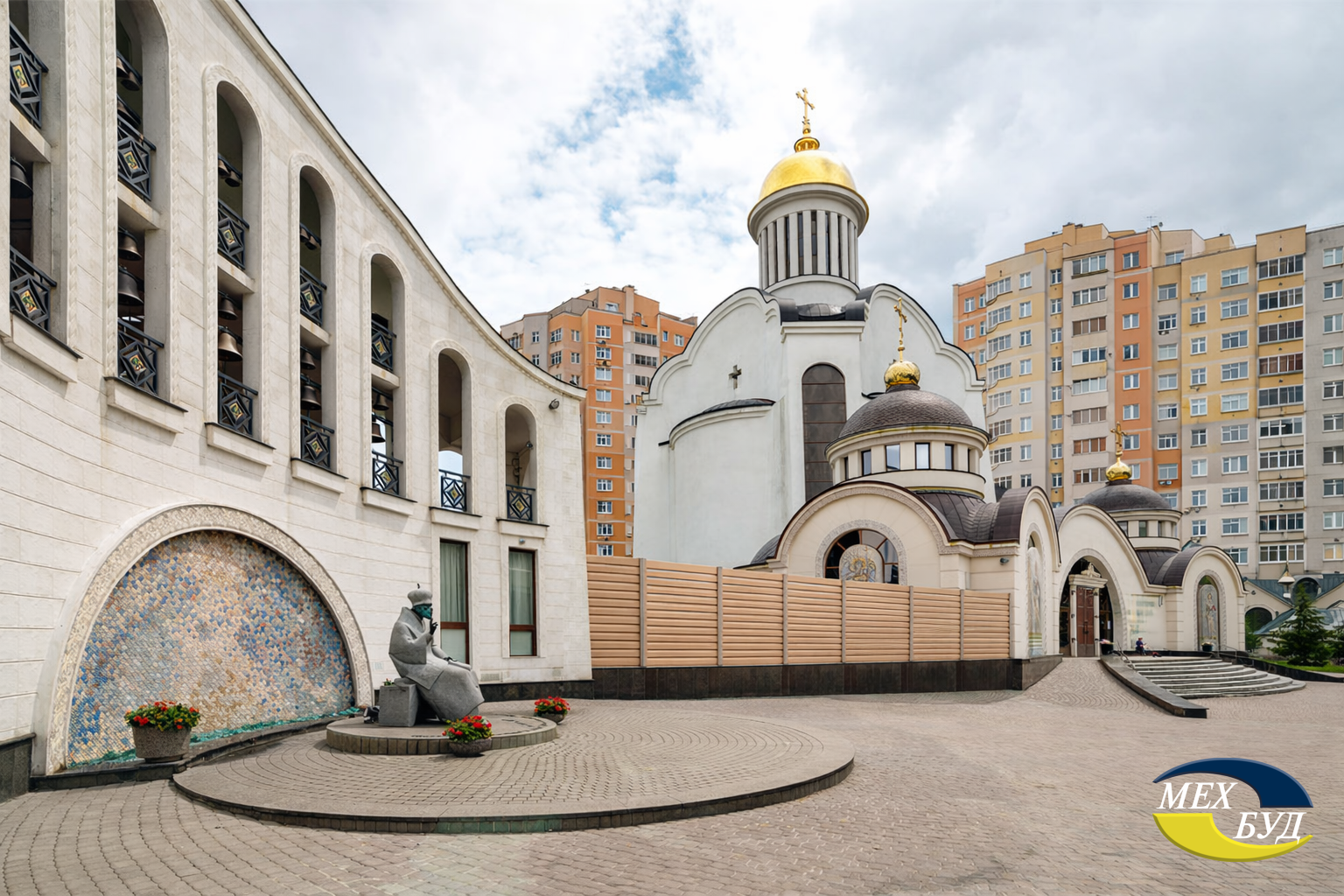
Ukraine’s architectural landscape is undergoing fundamental transformations that reflect profound changes in the nation’s sociocultural and spiritual paradigm. Sacred architecture, as the most conservative yet symbolically charged sphere of urban development, in 2024-2025 demonstrates a departure from imperative copying of historical styles—pseudo-Byzantine or “sharovary” baroque—toward seeking a new language of expression. The modern temple in Ukraine ceases to be exclusively a place for conducting liturgy; it evolves into a complex multifunctional facility that serves as a community center, educational hub, memorial space, and architectural dominant in the urban environment.
The importance of contemporary design for religious institutions becomes critical in the context of globalization and digitalization of society. Believers of the new generation, raised on the aesthetics of minimalism and functionality, expect from sacred space not only a mystical atmosphere but also comfort, inclusivity, energy efficiency, and environmental friendliness. Architecture becomes an instrument of evangelization and communication: transparent facades symbolize community openness, the use of natural materials emphasizes responsibility for Creation, and technological solutions testify to the institution’s modernity.
The role of innovative construction solutions in this context cannot be overestimated. The use of ventilated facades, large-span structures, parametric modeling, and energy-efficient glazing systems allows architects to create forms that were previously considered impossible or too expensive. The Ukrainian construction materials market, particularly the segment of metal structures, facade systems, and fencing, offers world-class solutions that allow for the implementation of the boldest projects without involving foreign contractors.
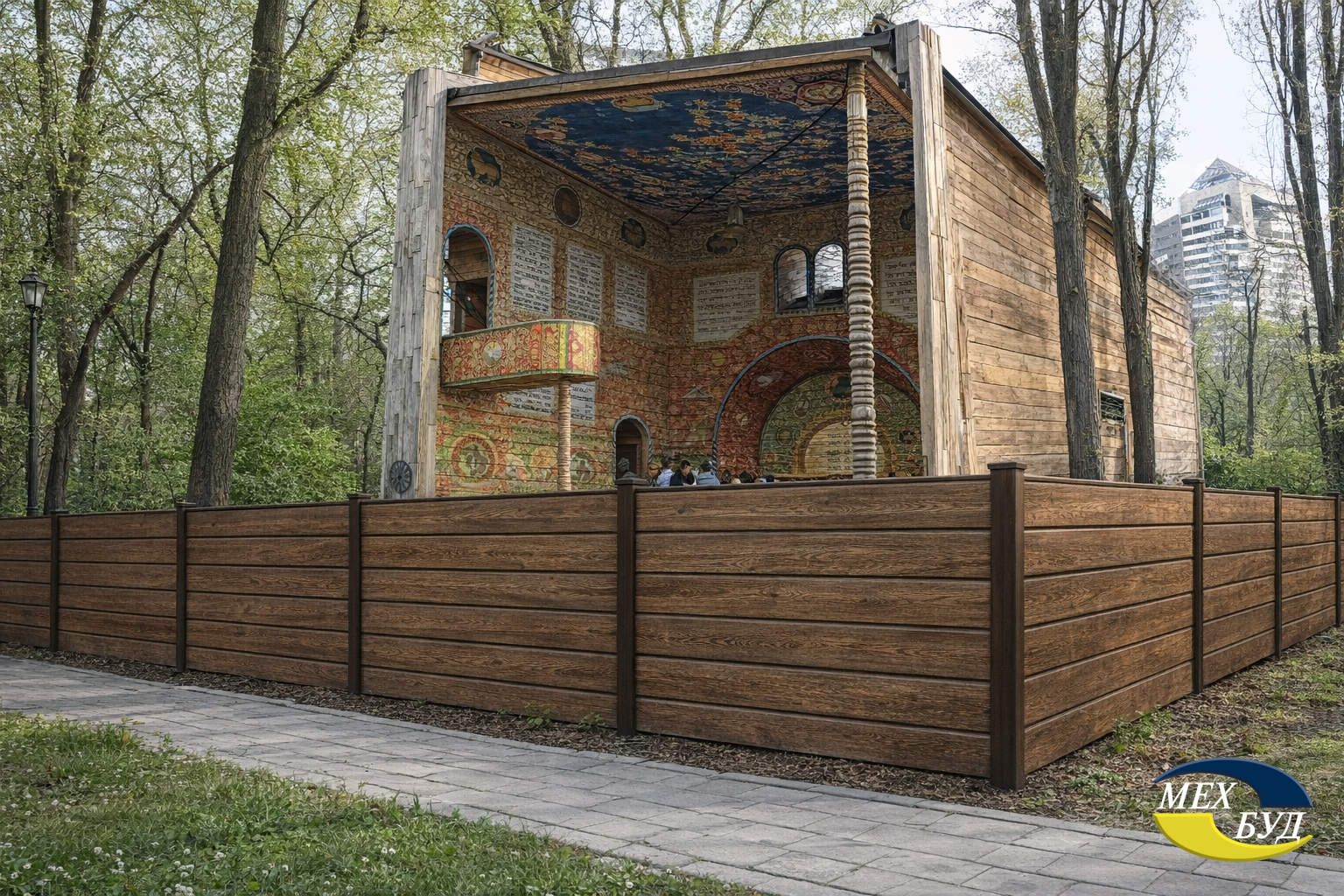
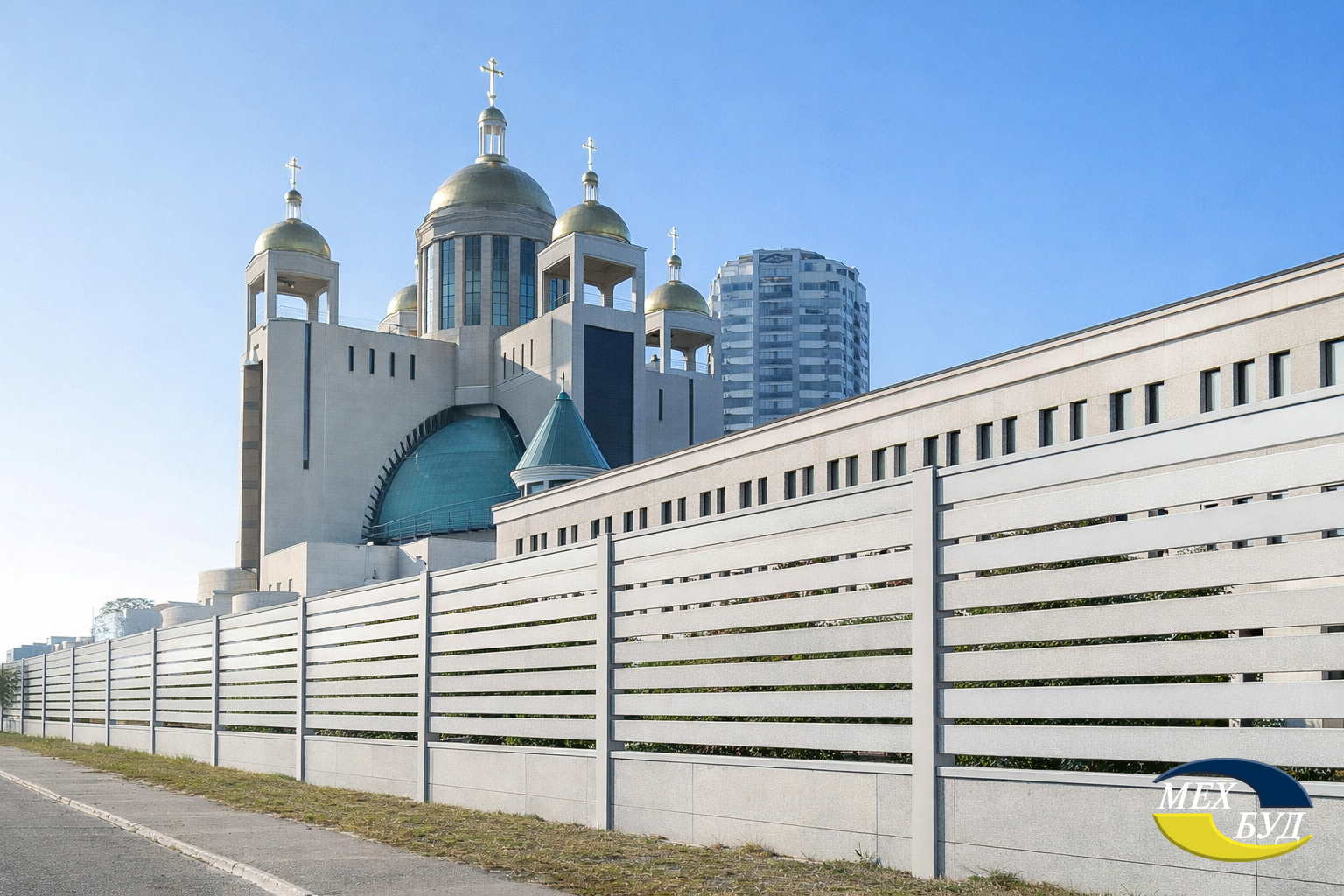
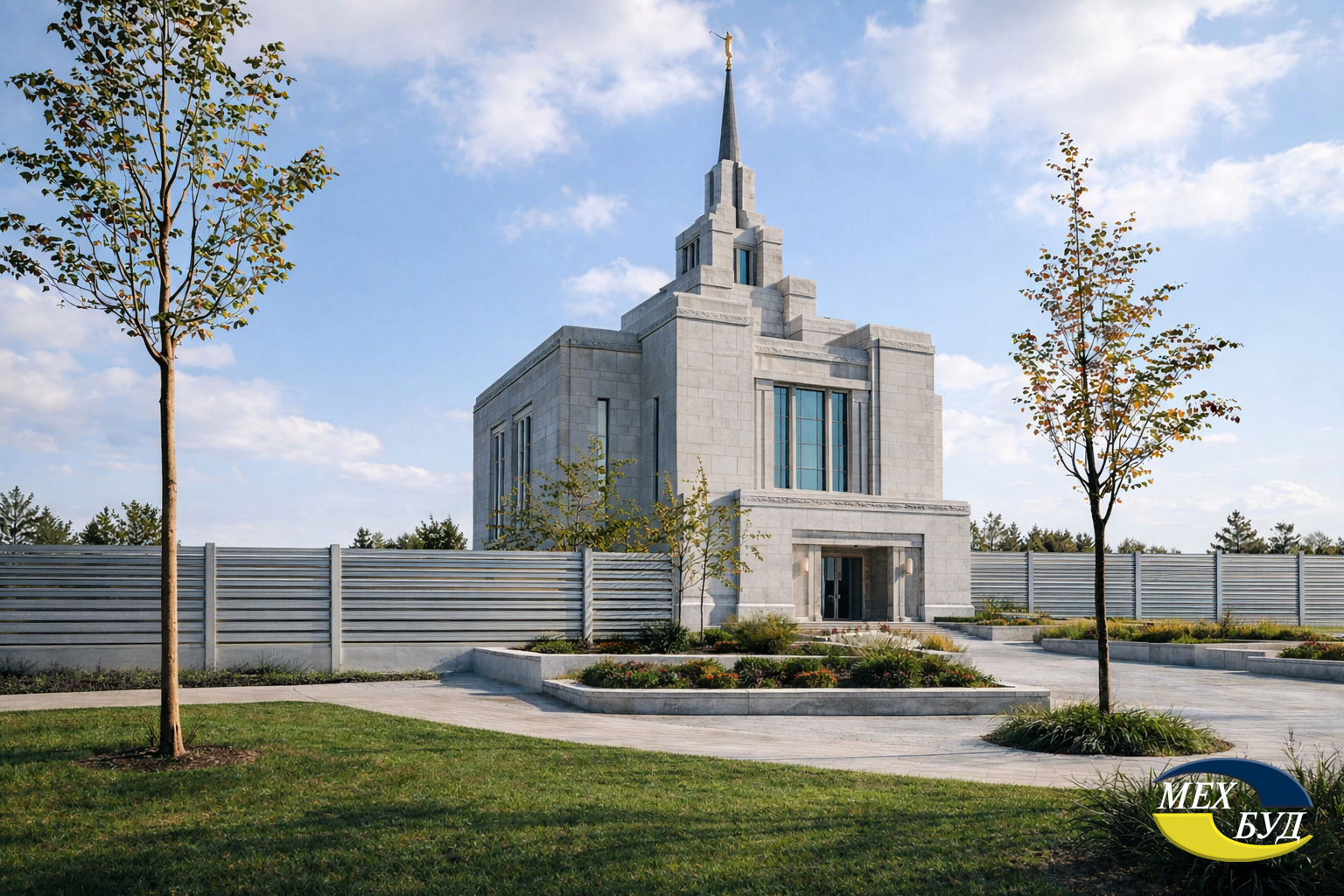
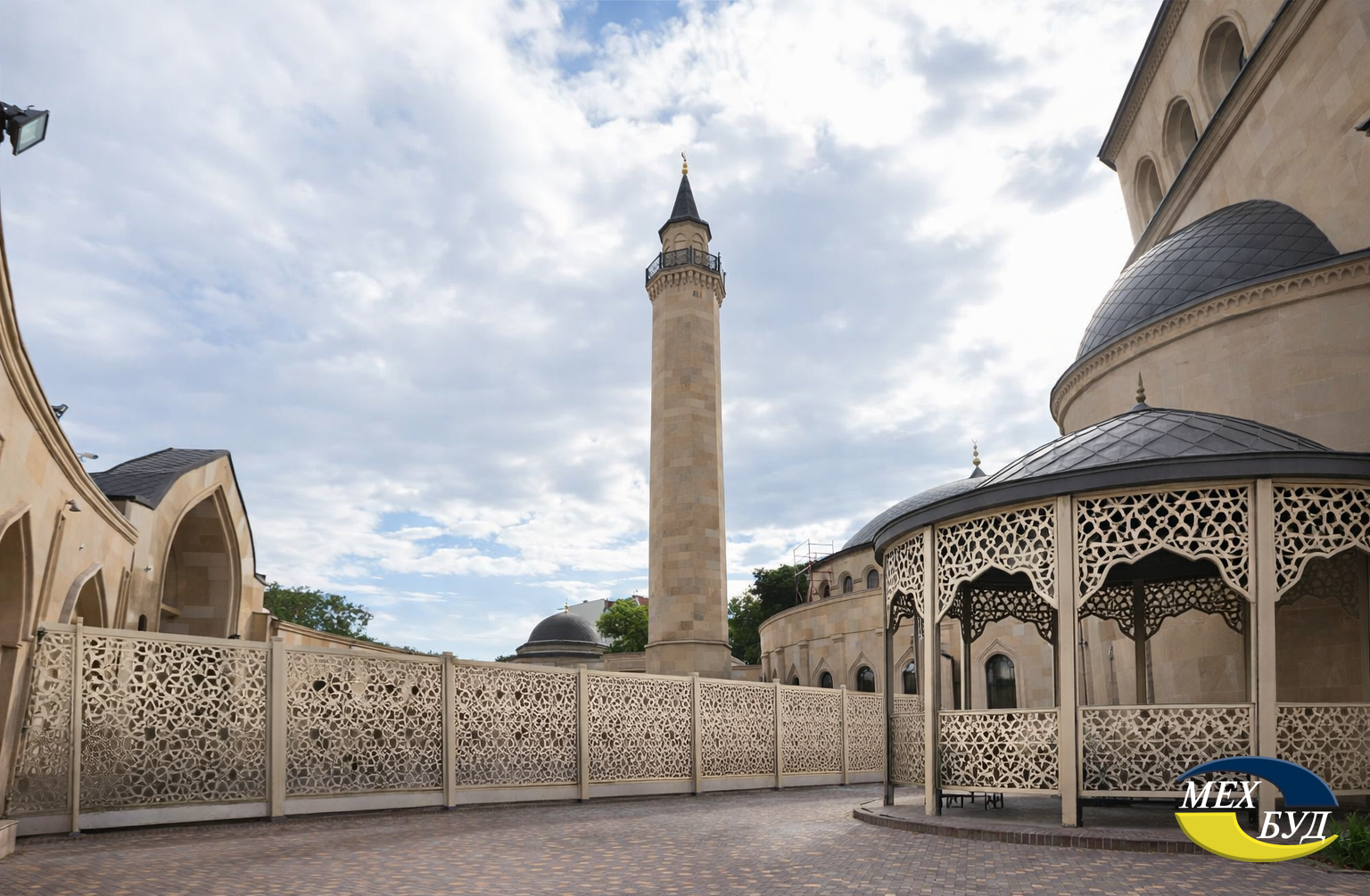
In this analytical report, we will examine ten landmark objects of Ukraine’s modern sacred architecture that shape the industry’s face in 2025. We will analyze them from the perspective of architectural theory, engineering complexity, and design perfection. A separate cross-cutting element of the study will be demonstrating the possibilities of integrating products from “Mehbud” company—a leading Ukrainian manufacturer of modern architectural solutions. We will show how metal ceilings, innovative fences, and facade systems can not only protect sacred space but also become an integral part of its aesthetic code.