Navigating International Building Codes and Fire Safety Standards
In commercial, institutional, and multi-family residential construction, the specification of building materials is not solely a matter of aesthetics or cost; it is strictly governed by life-safety mandates. The widespread transition from combustible wood trims to non-combustible metal architecture is heavily driven by the stringent fire safety requirements established by international regulatory bodies.
Fire Resistance Ratings and the IBC Framework
In the United States and broadly adopted international jurisdictions, the International Building Code (IBC) establishes the foundational prescriptive and performance-based requirements for fire-resistance-rated construction. The IBC’s primary objective is to safeguard public health and general welfare by mitigating the hazards associated with structural collapse, fire spread, and smoke inhalation.
To achieve compliance with IBC mandates, structural elements, compartmentalization walls, and building assemblies must undergo severe destructive testing. The default testing standards in North America are ASTM E119 (Standard Test Methods for Fire Tests of Building Construction and Materials) and ANSI/UL 263. These rigorous tests simulate standardized “cellulosic fires”—the type of rapid-growth fires fueled by paper, textiles, and furnishings typical of commercial offices and residential dwellings. During an ASTM E119 test, the ambient temperature within the testing furnace is escalated to 538°C (1000°F) within exactly five minutes, and gradually increased over a four-hour duration until it reaches a catastrophic 1093°C (2000°F).
Based on their performance in these tests—specifically their ability to maintain structural integrity, halt the passage of flames, and restrict thermal transfer—assemblies are granted specific hourly fire-resistance ratings (e.g., 1-hour, 2-hour, or 3-hour ratings).
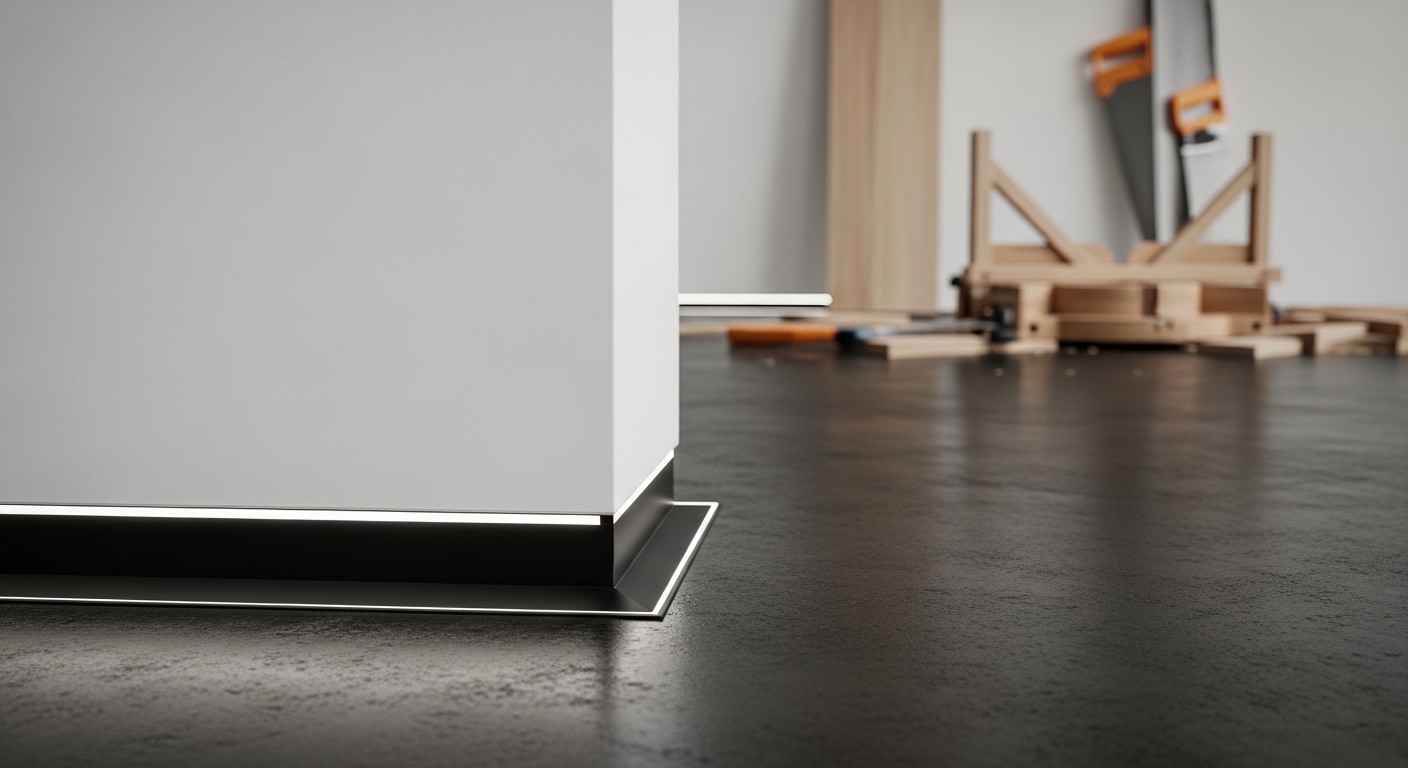
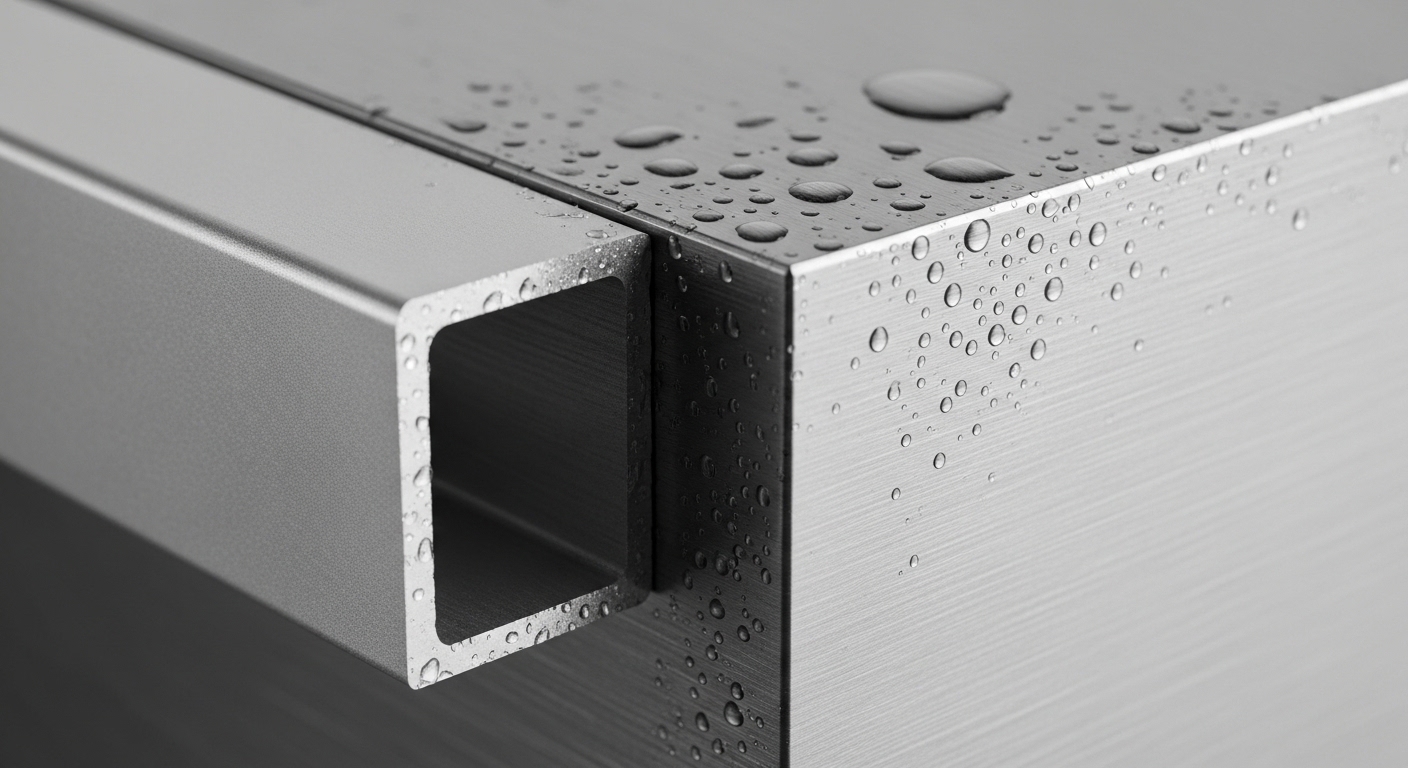
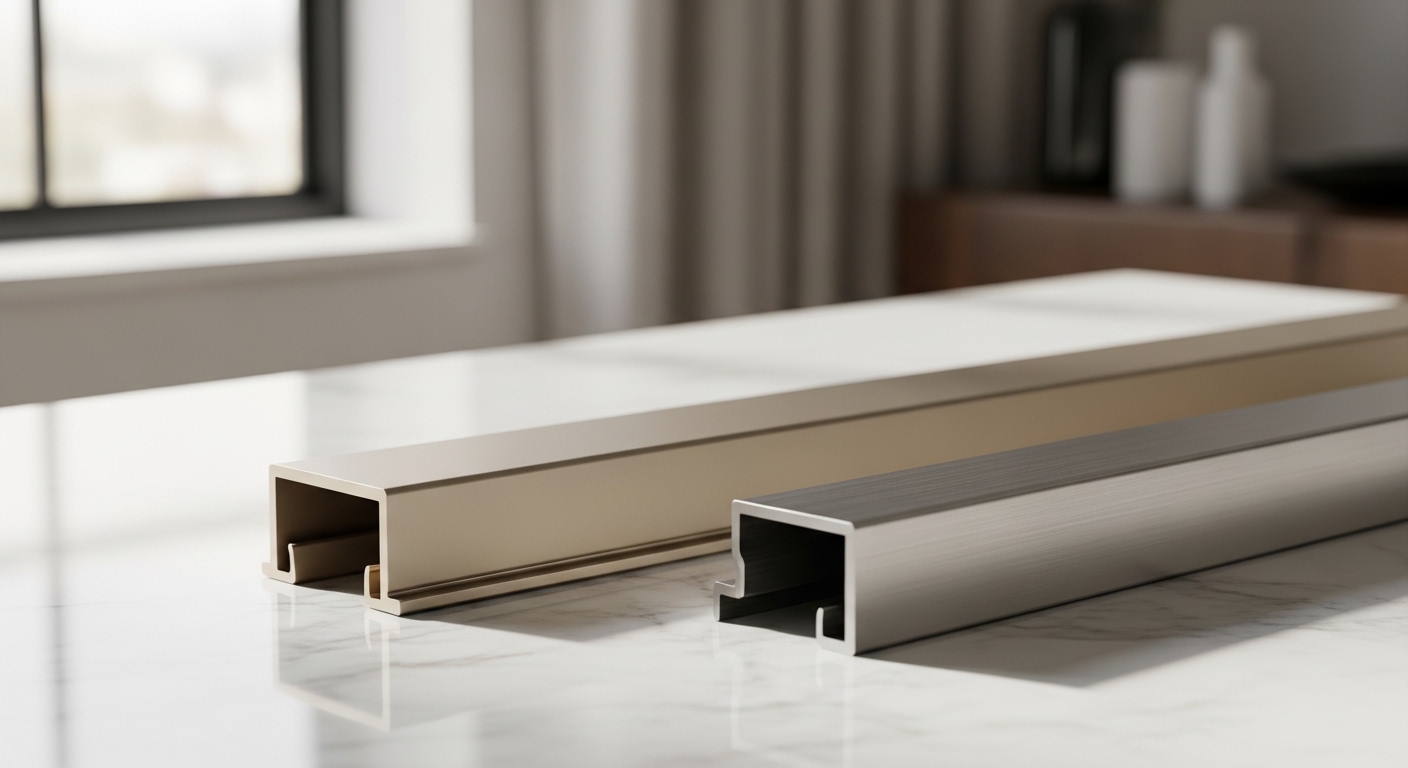
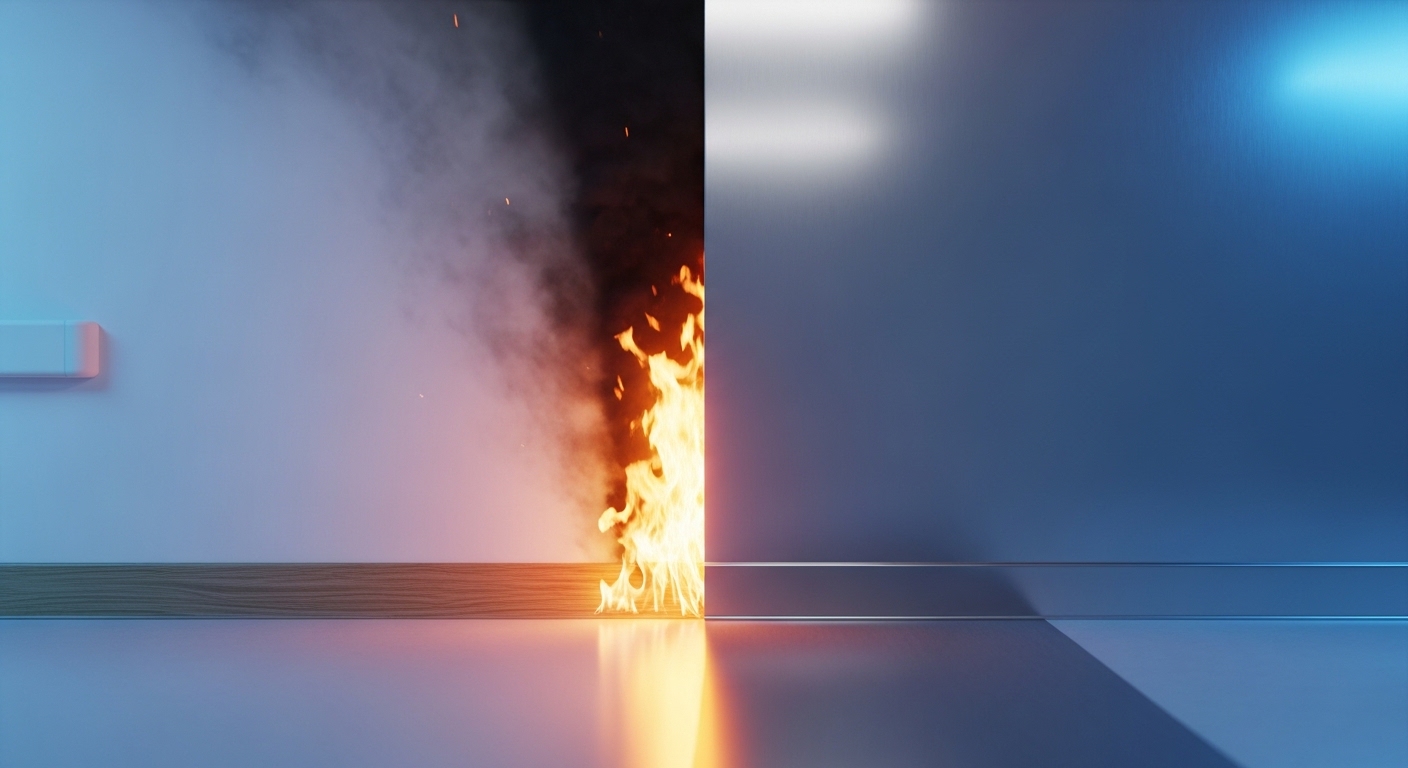
While interior baseboards and plinths are not load-bearing structural members, their material composition critically impacts the overall “fire load” (the total amount of combustible material) within a compartment. Traditional solid wood, engineered particleboards, and MDF are highly combustible. When exposed to the extreme heat of a developing fire, the formaldehyde-based resins and glues within engineered wood trims ignite rapidly, significantly accelerating flame spread while simultaneously off-gassing dense, toxic, and highly noxious smoke. Conversely, metals such as aluminum and stainless steel are inherently non-combustible. They will not ignite, they will not add fuel to the fire, and they do not emit toxic smoke, making them an essential component in a holistic passive fire protection strategy.
Defend-in-Place Strategies for Group I-2 Healthcare Facilities
The critical necessity of non-combustible interior architecture is most rigidly enforced in healthcare environments. Under the classifications of the IBC, hospitals, nursing homes, and intensive care facilities are categorized as Group I-2 occupancies. This designation applies to structures providing 24-hour medical care to individuals who are physically incapacitated, on life support, or otherwise incapable of self-preservation during an emergency.
Because evacuating critically ill patients down stairwells during a fire event is logistically impossible and medically catastrophic, hospitals cannot rely on standard evacuation protocols. Instead, they mandate a “defend-in-place” fire safety strategy. Defend-in-place engineering requires that the building itself act as an impenetrable shield. It necessitates Type I-A or Type I-B construction, which mandates that the primary structural frame maintain a 2-hour to 3-hour fire-resistance rating.
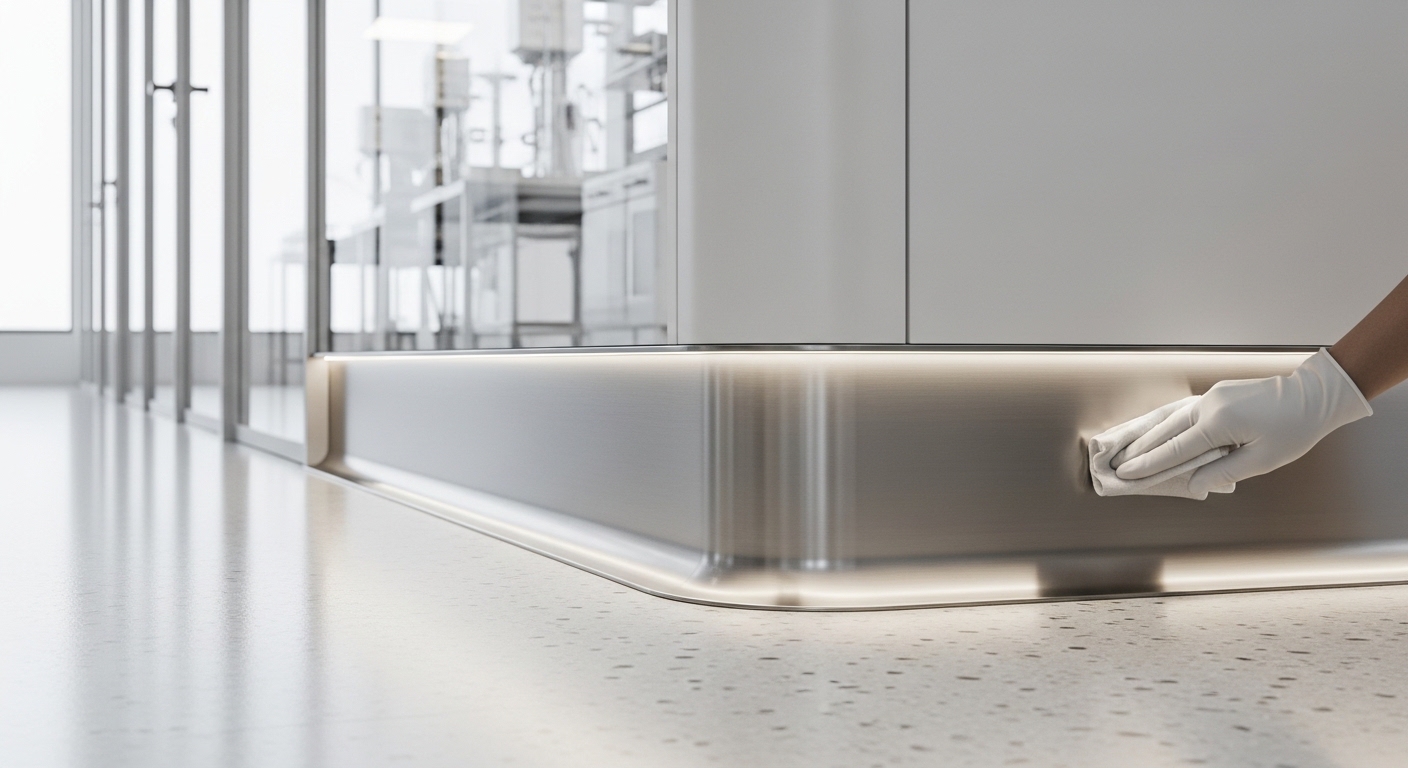
Crucially, defend-in-place relies on aggressive compartmentalization using robust fire barriers and smoke-tight partitions, allowing hospital staff to move vulnerable patients horizontally into adjacent, fire-safe zones on the same floor, rather than evacuating them vertically. In these highly sensitive Group I-2 environments, the introduction of combustible wood, MDF, or PVC trims into the corridors or patient rooms is severely restricted. The specification of stainless steel or aluminum baseboards guarantees that the facility’s passive fire protection envelope remains completely uncompromised, ensuring zero contribution to flame spread across the floor plane.
Global Perspectives: Eurocodes vs. the IBC
While the IBC relies heavily on highly prescriptive rules regarding allowable building heights, areas, and specific material approvals based on occupancy, the European Union employs a slightly different regulatory philosophy through the Eurocodes.
The 10 Eurocodes (including Eurocode 5, which deals specifically with timber structures) provide uniform technical requirements for structural design across member states. However, unlike the IBC, the Eurocodes generally utilize a performance-based approach to fire safety rather than strictly prescribing maximum limits. In a performance-based jurisdiction, design teams have greater latitude to utilize innovative materials, provided they can mathematically model and empirically demonstrate that the building design will safely endure a specified fire event. Regardless of whether a jurisdiction utilizes the prescriptive IBC or the performance-based Eurocodes, the deployment of non-combustible metal plinths dramatically simplifies the compliance process by mathematically eliminating a significant source of combustible mass from the fire modeling equations.