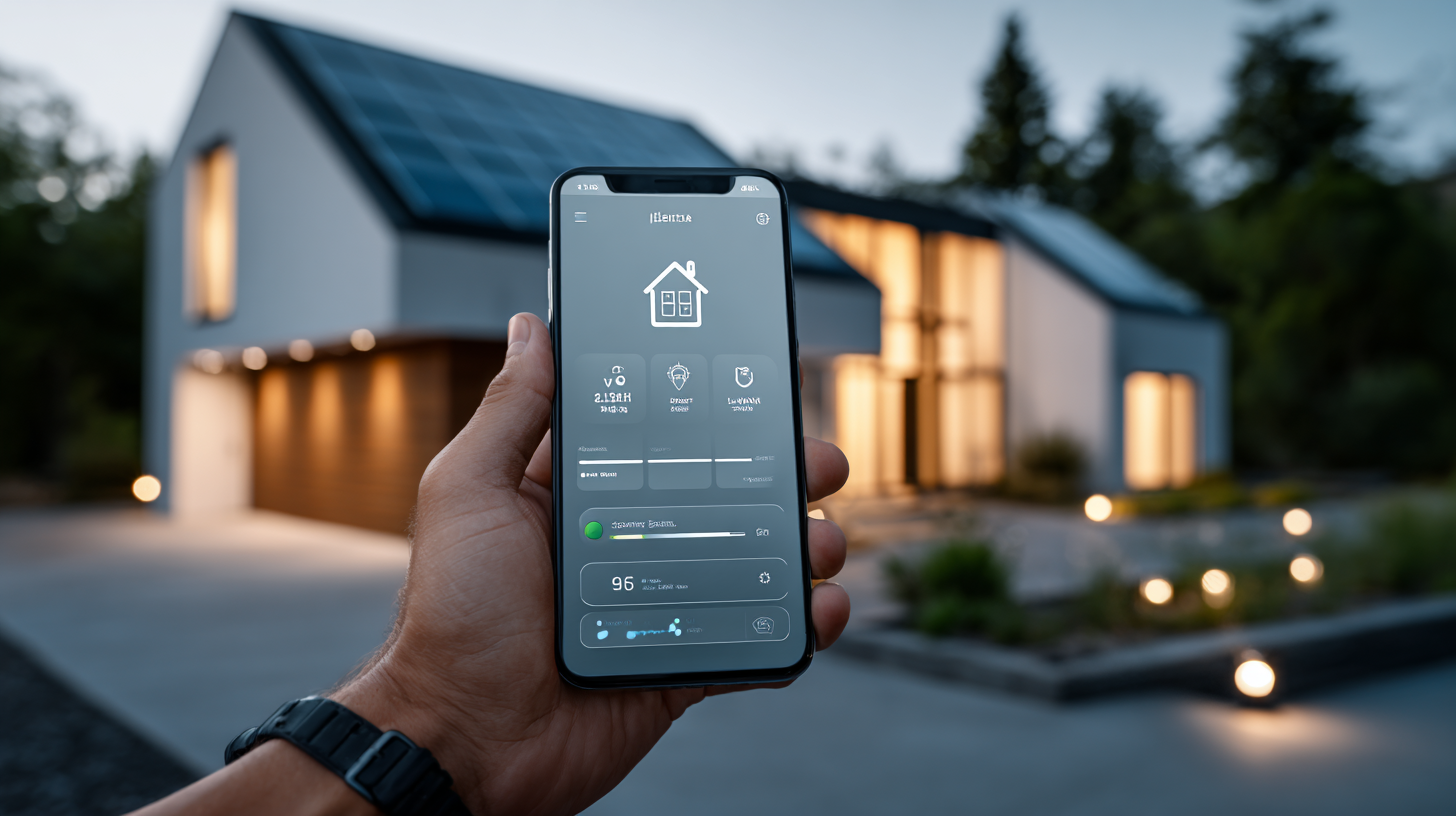
Analytical Report: Ukraine’s Energy Independence and Backup Power Systems Market (2025-2026)
Generic selectors
Exact matches only
Search in title
Search in content
Post Type Selectors

Analytical Report: Ukraine’s Energy Independence and Backup Power Systems Market (2025-2026)

December 23, 2025
7  

Comprehensive Analysis of Leading Suppliers, Technological Trends, and Consumer Sentiment

1. Introduction: Energy Security as the New Imperative of Ukrainian Society

The Ukrainian market for backup power systems and renewable energy has undergone an evolutionary transformation during 2022-2025 that took decades in other European countries. What began as a niche interest among “green” technology enthusiasts has, under pressure from geopolitical circumstances and physical destruction of energy infrastructure, transformed into a critically important sector of the national economy. As of 2025, having a backup power system in a private house or apartment has ceased to be a sign of luxury, becoming a basic security and life support requirement. This report offers a comprehensive analysis of key market players—from manufacturers and distributors to installers and retailers, revealing the deep mechanisms of industry functioning, service maintenance problems, and prospects for energy storage technology development.

1.1. Macroeconomic Context and Demand Drivers

Analysis of search queries and market activity indicates a fundamental shift in consumer consciousness. While 2022 was dominated by panic purchases of the simplest solutions (power banks, gasoline generators), 2024-2025 are characterized by a transition to systematic energy independence planning. Google Trends statistics demonstrate consistently high interest in technically complex queries such as “hybrid inverter,” “LiFePO4 battery 48V,” “solar panels price,” which correlates with blackout schedules and news about the state of the energy system. Consumers have become more educated: they understand the difference between “backup power” and full “autonomy” (off-grid), seek solutions capable of integrating with the “green tariff” or Net Billing system, and pay attention to the chemical composition of battery packs.

The economic feasibility of installing own generating capacities is reinforced by rising electricity tariffs for households and businesses. NKREKP’s decision to revise electricity distribution tariffs in 2025 became an additional catalyst for the commercial sector, which views solar power plants (SPP) not only as a security measure but also as a tool for optimizing operational costs and improving ESG indicators (Environmental, Social, and Corporate Governance).

1.2. Market Structure: From Chaos to Crystallization

Ukraine’s market has clearly segmented into three main groups of players, each playing its role in the value creation chain:

  1. National Distributors and Manufacturers: Companies that form inventory, ensure official imports and warranty support (for example, LogicPower, Atmosfera).
  2. Engineering Companies (EPC Contractors): Players specializing in design and installation of complex turnkey systems (Solar-Tech, Alteco, Unisolar).
  3. Specialized Retail and Marketplaces: Online platforms providing quick access to a wide range of products for mass consumers (220volt, Electro100, SolarTrade).

This structure, however, is not without internal conflicts, particularly between official supply channels and “gray” imports, which creates significant risks for end consumers in terms of warranty service.
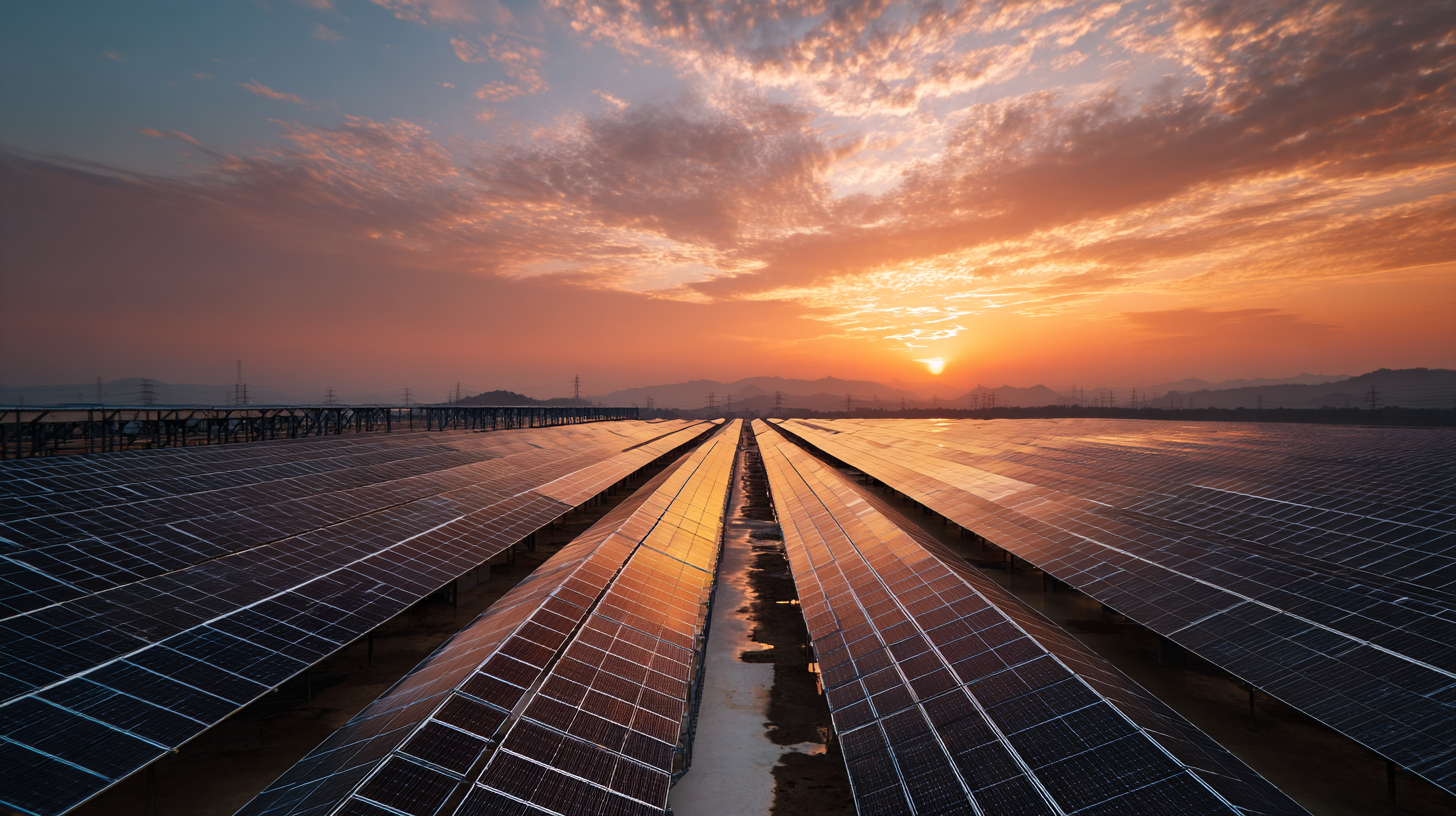
ZOV Marketing A large scale commercial solar power plant for bad9eea9 eb50 4afc 837d 759a934da2f3 3

2. Technological Landscape: Equipment Evolution

Before moving to company analysis, it’s necessary to understand what exactly they’re selling, as the technology stack determines the business specifics of each player.

2.1. Inverters: The “Brain” of the System

Ukraine’s inverter market has experienced a “Chinese expansion.” While previously the premium segment was occupied by European brands (Fronius, SMA), now the undisputed leader in the hybrid solutions niche for households is the Deye brand. Its popularity is driven by a unique ability for Ukrainian realities to flexibly work with a “weak” grid, diesel generators, and various types of batteries. Companies that managed to become official Deye partners (for example, LogicPower, Helius) gained a significant competitive advantage.

Meanwhile, the Victron Energy brand (Netherlands) maintains positions in the complex, modular architecture segment where reliability is critical (medical facilities, elite cottages). Distributors like Vinur focus specifically on this brand, offering not just products but engineering expertise.

2.2. Energy Storage Systems: Lithium’s Victory

2024-2025 marked the final victory of lithium iron phosphate (LiFePO4) batteries over lead-acid (AGM/GEL) in the household segment. Search queries and the assortment of leading stores (Prel.prom.ua, LogicPower) indicate that consumers are willing to pay a higher initial price for a 6,000-cycle lifespan, understanding that under frequent blackout conditions, AGM batteries degrade in one season. The most popular brands are Pylontech (due to modular compatibility with most inverters) and importers’ own trademarks (for example, LogicPower batteries).

3. Detailed Analysis of Key Market Players

3.1. LogicPower: Mass Market Giant

Company Overview: LogicPower is one of the most recognizable brands in Ukraine’s power electronics market. Positioning itself as a manufacturer and major importer, the company covers a wide spectrum of needs—from small household electronics to powerful industrial solutions.

Strategic Advantages:

  1. Assortment Matrix: The company’s catalog is impressive in its depth. They offer backup power kits for any scenarios: from powering routers to ensuring elevator autonomy in high-rises and traffic light facilities. This indicates deep integration into cities’ infrastructure projects.
  2. Partnership with Deye: Obtaining official Deye partner status in Ukraine in January 2025 was a strategic success for the company. This allowed LogicPower to offer the market certified hybrid inverters with official warranty, closing one of clients’ biggest “pain points”—fear of expensive equipment failure.
  3. Corporate Maturity: The company actively works on reputation, joining the UN Global Compact and conducting rebranding. This signals a transition from a “buy-sell” model to building a sustainable brand with a long-term strategy.

Customer Experience: Despite its mass scale, LogicPower attempts to maintain a high level of service, having its own service centers in Odesa and Kolomyia. However, the scale of operations sometimes leads to logistical delays, although an extensive dealer network partially compensates for this shortcoming.

3.2. Atmosfera: Ecosystem Architect

Company Overview: Atmosfera occupies a unique niche, acting not just as a distributor but as a center of competence. The company focuses on the B2B segment, developing a network of installer partners whom it trains and certifies.

Key Features:

  1. Educational Mission: Atmosfera invests significant resources in market education. Their “Atmosfera School” for installers raises the overall level of technical literacy in the industry. This creates loyalty among professionals who prefer working with equipment they know well and can receive qualified support for.
  2. Premium Portfolio: The company is a Tier-1 equipment supplier (highest rating of solar panel manufacturers), making it the number one choice for large commercial and government facilities. Among their case studies are Kyiv-Mohyla Academy and the “Dobrobut” clinic network.
  3. Rating Leadership: In independent ratings of installation companies, Atmosfera consistently ranks first (100 points in the 2025 rating), confirming its reputation as a reliable partner.

3.3. Solar-Tech: Practitioners “in the Field”

Company Overview: Solar-Tech is a classic engineering company specializing in direct installation of solar power plants for private households, predominantly in the Kyiv region.

Strengths:

  1. Comprehensive Approach: The company’s unique offering is combining roofing repair services with solar panel installation. This solves a common client problem when an old roof isn’t ready for the load, allowing all work to be ordered from one contractor.
  2. Portfolio of Completed Projects: The company actively demonstrates its facilities (autonomous stations in Bucha, hybrid systems in Kyiv), building trust through proof of competence.

Problem Areas (Review Analysis):

Client review analysis reveals a serious problem with after-sales service. There are documented complaints that warranty replacement of equipment (for example, SolarEdge inverters) can take weeks or even months, while clients are forced to pay for technician work for dismantling and re-installing warranty equipment. This is a typical problem for a rapidly growing market: sales departments work efficiently (rating 4.5/5), but service departments can’t keep up with the volume of installed base.

3.4. Unisolar: Industrial Scale

Company Overview: Unisolar is an international player with offices in Ukraine, Moldova, and Lithuania, specializing in industrial solar power plants (SPP).

Offering Specifics:

  1. Cross-Border Experience: Experience building megawatt stations in Europe allows Unisolar to transfer high quality and design standards to the Ukrainian market. They offer turnkey solutions for businesses, emphasizing financial return on investment (ROI) indicators and legal support.
  2. Service as a Product: Unlike small installers, Unisolar highlights service maintenance (O&M) as a separate business direction. This is critically important for industrial clients, where each day of station downtime means direct financial losses. SPP owner reviews (for example, “Vodotyy”) confirm the high quality of their service support.
  3. Industrial Scale for Home: Although the company’s main focus is B2B, their offerings for private households differ in using industrial methodologies for calculating generation and reliability, attracting affluent clients seeking uncompromising quality.

3.5. Alteco: Energy Efficiency and Innovation

Company Overview: Alteco (Alteco Group) positions itself as an expert in comprehensive energy efficiency, going beyond simple “hardware” sales.

Unique Offerings:

  1. Integrated Solutions: The company offers a combination of solar energy with heat pumps and autonomous heating/cooling systems. This approach allows creating Active House concept buildings that produce more energy than they consume.
  2. Pricing Transparency: Unlike many competitors, Alteco publishes indicative prices for typical solutions (for example, 5 kW, 10 kW, 30 kW kits) on its website, simplifying the decision-making process for clients.
  3. Warranty Policy: The company clearly declares warranty terms: from 1 to 5 years on inverters with the possibility of extension and, importantly, offers a “hot swap” equipment service during repairs. This is a critical advantage for businesses and individuals who cannot afford to be without electricity during service procedures.

4. Retail and E-Commerce: Battle for the Customer

Besides engineering companies, a significant market share is occupied by specialized online stores providing equipment accessibility for the general public.

Company Business Model Strengths Weaknesses
220volt Electrical equipment aggregator Huge assortment, 24/7 order acceptance, logistics throughout the country Problems with product returns, bureaucratic warranty procedure, dependence on third-party service centers
Electro100 Service-oriented retail High manager qualifications (personalized approach), own stabilizer brand (ALTA), positive speed reviews Smaller scale compared to giants, focus on western region and stabilizers
SolarTrade Brand trader Access to popular brands (Pylontech, EcoFlow), active presence on marketplaces (Prom.ua) Problems with product availability accuracy (“phantom stock”), complaints about price increases after ordering
Avtonom Content marketing and sales Strong educational component (articles, guides), focus on DIY segment and enthusiasts Interface and approaches may seem less modern compared to large marketplaces

4.1. The Electro100 Phenomenon: Humanity in Technical Business

Review analysis of Electro100 reveals an interesting trend: clients often mention specific managers (for example, “manager Taras,” “Sergiy”) with gratitude for consultations. In an era of automation and chatbots, competent human consultation becomes a key factor in selling complex engineering equipment. Additionally, the company develops its own product line, such as Electro100 ALTA 600R stabilizers, allowing them to control quality and margins.

4.2. Online Purchase Risks: SolarTrade and 220volt Case

Client experience with SolarTrade and 220volt illustrates typical e-commerce risks under shortage conditions. Complaints that goods “are on the website but not in stock” or “price increased by 6,000 UAH overnight” indicate market volatility. Additionally, the 220volt story where a client couldn’t return a defective stabilizer due to a complicated expertise procedure underscores the importance of choosing a seller who takes responsibility for warranty rather than shifting it to mythical “authorized centers.”

5. Technical Analysis and Pricing Policy

Understanding technical nuances and price ranges is critical for evaluating company offerings.

5.1. Popular Solution Cost Comparison

Based on data from analyzed sources, an indicative price map of the market as of 2025 can be formed:

Equipment Type Model / Characteristics Indicative Price (UAH) Comment
Pump Inverter Speroni Inverter-Easy 1.5 kW ~21,550 UAH Specialized water supply solution
Hybrid Station (apartment) 5-6 kW inverter + LiFePO4 battery 120,000 – 180,000 UAH Basic set for 4-6 hour autonomy
Solar Station (house) 10 kW (panels + hybrid + battery) ~500,000 – 700,000 UAH Full autonomy in summer, reserve in winter
Industrial SPP 100 kW “turnkey” ~2,000,000 UAH (50k €) Investment solution for business (Unisolar)
Battery Pylontech US5000 (4.8 kWh) ~55,000 – 70,000 UAH “Gold standard” of lithium battery market

5.2. Warranty Problem and “Gray” Import

The market is saturated with unofficially imported equipment. Although such inverters (especially Deye and Growatt) may be 15-20% cheaper, they often have software restrictions (Geo-lock) or lack factory support. Companies like LogicPower (official Deye partner) and Vinur (Victron) build their marketing on contrasting “officiality” and reliability against the cheapness of the “gray” market. For consumers, initial savings can result in complete loss of funds at the first malfunction, since “gray” sellers rarely have a replacement equipment fund.

6. Consumer Sentiment and Digital Trends

6.1. Search Query Analysis as an Indicator of Fear and Hope

Google Trends data for 2024-2025 shows a direct correlation between energy system shelling intensity and search queries. Top queries include “blackout schedule,” “EcoFlow,” “inverter,” “gel battery 100 amp.” This indicates that the population is in a state of constant crisis readiness.

Interesting is the phenomenon of queries for “MSEK” and “quadrobers” alongside energy terms, illustrating the complex information background in which Ukrainians live.

For companies, this means the need for flexible SEO promotion. Companies adapting content to queries like “blackout 2025” or “backup power for boiler” gain a significant advantage in organic traffic.

6.2. Reputational Risks in the Social Media Era

Facebook and YouTube activity becomes an important communication channel. Companies that ignore comments or complaints on social media (as sometimes happens with large retailers) quickly lose reputation. Instead, brands creating useful content (video reviews, connection instructions) form a loyal community. An example is LogicPower’s media space activity, which includes not only advertising but also participation in social initiatives.

ZOV Marketing A persons hand holding a smartphone with a soph 9c10f8a0 b156 4e44 9d6a 539b9af1cc64 3

7. Conclusions and Recommendations

Ukraine’s backup power systems market in 2025 is a highly competitive, dynamic, and technologically saturated environment. It has moved from a phase of spontaneous saturation to a phase of structuring and competition for service quality.

Key Conclusions:

  1. Service is the New “King”: In conditions where “hardware” is approximately the same for everyone (Chinese brands Deye, Pylontech, Must), competitive struggle moves to the plane of engineering and service. Companies capable of ensuring quick repair or equipment replacement (Alteco, Electro100) win against dumping “box” sellers.
  2. Hybridization and Autonomy: The future belongs to hybrid systems capable of generating energy, not just storing it. Rising tariffs make solar panels a profitable investment even without the “green tariff.”
  3. Officiality Matters: “Gray” import risks become unacceptable for complex systems costing thousands of dollars. Consumers will increasingly choose official distributors (LogicPower, Atmosfera) to guarantee investment security.

Recommendations for Consumers:

When choosing a supplier, one should be guided not only by price but also by the presence of an own service center, official manufacturer partner status, and reviews about warranty case resolution. For complex facilities (private houses), it’s worth contacting specialized EPC companies (Solar-Tech, Alteco, Unisolar), while for simple solutions (apartment UPS) verified retailers with good reputation (Electro100) are suitable.

Appendix: Top Company Comparison Table

Company Business Type Main Brands Target Audience Unique Selling Proposition (USP)
LogicPower Manufacturer / Distributor LogicPower, Deye Mass market, B2B, Installers Wide accessibility, official Deye partnership, own batteries
Atmosfera Distributor / Educational Center Fronius, Victron, Ja Solar Installers, large projects Partner training, Tier-1 equipment, dealer network
Solar-Tech Installer (EPC) SolarEdge, Huawei Private houses (Kyiv) “Roofing + Solar” complex, installation experience
Unisolar Installer (EPC) / Developer Industrial brands Industry, Business International experience, O&M service, ROI financial calculations
Alteco Engineering Hybrid systems Energy-efficient houses Integration with heat pumps, warranty “hot swap”
Electro100 Retail Quant, LVT, LogicPower Apartments, small business Quality consulting, fast logistics, customer-oriented
220volt Marketplace All market brands DIY, Economy segment Widest selection, price aggregator, accessibility

This report demonstrates that energy independence in Ukraine is no longer just a trend but a new way of life, served by a powerful, albeit heterogeneous, industry.

author
About the author:

A qualified expert in metal structures from the Mehbud factory. Work experience, excellent knowledge of the production process, construction market, and latest technologies allow me to assist clie...

More
0 0 votes
Article Rating
Subscribe
Notify of
guest
0 Comments
Oldest
Newest Most Voted
Inline Feedbacks
View all comments