
Warranty on metal and metal products represents quality commitments for specific products with defined timelines, conditions, and claim procedures. These conditions may vary for sheets, coatings, finished panels, and installation work. Therefore, before purchasing, it is important to clarify not only the number of years, but also who is responsible for the product, which changes are covered, and how to submit a claim.
Let’s break down what to check in the documents, how to log a defect, and why rust, a chip, or a shade shift alone does not determine the outcome of a claim review.
What exactly the warranty on a metal product covers
A single order may involve the rolled metal manufacturer, parts fabricator, seller, and installation company. Clarify who accepts customer claims and which part of the supply or work each party is responsible for. A warranty on the initial coil should not automatically be assumed to apply identically to the entire assembled structure.
- Metal base: check which properties or damage types are specified in the terms.
- Protective and decorative coating: separately clarify requirements for integrity, color, and appearance.
- Finished product: geometry, components, and other characteristics must conform to the agreed specification.
- Fasteners and accessories: find out if they are included in the supply and what obligations apply to them.
- Installation: request conditions for the performed work separately from the product terms.
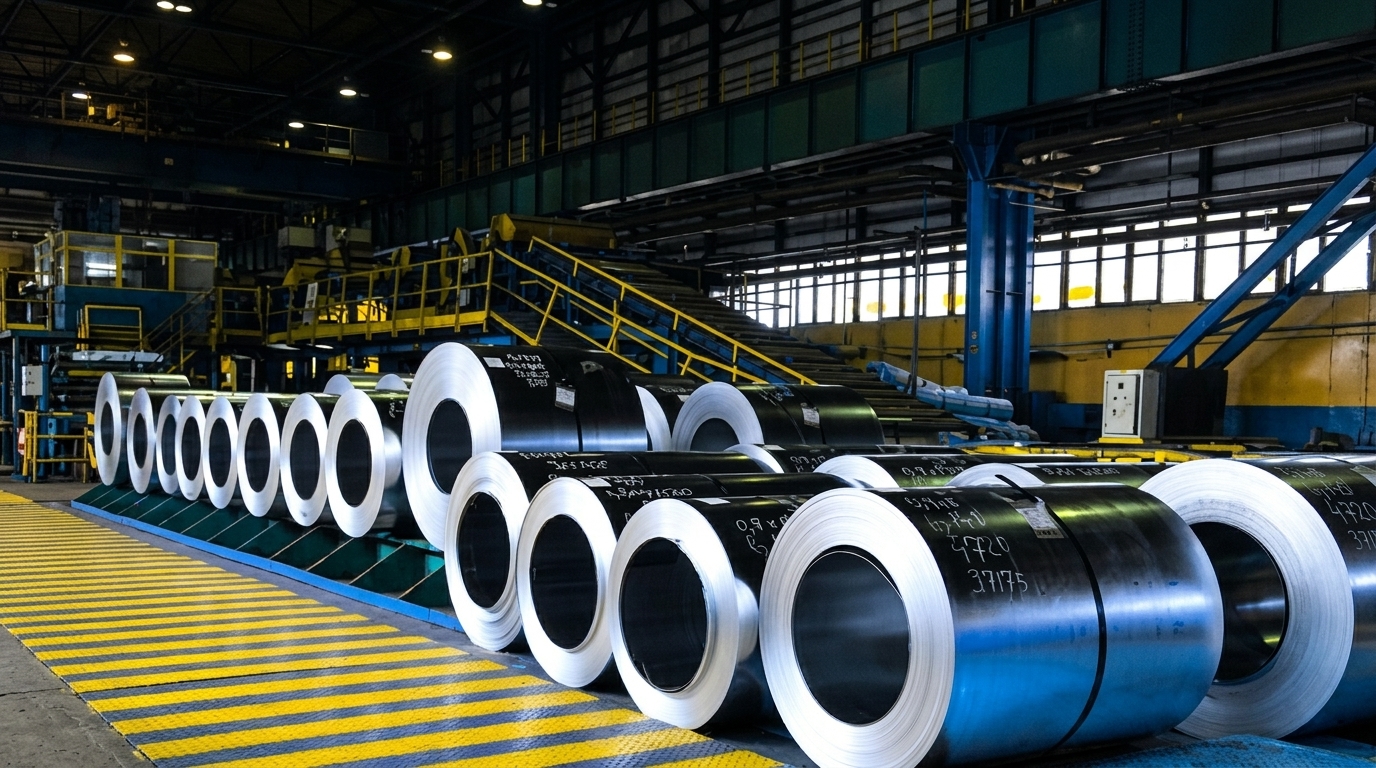
For a specific Mehbud order, request the contract, specification, warranty terms, and handling instructions for the chosen product. This article explains how to inspect documents; it does not set a uniform warranty period or list of exclusions for all factory products.
How the warranty period differs from service life
The warranty period determines the validity timeframe of the relevant obligations. Service life describes the intended operational use of the product and is not automatically equal to the warranty period. A promise of “long service life” without specific terms does not explain what happens when a flaw is discovered.
Technical and aesthetic warranty obligations can also differ. For example, Ruukki specifies technical and aesthetic warranties separately for its roofing product classes. This is an example of another manufacturer’s terms structure, not the timelines or rules for Mehbud products.

Before purchasing, check the starting date of the term, product identification, application conditions, and claim filing method. For the coating, clarify what changes are being addressed: perforation corrosion, peeling, color change, or other signs. These concepts must not be substituted with the single word “rust.”
Which defects need to be logged
Apparent flaws can be detected during standard acceptance or inspection. Hidden defects may appear later and might not be revealed during routine acceptance checks. Not every hidden defect requires an expert inspection just to prove its existence; an investigation may be needed to determine the cause.
The following signs are a reason to check supply compliance and request a review, rather than a definitive list of automatically accepted warranty cases.
| What was detected | What to compare and retain |
|---|---|
| Deviation in size or shape | Specification, drawing, tolerances, and measurement results. Photograph the part and the measurement method. |
| Chips, cracks, coating peeling | Location, area, and date of discovery; photos before and after transport or installation, if available. |
| Corrosion | Front surface, edge, hole, or contact zone; coating condition and operating conditions. |
| Shade mismatch or uneven color change | Agreed sample, color code, batches, part orientation, and photographs taken under comparable lighting. |
| Dents and scratches | Packaging, damage location, discovery moment, and acceptance documents. |
Screen colors and photos under different lighting do not replace an agreed physical sample and evaluation method. Similarly, a noticeable size deviation must be compared against order requirements and tolerances, not just subjective impressions.
How storage, transport, and installation affect claim reviews
Damage can occur at various stages: during manufacturing, packaging, transportation, storage, installation, or operation. The cause of a specific flaw and its related conditions are what matter for review, rather than just a note stating “rules violated.”
It cannot be universally claimed that any chip voids all obligations for an entire order. Likewise, not all corrosion can automatically be considered a manufacturing defect. The issue is evaluated taking into account documents, circumstances, and applicable legal requirements.
- Check instructions on cargo support, securing, edge protection, and coating protection during transport.
- Comply with storage location, packaging, drainage, and ventilation requirements specified for the product.
- Clarify allowed cutting, fastening, and coating repair methods.
- Keep records of inspections and maintenance if required by instructions or delivery terms.
The GreenCoat steel maintenance instructions cover environmental impacts, regular inspections, cleaning, coating damage, and edge corrosion. This confirms the importance of caring for a specific coating system, but it does not establish warranty rejection rules for Mehbud.
For cut edges, drilled holes, contacts with other materials, and aggressive environments, clarify application terms separately. Do not transfer warranty exclusions of one coating type to all galvanized or painted metal.
How to submit a quality claim for a metal product
- Find order documents. Prepare the contract or proof of purchase, specification, delivery note, warranty document, and batch information, if available.
- Log the condition. Take an overall photo of the product, close-up photos of the defect, and a picture of the marking. Note the discovery date, installation location, and nature of the changes.
- Describe the circumstances. Note when the goods were received and installed, how they were stored and maintained, and when the defect became noticeable.
- Submit a written claim. Include the order number, defect description, and desired remedy. Ask for confirmation of receipt and the procedure for further review.
- Coordinate inspection and next steps. Keep evidence intact prior to any repair or dismantling. If urgent protective measures are required, document the initial state and coordinate them as far as possible.
The State Service of Ukraine for Food Safety and Consumer Protection, in its clarification on product defects during warranty periods, details written claims and the distinction between standard defects and major defects. For a specific scenario, buyer status, contract type, and defect context matter: B2C retail purchases for personal use and B2B commercial supplies must not be confused.
Repair, replacement, price reduction, or refund are not identical automatic outcomes of every claim. The available remedy is determined by applicable regulations and specific case conditions. If the cause is disputed, an assessment or expert examination may be required; its procedure, payment, and evaluation of findings should be clarified separately.
Buyers should not be expected to prove manufacturer fault on their own in every scenario. The relevance of a warranty for shifting the burden of proof can be seen, for example, in the Supreme Court ruling of December 13, 2019, case No. 904/5002/18. This is an example of a specific dispute review rather than a ready-made resolution for every order. In case of a dispute over rights, deadlines, or rejections, seeking legal advice based on your specific documents is advisable.
What to clarify about the warranty before ordering
- Which specific products, coatings, fasteners, and services are covered.
- Who grants obligations and handles incoming claims.
- What timelines apply and from which event they are calculated.
- Which coating changes are evaluated and by what criteria.
- What transportation, storage, installation, and maintenance terms apply.
- What documents are needed for product identification and claim filing.
- How inspections, repairs, dismantling, delivery, and related costs are agreed upon.
Obtain written terms alongside the specification of the chosen product. When preparing a purchase, refer to the online building materials selection checklist. Warranty documents and contracts should be read together with applicable standards: a general article does not replace an evaluation of a specific dispute.
Frequently asked questions about metal warranties
Is the warranty on metal equal to the warranty on a finished facade or fence?
Not automatically. Clarify the scope of obligations: raw material, coating, manufactured product, hardware, and installation may have different terms.
Is any color change a warranty case?
There is no universal answer. You must compare the type of change with coating terms, agreed samples, evaluation criteria, and operating conditions.
Can I submit a claim if a defect is found after acceptance?
Late discovery alone does not explain the cause of the defect or the outcome of the claim. Log the defect, gather documents, and check applicable deadlines and review procedures.
Related articles
Where to buy a plot for building a house
Where to find ads and land auctions, and how to filter out plots that are not suitable for building a house.
Sheet Metal Pricing: What Makes Up the Cost
Breaking down the cost of sheet steel and finished parts: base material, coatings, weight, processing, and delivery. Key parameters to compare before placing an order.
How to Choose Building Materials Online: A Checklist
Checklist for buying building materials online: product requirements, documents, seller verification, total delivery cost, and batch inspection.