1. Introduction
1.1. Research Context and Market Situation
In the context of large-scale infrastructure reconstruction and strengthening requirements for building energy efficiency, Ukraine’s thermal insulation materials market is undergoing structural transformation. The ventilated facade (VF) sector demonstrates steady growth, driven by the need to modernize housing stock, improve fire safety of public buildings, and reduce operational heating and air conditioning costs. According to market data analysis, VF technology is becoming dominant in the high-rise construction and commercial real estate segments, displacing traditional “wet” insulation methods due to all-season installation capability and durability.
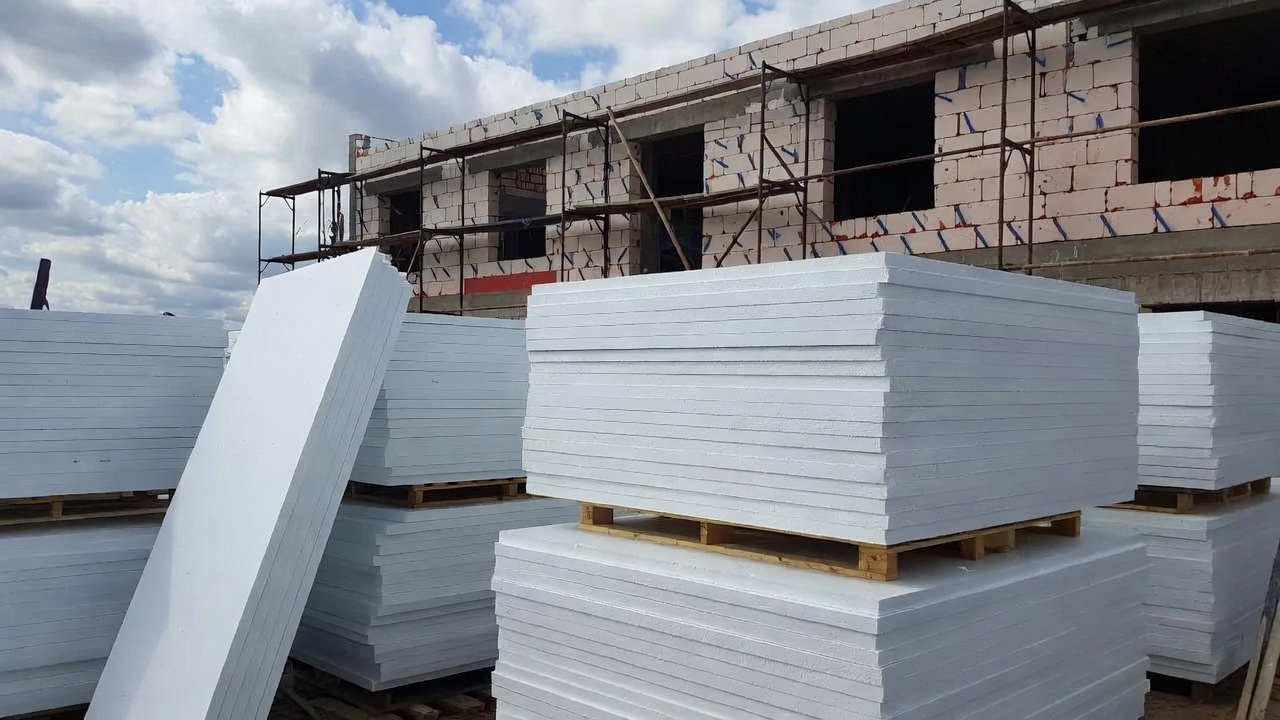
This report presents a comprehensive analytical study covering key market players—mineral wool manufacturers, official distributors, and fastening system suppliers. The research focus is on basalt fiber-based products, which, unlike foamed polymers, meet strict fire safety standards (NG class—non-combustible materials).
1.2. Technological Essence of Ventilated Facades
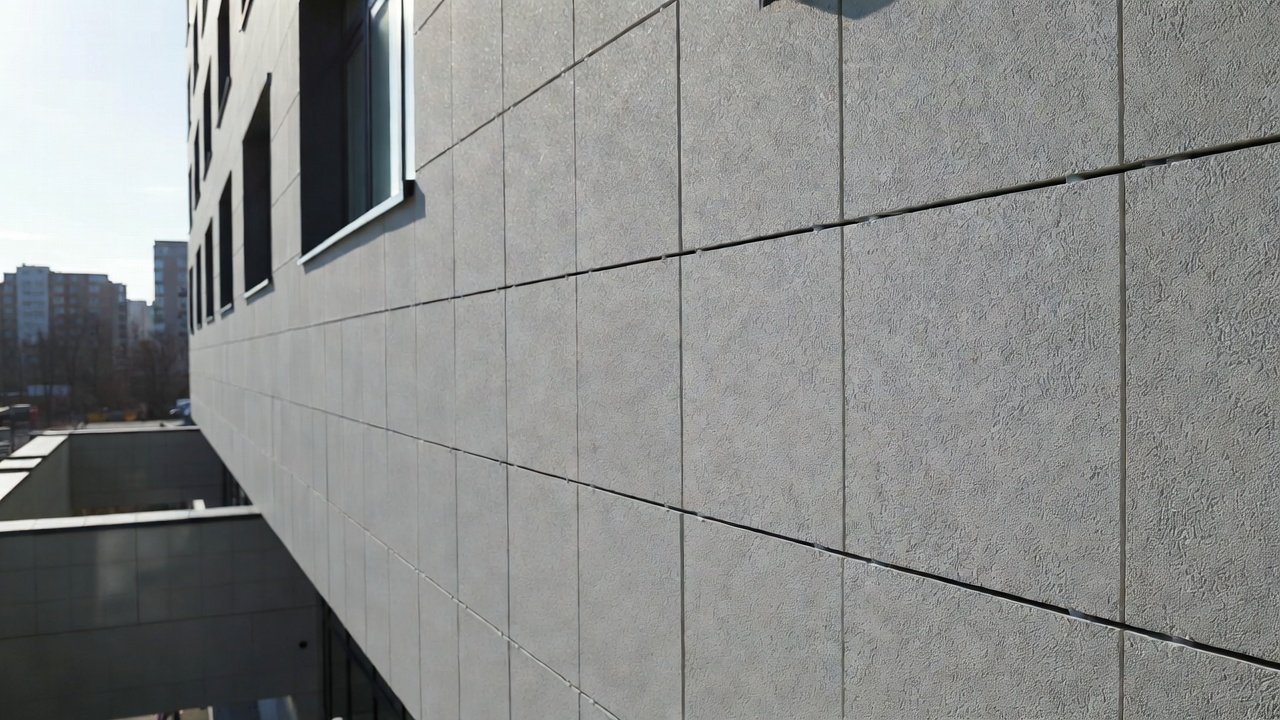
The ventilated facade system is a complex engineering structure whose efficiency is based on heat and mass transfer physical processes. The key difference between VF and other insulation methods is the presence of an air gap between the thermal insulation layer and the protective decorative screen. This gap functions as a “temperature buffer” and a channel for removing diffusion moisture.
As stated in manufacturers’ technical documentation, a correctly designed system ensures:
- Winter heat loss reduction: Minimization of thermal bridges through the use of brackets with thermal breaks and continuous insulation contour.
- Summer overheating protection: The cladding screen reflects solar radiation, and the ascending air flow in the gap removes excess heat, reducing the load on air conditioning systems.
- Moisture removal: Due to pressure differences, air circulates in the ventilation gap from bottom to top, extracting water vapor that diffuses through load-bearing walls. This prevents moisture condensation in the insulation thickness (dew point shift) and mold formation.
1.3. Fire Safety Regulatory Requirements
Ukrainian building codes (DBN V.1.1-7:2016 “Fire Safety of Construction Objects”) establish strict limitations on facade material combustibility. For buildings over 26.5 meters high (conditional height of 9 floors), as well as for educational, medical, and public facilities, the use of combustible insulation is prohibited. This is why basalt-based mineral wool (stone wool) is the only alternative material for VF in the high-rise segment. It can withstand temperatures over 1000°C without fiber melting, preventing fire spread and toxic smoke formation.