1. Introduction: Architectural Renaissance and Construction Challenges of Contemporary Kyiv
1.1. New Paradigm of Ukrainian Design in Times of Global Change
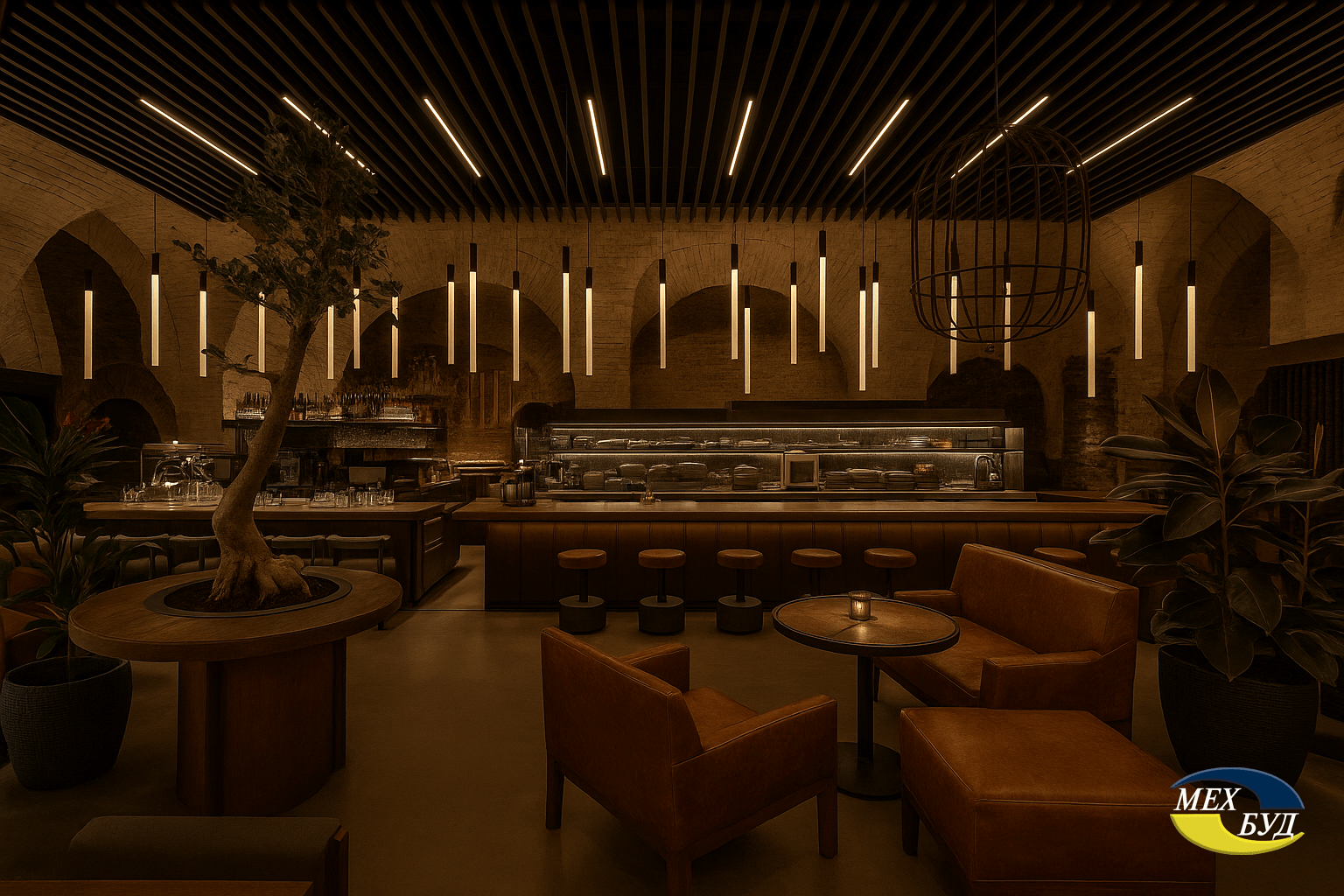
Kyiv’s architectural landscape is undergoing an unprecedented transformation. If just a decade ago the restaurant sector was oriented toward imitating Western models or exploiting kitschy ethnicity, today, in 2024-2025, we are witnessing the birth of authentic, mature, and technologically sophisticated Ukrainian design. This report, resulting from deep market analysis, focuses not on gastronomic indicators but on restaurants as objects of capital construction, examples of complex engineering, and monuments of interior art.
A modern high-class restaurant in Ukraine is not just a place to eat. It’s a complex engineering system integrated into the city’s fabric. Leading architectural bureaus such as YOD Group, YODEZEEN, Balbek Bureau, and Makhno Studio today solve problems that go far beyond decoration. They work with the revitalization of industrial zones, adaptation of historical monuments from the 18th-19th centuries, and creation of energy-efficient autonomous spaces under conditions of unstable energy supply.
1.2. The Role of Innovative Construction Materials and Engineering
The importance of contemporary design for commercial establishments, particularly premium-segment restaurants, cannot be overestimated. The interior becomes part of the brand, a marketing tool, and a factor determining profitability. However, behind the visual aesthetics stands the “skeleton” — construction structures, ventilation systems, acoustic solutions, and facade systems.
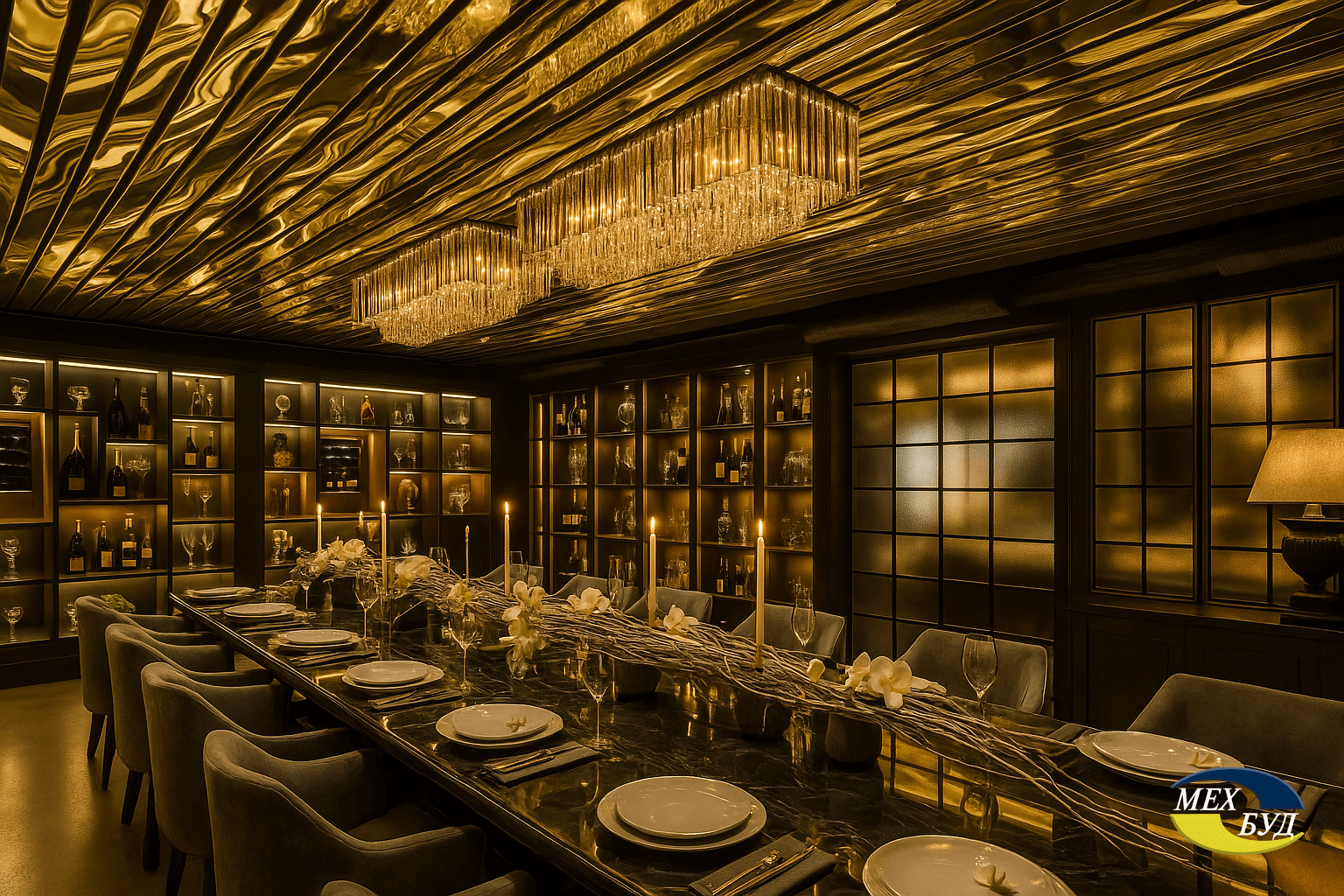
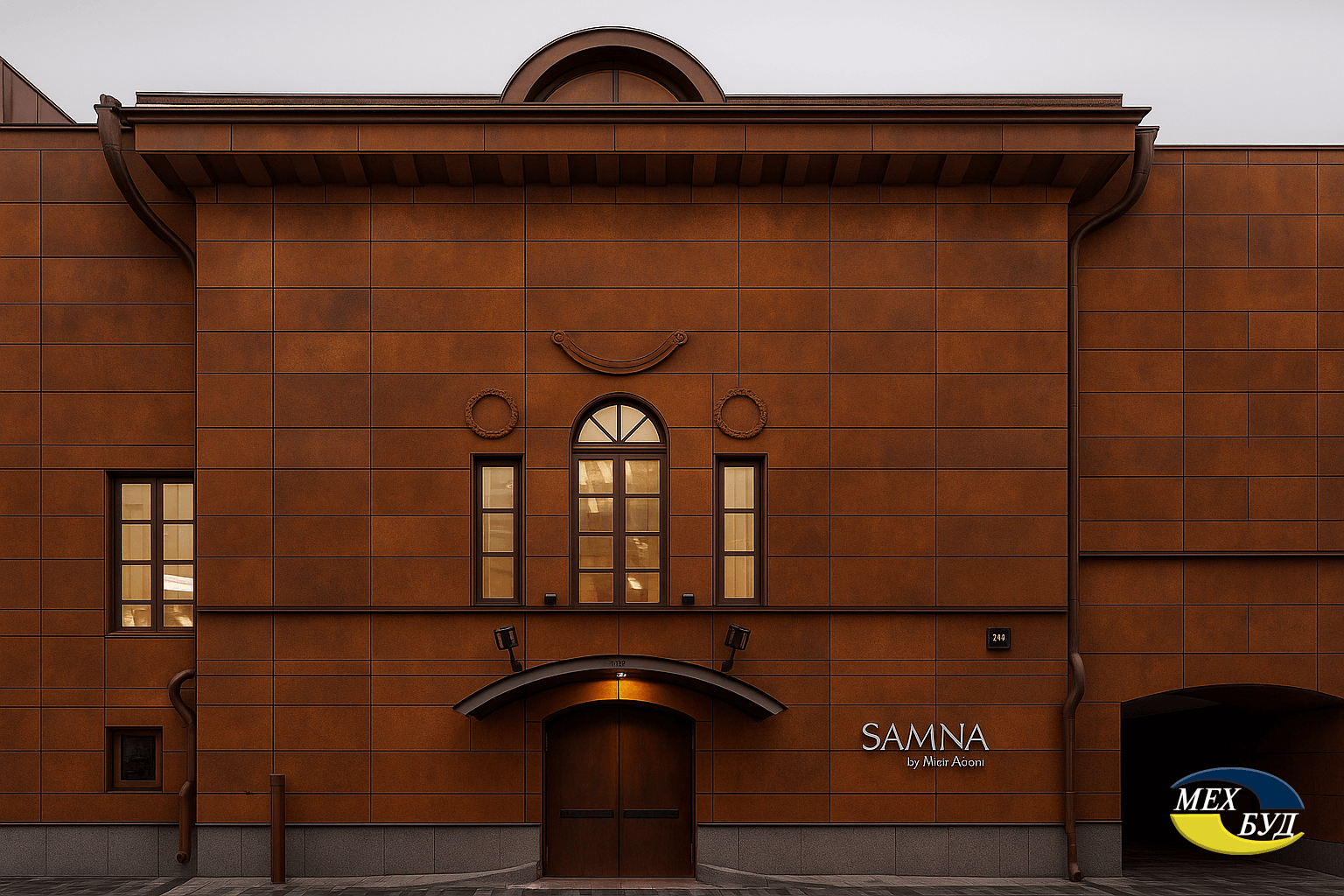
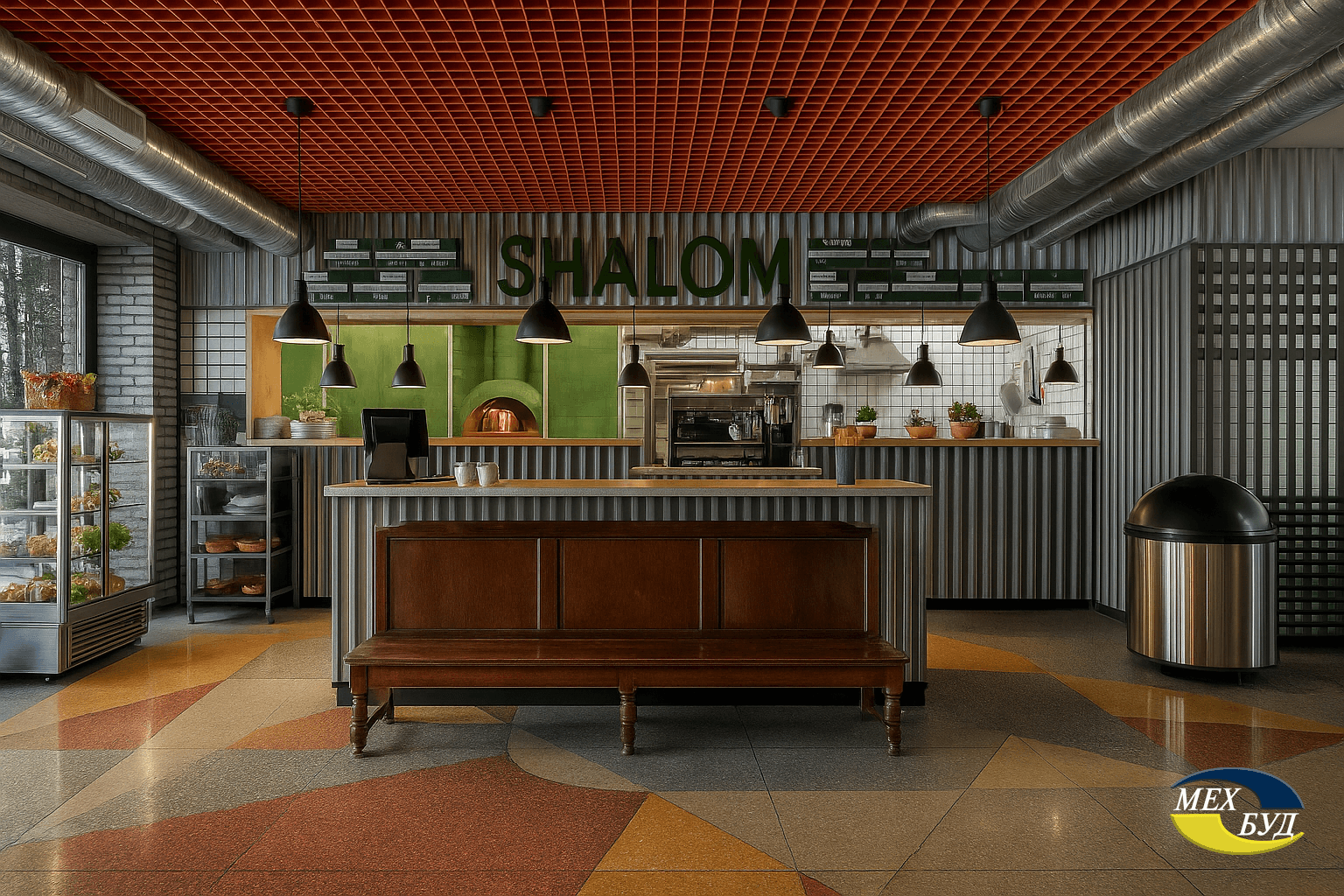
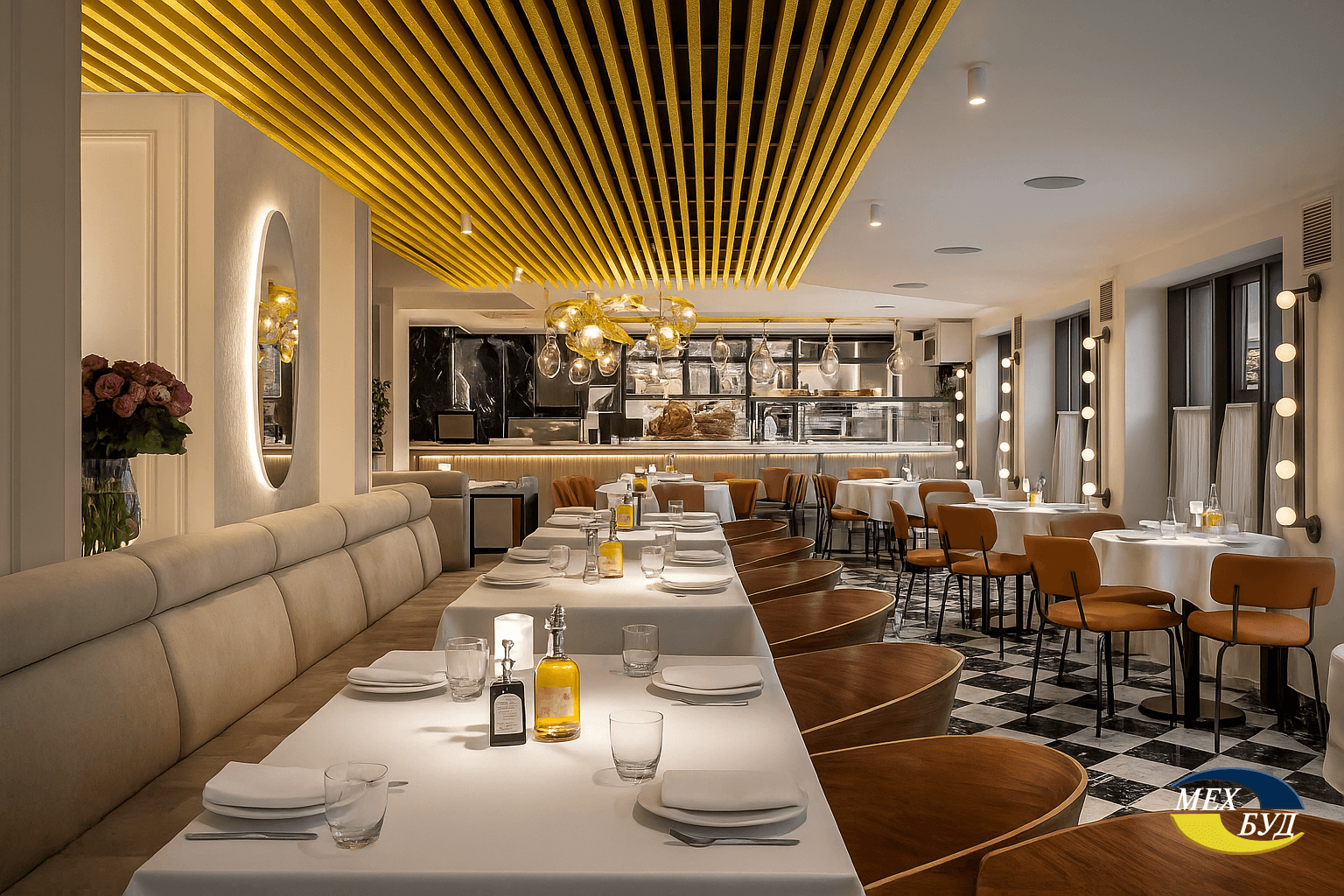
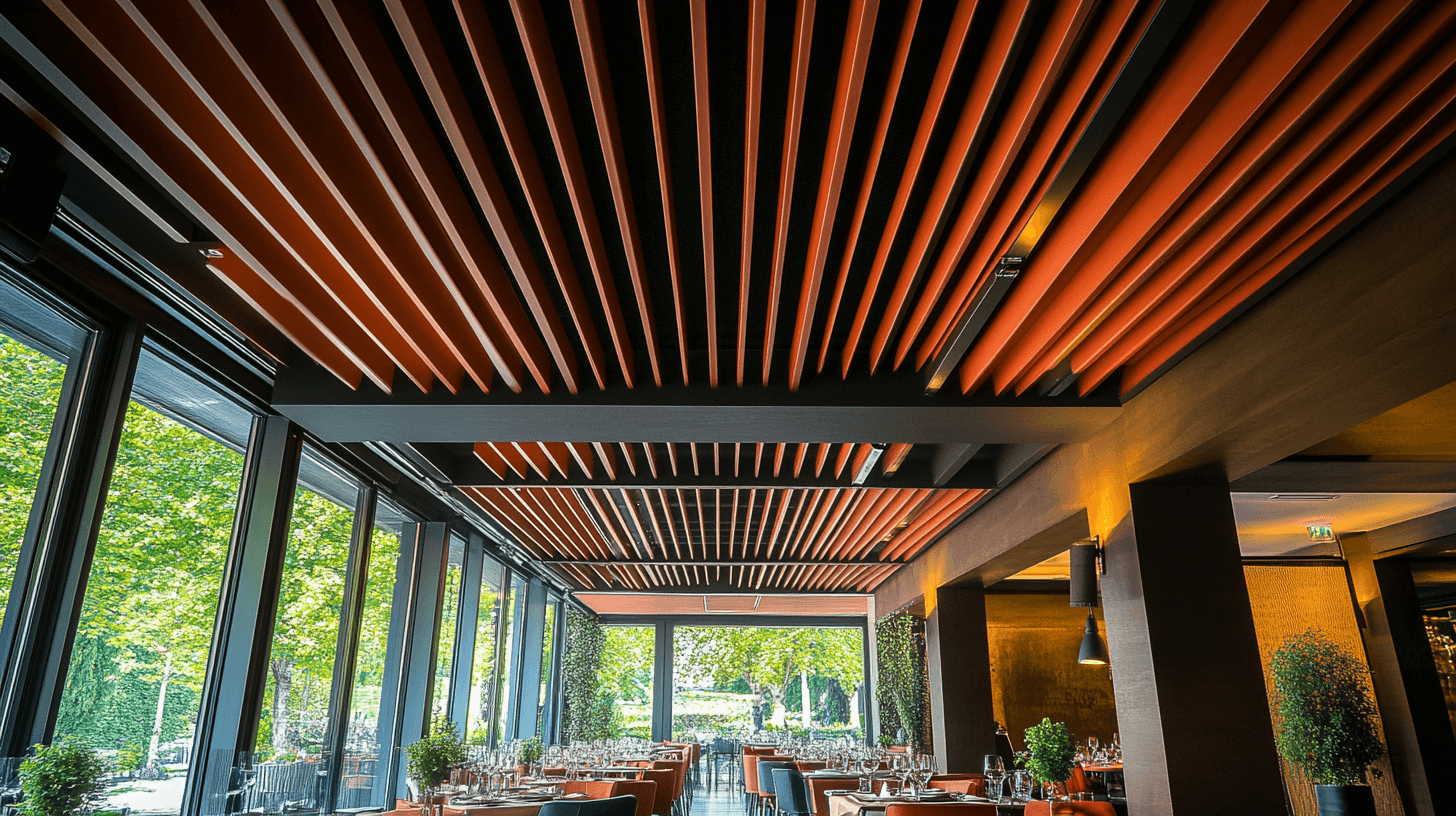
This is where producers of high-tech solutions, such as the “Mehbud” factory, enter the stage. Their specialization in metal structures — from ventilated facades to complex ceiling systems (cube-shaped rails, grilyato) — allows architects to realize bold ideas while ensuring durability, fire safety, and operational reliability. Metal, as an “honest” material, fits perfectly into the dominant loft, industrial, and minimalism styles, offering not only visual appeal but also reliable anti-corrosion protection thanks to modern polymer coatings.
1.3. Ranking Methodology
This report is based on comprehensive analysis including:
- Architectural value: complexity of working with space, respect for historical context.
- Engineering complexity: solutions in ventilation, acoustics, and lighting.
- Material science: use of innovative and ecological materials.
- Social impact: the role of the object in shaping the urban environment.