
Galvanic corrosion is the accelerated degradation of one of two electrically connected metals or alloys when their electrochemical potentials differ and both surfaces are in contact with a common electrolyte. In a facade assembly, this electrolyte can be a film of rainwater or condensation. To reduce the risk, compatible materials are selected, isolated if necessary, and water is drained.
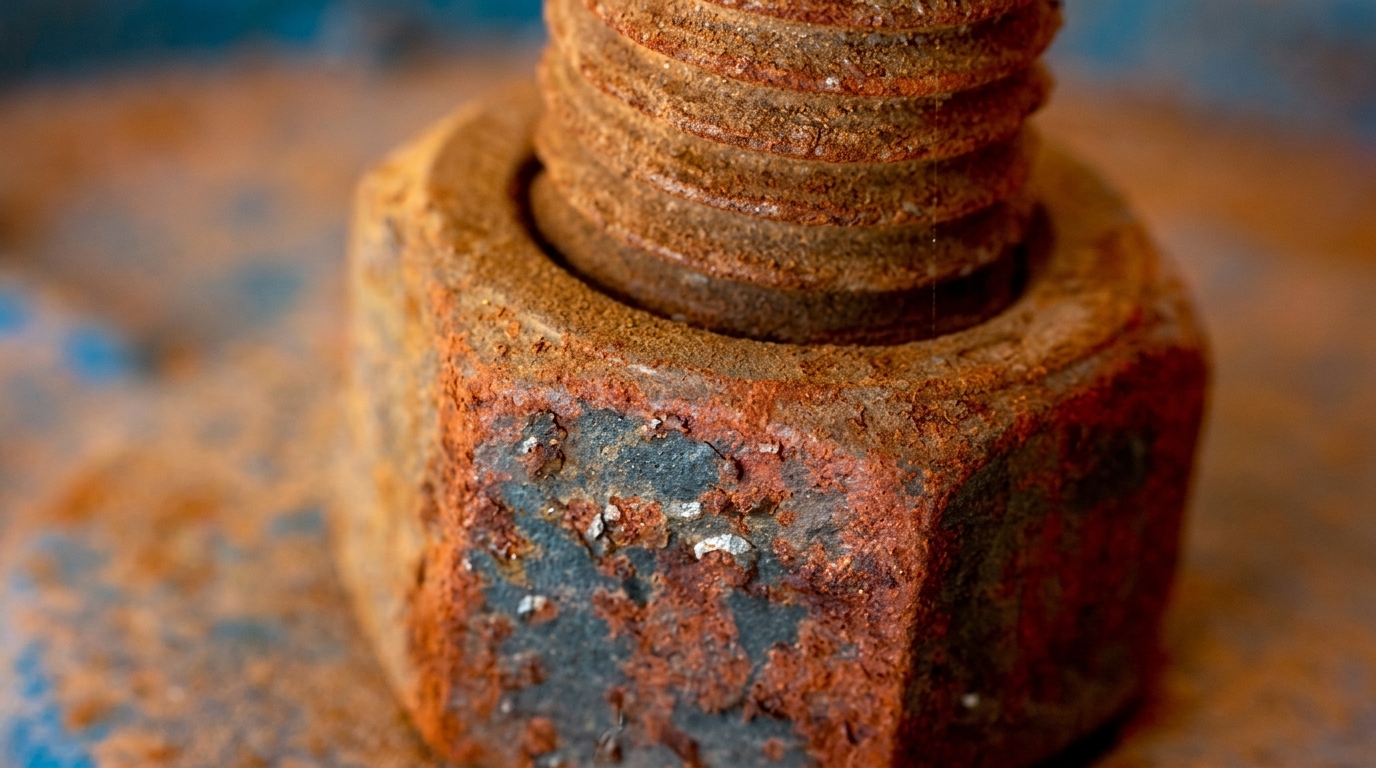
How galvanic corrosion occurs
The formation of a galvanic couple requires a potential difference in a specific environment, an electrical connection between the parts, and an electrolyte that wets both surfaces. The more active metal becomes the anode and dissolves faster. A different reaction occurs at the cathode, such as the reduction of dissolved oxygen. Electrons move through the metallic path, while the current in the water film is carried by ions.
The ratio of wetted areas is important. When a small anodic area is connected to a large cathodic surface, degradation can concentrate on this area. For example, in a wet assembly, a small galvanized fastener on a large stainless steel part may lose its zinc coating faster. The rate is also affected by salts, the duration of wetting, and the condition of the coating. American Galvanizers Association Technical Guide.
The zinc layer on steel utilizes this mechanism to protect the substrate near small coating damages. The zinc reserve is gradually depleted. Read more about its properties in the article about zinc and steel galvanizing.
Which combinations to check in a facade assembly
- Galvanized fastener and stainless steel part. Check what area of each metal will be wetted. In an area of regular wetting, a small galvanized element requires special attention.
- Stainless steel fastener and aluminum panel. This combination is used, particularly when the fastener has a small wetted area. Local corrosion of aluminum near the hole is still possible, especially with prolonged wetting or salt deposits. Verify the specification of the entire system. ASSDA Technical FAQ.
- Copper next to galvanized steel or aluminum. Check direct contacts and the runoff path. Water from a copper element can carry copper compounds and accelerate the corrosion of downstream metals. Divert runoff away from these parts. Copper Development Association Guide.

How to protect fasteners and cladding
- Check the entire assembly. Clarify the material and coating of the panel, substructure, fasteners, and washers. Select fasteners according to the system documentation, taking into account the load and environment. Comparison of rivets and self-tapping screws for thin sheet metal.
- Break the electrical contact, if the design allows it. A washer under the head insulates only this surface. The shank, threads, or hole edge can close the contact. For complete insulation, the assembly may require sleeves and gaskets. For load-bearing fasteners, these parts are coordinated with the structural engineer.
- Ensure drainage and drying. Check where water is retained in overlaps, near holes, and on horizontal flanges. Provide drainage and ventilation according to the system scheme.
- Protect the coating during installation. Inspect cuts, holes, and scratches. Use repair materials specified by the manufacturer. Coating damage on an anodic metal can leave a small exposed area where corrosion will concentrate. AGA recommendations for insulation and coatings.
What to inspect if corrosion appears near a fastener
Inspect the area around the hole, edges, the back of the panel, and adjacent fasteners. Document where the degradation started, whether water accumulates, and what metals are connected. The color of the deposit or rust helps describe the condition, and to determine the cause, it is necessary to check the materials, coatings, and wetting conditions. If the assembly has lost strength or a part has become loose, a specialist should evaluate the condition of the fastener.
Note the location of streaks and trace where the water is draining from.
Related articles
Top Manufacturers of Fireplaces, Inserts, and Chimneys in Ukraine: Expert Rating and Buyer’s Guide
Top fireplace, firebox, and chimney manufacturers in Ukraine (SAVEN, Versia-Lux). Expert ratings, brand overviews, and selection guide.
Where to buy a plot for building a house
Where to find ads and land auctions, and how to filter out plots that are not suitable for building a house.
Sheet Metal Pricing: What Makes Up the Cost
Breaking down the cost of sheet steel and finished parts: base material, coatings, weight, processing, and delivery. Key parameters to compare before placing an order.