Renovation of Soviet Panel Buildings: How Modern Ventilated Metal Facades Solve the Energy Efficiency Problem
Generic selectors
Exact matches only
Search in title
Search in content
Post Type Selectors

Renovation of Soviet Panel Buildings: How Modern Ventilated Metal Facades Solve the Energy Efficiency Problem

April 10, 2026
6  

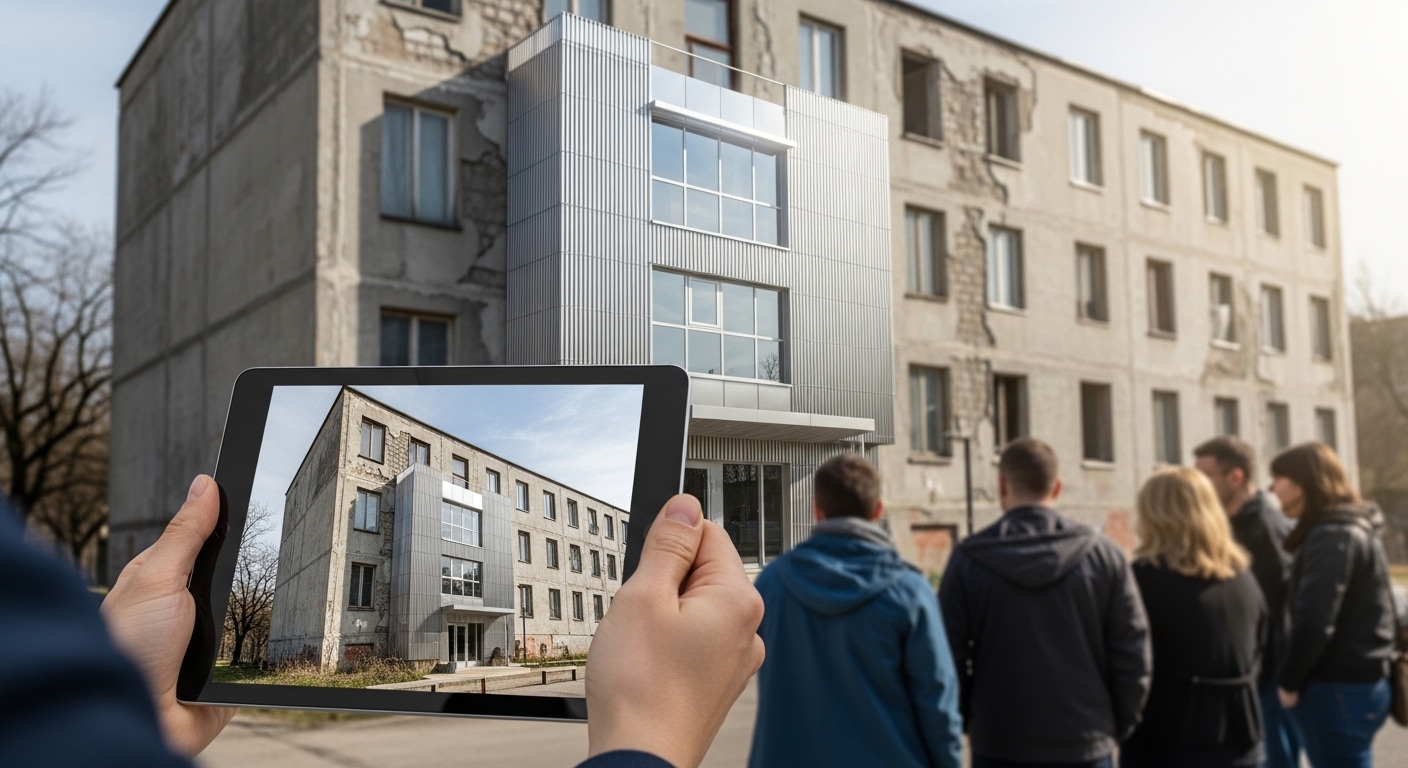
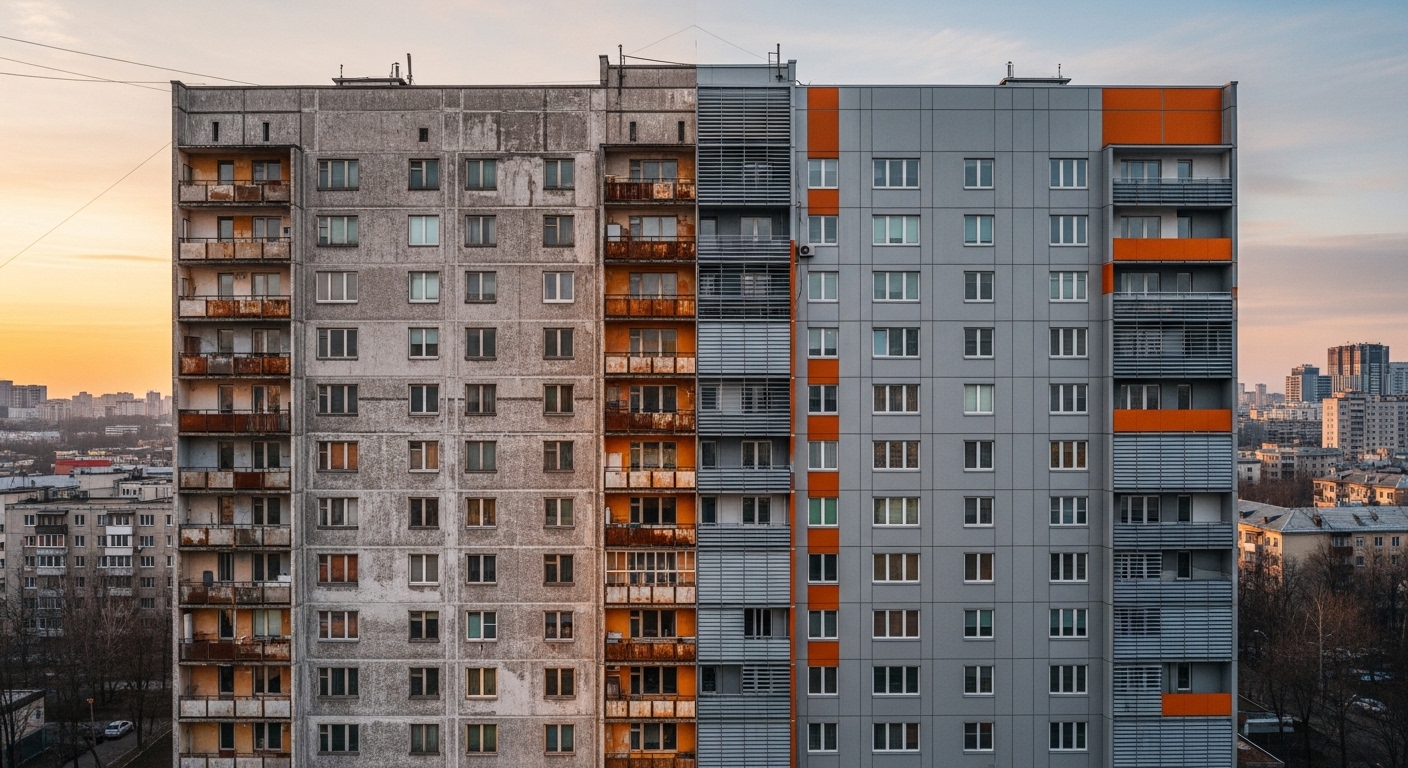
The modern urban landscape of Ukraine is characterized by a massive share of mass residential development built between the 1960s and 1980s. These blocks, consisting mainly of panel and brick multi-story buildings, face an unprecedented challenge today — their serviceability, safety, and, most importantly, energy efficiency critically fail to meet the challenges of the twenty-first century. In the capital of Ukraine alone, according to official data, there are more than 7,600 multi-story residential buildings classified as extremely poor at retaining heat. The problem of heat loss in these structures is not a local discomfort for individual residents; it is a macroeconomic problem of national scale, which, given the deficit of generating capacities, regular attacks on the energy system, and rising energy costs, turns into a matter of national energy security.

In the vast majority of Kyiv’s (and generally Ukrainian) Soviet-era buildings, it is impossible to live comfortably through autumn and winter without using additional electrical heating appliances, such as fan heaters or oil radiators. However, the massive and uncontrolled use of powerful electric heaters leads to catastrophic overloads of outdated internal building electrical networks that were not designed for such peak capacities, which in turn causes emergency blackouts and fires. Thus, the circle closes: the building does not hold heat from central heating, residents turn on electricity, the network fails, and the house is left without both heat and light. According to analytical data, the total heat loss of Soviet buildings is more than 50% higher than similar indicators for modern new buildings designed according to the latest building standards. That is why panel buildings are recognized as some of the most energy-inefficient buildings in Ukraine.

Resolving this structural crisis cannot be achieved by half-measures. The so-called “patchwork insulation,” where owners of individual apartments cover their wall segments with expanded polystyrene, not only ruins the architectural appearance of cities but also leads to the destruction of load-bearing structures due to the disruption of wall thermodynamics and shifting of the dew point. The only technically sound, durable, and economically viable solution is comprehensive energy modernization using suspended ventilated facade (SVF) systems. This exhaustive report aims to thoroughly analyze the physical causes of the thermophysical degradation of Soviet buildings, examine the financing mechanisms for renovation, and explore the engineering, architectural, and operational advantages of modern metal ventilated facades, particularly those developed by leading national manufacturers such as the Mehbud factory.
Renovatsiya radyansʹkykh panelʹnykh budynkiv 12

1. Architectural Heritage and Thermodynamic Collapse of Soviet Development

1.1. Historical Design Background and Wall Thickness Deficit

The root of the energy efficiency problem of multi-apartment buildings erected in Soviet times lies in the very paradigm of mass construction of that era. The main goal of state programs at that time was to provide the maximum number of people with housing in the shortest possible time and with minimal expenditure of building materials. The issue of operational cost and energy efficiency was practically not on the agenda, as the state subsidized energy resources, and heat losses were compensated by the extensive operation of thermal power plants.

As architectural expert Serhiy Yunakov notes, to minimize the consumption of concrete and brick, the standard thickness of external walls was deliberately and significantly reduced. Instead of the classic 51 cm, historically used to ensure acceptable thermal resistance, the standard external wall thickness in many series of “Khrushchevkas” and later “panelkas” was reduced to 38 cm. This 13 cm reduction in the wall mass proved to be a critical factor that fatally impaired the structure’s ability to accumulate and retain thermal energy. Moreover, in some of the cheapest structural series or in specific areas of buildings, the thickness of the external walls is generally only 25 cm. In most apartments, there are so-called “weak zones”—areas under windows, in corners, or in stairwell zones, where the walls are the narrowest, and this is exactly where the most intensive freezing processes occur. Formally, at the time of design, these solutions complied with the then extremely liberal state norms regarding energy consumption. However, in the realities of the modern energy paradigm, these structures are thermodynamic bankrupts.

1.2. Physics of Heat Loss and the Illusion of Partial Modernization

Analysis of the thermal balance of an average Soviet building shows that up to 30% of all heat generated inside is lost due to the insufficient thermal resistance of old structures. Thin reinforced concrete or silicate brick without a proper layer of thermal insulation have an extremely high thermal conductivity coefficient. Additionally, panel buildings suffer from a systemic problem of so-called “thermal bridges”. These are the joints between reinforced concrete slabs, which over time lose their tightness due to the degradation of cement-sand mortars and rubber seals. Cold freely penetrates inside through these bridges, causing local overcooling of internal wall surfaces and stimulating moisture condensation.

In attempts to improve living conditions and reduce heating costs, many apartment owners resort to autonomous solutions. The most common step is replacing old wooden window blocks with modern airtight metal-plastic double-glazed windows, as well as installing massive entrance doors. However, the physics of microclimate dictates its own laws: new windows and doors do not cancel out heat losses through old walls. As experts illustrate, if you have a house with ideal modern windows, but the old walls continue to let the cold in like a sieve, your heating system is forced to operate at maximum capacity, trying to compensate for these losses. This not only leads to increased electricity or gas bills but also creates the “cold wall” effect—when the air in the room is heated to +22°C, but due to radiant heat exchange between the human body and the icy surface of the wall, residents still feel discomfort and freeze. Thus, solving the energy efficiency problem requires an exclusively comprehensive and holistic approach, where facade insulation plays a central role.

Renovatsiya radyansʹkykh panelʹnykh budynkiv 10

2. Regulatory Evolution of Energy Efficiency in Ukraine

2.1. State Building Norms (DBN) as a Driver of Change

Recognizing the scale of the problem at the state level led to a fundamental revision of building norms. The foundational document in this area became DBN V.2.6-31:2016 “Thermal Insulation of Buildings”. This regulatory act for the first time established comprehensive requirements for energy efficiency indicators and thermotechnical characteristics of building enclosures at a strict legislative level. The goal of implementing these norms was to ensure the rational use of energy resources at all stages—from heating in winter to cooling in summer, as well as to ensure regulatory sanitary and hygienic indoor microclimate parameters to prevent the development of respiratory diseases among the population.

Given Ukraine’s commitments to the European Energy Community and the rapid development of thermal insulation technologies, these norms were further strengthened in a new edition—DBN V.2.6-31:2021 “Thermal Insulation and Energy Efficiency of Buildings”. According to this standard, the requirements for the minimum thermal resistance of walls were raised so high that no existing Soviet building can meet them without an additional layer of insulation of at least 100-150 mm thick. Consequently, thermal modernization has turned from an optional desire into a strict regulatory requirement when carrying out any major repairs to the housing stock.

2.2. Certification and Mandatory Energy Audit

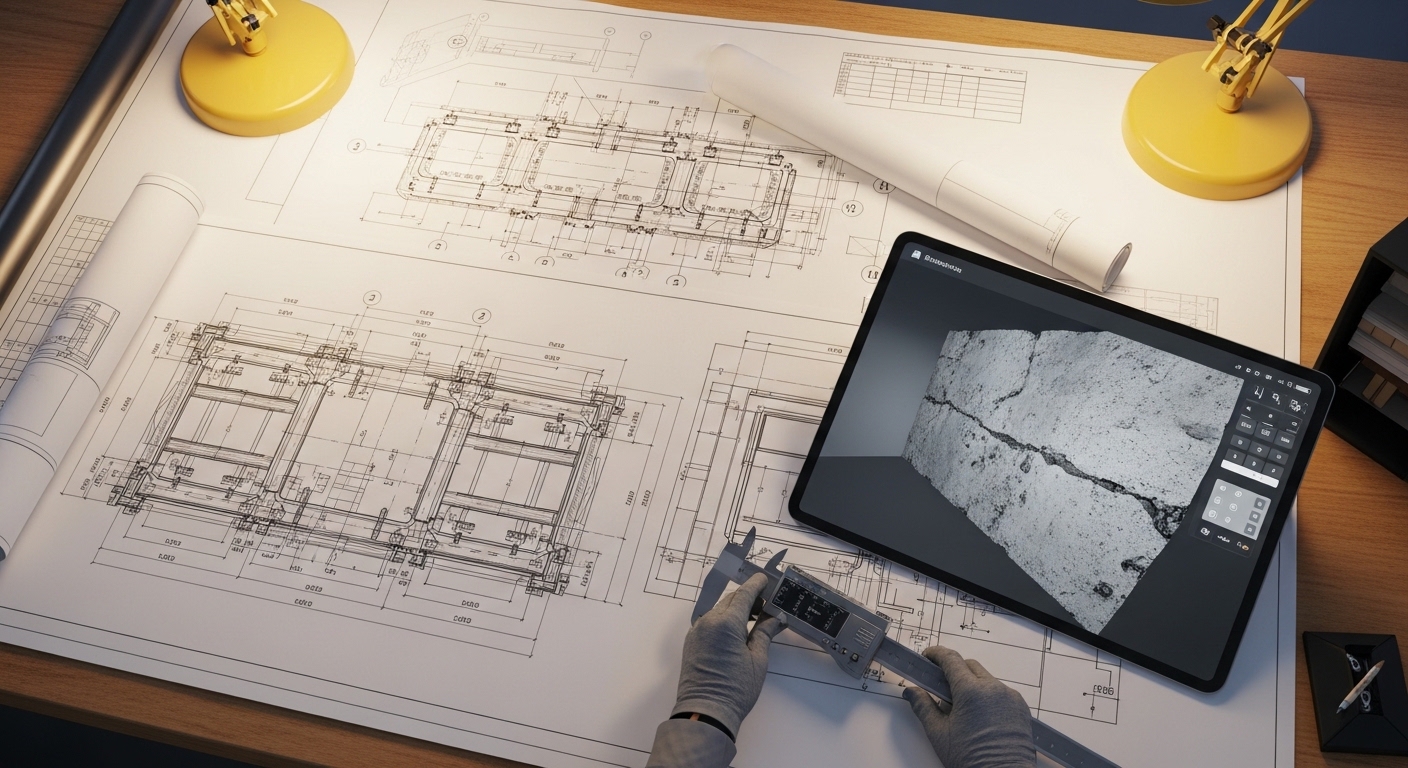
Renovating a multi-story building is a complex engineering project that cannot be based on empirical guesswork. The first and most important stage of thermal modernization is conducting a professional energy audit.

An energy audit of a multi-apartment building performs several critically important functions:

  1. Assessment of actual energy consumption: A detailed analysis of utility bills and consumption of heating gigacalories and electricity over the last few heating seasons.
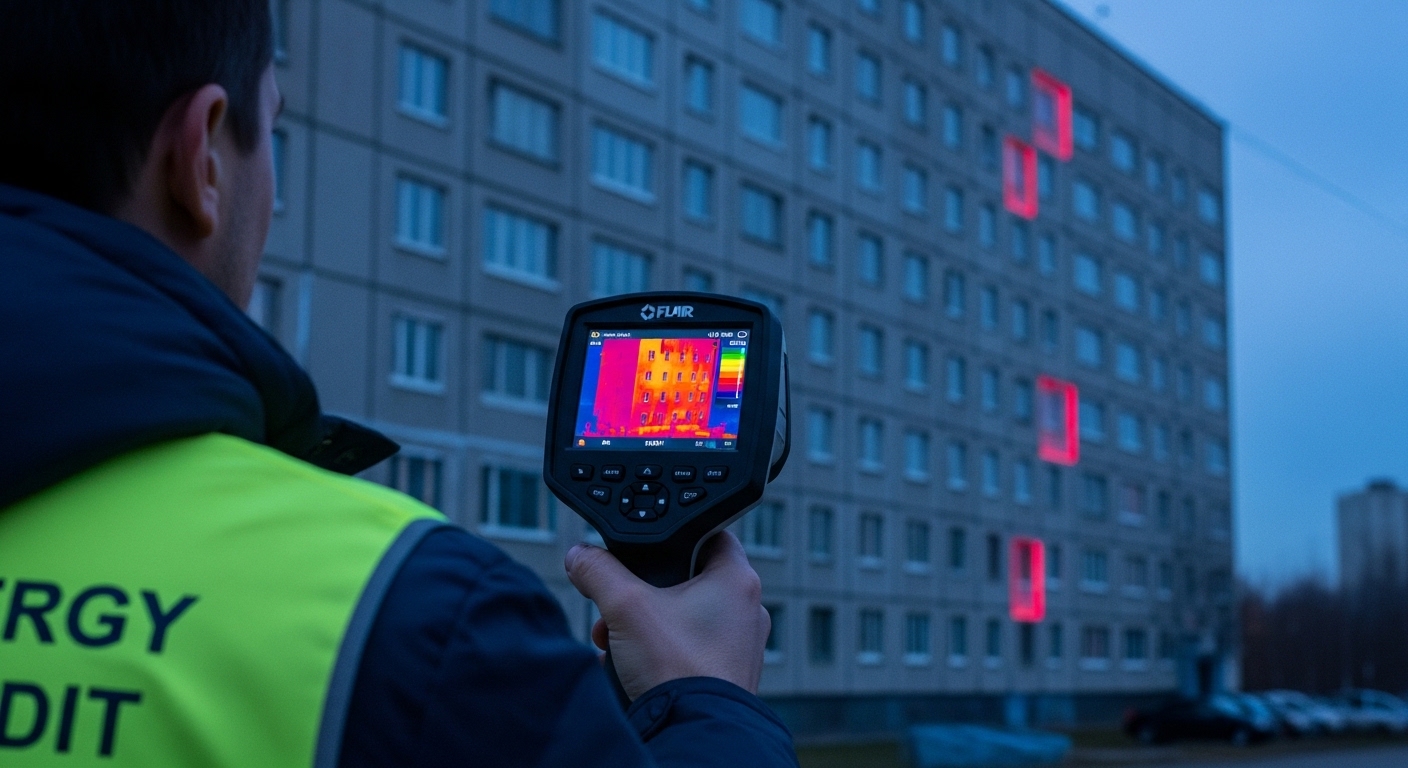
  2. Identification of heat losses and inefficient systems: Using thermal imaging and instrumental measurements, energy auditors accurately locate “breaches” in the building’s thermal envelope—places of seam degradation, lack of insulation on pipes in basements, and uncontrolled ventilation in attics.
  3. Development of recommendations: Based on the collected data, an economically justified energy modernization plan is developed.

As a result of this process, the OSBB (Homeowners’ Association) receives an official Energy Performance Certificate of the Building and a recommendation report containing a Project Description with a specific list of measures, a calculation of their cost, and payback periods. This very package of documents is the key to obtaining state funding.

Renovatsiya radyansʹkykh panelʹnykh budynkiv 1

3. Economics of Renovation: The “Energodim” Program and Facade Costs

Comprehensive renovation of a multi-apartment building’s facade requires significant capital investments, which are most often unaffordable for a one-time payment by residents. To overcome this financial hurdle, the “Energodim” program from the Energy Efficiency Fund was launched in Ukraine.

3.1. Mechanisms of Financial Support

The “Energodim” program offers unique conditions: it allows returning up to 60–70% of expenses for exterior home renovation and upgrading internal systems. Only legal entities—OSBBs, which exercise the collective rights of co-owners to possess common property—can be participants in this program. This rule definitively puts an end to the practice of individual “patchwork” insulation and encourages residents to self-organize.

The program offers various implementation pathways, formed into packages:

  1. “Light” Package (Simplified): Focuses on engineering systems. It includes installing a building heat energy meter, installing an individual heating substation with weather regulation, replacing a worn-out boiler, thermal insulation of pipelines in basements, and mandatory balancing of the heating system across risers. Implementing just the “Light” package can reduce thermal energy consumption by an average of 20%.
  2. “Comprehensive” Package: In addition to engineering measures, it includes large-scale thermal insulation of the building envelope—insulating external walls, roofs, and basement ceilings. When executing the comprehensive package, the synergistic effect allows reducing energy consumption for heating by up to 50–60%, and in some cases even more.

Besides direct cost savings and lower utility bills, the “Energodim” program guarantees increased living comfort, a radical improvement in the building’s exterior appearance, a significant increase in the market value of real estate in that building, and a conscious contribution to reducing global CO2 emissions. The quality of work is strictly controlled through mandatory architectural and technical supervision.

3.2. Market Cost of Installing Ventilated Facades

To understand the financial scale of the project, one must look at the current rates in the construction market. An analysis of contractor proposals in major Ukrainian cities (Kyiv, Dnipro, Kharkiv, Odesa, Lviv, Zaporizhzhia) for the period 2024–2026 shows the following price range for installing ventilated facades (including labor and basic substructure materials):

  1. The minimum threshold starts from 750 UAH per square meter.
  2. The weighted average price for high-quality professional installation is fixed at around 1027 UAH per square meter.
  3. For complex architectural forms or premium-segment high-altitude work, the cost can reach 1380 UAH per m² and more.

Added to these labor and substructure costs are the cost of the finishing cladding material (cassettes, racks, panels) from the manufacturer and the cost of the thermal insulation material (mineral wool). Thanks to the reimbursement of 70% of these sums through the Energy Efficiency Fund, the real financial burden on the budget of each apartment is spread over time and quickly pays off through money saved on heating.

Renovatsiya radyansʹkykh panelʹnykh budynkiv 2

4. Physics and Engineering of Suspended Ventilated Facades (SVF)

From a technical standpoint, the best method for insulating a multi-apartment building is installing a suspended ventilated facade system. Unlike a traditional plaster (“wet”) facade, an SVF is a complex, well-engineered structure that completely eliminates wet processes during installation and guarantees maximum longevity.

4.1. Anatomy of the Facade Sandwich

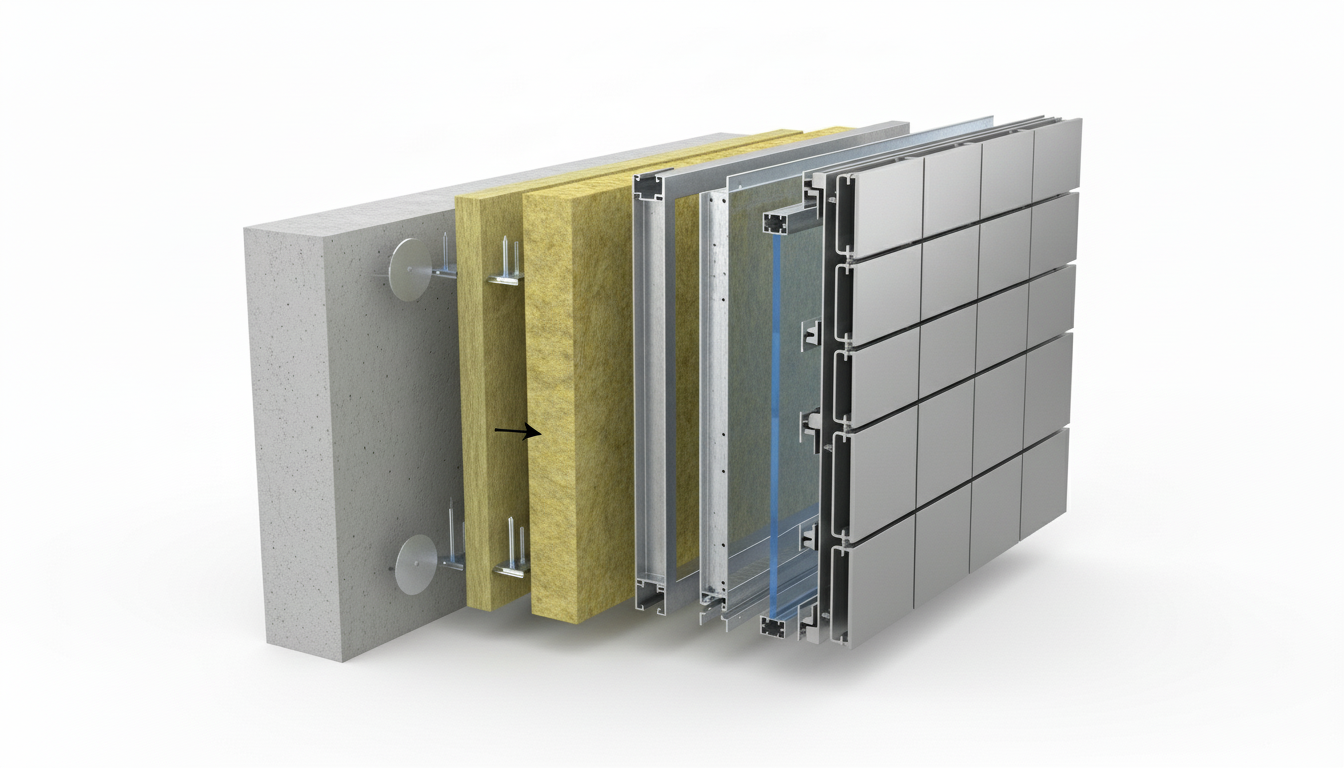
A classic ventilated facade consists of clearly defined functional layers, each playing its vital role :

  1. Support Wall: This is the existing load-bearing structure of the Soviet building (reinforced concrete panel or brick masonry), which bears the load of the entire system.
  2. Thermal Insulation Layer: Only non-combustible mineral (basalt) wool is used for SVFs. The thickness of the insulation is determined by thermotechnical calculations and can range from 40 mm to 240 mm, depending on the climatic zone and wall material. An important aspect is using rigid high-density slabs, which prevents them from slipping or deforming over time.
  3. Load-Bearing Substructure: A metal framework that transfers the weight of the cladding to the wall. It is mounted using special bearing brackets and profiles. Advanced substructures on the market ensure fast, precise installation and are designed for significant loads. Profiles are made of high-strength steel from 1.2 to 3.0 mm thick or extruded aluminum, using stainless steel fasteners.
  4. Ventilation Layer: The key element of the system—a continuous air gap between the mineral wool and the final cladding.
  5. External Cladding: A metal protective screen that takes on wind loads, protects the insulation from rain and snow, and shapes the architectural face of the building.

4.2. Thermodynamics of the Chimney Effect

The presence of a ventilation layer creates a unique thermodynamic mechanism—the so-called “chimney effect”. Due to differences in temperature and air pressure at the ground and top floor levels, a natural continuous draft occurs in the gap. This ascending airflow acts as a perfect air conditioner for the wall.

The fact is that during daily human activities indoors, a large amount of water vapor is produced. Under pressure, this vapor tries to escape outward through the building walls. If a building is insulated with non-vapor-permeable expanded polystyrene and covered with a layer of plaster, the vapor gets blocked inside the wall. Condensation occurs, the dew point shifts into the concrete, it gets wet, and during frosts, it freezes and deteriorates. In a ventilated facade, the vapor freely passes through the wall and the mineral wool, exits into the ventilation gap, and is instantly picked up and blown away by a powerful aerodynamic flow. As a result, the insulation remains absolutely dry and retains its maximum thermal insulation properties for decades, while the problem of mold disappears in apartments. In the summer, the screen absorbs solar radiation, and the heated air is channeled upwards, preventing the walls from overheating.

Renovatsiya radyansʹkykh panelʹnykh budynkiv 2

5. Fire Safety and Material Science: Solid Metal vs. Composites

Safety during the renovation of residential high-rises is an absolutely non-negotiable priority. According to DBN, using combustible materials in the cladding of buildings higher than 26.5 meters (about 9 floors) is strictly prohibited. The global architectural cladding sector has undergone a profound transformation following a series of catastrophic high-rise fires, which exposed systemic vulnerabilities in building envelope designs. At the core of this paradigm is a comparative safety profile analysis of the two dominant metallic facade materials: solid metal sheets (aluminum/steel) and aluminum composite panels (ACP).

5.1. The Hidden Danger of Composite Materials

An Aluminum Composite Panel (ACP) is a heterogeneous material. It consists of two ultra-thin layers of aluminum, sandwiching a core. Historically, most of these materials had a polyethylene core, which was the root cause of many tragedies. As experts note, polyethylene has a colossal heat of combustion, making it comparable in calorific value to petroleum products.

In the event of an apartment fire and flames escaping through a window, the thin aluminum layer of the composite heats up quickly. A process of delamination (separation of layers under heat) occurs. The exposed polyethylene core ignites. Then, the aforementioned “chimney effect” in the ventilation gap kicks in, but now it acts like a giant furnace, drawing in oxygen and accelerating the vertical spread of fire at a rate of several floors per minute. Meanwhile, the melting polyethylene releases thick, highly toxic smoke and generates flaming droplets that fall down, igniting lower floors and blocking evacuation routes. Although modern composites with fire-retardant or non-combustible mineral cores have significantly reduced these risks, they still remain composite materials with a certain combustibility limit. Furthermore, thin display-grade composites, sometimes used by unscrupulous contractors to cut costs, have excessively thin walls and cannot withstand structural loads.

5.2. The Gold Standard: Class A1 Solid Metal

The only 100% safe, benchmark solution in architectural facades is the use of solid metal panels (aluminum or steel).

A solid aluminum or steel sheet is a homogeneous, completely non-combustible material that meets the highest fire safety class, Class A1. Because it consists of a single solid piece of metal, it:

  • Contributes zero fuel load to a building fire.

  • Completely eliminates the risk of delamination, since there is simply nothing to delaminate.

  • Generates no toxic smoke or flaming droplets, even at extreme temperatures.

Aluminum melts at about 660°C, which is relatively low compared to steel (which maintains structural integrity above 1000°C); however, even while melting, aluminum does not catch fire and does not contribute to fire spread. Aluminum’s thermal conductivity draws heat away from the local hotspot, and the non-combustible walls of the air gap allow fire-resistant barriers (which must block the ventilation gap every few floors) to work effectively and localize the fire. An important factor is that many insurance companies reward the use of non-combustible exteriors with lower insurance premiums for commercial buildings, highlighting the economic viability of this choice. Moreover, in the context of Ukraine’s post-war reconstruction, systems based on steel or aluminum with mineral wool demonstrate incredible resistance to kinetic damage and prevent secondary fires during shelling.

5.3. Wind Loads and Structural Integrity

Beyond fire safety, metal provides unparalleled resistance to wind loads. For high-rise residential buildings or administrative structures in open areas, wind pressure on the facade is enormous. The Mehbud factory emphasizes the importance of choosing the correct metal thickness. Their panels are recommended to use galvanized steel with a thickness of at least 0.45 mm to ensure structural integrity. Thicker panels (0.5–0.6 mm) bend less under wind pressure, securely hold fastening screws, and create a significant safety margin. Practice shows that overly thin steel panels (cheaper alternatives) can tear or rip off at fastening points during gale-force winds, while heavier cladding can withstand these loads for decades. Due to lower metal density, aluminum systems require a thickness of 1.2 to 2.0 mm, often utilizing high-strength manganese (3000 series) or magnesium (5000 series) alloys to avoid the aesthetic defect of metal oil canning and ensure perfect flatness.

6. Comprehensive Facade Solutions from the Mehbud Factory

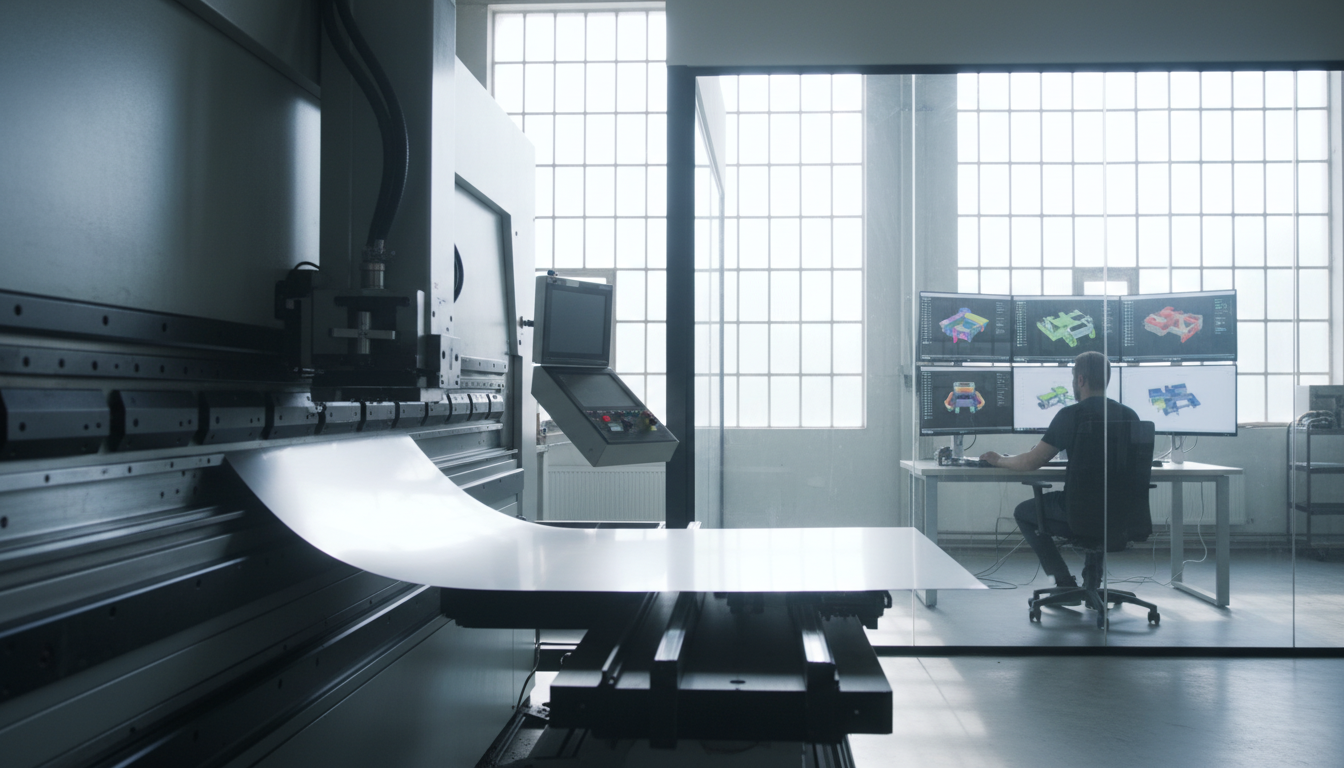
The Ukrainian factory Mehbud has years of experience in manufacturing and executing large-scale cladding projects—from private cottages to massive residential complexes, shopping centers, and logistics hubs. Products are manufactured using state-of-the-art, high-precision European equipment, and the company’s own Design Bureau provides customized engineering, visual renderings, and calculations of optimal technical nodes for each individual project.

For the renovation of multi-apartment building facades, the factory offers several product lines that strike an optimal balance between price, aesthetics, and building technical requirements.

Table: Comparative Analysis of Suspended Ventilated Facades by Mehbud Factory

Feature Cassette Facade Rack Facade Panel Facade / Siding
Description and Design

Volumetric rectangular, square, corner, or U-shaped panels with bent edges.

Complex configuration slats. They add an exquisite architectural rhythm to the building.

Metal panels or slats mounted horizontally, often with a “herringbone” effect.

Base Cost (per 1 m²)

From $32.00

From $11.00 (metal siding) to $30.00 (cubic shaped rack)

Medium price segment

Metal Thickness (Steel)

Galvanized steel: 0.7 – 1.5 mm

Galvanized steel: 0.45 – 0.7 mm

Galvanized steel: 0.45 – 1.5 mm

Metal Thickness (Aluminum)

Aluminum: 1.2 – 2.0 mm

Aluminum: 0.5 – 0.8 mm

Specifications are mostly steel

Overall Dimensions

Manufactured exclusively to custom dimensions

Width: 150 – 525 mm. Length: from 1.0 m to 12.0 m

Height: 223, 323, 535 mm. Length: up to 3.0 m or 6.0 m

Installation Features

Easy module installation. Perfect for cladding columns, window, and door openings

Ability to mount vertically, horizontally, and diagonally. Patented interlocking joint

Ability to quickly cover large wall areas with a single element

6.1. Premium Aesthetics: Cassette Facades

The cassette facade is positioned as the pinnacle of engineering and architectural execution. A facade cassette is a complete metal structure with edges bent on all sides, giving it tremendous rigidity. In completed projects by the Mehbud factory, cassette facades often become the primary calling card of premium residential and commercial buildings, ensuring aesthetic perfection and ideal flatness. Custom cassette manufacturing allows for easy and technically sound bypassing of complex architectural forms (columns, protrusions, non-standard openings), making the system highly versatile. Priced from $32 per square meter, cassettes represent the most expensive, yet most prestigious and robust solution in the lineup.

Renovatsiya radyansʹkykh panelʹnykh budynkiv 4

6.2. Innovative Solutions: Rack and Cubic Shaped Facades

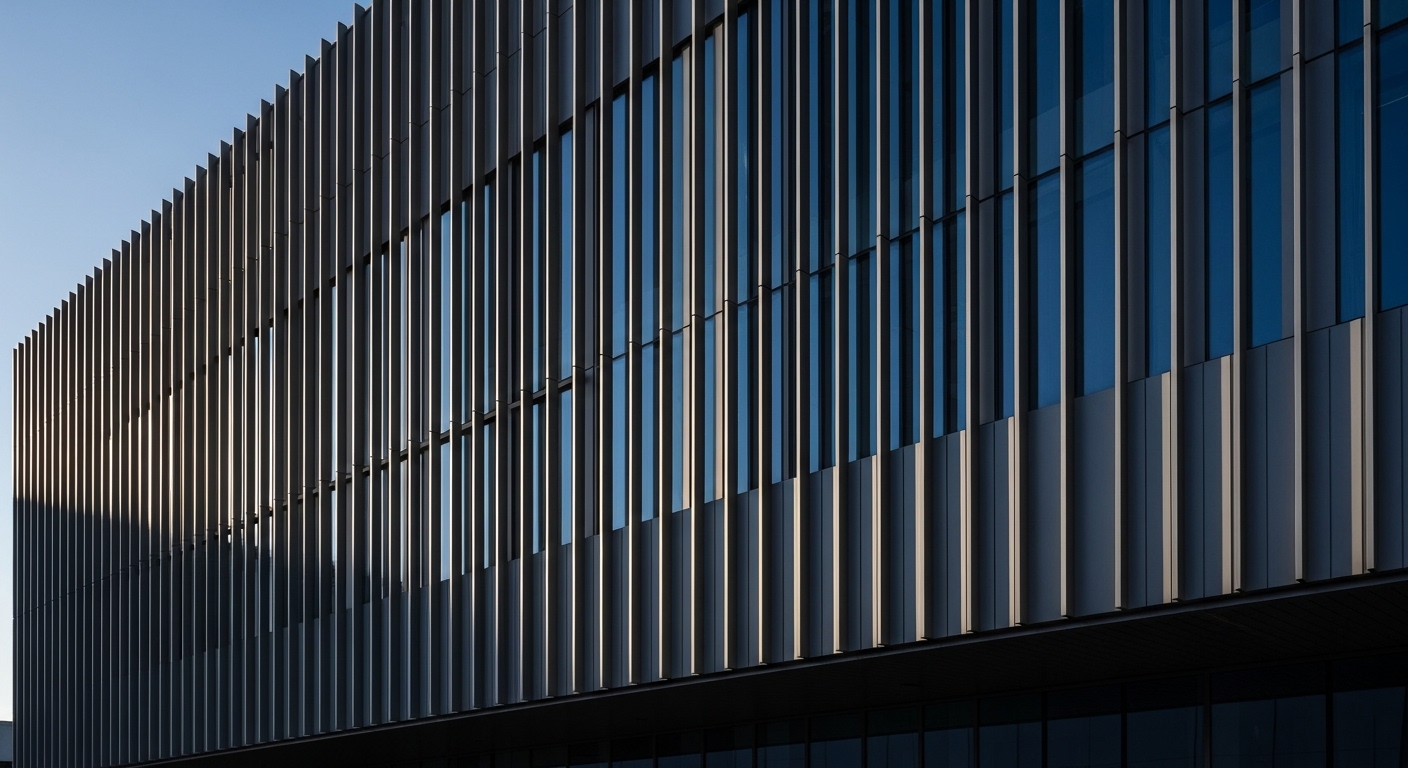
A more economical yet extremely flexible tool involves rack and cubic shaped facades. They create a dynamic rhythm on the facade and stand out for their elegant simplicity.

A critical advantage of Mehbud rack facades is a unique interlocking joint for complex profile configurations, for which the company holds a Ukrainian utility model patent. This innovation makes the rack facade produced by Mehbud significantly stronger and more resistant to wind loads compared to common market alternatives. In addition, the production line can manufacture racks with no length limits—up to 12 meters—substantially reducing the number of vertical joints on the long spans of panel buildings, minimizing potential moisture penetration points, and speeding up installation. The ability to combine racks of varying widths (from 150 to 525 mm), lengths, and colors unlocks boundless creative freedom for design solutions.

Special attention should be given to Blinds Facade systems. They are designed to provide natural ventilation and effective sun protection. These become particularly relevant during renovations when there is a need to aesthetically conceal numerous air conditioning units or ventilation ducts that ruin the exterior look of modernized facades. Metal blinds allow air to circulate freely for split systems while simultaneously maintaining a seamless and neat monolithic wall appearance.

Renovatsiya radyansʹkykh panelʹnykh budynkiv 6

6.3. Anti-Corrosion Protection and Lifespan

The durability of a metal facade directly depends on the quality of its coating. Mehbud materials feature a multi-layered protection system that includes hot-dip galvanizing, priming, painting, and applying a final protective layer. The factory guarantees that the powder polymer coating will serve without losing its properties for at least 15 years, while the application of a high-tech fluoropolymer coating (PVDF), known for its phenomenal resistance to UV fading and harsh urban smog, ensures aesthetic preservation for 20 years. The total service life of the system’s anti-corrosion protection exceeds 30 years, making renovation an investment for several generations.

7. Global Architectural Trends and Integration into the Ukrainian Context

Energy modernization of the Soviet legacy should not be limited to merely installing utilitarian protective boxes. Utilizing modern materials allows for a complete transformation of the visual code of cities, integrating buildings into the context of cutting-edge global architecture.

The global facade materials market is currently in a stage of unprecedented growth. According to analytical data, this market was valued at approximately $302-325 billion in 2024, and it is expected to reach an impressive $640–685 billion by 2034–2035, demonstrating a compound annual growth rate (CAGR) of about 7.7%. This boom is driven by the demand for energy efficiency, creative freedom, and durability, with ventilated facade systems being the dominant segment in commercial and residential development.

7.1. Minimalism, Parametric Design, and Material Mimicry

An analysis of global trends reveals several key architectural vectors. First and foremost is the overarching trend of minimalism. Global demand shifts towards clean, sleek exteriors with thin profiles perfectly reproduced using smooth metal cassettes. This concept dominates the European and North American markets, creating an image of complex simple elegance.

At the same time, the opposite pole develops — parametric design. Thanks to 3D modeling technologies and computer numerical control (CNC) machines, architects create facade panels with complex algorithmic patterns, smooth curves, or perforated art screens, turning typical buildings into dynamic sculptures. There are even interesting regional preferences in the choice of perforation shapes: for example, in the Netherlands, Rotterdam prefers triangles, The Hague — round holes, and Amsterdam — organic, bionic forms.

Another powerful trend is material mimicry or creating combined facades. Architects strive to combine the cold brilliance of glass with the structural warmth of natural wood or the monumentality of stone. However, real wood requires constant maintenance, rots, and is a fire hazard. In contrast, modern metal panels are capable of perfectly imitating the texture and color of wood or natural stone. They are much lighter, easier to install, require absolutely no maintenance, and are entirely fire-safe, gradually displacing natural materials from the high-rise facade market.

7.2. New Metal Expressions: Corten Steel and Colored Zinc

In elite architecture, there is a shift toward using expressive textures:

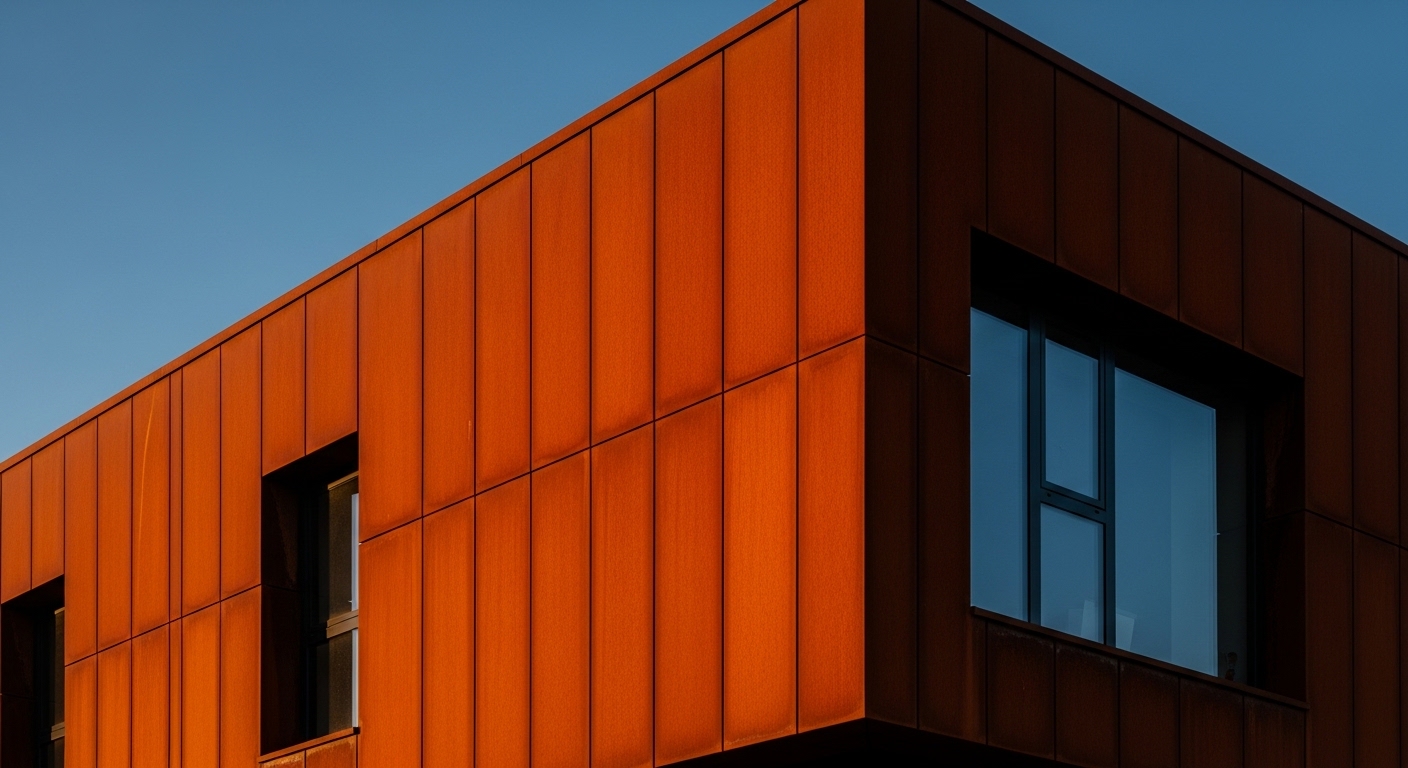
  1. Corten Steel: This special weather-resistant steel eventually becomes covered with a dense layer of noble orange-brown patina, which paradoxically protects the metal core from further corrosion. It brings a deep industrial character to the architecture and is becoming increasingly sought-after in both commercial and premium residential projects, despite its heavy weight.
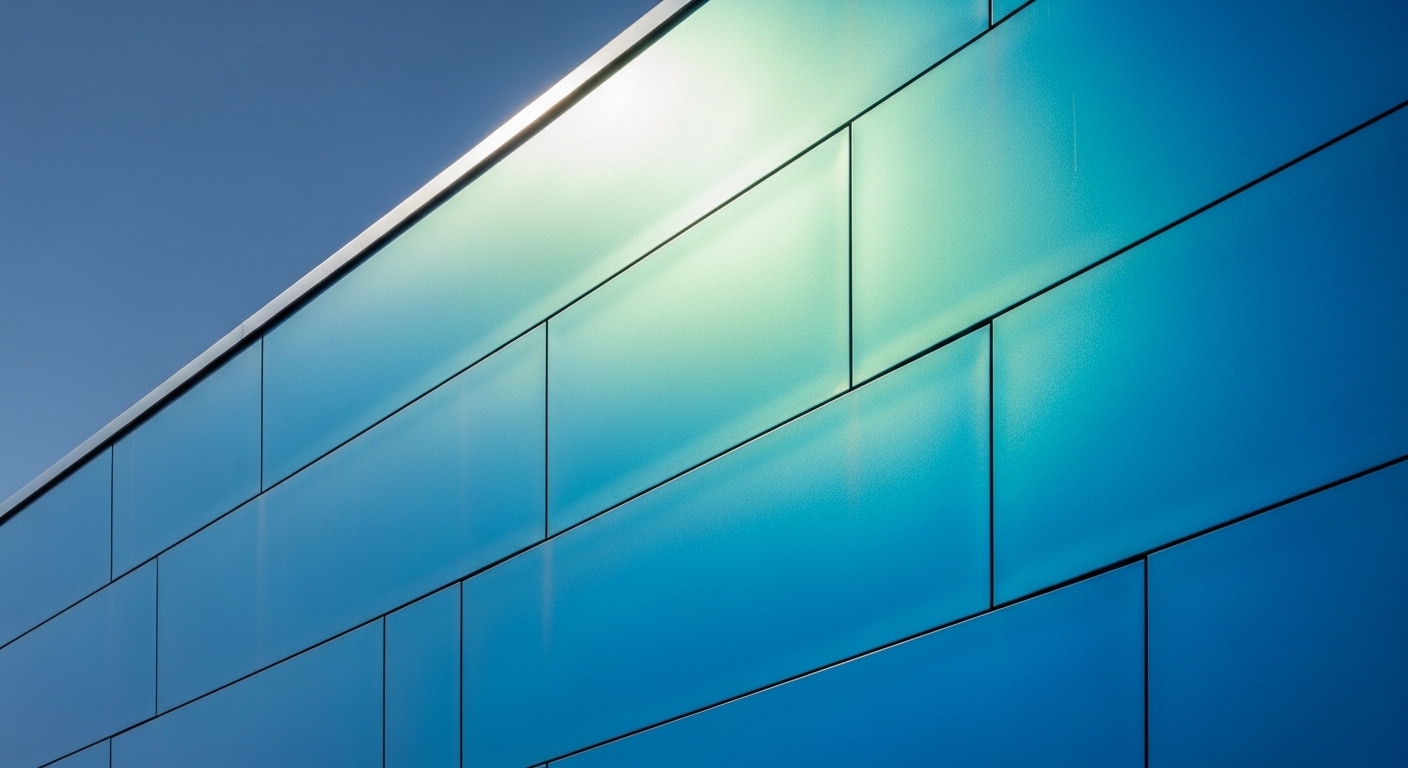
  2. Titanium Zinc: Systems based on highly purified zinc with additions of copper and titanium. Such product lines offer not only classic graphite tones but also vibrant colors — orange, blue, green, red. An innovative finish creates a unique optical effect: depending on the angle of sunlight and the time of day, the facade delicately reflects light, creating the illusion of constant change. Moreover, titanium zinc has the ability to self-heal minor scratches and boasts a service life exceeding 100 years.
Renovatsiya radyansʹkykh panelʹnykh budynkiv 5

8. Digitalization of Facade Design: From BIM to Specialized Applications

The flawless execution of a complex ventilated facade begins long before workers arrive at the construction site. It originates in the virtual space. The software market for facade calculation offers tools ranging from simple planners to powerful engineering suites that require high-performance workstations.

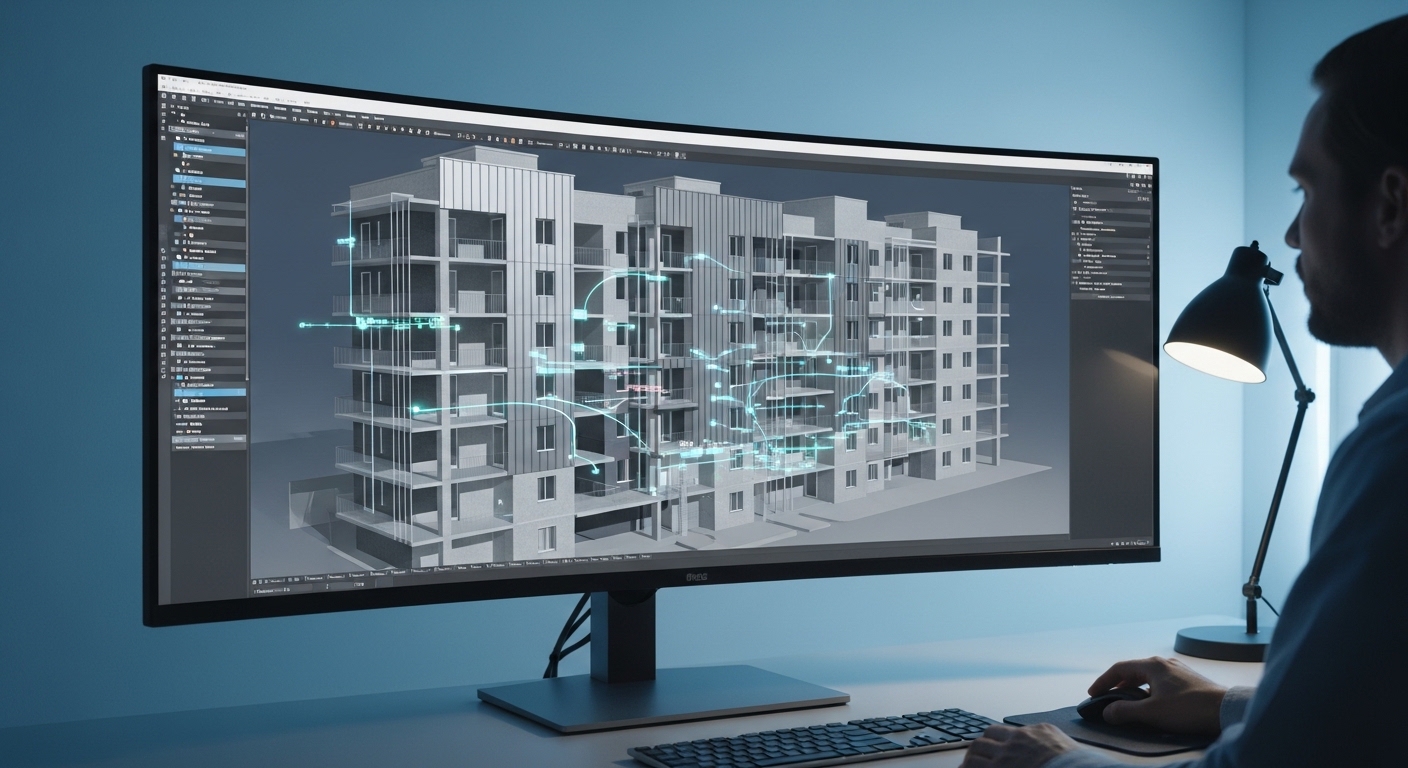
  1. Professional BIM Platforms: Revit and ArchiCAD remain the undisputed leaders in architectural design. They are not just 3D editors; they are object-oriented databases where each panel has its own physical properties. They allow for creating a full digital twin of a building, coordinating facades with engineering networks and plumbing systems.
  2. Specialized Engineering Modules: For exact calculations of fasteners and substructures, engineers use specialized add-ons. For instance, programs generate exact panel layouts and calculate the number of necessary elements. Specialized solutions allow for static calculations of profile deflections under wind influence, calculate anchor pull-out forces, and automatically generate drawings with perforations to be sent directly to CNC machines.
  3. Computer Calculators: Programs are used by cost estimators to instantly create material specifications, calculate mineral wool volumes, cladding areas, and the number of consumables needed to prepare financial documents for entities like the Energy Efficiency Fund.
  4. Apps for Fast Conceptual Design: For smaller tasks or preliminary approvals with residents, simpler tools with intuitive interfaces are used. They allow for quickly creating a 3D visualization of the updated building without the need to involve an entire team of engineers.

Involving the Design Bureau of the Mehbud company, which utilizes a similar arsenal of tools, ensures that calculated thermal expansion gaps, the number of profiles, and the placement of cassettes will be perfectly adapted to the climatic conditions of Ukraine and the geometric inaccuracies of old Soviet walls.

Renovatsiya radyansʹkykh panelʹnykh budynkiv 3

9. Sustainable Development and the Zero Carbon Buildings Concept

Modern facade renovation is viewed globally in conjunction with global environmental challenges. It is well known that the operation and construction of real estate generate about 39% of all global greenhouse gas emissions. The response to this has been the concept of building smart zero carbon buildings, which is based on four pillars: decarbonization, electrification, energy efficiency, and digitalization.

Metal ventilated facades are a key tool in achieving energy efficiency. Every dollar invested in passive thermal insulation of the building envelope saves two dollars in future energy production. By supplementing passive facades with active smart systems (such as automated ventilation or lighting and climate control), old buildings can radically change their energy profile. As global benchmarks, one can cite complexes that use geothermal heat pumps and solar energy, or buildings that over their lifecycle produce more energy than they consume, using adaptive facade systems and solar panels.

From the perspective of the circular economy, using metal facades (steel, aluminum, zinc) is an optimal choice. Metal is 100% recyclable without quality loss. The long lifecycle of Mehbud materials, with no need for frequent replacement or cosmetic repairs, translates to a sharp reduction in “embodied carbon.” This allows renovation projects to successfully claim prestigious “green” certificates.

Renovatsiya radyansʹkykh panelʹnykh budynkiv

Conclusions

The critical state of Ukraine’s energy infrastructure combined with the colossal scale of the outdated housing stock dictates the need for urgent and radical transformations in the construction sector. The era of Soviet panel buildings with thin-walled structures left behind a legacy of thermodynamic collapse — buildings lose enormous amounts of energy, and attempts at cosmetic repair by replacing windows or partially insulating with foam only exacerbate the problem of wall degradation.

The detailed analysis of the regulatory framework, engineering thermal physics, and material science presented in this report convincingly proves that the only viable renovation mechanism is the implementation of suspended ventilated facade systems. The integration of high-quality mineral thermal insulation and a ventilation gap, which removes moisture thanks to the aerodynamic chimney effect, allows for completely stopping the process of reinforced concrete destruction and bringing the building into compliance with the strict norms of DBN V.2.6-31:2021.

The advantages of solutions from the domestic manufacturer Mehbud go far beyond mere heat preservation. The use of solid metal (aluminum and steel) instead of highly flammable composites establishes a gold standard of fire safety (Class A1), eliminating the risk of facade fires in high-rise development. A wide range of cassette, rack, and panel systems, reinforced by patented interlocking joints and durable polymer coatings, opens the way to the aesthetic rehabilitation of cities in the spirit of global minimalism and parametric design.

The most important success factor is that today this technological transformation is financially attainable. Thanks to the operation of state co-financing programs, such as “Energodim” from the Energy Efficiency Fund, OSBBs can compensate up to 70% of the cost of materials and installation works, turning capital expenses into a highly profitable investment. This investment pays off rapidly in the form of a 50-60% reduction in heating bills, an increase in real estate market value, and the extension of the building’s life by many decades, taking a confident step toward an energy-independent, sustainable future for Ukrainian cities.

author
Alex Z
About the author:

Oleksandr — Digital Marketing Expert for Construction & Manufacturing Industries Oleksandr is a seasoned digital marketing specialist, delivering powerful results for the construction and manuf...

More
0 0 votes
Article Rating
Subscribe
Notify of
guest
0 Comments
Oldest
Newest Most Voted
Inline Feedbacks
View all comments