
The Evolution of Medical Architecture: From Sterility to Healing Spaces
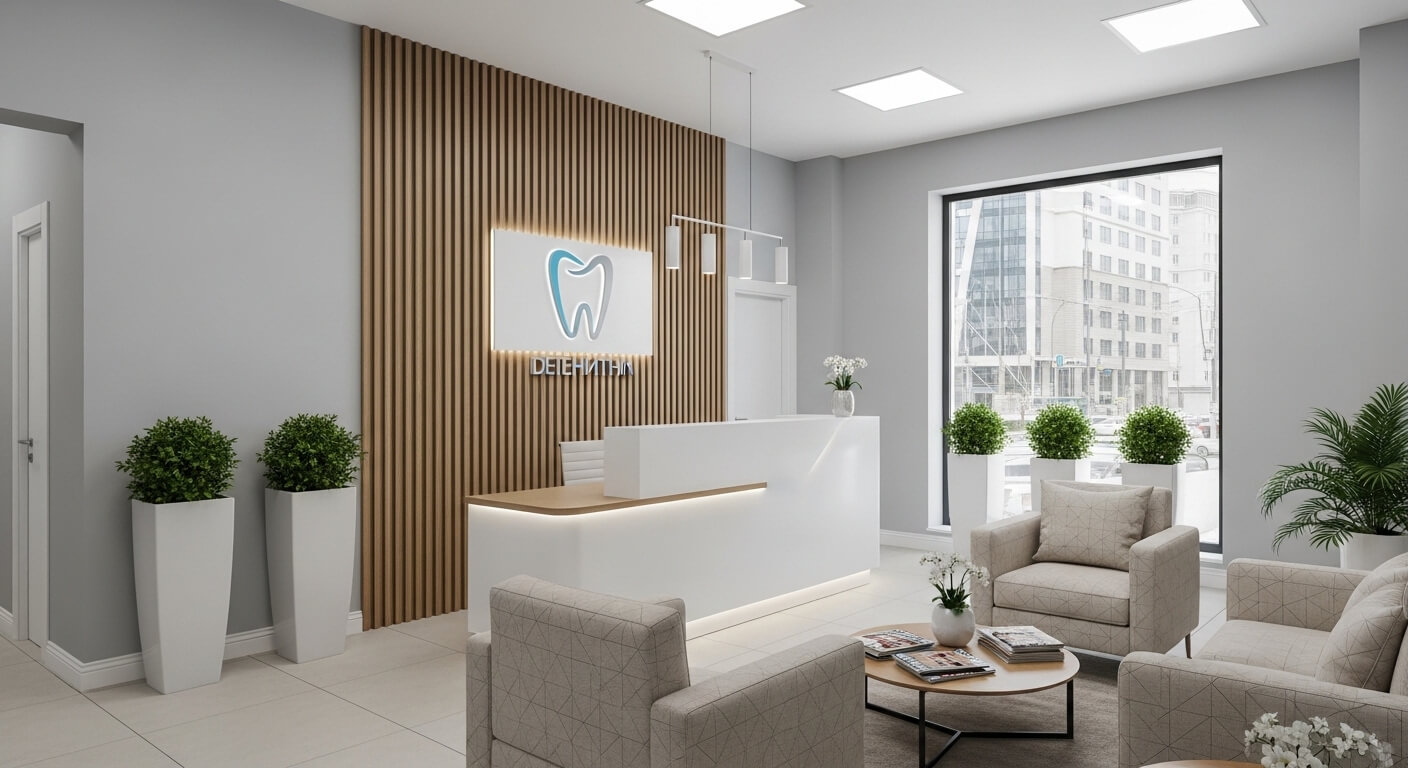
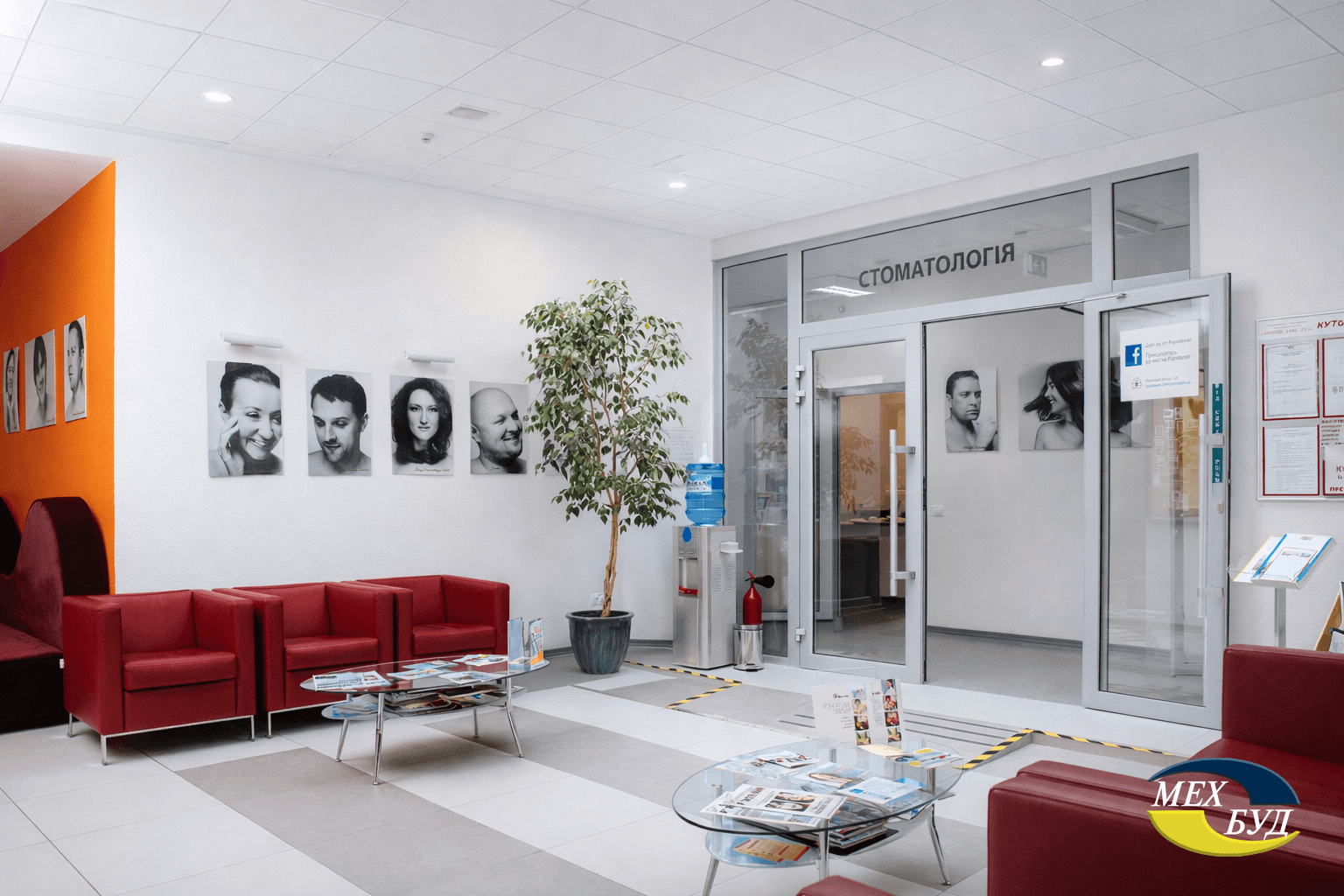
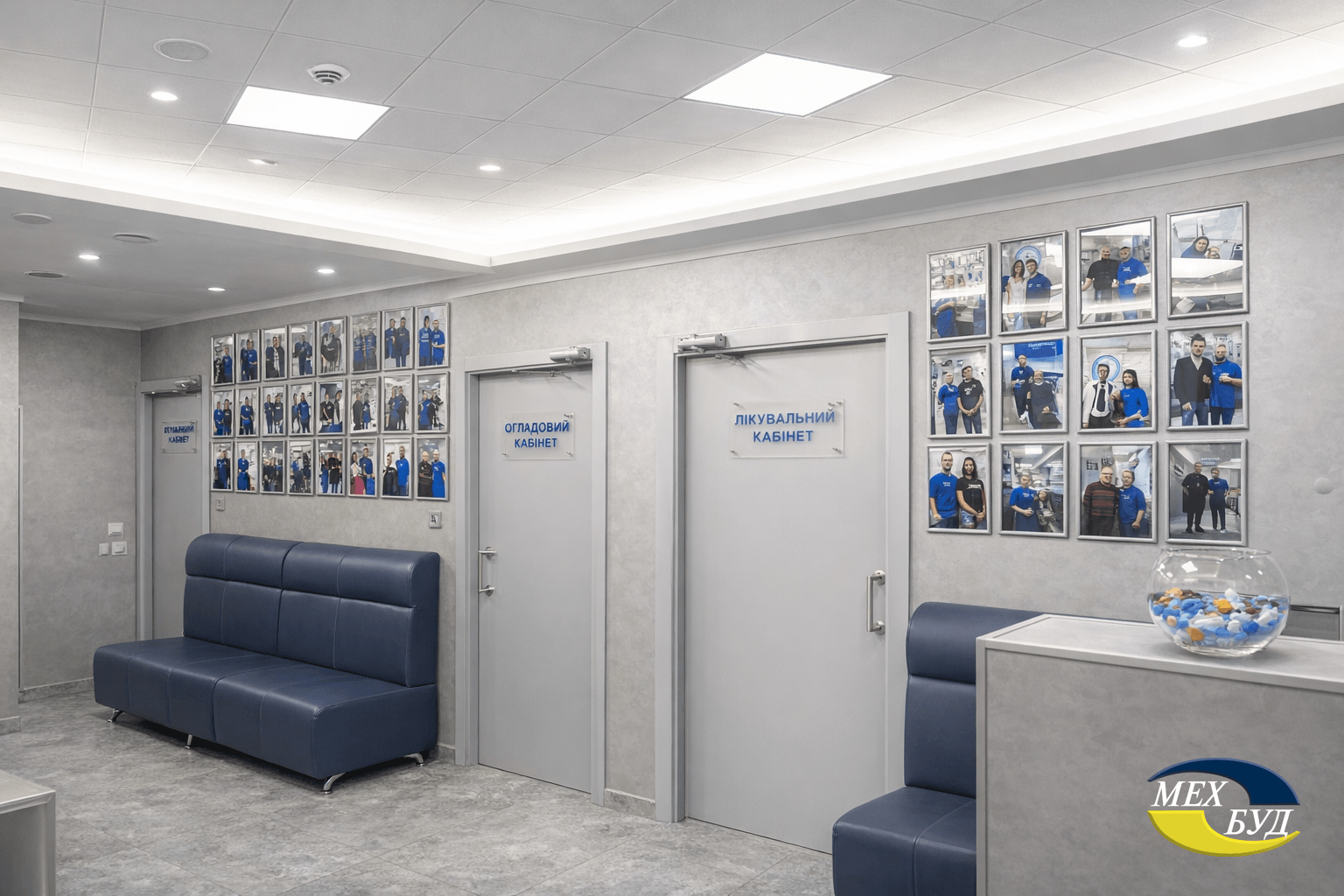
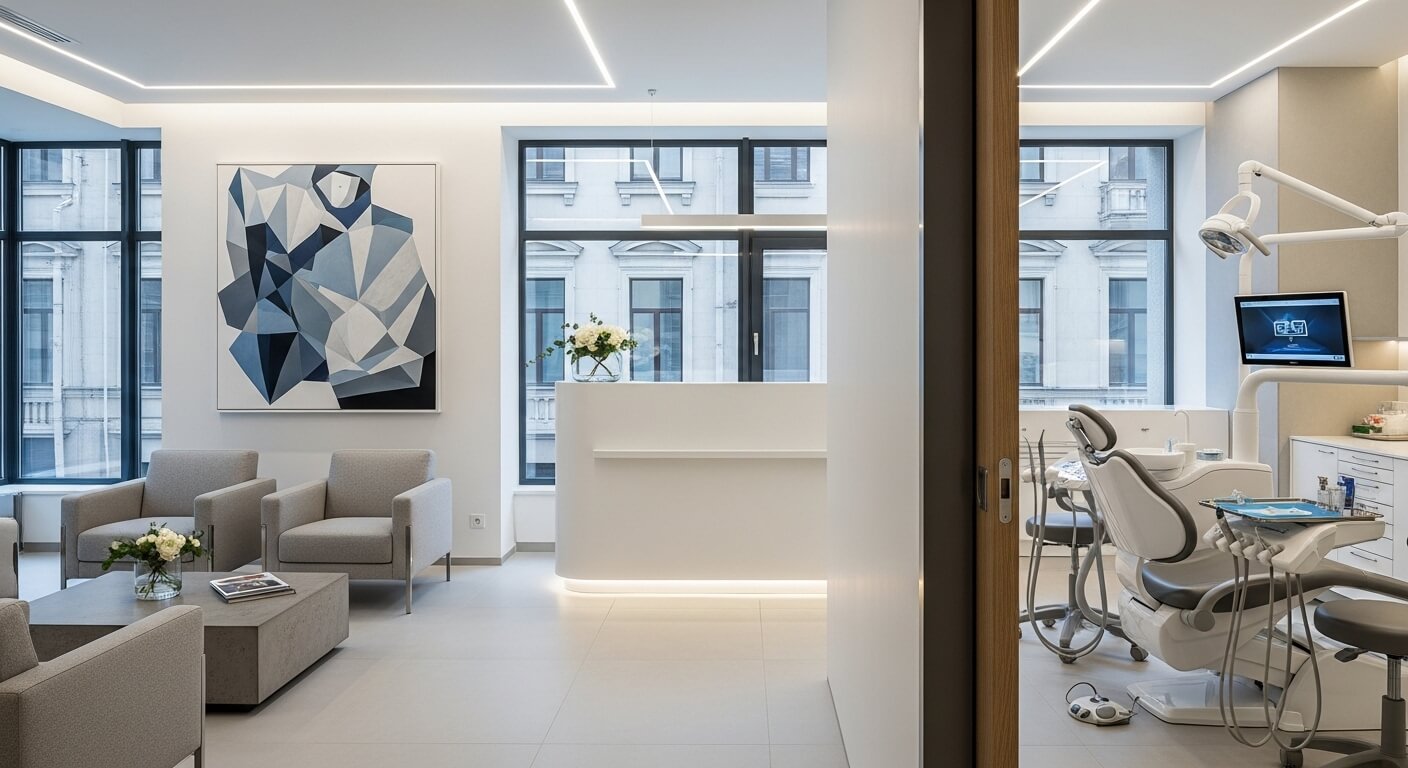
The modern landscape of medical infrastructure in Ukraine is undergoing an era of fundamental transformations, where architecture and interior design have evolved from secondary factors into key instruments of therapeutic influence. The transition from the concept of emotionally cold, utilitarian hospitals to the philosophy of “Architecture of Care” has become a scientifically proven standard of development. Research in the field of neuroarchitecture undeniably proves that a visually balanced environment, acoustic comfort, thoughtful insolation, and the use of tactilely pleasant materials can significantly reduce cortisol levels in patients. This aspect is critically important specifically for dental practice, where the level of psychological tension and dentophobia traditionally remains high.
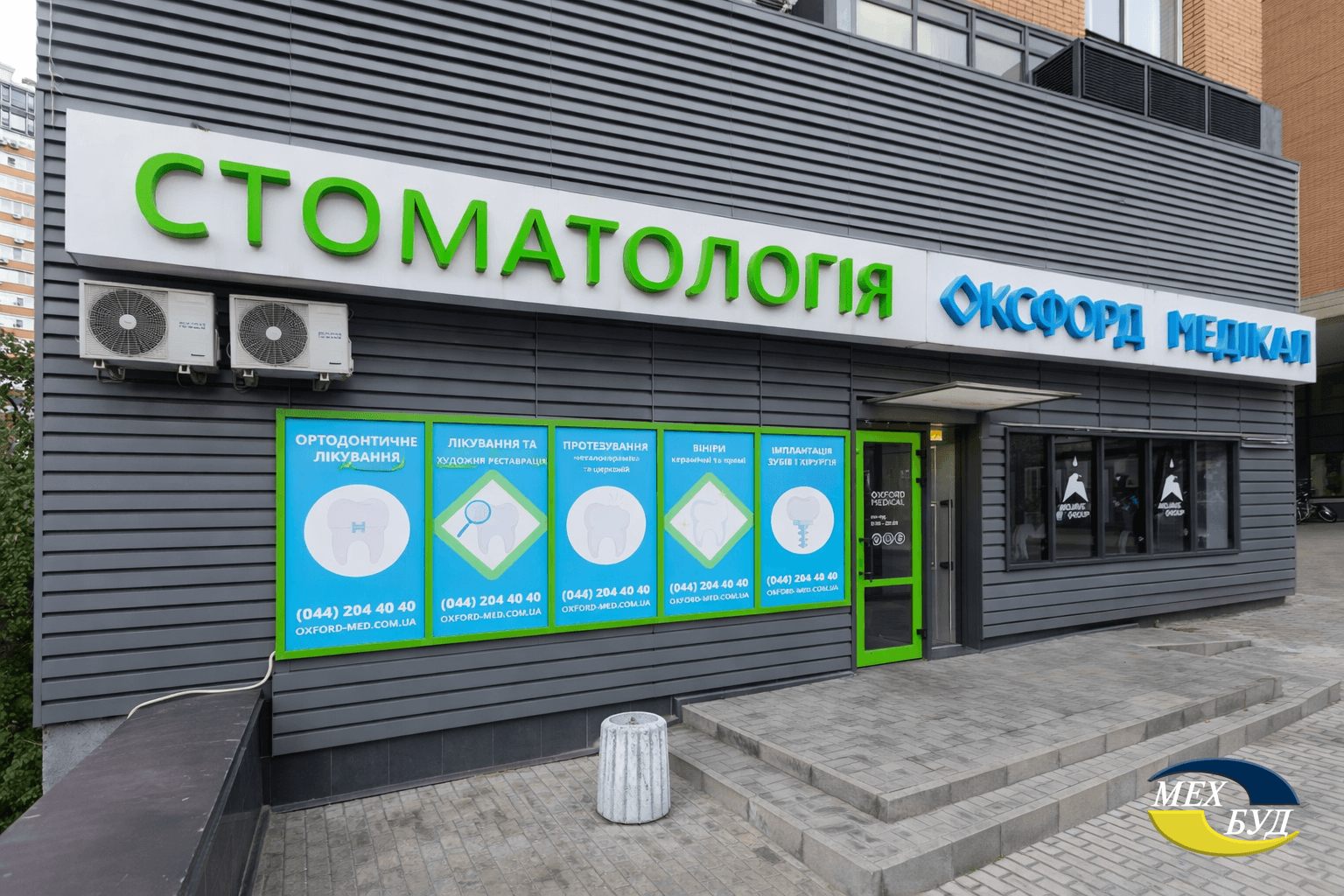
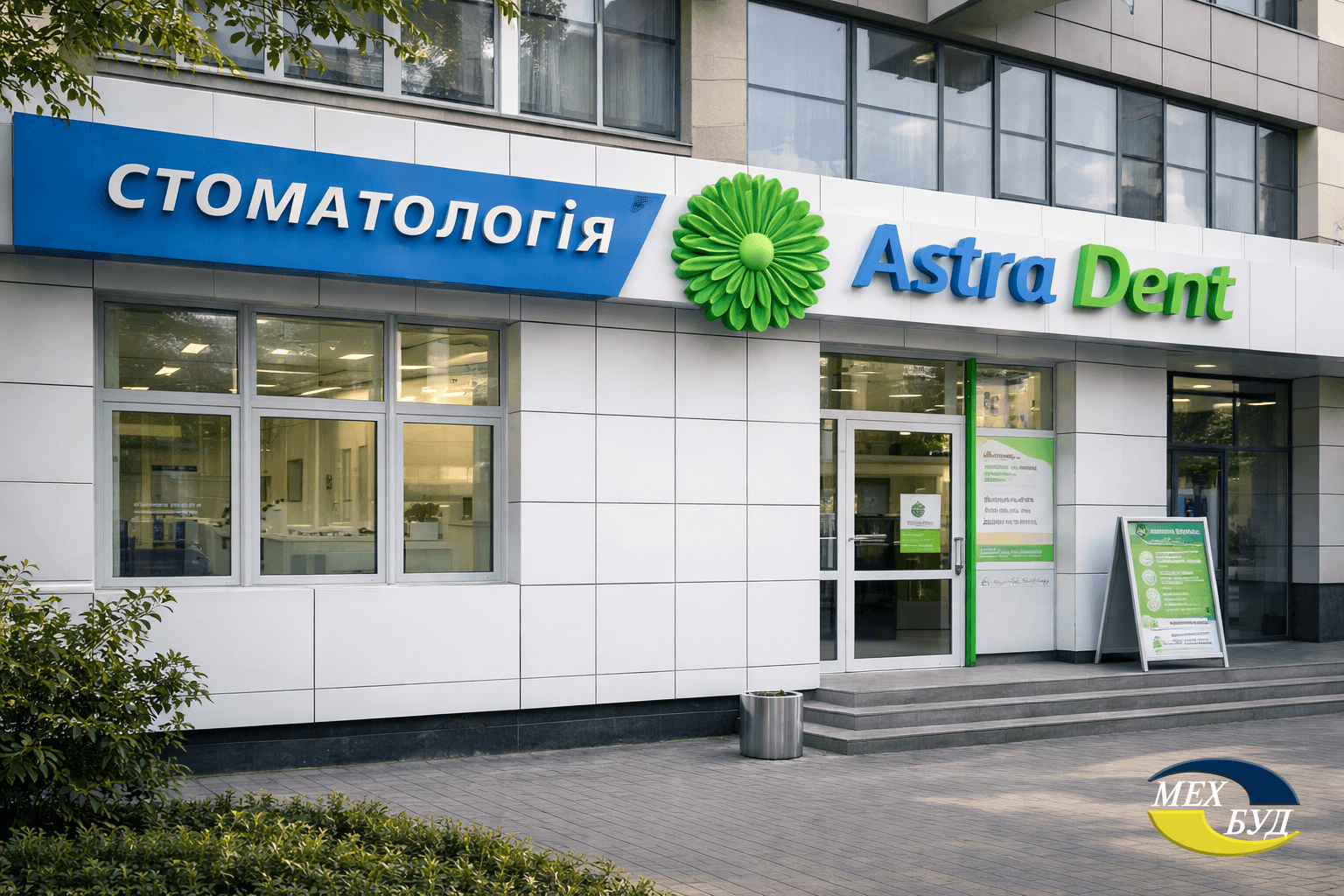
As of the beginning of 2024, according to national registers, 89,117 medical institutions functioned in Ukraine, among which 47,790 are registered as legal entities, and 41,327 as individual entrepreneurs. The geographical distribution demonstrates the highest concentration of medical innovations in the largest metropolises of the country: 17,099 institutions are concentrated in Kyiv, 3,943 in Kharkiv, 3,821 in Odesa, 3,499 in Lviv, and 3,326 objects in Dnipro. Such a colossal market volume stimulates extremely fierce competition. In the struggle for the loyalty of premium-segment patients, clinics are forced to continuously invest in building innovations in Kyiv and other regional centers, turning their premises into real masterpieces of architectural art.
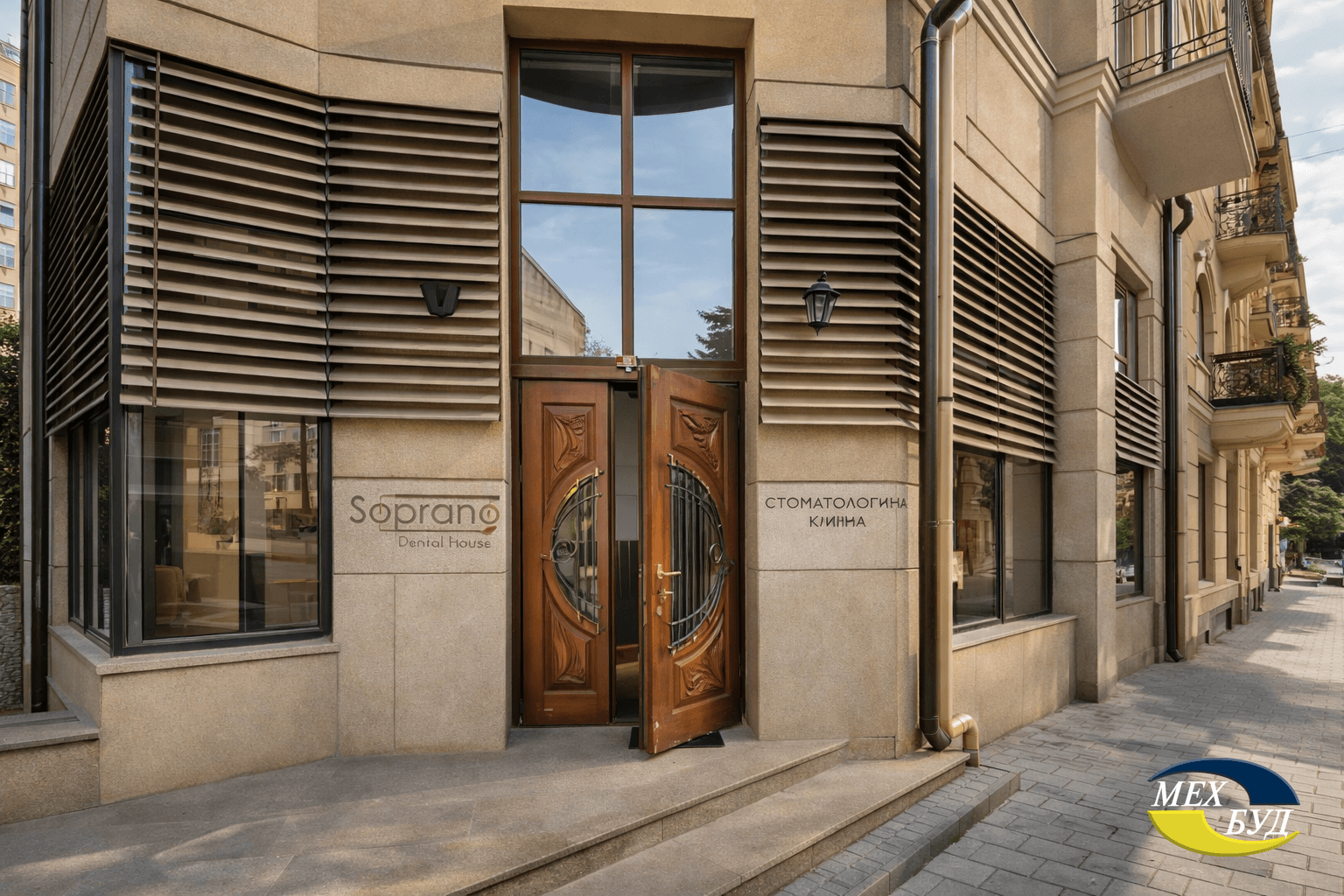
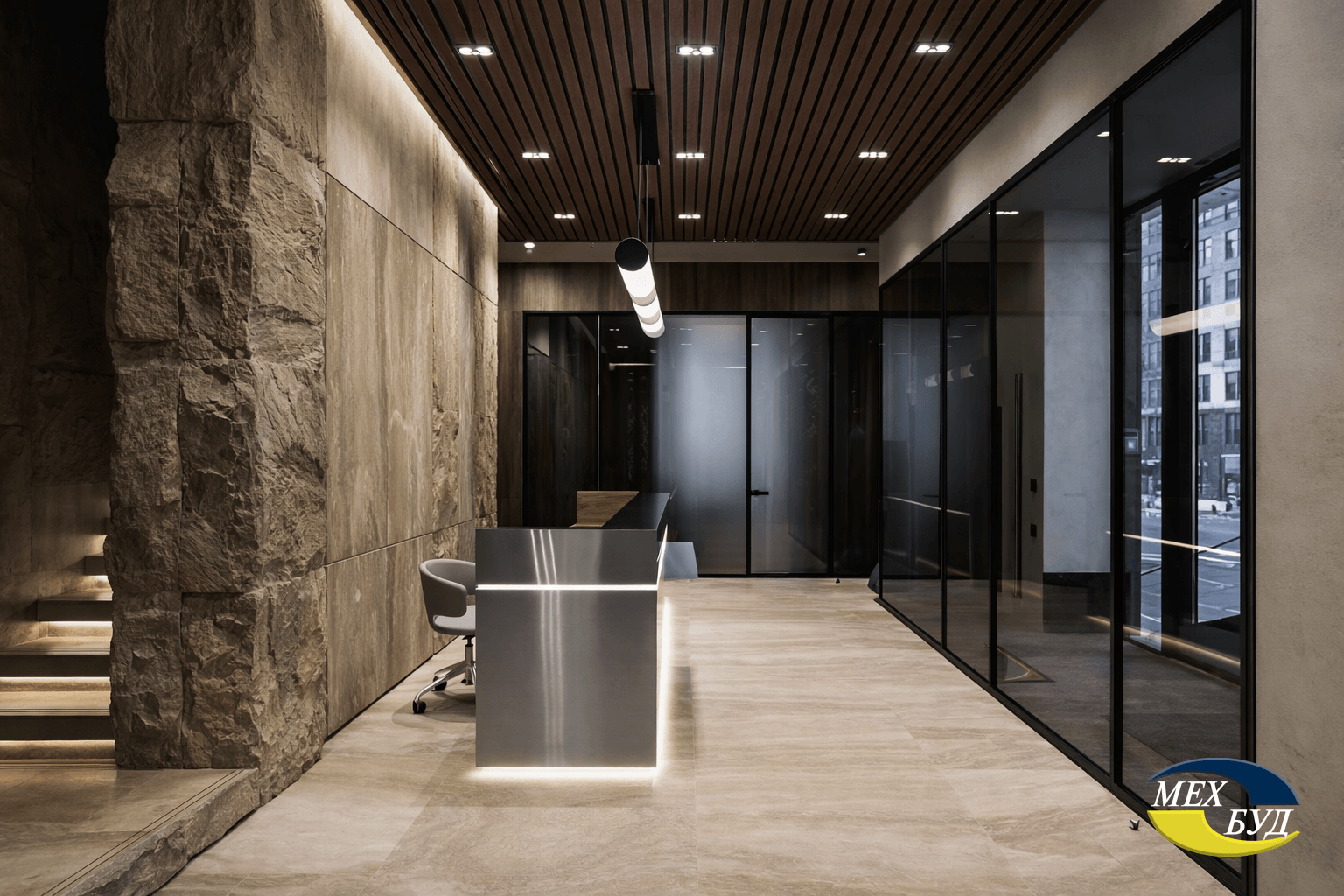
It is interesting to draw a parallel between the modern medical space and the banking sector. The importance of modern design for financial institutions historically lay in the visual translation of reliability, capital stability, and absolute security. Today, top dental clinics in Ukraine architecture adopts this principle: massive receptions made of natural stone, flawless glass partitions, hidden security systems, and the silent operation of engineering communications form a subconscious feeling in the patient that their health is in as safe hands as assets in a Swiss bank. The transparency of processes, reflected in architectural openness, becomes a new currency of trust.
At the same time, the industry faces unprecedented logistical and economic challenges. The full-scale war has caused catastrophic damage to infrastructure. According to international organizations, in 2025 alone, the number of targeted attacks on medical infrastructure increased by 20%, and the total number of verified destructions since February 2022 reached 2,881 cases. Attacks on energy infrastructure in January 2026 left thousands of buildings without heating and water supply in subzero temperatures. However, the sector demonstrates phenomenal resilience and regenerative capacity — during the hardest periods of the conflict, about 1,000 medical institution objects were successfully restored and reconstructed across the country.
In parallel, financial pressure is growing. Projected trends in medical expenses for 2026 indicate an inflationary growth of 8.5% for group markets and 7.5% for individual ones. High operational costs and rising prices of medical drugs and equipment force clinics to look for durable building solutions that will not require frequent repairs. The two-level architecture of Ukraine’s electronic healthcare system, including a central database and peripheral medical information systems (MIS), also dictates new spatial requirements for clinics: reducing areas for storing paper archives in favor of high-tech, climate-protected server rooms. The implementation of artificial intelligence in diagnosis and treatment makes dental architecture even more dependent on an uninterrupted power supply and ultra-fast communication networks.
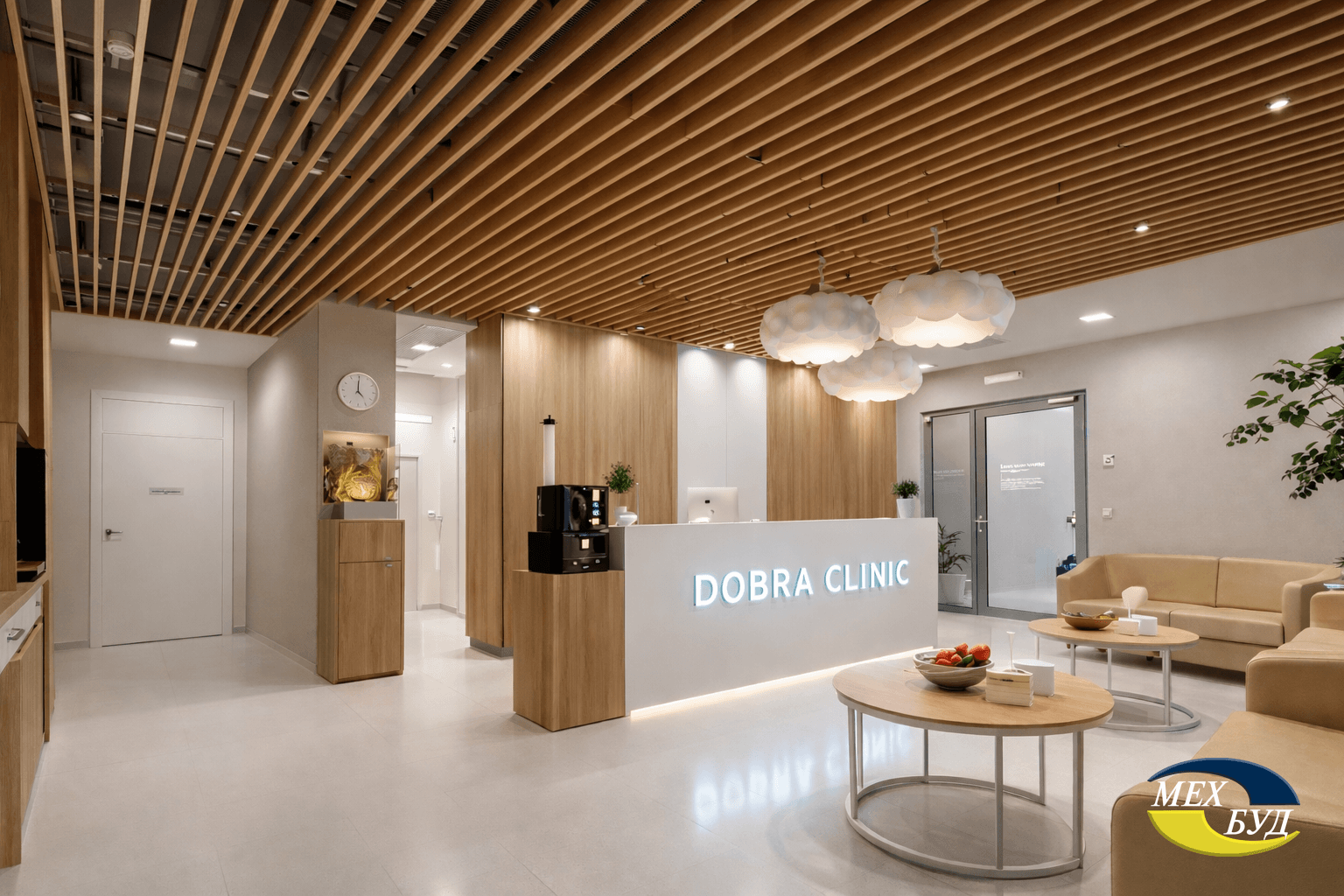
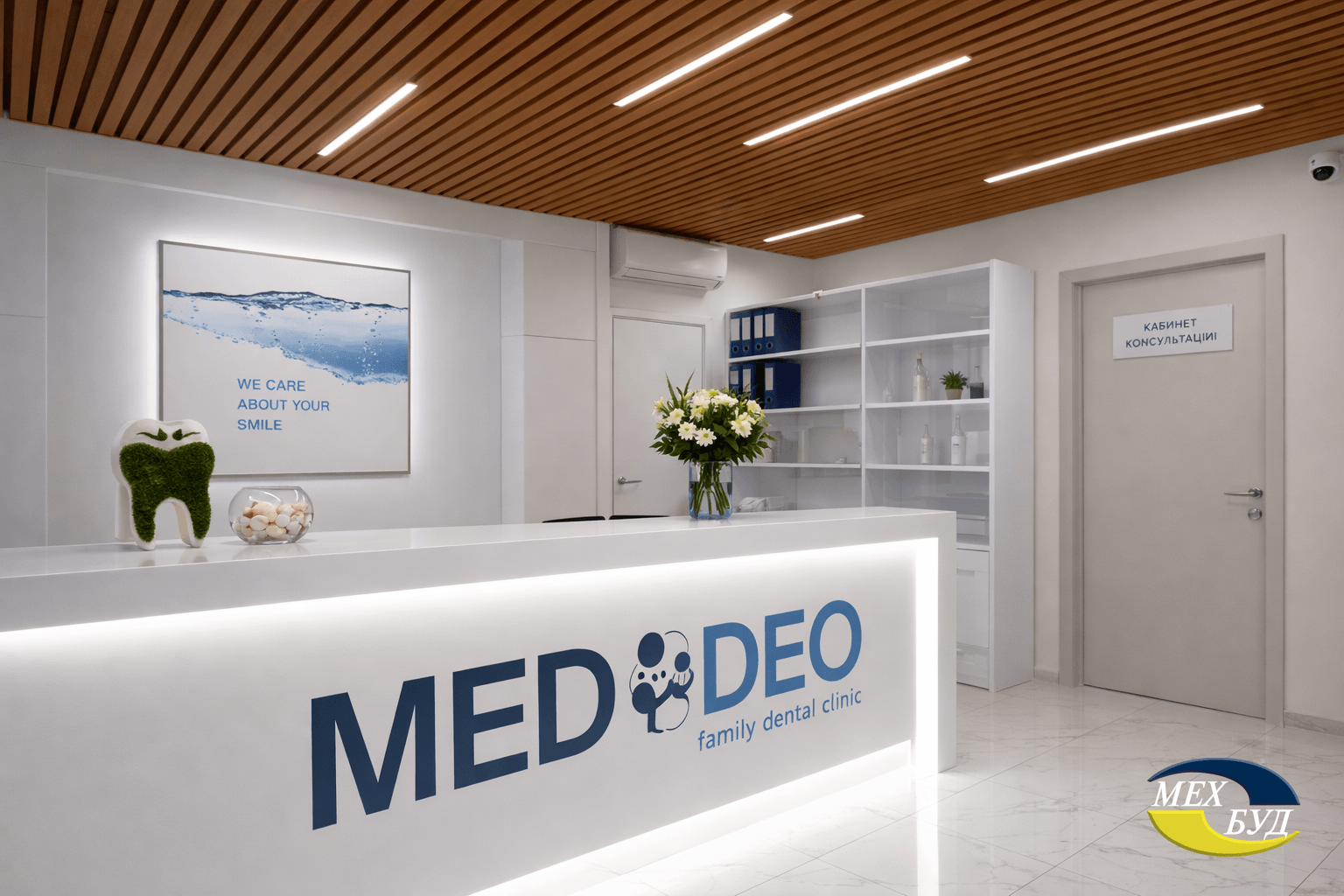
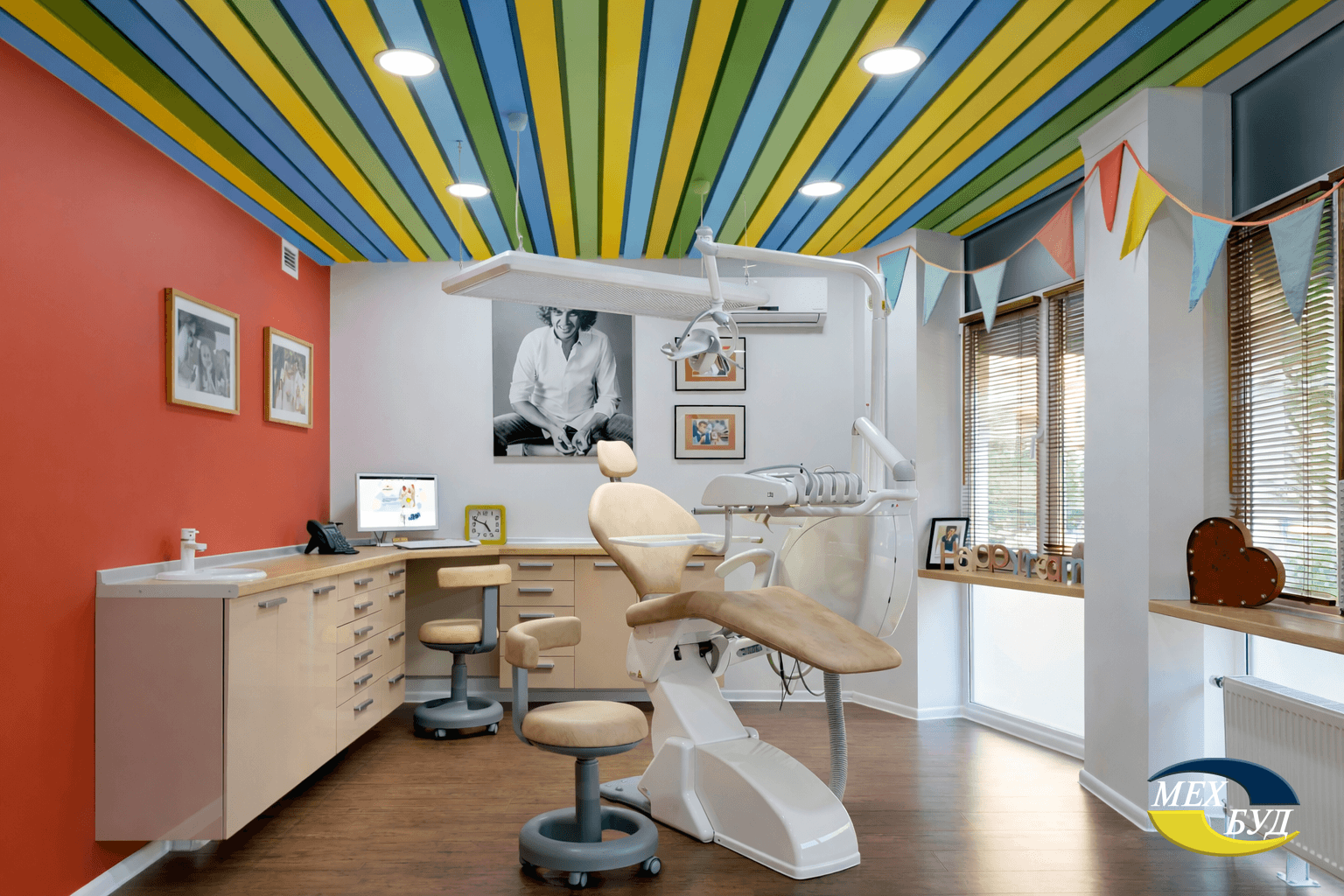
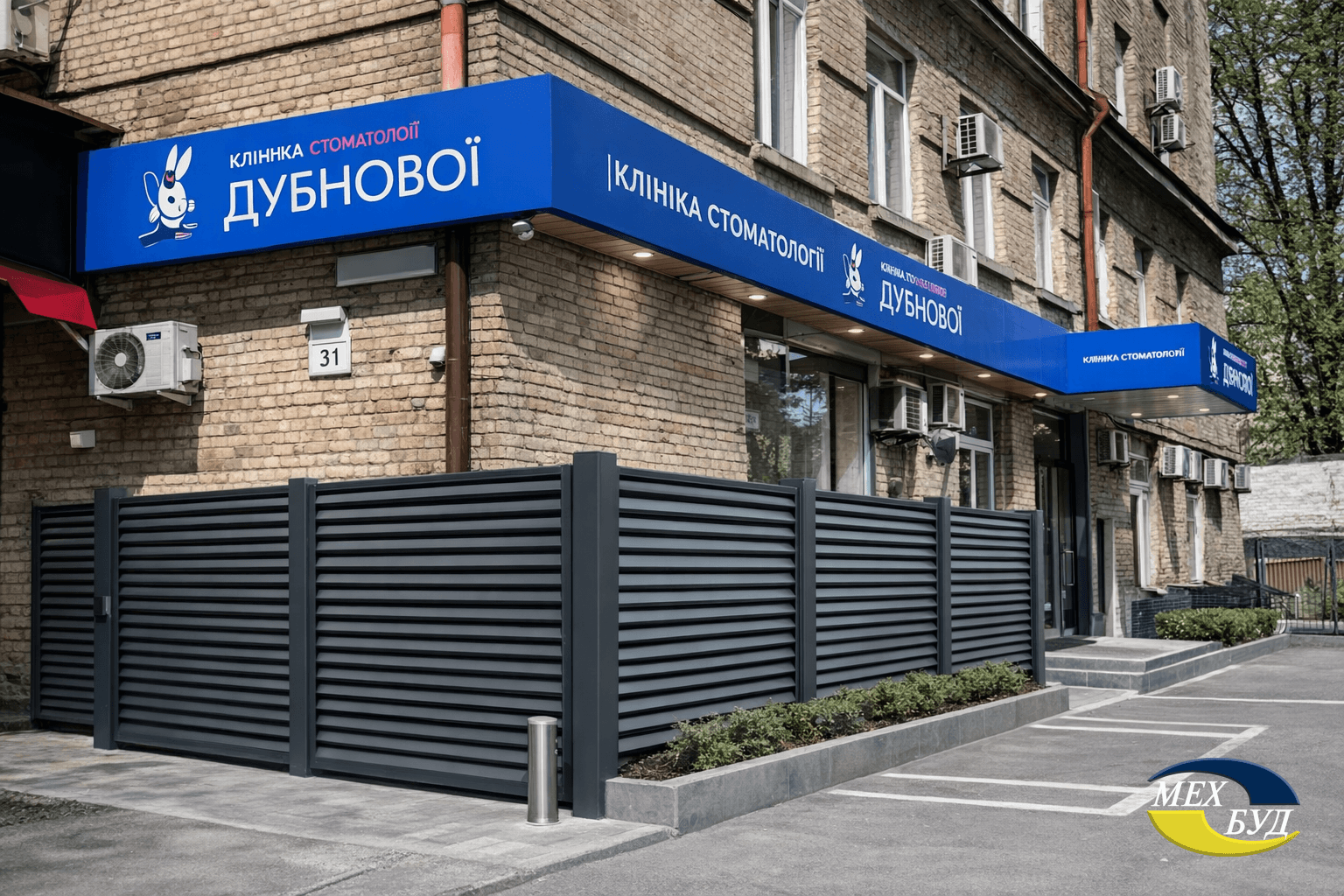
The role of innovative building solutions in this context cannot be overestimated. Modern architectural solutions in dentistry require the filigree integration of massive engineering systems — supply and exhaust ventilation with multi-level HEPA filtration, compressor stations, vacuum aspiration mains, and medical gas distribution — into a visually flawless space. To achieve this goal, architects are increasingly turning to specialized metal structures. In particular, the use of metal ceiling and facade systems with multi-layer anti-corrosion protection (zinc coating plus polymer layer) allows ensuring strict sanitary norms, guaranteeing operational durability, and creating elite aesthetics. In this segment, the Ukrainian factory “Mehbud” has secured the status of an industrial leader, offering architects cassette and Rack systems that do not yellow from bactericidal ultraviolet, easily withstand regular chemical disinfection, and elegantly hide kilometers of communications.