Analytical Report: Top 5 Futuristic Materials Competing with Galvanized Steel
Generic selectors
Exact matches only
Search in title
Search in content
Post Type Selectors

Analytical Report: Top 5 Futuristic Materials Competing with Galvanized Steel

May 25, 2026
4  

Evolution of Anti-Corrosion Protection and Modern Economic Challenges

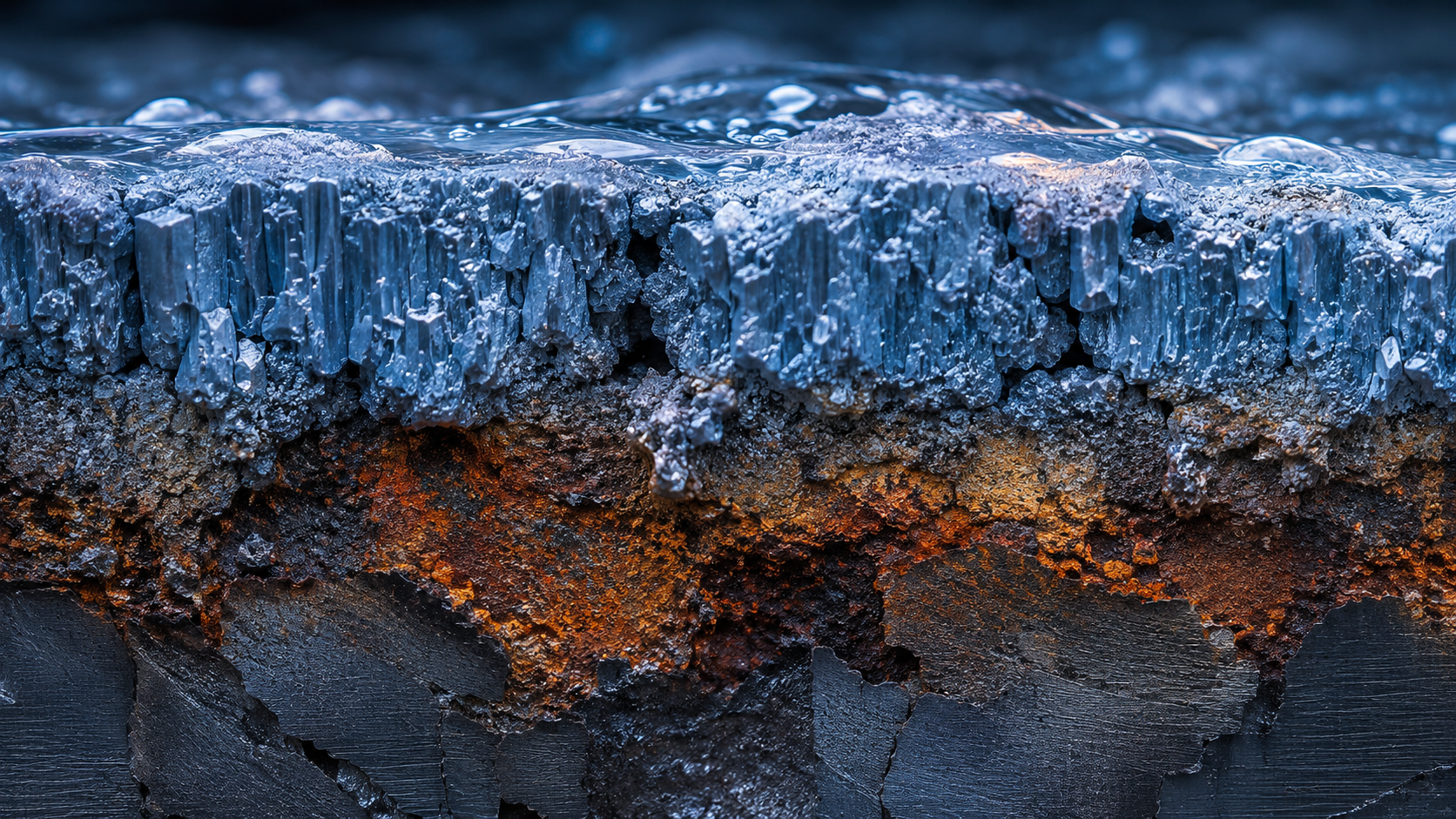
For many decades, traditional galvanized steel has remained the fundamental building block of the global industry, forming the basis for the construction of large-scale infrastructure facilities, commercial buildings, bridge crossings, and various industrial equipment. Its total dominance in the structural materials market was due to an extremely successful combination of relatively low initial production costs, high structural strength of the base iron alloy, and an effective two-stage protection mechanism against aggressive environmental factors. The first stage of this protection consists of forming a physical barrier: a dense layer of zinc reliably isolates the internal steel matrix from direct contact with oxygen and moisture molecules. The second, much more important stage, is based on the principles of electrochemistry, namely the mechanism of sacrificial cathodic protection. In the event of microcracks, deep scratches, or other mechanical damage to the surface, the zinc coating, having a higher electrochemical activity potential compared to iron, takes the entire oxidative hit. It begins to dissolve slowly, generating a galvanic current that suppresses the rusting processes of the exposed steel area, guaranteeing the preservation of the structure’s load-bearing capacity for a long time.

Depending on the thickness of the applied zinc layer, the hot-dip galvanizing method, and the specifics of the surrounding microclimate, such products can flawlessly function for twenty-five to fifty years in moderate atmospheric conditions. This solid life cycle satisfied engineering requirements for a long time, but global economic transformations, rapid industrial development, and the deterioration of the environmental situation have revealed critical limitations of this classic technology. Today, the estimated annual financial losses of the global economy directly related to the consequences of corrosive metal destruction reach a staggering three percent of the gross domestic product of many developed countries. In conditions of severe deficits in state and corporate budgets, this burden is becoming increasingly palpable. Direct life-cycle costs for maintenance, repair, and replacement of corrosion-damaged units for any large-scale project usually exceed the initial capital investment by two to five times. Even more catastrophic are the indirect losses caused by forced shutdowns of production lines, logistical collapses due to emergency bridge closures, and environmental fines for pipeline leaks—these amounts are estimated to be five to eleven times higher than the direct repair costs.

The problem of zinc coating degradation is particularly acute in extreme operating conditions. In marine coastal zones, where the atmosphere is oversaturated with chlorides, or in chemical industry facilities exposed to acidic vapors, the depletion processes of the sacrificial zinc anode are accelerated tenfold. The rapid dissolution of the protective layer leads to the exposure of the base metal, which rapidly loses its declared characteristics: tensile strength at the level of 520 to 610 MPa and a structural density of 7.85 grams per cubic centimeter. Furthermore, traditional metals are characterized by a high specific mass, which contradicts the modern vector towards the total lightweighting of vehicles to reduce greenhouse gas emissions and save hydrocarbon fuel.

The response to these challenges was an unprecedented evolution in materials science. Scientists have moved from macroscopic alloying to manipulation at the level of individual atoms and molecules. Passive protection is being replaced by concepts of materials that can independently resist chemical attacks without the need for additional coatings, withstand colossal mechanical loads with minimal mass, and even autonomously regenerate their own structure after damage. This analytical report details five advanced classes of futuristic materials that are shaping a new engineering reality and gradually, but inevitably, displacing classic steel from the most critical sectors of the industry.
1 Еволюція антикорозійного захисту

1. Nanostructured Steel: Reprogramming Internal Crystalline Architecture

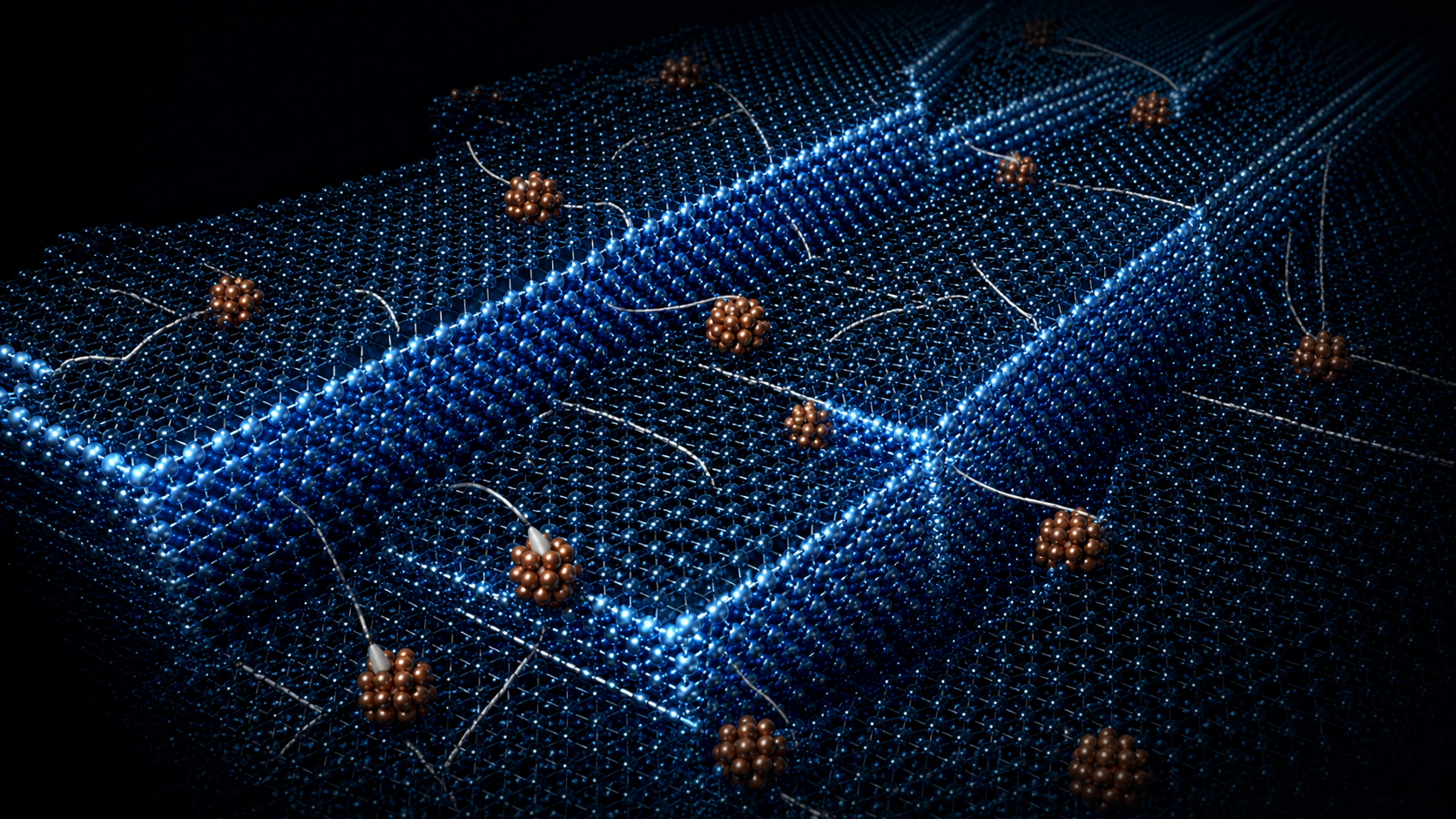
Classical metallurgical science has always balanced on the fine line between two mutually exclusive characteristics: strength and plasticity. Increasing the hardness of steel using traditional carbon alloying methods inevitably led to an increase in its brittleness, making the material vulnerable to shock loads. Nanostructured steel offers a revolutionary way out of this dead end thanks to a radical reorganization of the crystal lattice at the nanometer level. This approach involves the uniform dispersion of nanoparticles, carbon nanotubes, or the formation of an ultrafine-grained matrix using severe plastic deformation methods.

Strengthening Mechanisms and Physical-Mechanical Paradoxes

The essence of metal nanoengineering lies in the creation of tiny particles of nanocarbides (complex chemical compounds of carbon with alloying metals) and extremely small crystal grains that act as powerful internal reinforcement, preventing the movement of dislocations within the crystal lattice. Metallurgical engineers, using ultra-complex thermomechanical cycles of heating, precision cooling, and deformation processing, achieve the creation of microstructures that make the final alloy three to five times stronger than conventional rolled products. Most importantly, this incredible increase in strength is not accompanied by a loss of plasticity: the material retains the ability to bend and stretch significantly without forming main cracks.

A striking example of this breakthrough is the research on bearing steels of the GCr15SiMo and GCr15Si1Mo grades, which were specially modified to obtain the structure of so-called nanostructured bainite. Experiments have unconditionally proven that an increased silicon content acts as an inhibitor—it effectively suppresses the precipitation of large, brittle carbides during heat treatment. Instead, silicon promotes the formation of blocky retained austenite and the extremely fine refinement of the lamellar structure of bainitic ferrite. The result is a microstructure where retained austenite is the main phase providing impact toughness, while nanostructured bainite guarantees colossal hardness. This leads to a unique balance: such innovative alloys demonstrate a tensile strength of one and a half gigapascals (1.5 GPa) while maintaining uniform relative elongation at an impressive level of fifteen percent.

Key Operational Advantages Over Traditional Rolled Products

  1. Unprecedented Resistance to Cyclic Fatigue and Dynamic Aging: Classic metal structures fail from fatigue at stresses significantly lower than their ultimate strength. Nanostructured steel demonstrates an endurance limit at sixty percent of its tensile strength, compared to forty percent for conventional alloys. This effect is achieved because nanoprecipitates physically block the movement of so-called persistent slip bands, which are the primary initiation sites for fatigue cracks. In certain laboratory studies, steel modified with nanomaterials demonstrated a fantastic increase in hardness and fatigue resistance by three thousand percent compared to traditional grades.
  2. Mitigation of Hydrogen Embrittlement: In the oil and gas industry and the infrastructure of the new hydrogen economy, the penetration of hydrogen atoms into the metal’s crystal lattice causes a catastrophic drop in its strength. Nanocarbides in the latest steels act as traps, capturing and isolating hydrogen atoms. This increases the overall resistance to hydrogen embrittlement tenfold, making the material an ideal candidate for transporting ultralight gases.
  3. Extreme Thermal Stability and Wear Resistance: Zinc coatings begin to soften and degrade at elevated temperatures, and traditional steels lose strength due to recrystallization. Nanostructured alloys contain thermodynamically stable carbide precipitates that allow the material to retain its unique properties under prolonged heating up to 600 degrees Celsius. Abrasive wear resistance simultaneously increases fivefold thanks to the nanocarbide reinforcement of the surface layer.
  4. High Specific Stiffness and Mass Optimization: Certain developments, known as high-modulus steels, offer a stiffness-to-density ratio twenty-five percent higher than any commercially available high-strength steels, aluminum, or titanium alloys. The ability to produce such materials on an industrial scale and their compatibility with 3D printing technologies opens up unprecedented prospects for the cost-effective design of lightweight vehicles that previously required extremely expensive exotic materials. From the point of view of corrosion resistance, the density and defect-free nature of the nanograined surface itself acts as a powerful barrier against oxidation, often negating the need for an additional zinc layer.
2 Наноструктурована сталь

2. Amorphous Metals and Metallic Glass: Physics of Liquid in a Solid State

The fundamental weakness of absolutely all traditional metals, including ordinary, galvanized, and even special stainless steel, lies in their basic crystalline nature. As molten metal cools, atoms align in ordered three-dimensional arrays—crystal lattices. However, this process is never perfect: individual crystallization grains are formed, which grow together, forming a dense network of intergranular boundaries, dislocations, and structural inclusions. These microscopic defects play a dual destructive role. First, under mechanical stress, they concentrate stress, becoming locations for the initiation of microcracks. Second, in contact with electrolytes (e.g., salt water or moist air), these defects act as miniature galvanic cells, provoking rapid local corrosion. Amorphous metals, often referred to in scientific literature as metallic glass, completely ignore these classic metallurgical rules.

Ultrafast Quenching and Liquid-Like Structure Formation

To prevent the formation of an ordered crystal lattice, engineers use a method of ultrafast cooling (quenching) of the metal melt. The rate of temperature drop reaches incredible numbers—millions of degrees Celsius per second. Under such extreme conditions, atoms simply do not have enough time to organize into regular geometric structures, and the material literally freezes, locking into a disordered, glass-like state that is structurally identical to a liquid. To facilitate this process, the so-called “five-element rule” is used: at least five different metallic and non-metallic elements are introduced into the alloy. Different atom sizes create spatial chaos, preventing the melt from “understanding” exactly which crystal lattice it should form. While earlier this technology only allowed the production of thin foils or microwires, modern developments (e.g., projects by Oak Ridge National Laboratory and the University of Virginia, which developed the DARVA-Glass 101 material) have made it possible to create volumetric parts from amorphous steel with a thickness significantly exceeding one millimeter, paving the way for mass mechanical engineering.

Overcoming the Strength and Brittleness Paradox

Although amorphous structures lack crystal lattice defects, making them incredibly strong and absolutely resistant to chemical corrosion, for a long time they suffered from a fatal flaw—extreme brittleness. Since there are no grain boundaries in metallic glass to physically slow down the propagation of a crack, the emergence of the slightest microcrack under stress led to the instantaneous and catastrophic failure of the entire part due to the formation of a single through-shear band.

Solving this fundamental problem became one of the greatest achievements of modern materials science, realized by a collaboration of scientists from the Lawrence Berkeley National Laboratory and the California Institute of Technology. They developed an innovative palladium-based microalloy alloyed with phosphorus, silicon, germanium, and silver. The presence of palladium radically altered the material’s energy balance: the energy required to form initial shear bands became significantly lower than the energy required for them to grow into main cracks. As a result, instead of shattering like ordinary glass, this amorphous metal responds to extreme stress by forming a branched network of thousands of microscopic shear bands. A process of “plastic shielding” occurs directly ahead of the potential rupture zone, allowing the material to bend and deform with large-scale plasticity never before seen in glass materials. This material is officially recognized as stronger and more durable than any existing steel alloy.

Uncompromising Alternative for Extreme Environments

The competitive advantages of amorphous metals over galvanized steel are absolute in areas requiring unprecedented reliability.

  1. Total Resistance to Chemical Degradation: The absence of intergranular boundaries means there are no vulnerability points for oxidation to begin. Amorphous parts maintain a perfect mirror surface in concentrated acids and seawater, where a zinc coating would completely deplete in a matter of months.
  2. Wear Resistance and Elastic Limit: The elastic limit (elastic deformation before residual changes occur) of amorphous metals reaches two percent, whereas for ordinary steel, this figure is a miserable 0.2-0.5 percent. This makes them ideal for creating miniature, highly abrasion-resistant components, which is completely in line with the global trend towards device miniaturization.
  3. Evolution of Pricing: The main obstacle to the mass replacement of galvanized steel with metallic glass is the high cost of alloying elements such as palladium. However, the implementation of artificial intelligence in the development process radically accelerates the search for cheaper alternatives. For example, a joint project by researchers from the SLAC National Accelerator Laboratory and the National Institute of Standards and Technology (NIST) used machine learning algorithms to predict and evaluate the viability of twenty thousand new potential amorphous alloy formulas in just one year. This opens the way to creating inexpensive “glass steels” from widely available raw materials.
3 Аморфні метали

3. Graphene-Reinforced Composites: Integration of 2D Nanoarchitecture

While metallurgical processes are limited to working with metal crystal lattices, the composite materials industry takes a fundamentally different approach: combining several different materials that do not dissolve in each other to create a synergistic effect. Historically, composites consisted of a polymer matrix reinforced with glass fibers (a technology dating back to the 1940s). However, a true revolution occurred with the beginning of the industrial synthesis of graphene, which today is confidently winning market positions from traditional steel.

The Phenomenon of Graphene’s Physical Characteristics

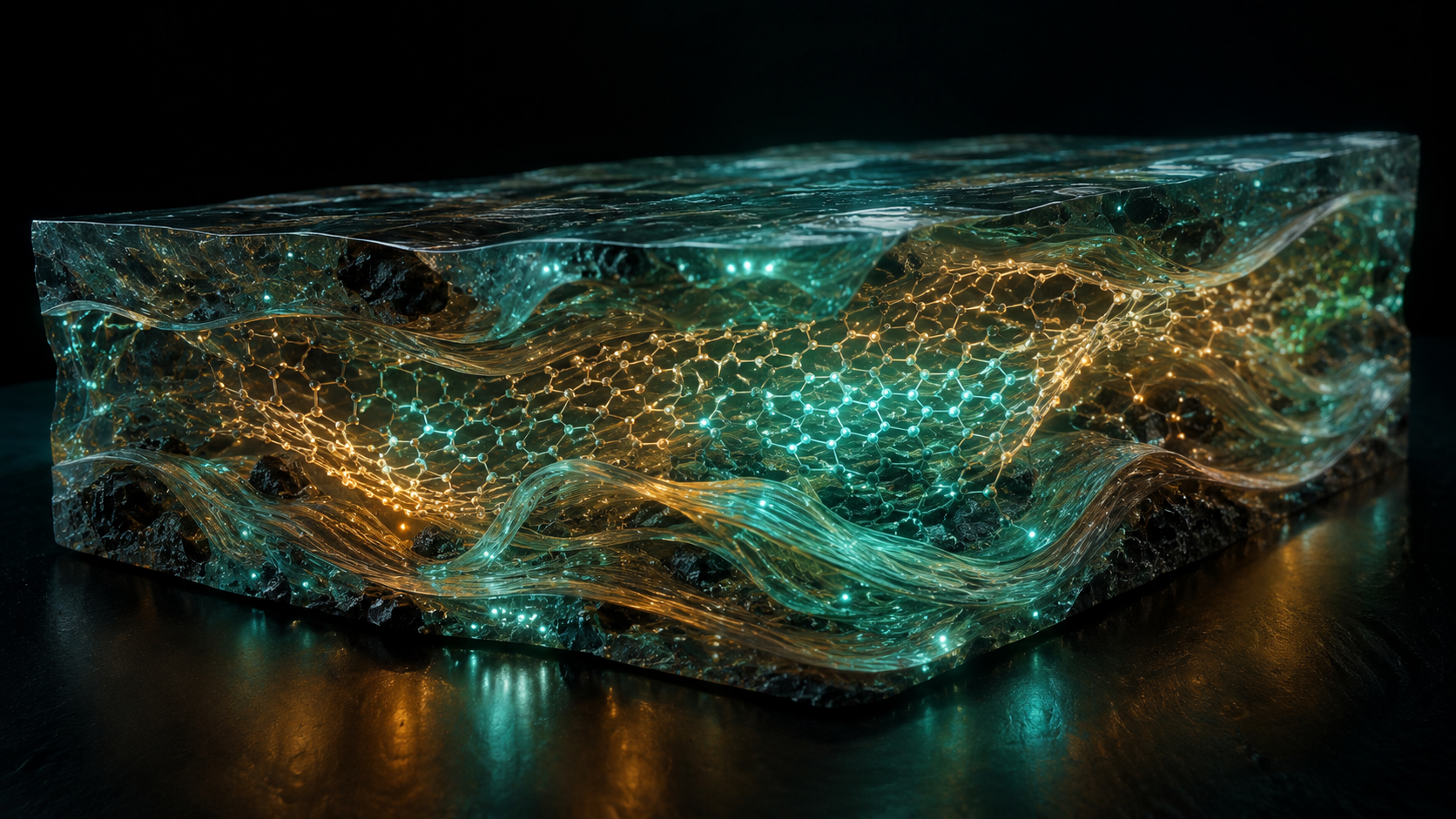
Graphene is a unique allotropic form of carbon, representing a monoatomic layer (only one atom thick) in which atoms are organized into a regular hexagonal (honeycomb) two-dimensional lattice. Thanks to the strength of covalent bonds between carbon atoms, this material possesses characteristics bordering on science fiction. The tensile strength of pure graphene is an incredible 130 gigapascals, making it approximately two hundred times stronger than any existing steel rolled product. Moreover, graphene has an extremely low density, is lighter than aluminum, possesses phenomenal flexibility, the ability to deform without breaking, and an absolute immunity to chemical degradation. High thermal and electrical conductivity make it a versatile component not only for structural applications but also for energy and electronic ones.

Revolution in Heavy Machinery and Infrastructure

Introducing even minimal doses of graphene into traditional building and polymer materials radically changes their physical and mechanical properties.

  1. Next-Generation Construction Concrete: Concrete is the most widely used construction material on the planet, but its tendency to crack and low tensile strength have always required the mandatory use of a strong steel rebar framework. Engineers from the University of Exeter have proven that adding graphene to the cement matrix simultaneously, comprehensively, and exponentially increases its compressive strength, bending resistance, and splitting tensile strength. Thanks to the nanoscale intervals between graphene structures, such concrete acquires the properties of a waterproof barrier with an extremely high specific electrical resistance. This not only makes the concrete stronger than reinforced structures but also completely blocks the penetration of chlorides to any metal elements inside, making the use of galvanized steel unnecessary.
  2. Specialized Polymer Composites: Leading companies in the chemical industry have developed lines of high-tech resins enhanced with graphene (e.g., Epoxigraph epoxy resins, Vinilgraph vinyl ester resins, and Poligraph polyester resins). The results of their use will impress any metallurgist. For example, a premium-class vinyl ester resin combined with sixty percent carbon fiber using pultrusion technology allows the creation of profiles with an astronomical flexural strength of 154,638 MPa and a tensile strength of 26,300 MPa. These figures are orders of magnitude higher than the capabilities of heavy steel rolled products, while the weight of the composite structure remains minimal, and its resistance to chemically aggressive environments is absolute. Special protective coatings, such as Gelgraph Gel Coat, guarantee perfect protection of marine vessels from salt corrosion.
  3. Transport Industry and Carbon Footprint Reduction: The railway sector is intensively transitioning to graphene technologies. The use of these ultra-strong polymers for the manufacture of rails, railcars, and suspension elements allows for a sharp reduction in the overall mass of the vehicle without the slightest compromise in safety and impact resistance. Mass reduction directly translates to lower fuel consumption and greenhouse gas emissions. Unlike galvanized steel, which requires regular painting and rust removal in the depot, graphene panels withstand the impact of any meteorological conditions and chemical reagents throughout their entire design life.
  4. Stealth Technologies and Radar Absorption: In addition to mechanical strength, new polymer matrices have been developed with a filler of hexaferrite and nanographite (the content of which does not exceed five percent of the total mass), which are capable of absorbing up to 99.9% of electromagnetic radiation in the microwave frequency range. This turns graphene composites into an ideal material for creating structures with a low radar signature, a task that metals are conceptually unable to handle.

The main obstacle to the immediate global expansion of graphene remains the difficulty in finding reliable suppliers of large volumes of the material and a lack of trust in the construction industry’s supply chains, but this problem is rapidly being solved by scaling up production capacities.

4 Композити

4. Basalt Fiber Composites: Unrivaled Non-Metallic Strength

While the aerospace technology industry is focused on using ultra-expensive carbon fiber to reduce the weight of aircraft, the global mass construction and infrastructure market has found its ideal “killer” of rolled steel—basalt plastic rebar and profiles. This material combines economic affordability, natural environmental friendliness, and impressive mechanical characteristics.

Origin Technology and Fundamental Differences

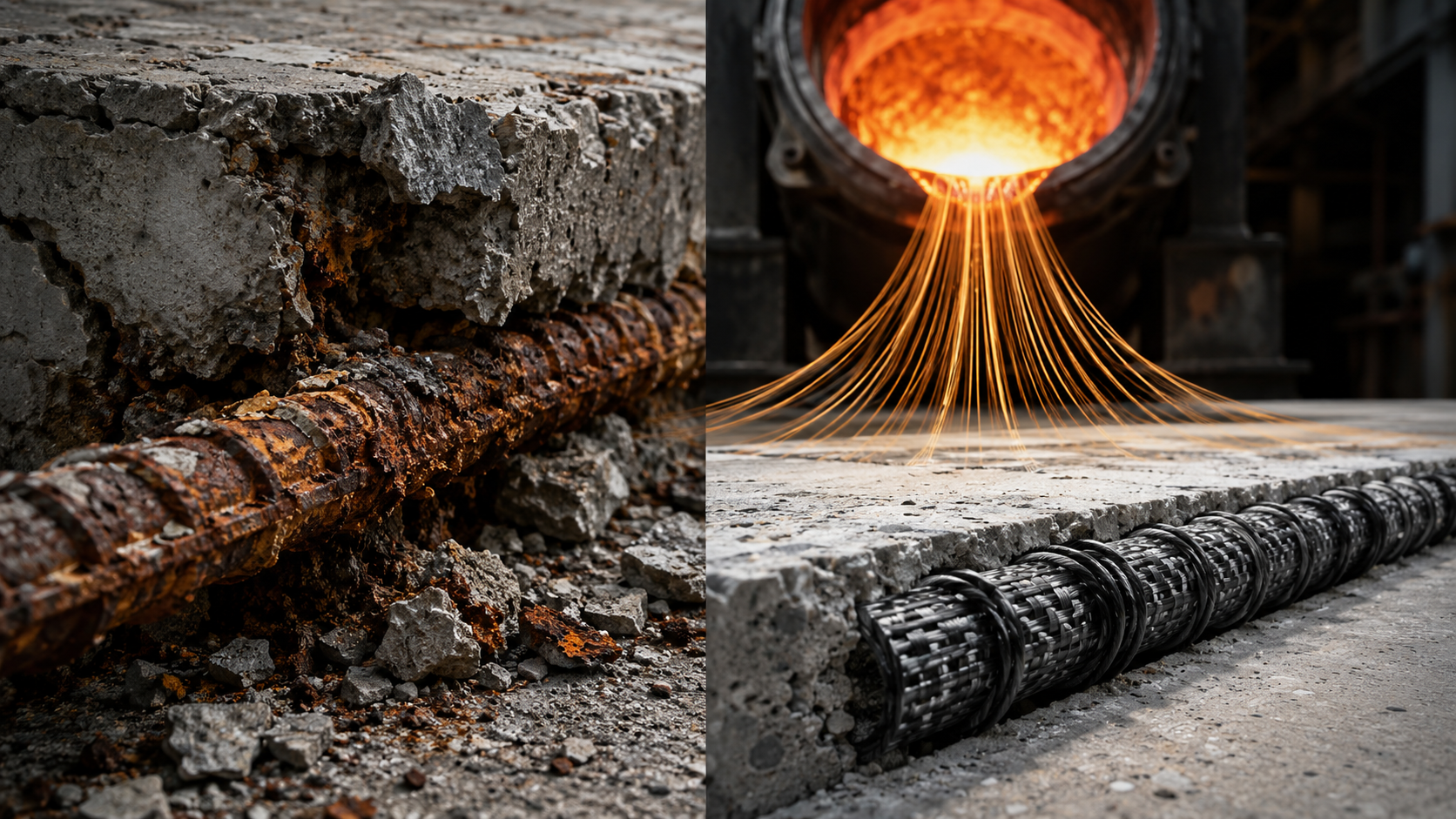
The raw material for the production of this futuristic material is an ordinary volcanic rock—basalt. The rock is melted in furnaces at ultra-high temperatures and drawn into extremely thin fibers, which are then combined into a single monolith using a polymer matrix (such as polyester, epoxy, or vinyl ester resins) through a continuous pultrusion process. Historically, fiberglass dominated the composite construction rebar market, but it had a significant drawback: the alkaline environment of hydrated cement over time aggressively affected the glass threads, causing their premature degradation and loss of load-bearing capacity. Carbon fiber is free from this drawback, but its cost makes it impossible to use when pouring ordinary highways or foundations.

Basalt fiber became the golden mean that combined the best features of both materials. It demonstrates chemical resistance and thermal stability comparable to carbon fiber, while maintaining a production cost close to traditional fiberglass.

Comparative Characteristics with Galvanized Steel

The operational gap between basalt plastic and steel products is striking. Classic steel rebar has a significant density of about 7.85 grams per cubic centimeter, and a tensile strength that rarely exceeds the 500-600 MPa mark. For comparison, the density of a basalt composite is only 2.65 grams per cubic centimeter, making it approximately four times lighter than an identical volume of metal. At the same time, the tensile strength of high-quality basalt fibers varies in the range of 2.9 to 3.1 GPa (i.e., 2900 to 3100 MPa). Simple math shows that a basalt rod is capable of withstanding loads two and a half times greater than a steel counterpart of the same diameter, while weighing a quarter of its mass. This radically reduces the cost of transportation to remote construction sites and reduces the number of workers required for the installation of rebar cages.

Material Characteristic Traditional Steel (Grade 60 / ASTM A615) Basalt Fiber Composite Carbon Fiber (Average)
Density (g/cm3) ~ 7.85 2.65 1.80
Tensile Strength ~ 500 – 610 MPa 2900 – 3100 MPa 5100 MPa
Elastic Modulus ~ 210 GPa 85 – 87 GPa 241 GPa
Corrosion Susceptibility High (rust formation, zinc needed) Zero (absolute chemical inertness) Zero
Deformation Mechanism Plastic (yield point present) Elastic until complete rupture Elastic until rupture

Table created based on consolidated physical-mechanical material data.

Changing the Construction Paradigm and Abandoning Protective Layers

The most compelling argument for abandoning galvanized iron is the elimination of the very root cause of concrete destruction. In reinforced concrete structures, steel is protected by the high alkalinity (pH) of the cement paste itself. However, over the years, under the influence of carbon dioxide (the carbonation process) or due to the penetration of de-icing salts, the pH level drops. When the aggressive front reaches the rebar, the zinc coating dissolves, and the intensive formation of iron oxides (rust) begins. Since the volume of rust is several times greater than the volume of pure metal, a colossal internal pressure arises inside the concrete, which simply tears the structure from the inside out, causing concrete spalling.

The use of non-metallic basalt plastic rebar completely removes this scenario from engineering practice. Volcanic fiber is fundamentally incapable of supporting electrochemical oxidation reactions, regardless of moisture or salt concentration around it. Due to this property, designers get the opportunity to unprecedentedly reduce the thickness of the concrete cover. If, for steel, building codes strictly require a minimum of fifty millimeters of protective concrete to prevent corrosion, then in the case of basalt, the thickness of a concrete beam or panel can be safely reduced to twenty-five millimeters (one inch) without any risks to durability. This yields colossal savings on the total volume of expensive cement mixtures and reduces the “dead weight” of infrastructure objects, opening up opportunities for the construction of thin-walled, graceful bridges and architectural forms in ecologically unfavorable or marine regions. Furthermore, due to its temperature stability and low coefficient of thermal expansion, this material is actively used to create highly durable supports for solar power plants in harsh, extreme climatic conditions. The only nuance requiring engineers’ attention is the specific nature of failure: unlike steel, which plastically yields before breaking, composites work in an absolute elastic phase and fail instantaneously, which requires different approaches to calculating safety factors for structural beams.

5 Базальтопластикові композити

5. Self-Healing Alloys and Oxide Coatings: Autonomous Molecular Surgery

The main, ineradicable drawback of the classic sacrificial cathodic protection technology is that its resource is strictly limited by the amount of zinc present on the surface. Any severe abrasive friction, an impact leading to a deep scratch, or continuous exposure to concentrated acids trigger an irreversible process of zinc layer dissolution. As soon as the reserves of the sacrificial metal in the local damage zone run out, the electrochemical protection ceases to work, and the base steel rapidly turns to oxide dust. Attempts to avoid this scenario involved regular applications of expensive polymer paints and sealants, but the manual maintenance of multikilometer pipelines, underwater piles, and giant bridges is economically ruinous. The scientific community’s response was the creation of materials capable of imitating the biological tissue regeneration processes of living organisms—self-healing materials.

Thermoactive Regeneration of Sulfur-Selenium Alloys

An outstanding breakthrough in this area is the development of an innovative anti-corrosion coating based on a lightweight sulfur-selenium alloy. This material was designed to combine the best qualities of existing systems: the ability to block moisture and chlorides (similar to zinc and chromium coatings), resistance to the aggressive environments of seawater (like advanced polymer resins), and the creation of a hostile environment for pathogenic microorganisms.

During grueling laboratory tests, engineers immersed test samples of ordinary carbon steel coated with this sulfur-selenium alloy in a seawater simulator for a month. While uncoated control samples suffered critical corrosion degradation, the treated plates showed no signs of oxidation or even discoloration. However, the most impressive test was the one against sulfate-reducing bacteria—microorganisms that colonize surfaces in aqueous environments, form biofilms, and secrete acids that dissolve the strongest marine steels (so-called microbiologically influenced corrosion). The sulfur-selenium alloy demonstrated an incredible inhibitory efficiency in destroying these bacteria at a level of 99.99 percent.

The real magic of this material is activated in the event of mechanical disruption of the protective film’s integrity. Researchers artificially cut the polymer-metal coating in half and placed the fragments next to each other. With gentle heating of the surface to just 70 degrees Celsius (a temperature easily reached under direct sunlight or via local thermal exposure), the torn edges of the alloy autonomously activated and merged into a single seamless, flexible monolithic film in less than two minutes. Deeper structural punctures or microcracks successfully healed when the temperature was raised to 130 degrees Celsius for fifteen minutes. Testing of the regenerated material confirmed that it restores its anti-corrosion capacity to a full one hundred percent, providing the exact same reliable protection of the metal as the intact, undamaged original coating.

Liquid Mechanisms in Solid Oxides and Microcapsule Therapy

Another line of research, carried out by scientists at the Massachusetts Institute of Technology, proved that solid metal oxides can behave contrary to the laws of classical physics if their thickness is measured in nanometers. Researchers discovered that if an extremely thin protective layer of aluminum oxide is applied to the surface of steel, when deformation stresses arise—which usually lead to cracking in a brittle oxide film—this material begins to behave like a viscous liquid. Instead of cracking and exposing the steel to aggressive electrolytes, the oxide stretches and “flows,” autonomously filling all gaps and defects instantly as they form. This mechanism of liquid stretching of a solid metal oxide ensures the continuity of the protective barrier under any operational deformations of the base structure.

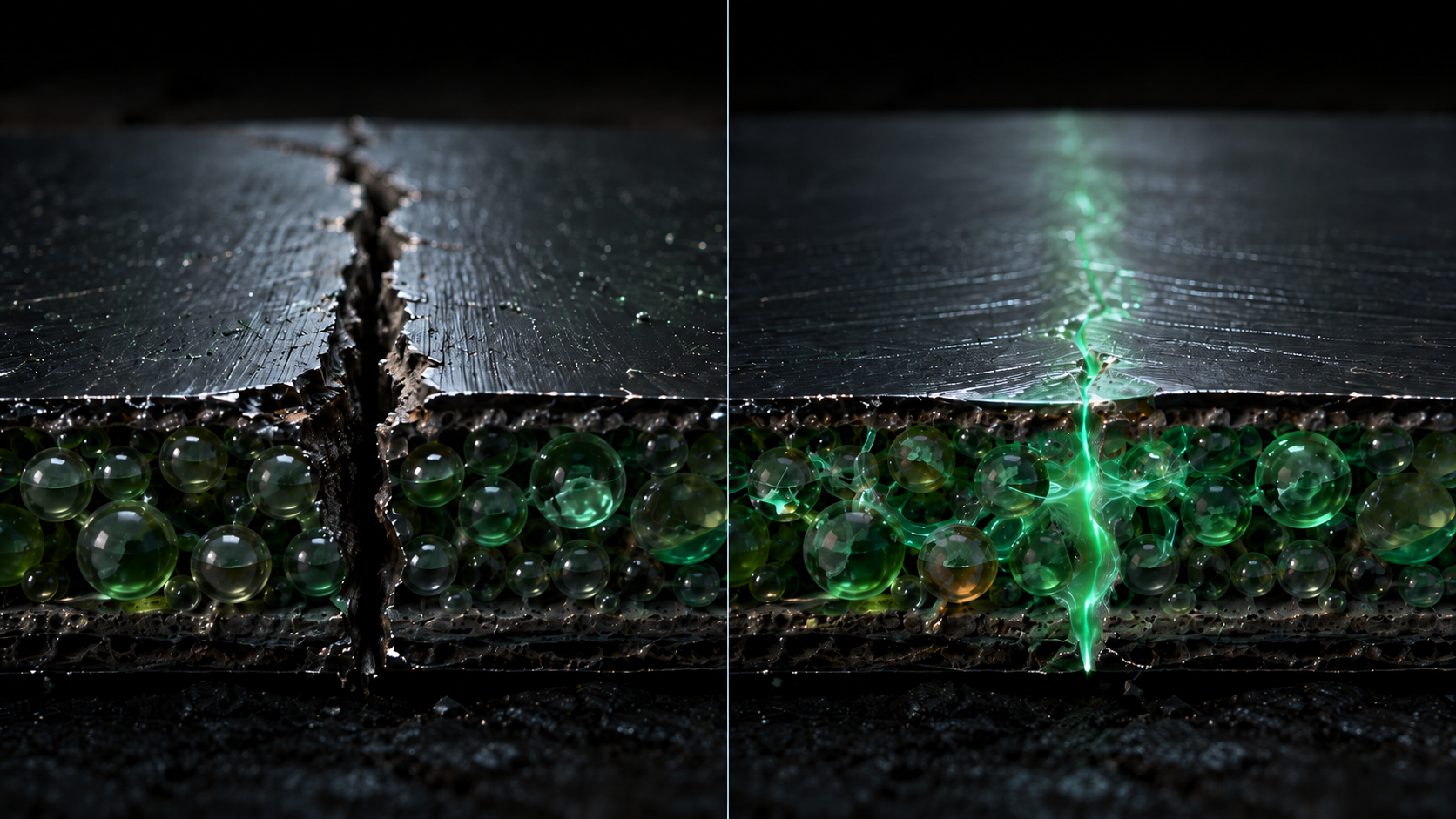
The next logical step was the integration of autonomous microcapsules filled with healing agents into protective matrices. Engineers created specialized containers using graphene oxide shells or halloysite mineral nanotubes. These microscopic reservoirs are pumped with healing substances: eco-friendly natural oils, liquid corrosion inhibitors (e.g., henna leaf extracts), or liquid polymer monomers. This multi-component mixture is applied to the surface of metal parts instead of traditional paint or over a galvanized layer. The mechanism of action is extremely simple and elegant: as soon as a crack from an impact forms in the coating, it ruptures the walls of the nearest microcapsules located in its propagation path. The healing agent, which was under the internal pressure of the capsule, is released, fills the crack cavity via capillary forces, and chemically reacts with oxygen, rapidly solidifying. This forms a new polymer patch that seals the damage without any human intervention. Such state-of-the-art solutions are recognized as critically necessary for protecting the exterior metal elements of submarines, bathyscaphes, and deep-water robots, which are constantly subjected to the destructive effects of extreme, periodically changing hydrostatic pressure and the aggressive chemistry of the salty ocean.

6 Самовідновлювані покриття

Economic and Management Analysis: Revising Life Cycle Cost (LCC)

The technical flawlessness of futuristic materials would make no sense without their economic justification. The global infrastructure industry has long been hostage to a flawed management paradigm, where material selection was determined solely by the initial capital investment budget. In this coordinate system, traditional hot-dip galvanized steel looked like the undisputed leader due to the constant optimization of processes at metallurgical plants over the past decades. However, this approach completely ignores the realities of operation. The life cycle cost calculation method offers fundamentally different mathematics, combining start-up costs, ongoing maintenance funds, energy consumption, repairs, and final disposal of the facility into a single financial indicator.

Mathematical analysis conducted according to the methodologies of leading global associations relentlessly proves that for any industrial, coastal, or infrastructure projects whose design service life exceeds twenty years, traditional galvanized steel begins to generate colossal cumulative losses. Even using classic alloyed stainless steel in the medium term turns out to be a more economically viable step, as it completely eliminates the need for periodic application of anti-corrosion coatings and the replacement of rusted units. The introduction of future materials turns the concept of loss-making maintenance into a story of absolute reliability.

Monetizing Reliability

  1. The operation of innovative basalt plastic rebar instead of heavy metal rods allows investors to reduce the direct life cycle costs of a reinforced concrete structure by a fantastic fifty-six percent. This is achieved through the elimination of the cost item for replacing rust-damaged concrete and the ability to radically reduce the thickness of the concrete structure itself.
  2. Graphene-infused composites demonstrate unsurpassed cost-effectiveness in the transport and aerospace industries. Reducing the total mass of railway cars, aviation fuselages, or electric vehicle bodies by tens of percent translates into direct daily savings on fuel and electricity over decades of machine operation. For example, when using carbon polymers to replace traditional mild steel parts, a weight reduction of a specific part by sixty percent is achieved, which on the scale of an automobile fleet saves billions of liters of fuel annually. At the same time, the absolute corrosion resistance of graphene resins prevents equipment downtime in hangars for body repair.
  3. The introduction of amorphous metals in the precision engineering industry and the creation of micromechanisms eliminates the need for regular lubrication and replacement of friction-worn gears and bearings, as the surface of metallic glass is virtually immune to abrasive depletion.
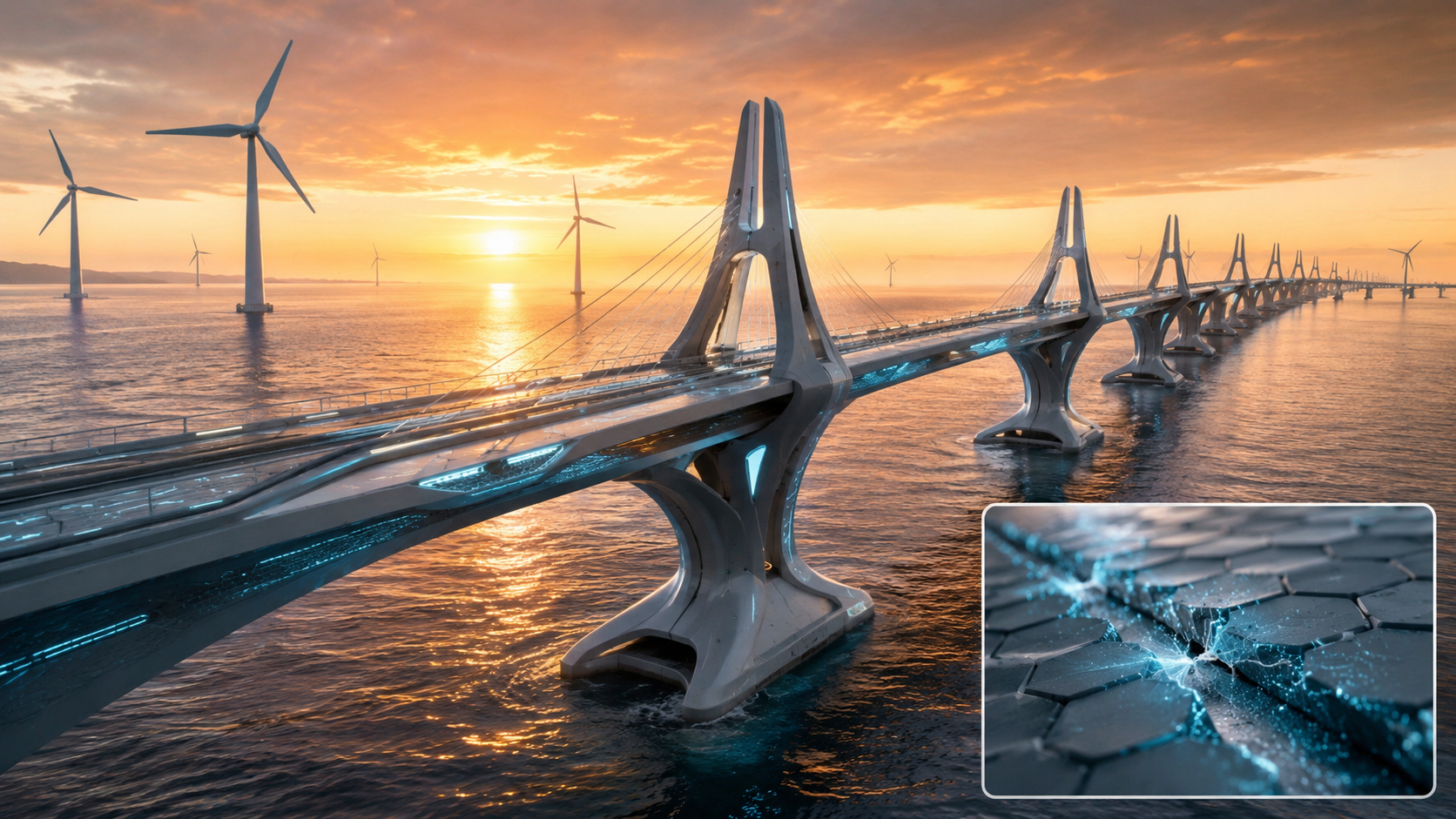
  4. Self-healing oxide barriers and microcapsule systems completely abolish the concept of “periodic maintenance” for hard-to-reach infrastructure objects (such as offshore wind turbine foundations, underwater gas pipelines, or bridge structures). They act as autonomous repair crews, instantly preserving any structural breaches.
7 Нова технологічна парадигма

Conclusions: Forming a New Technological Paradigm

A deep analysis of development trends in global materials science, backed by the results of large-scale laboratory tests and real economic calculations of life cycle costs, allows us to form an unequivocal verdict: the era of unconditional dominance of galvanized steel in infrastructure and industrial construction is coming to its logical end. While classical metallurgical processes (hot-dip galvanizing) will remain in demand for some time in the segment of budget, short-term projects or in calm climatic zones with a minimal level of chemical threat , high-tech, transport, and energy industries are already actively undertaking a systemic transition to materials of a fundamentally new organizational level.

The vector of this inexorable evolution branches into three main directions, each aimed at eliminating the fundamental vulnerabilities of traditional metals. The first direction focuses on the total architectural restructuring of metals at the nanometer level. Nanostructured steel and innovative amorphous metal alloys have proven their ability to ignore classical trade-offs between strength, brittleness, and weight. By forcing melts to solidify without forming imperfect intergranular boundaries, or by artificially refining grains and blocking dislocation movement with stable nanocarbides, scientists have created metals capable of plastically deforming under colossal loads without breaking. These materials demonstrate a multiple increase in fatigue life, incredible elasticity, and absolute resistance to the initiation of galvanic couples. The second direction involves a complete rejection of the concept of all-metal profiles in favor of ultra-light, composite structures. The extrusion of volcanic magma in the form of basalt plastic and the integration of two-dimensional graphene lattices into epoxy polymers and concrete matrices destroy the very possibility of corrosion at the molecular level. The non-metallic nature of these materials, combined with a phenomenal tensile strength reaching hundreds of gigapascals, makes them the undisputed choice for building aerospace vehicles, high-speed locomotives, marine docks, and earthquake-resistant skyscrapers, where every kilogram of mass directly affects energy consumption and operational safety. The third direction opens the door to the era of biomimetic, “living” materials that possess the property of self-healing. The polymerization of liquid agents from microcapsules, the thermal activation of sulfur-selenium alloys, and the hydrodynamic behavior of nanometer aluminum oxide layers shift the concept of engineering protection from passive observation to active autonomous regeneration.

Abandoning morally obsolete concepts of zinc coating in favor of these revolutionary technologies requires investors’ readiness for higher initial capital investments. However, as the inexorable laws of life cycle mathematics testify, these investments more than pay off over the following decades due to a drastic reduction in repair costs, minimization of structural mass, and guaranteed structural integrity under the most aggressive external influences. Futuristic materials are no longer an object of theoretical discussions—today they form the physical framework of a new, sustainable, and energy-efficient future for humanity.

author
Alexander Guk
About the author:

Our expert in fencing structures has over 5 years of experience working at the Mehbud factory. Helps you choose the optimal design and model of fencing according to your needs. Professionally deve...

More
0 0 votes
Article Rating
Subscribe
Notify of
guest
0 Comments
Oldest
Newest Most Voted
Inline Feedbacks
View all comments