

Opting for a white fence can be considered a bold choice—both in terms of design and practicality. Despite this, white fences are quite popular, albeit within certain niche markets. Therefore, it’s worth giving this option some attention—especially since many manufacturers of fencing structures now offer not only pure white options but also their variations.
In this article, we will explore the use of white in landscape design, particularly in the coloring of fences.
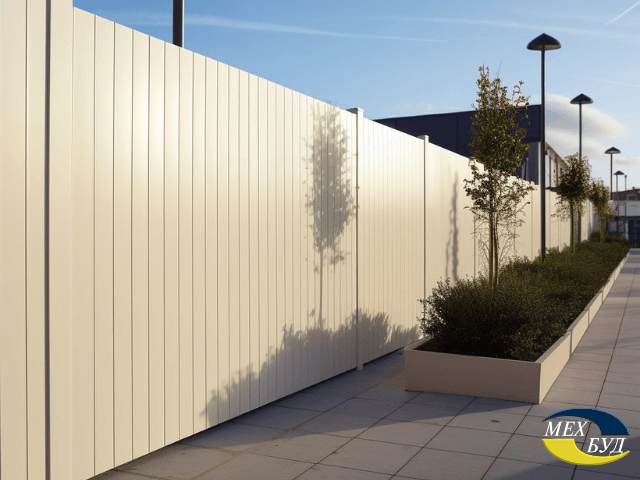
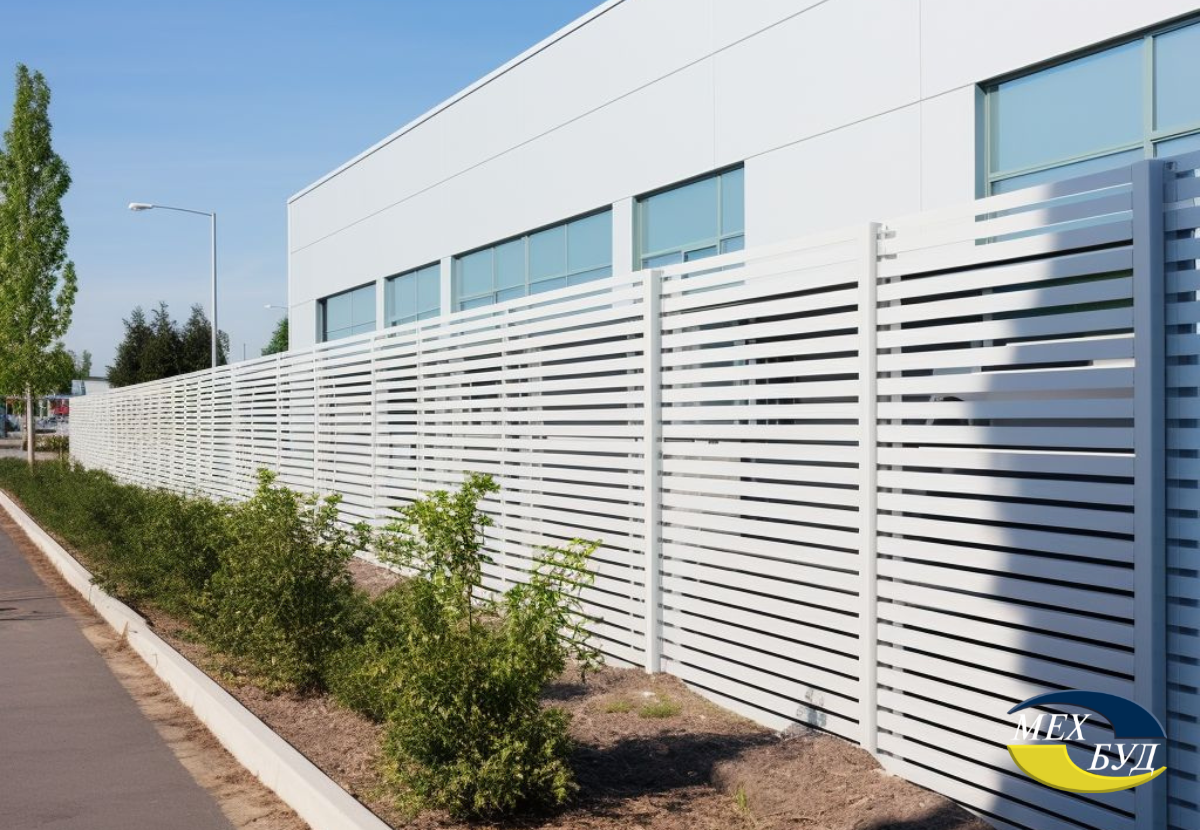
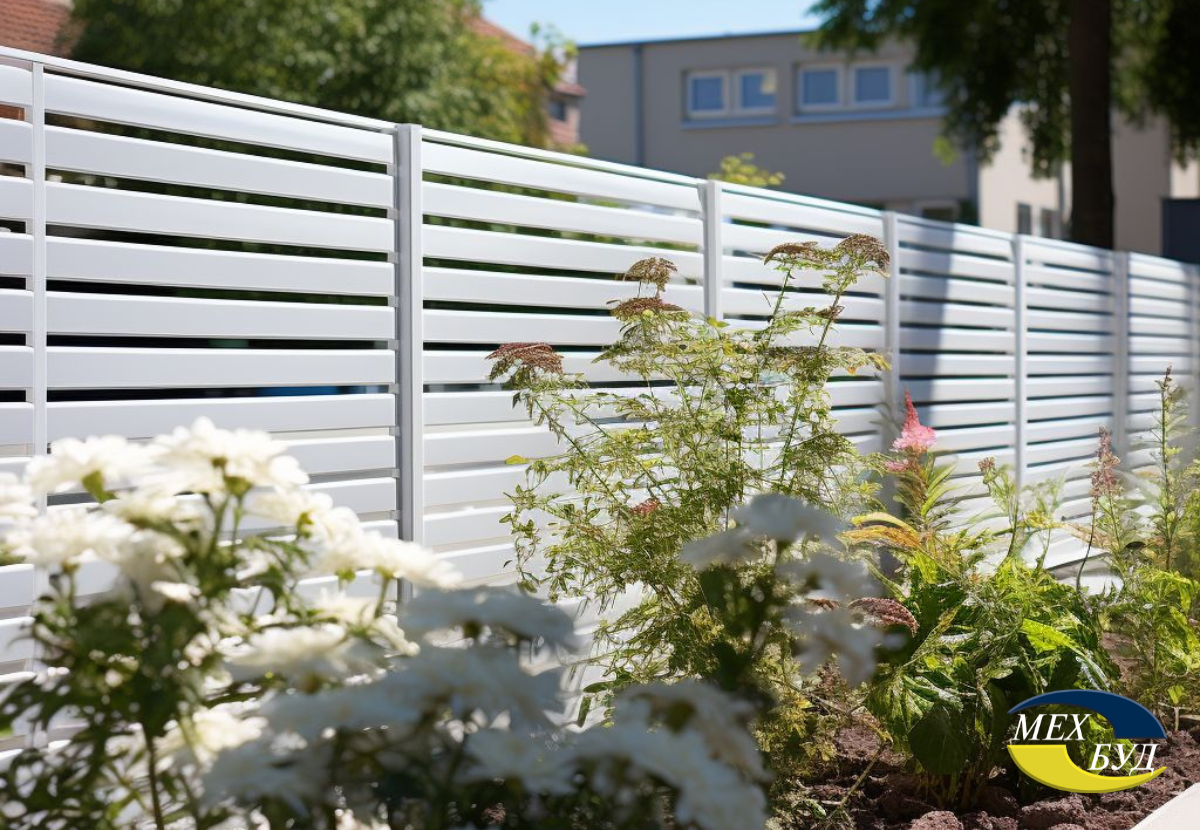
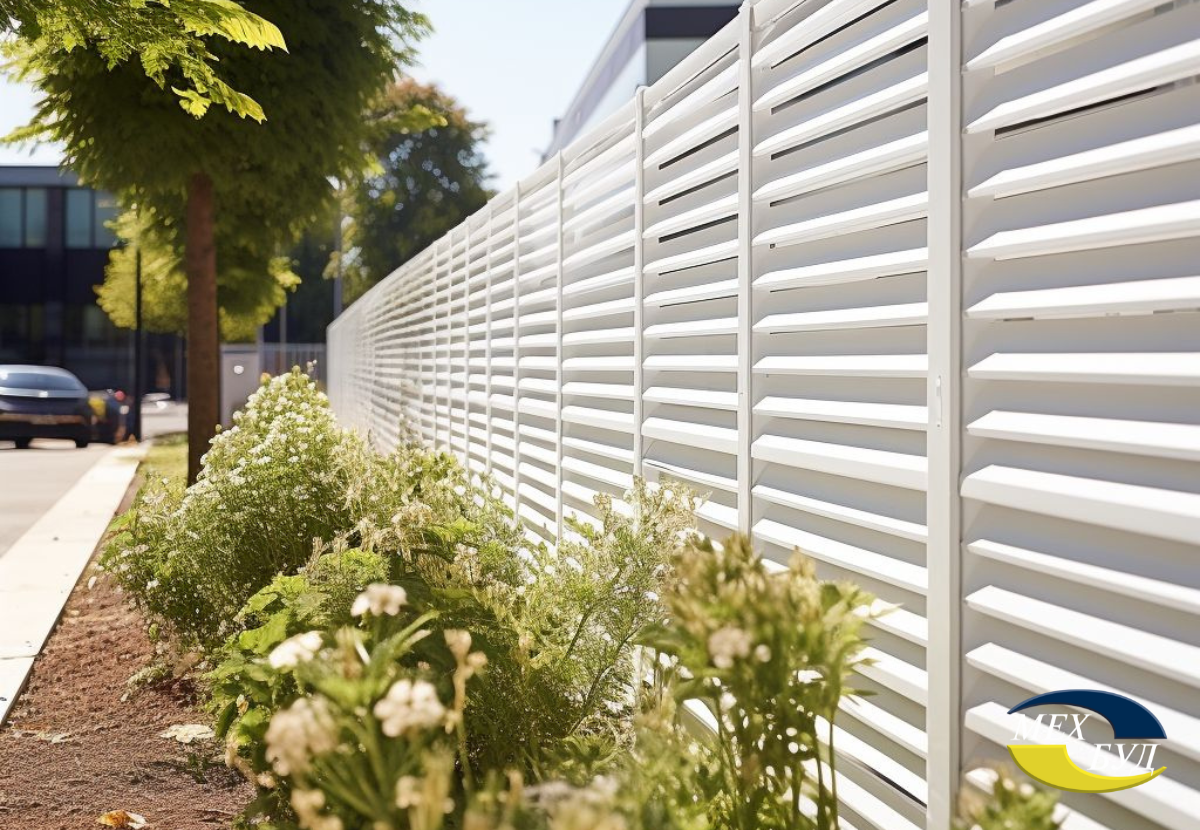
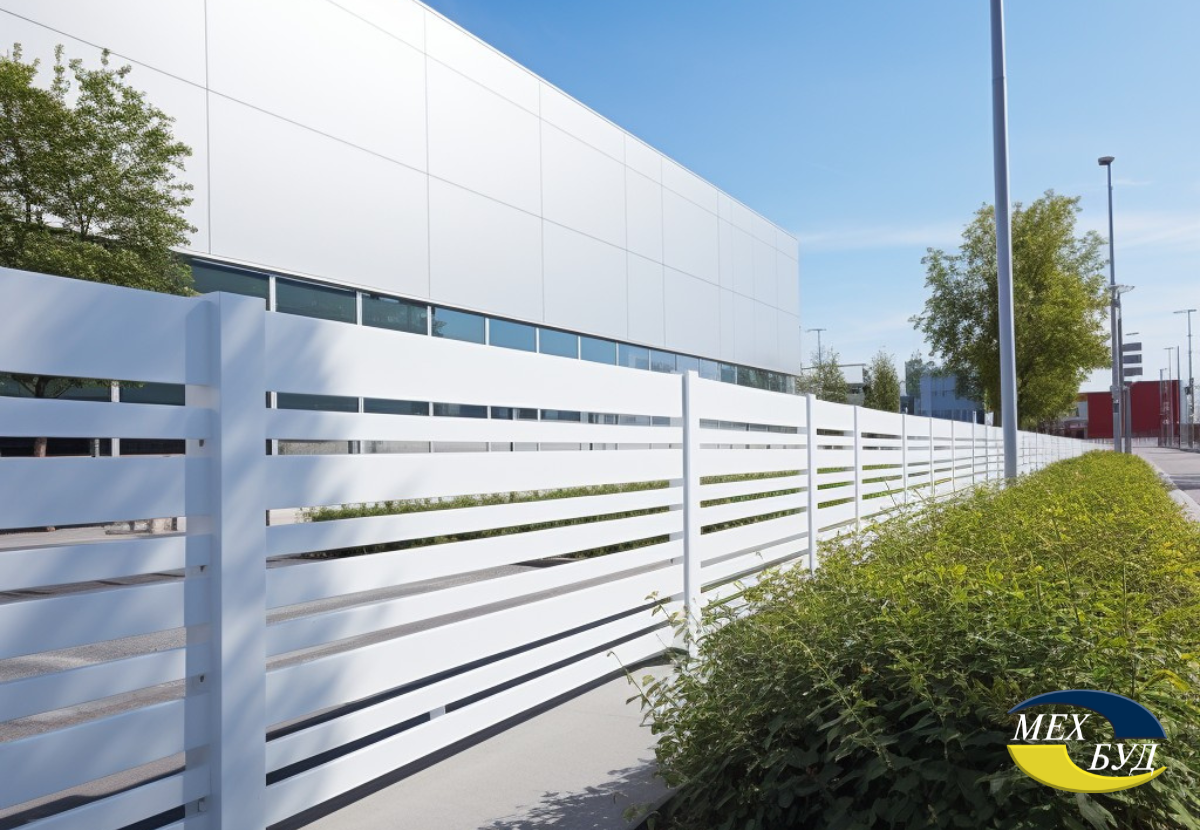
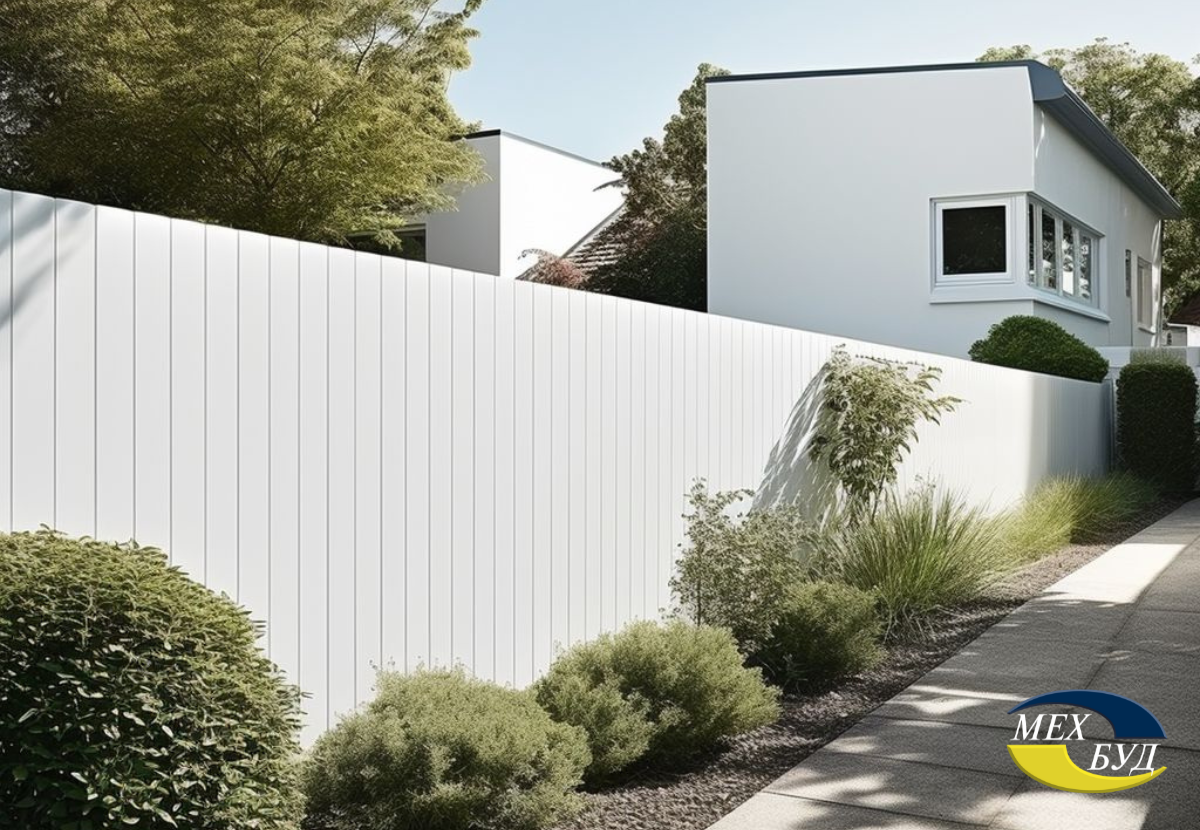
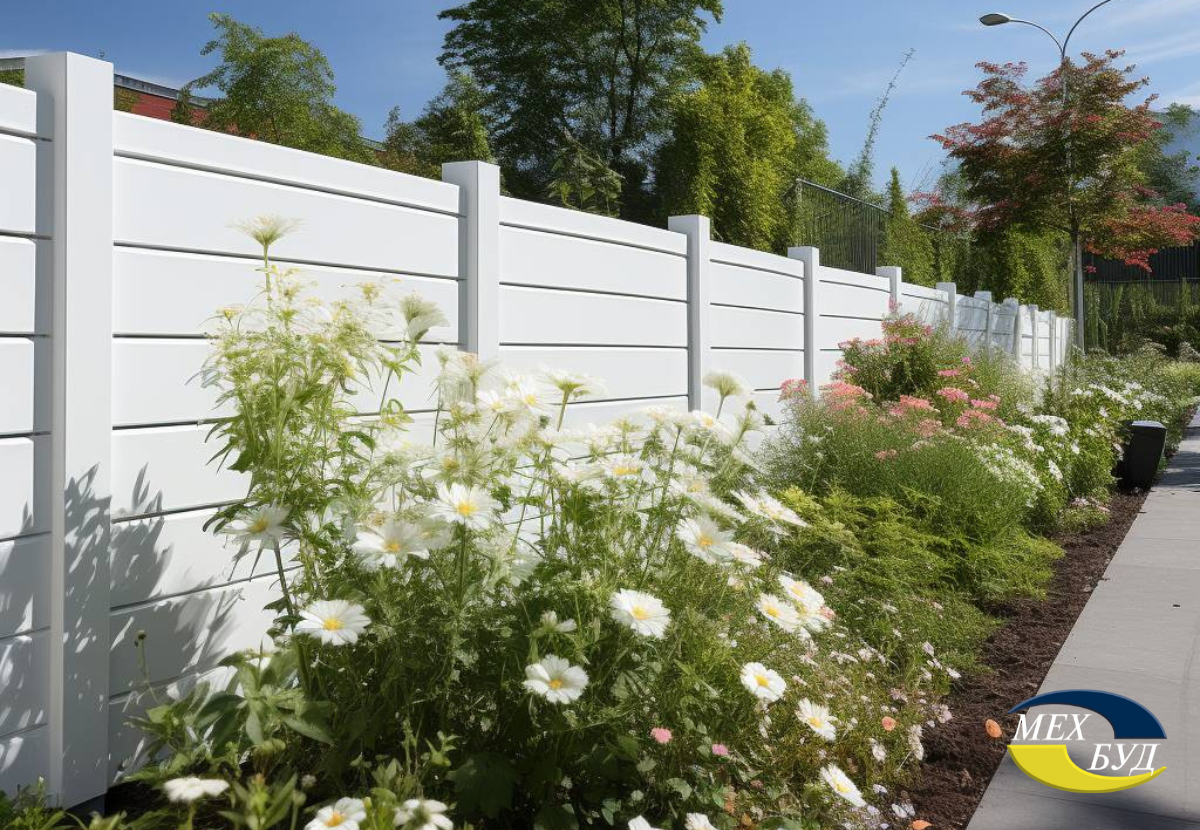
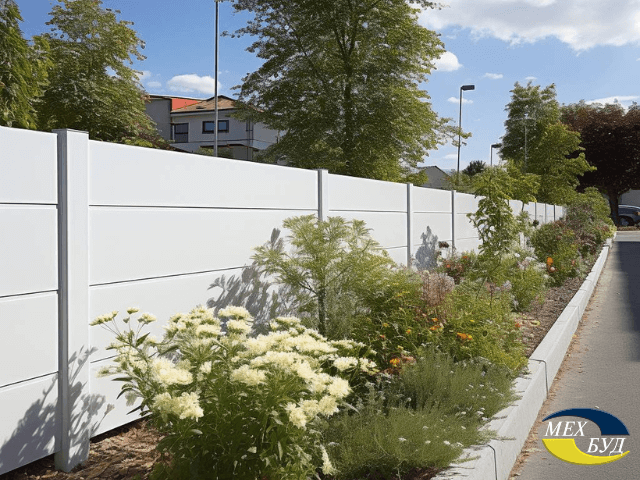
White in Landscape Design: The Psychology of Perception
White is one of the simplest yet most complex colors to analyze. In design overall, and particularly in landscape design, white is typically positioned as:
- A background color, the default shade against which objects in more saturated colors stand out in contrast.
- A color that expands space and increases the amount of natural light (as white surfaces reflect sunlight well).
- A universal color that harmonizes well with most shades. While white creates a contrasting monochrome picture with black and other dark colors, it acts as an enhancer when combined with warm tones (yellow, red, orange).
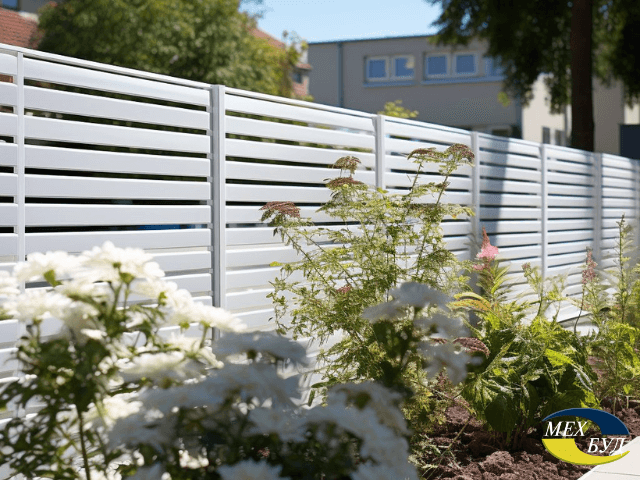
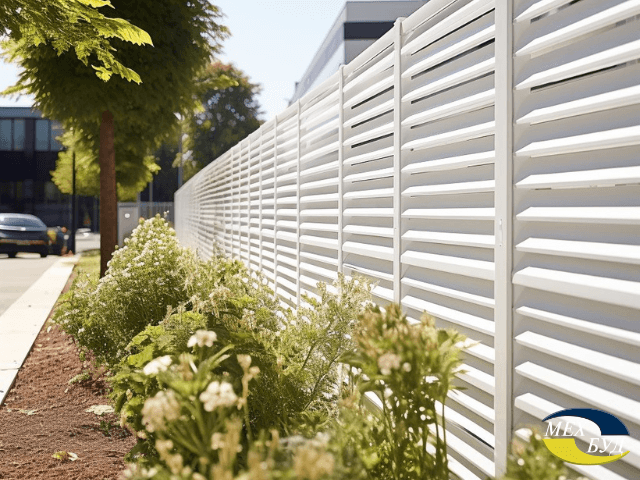
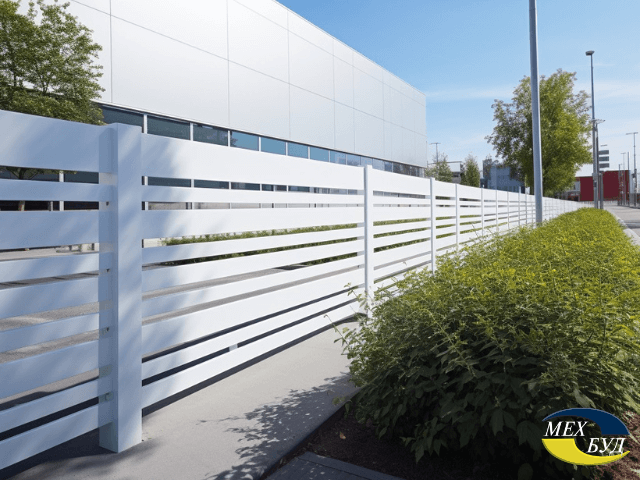
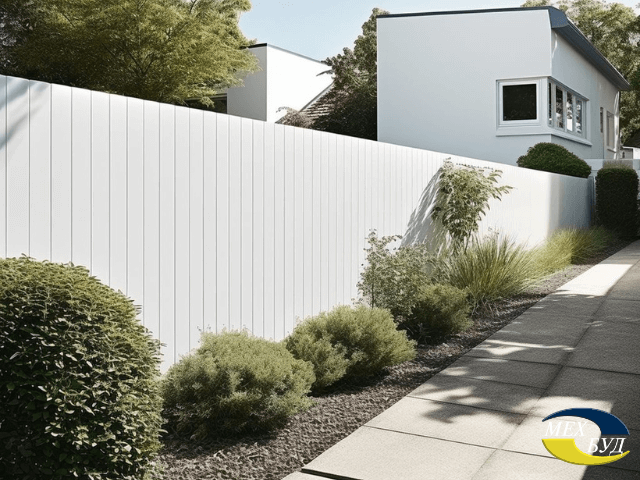
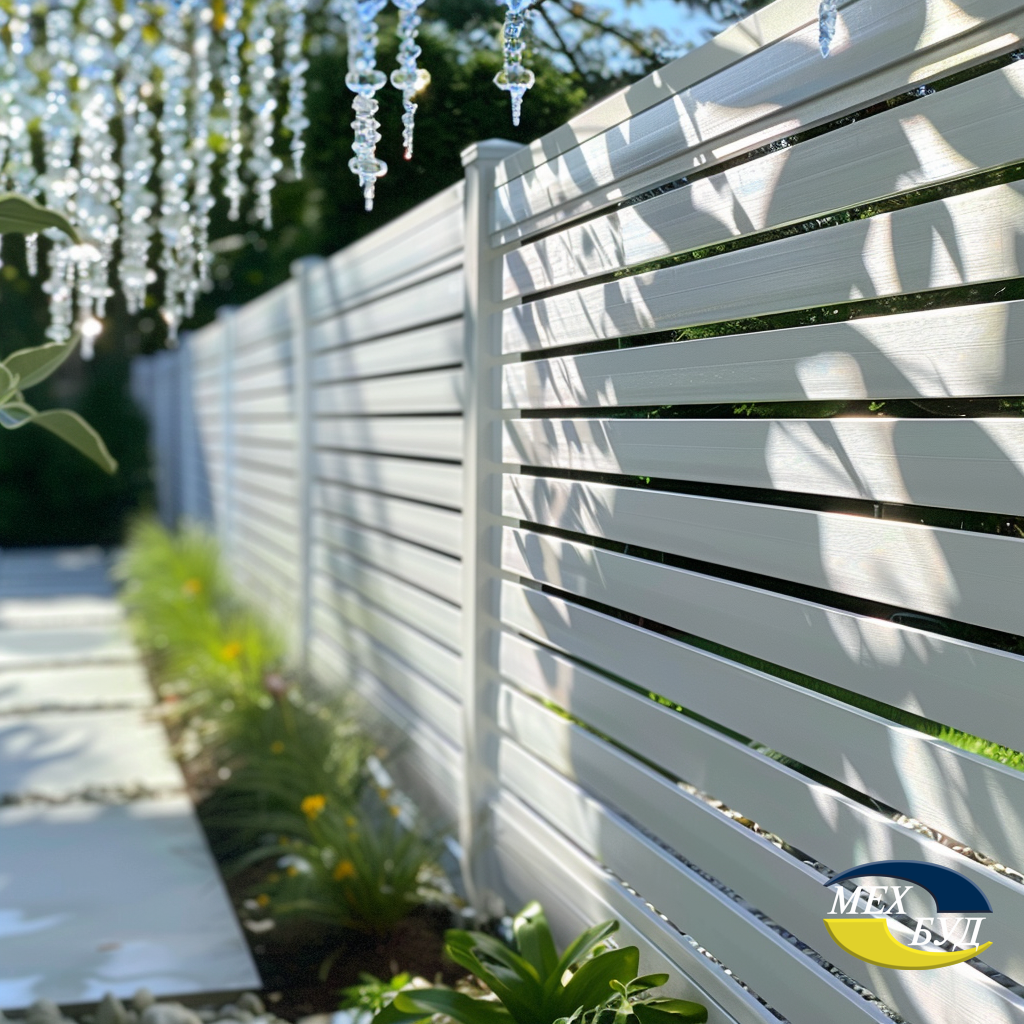
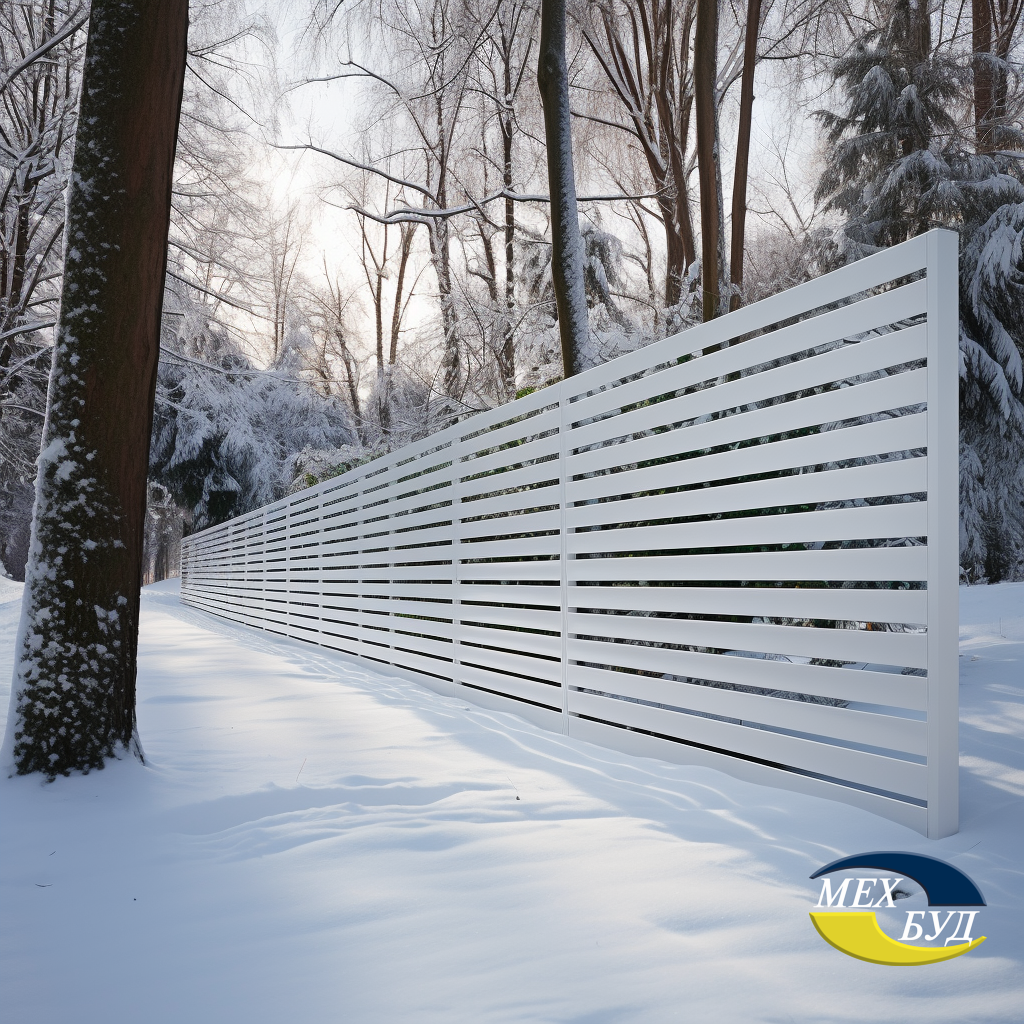
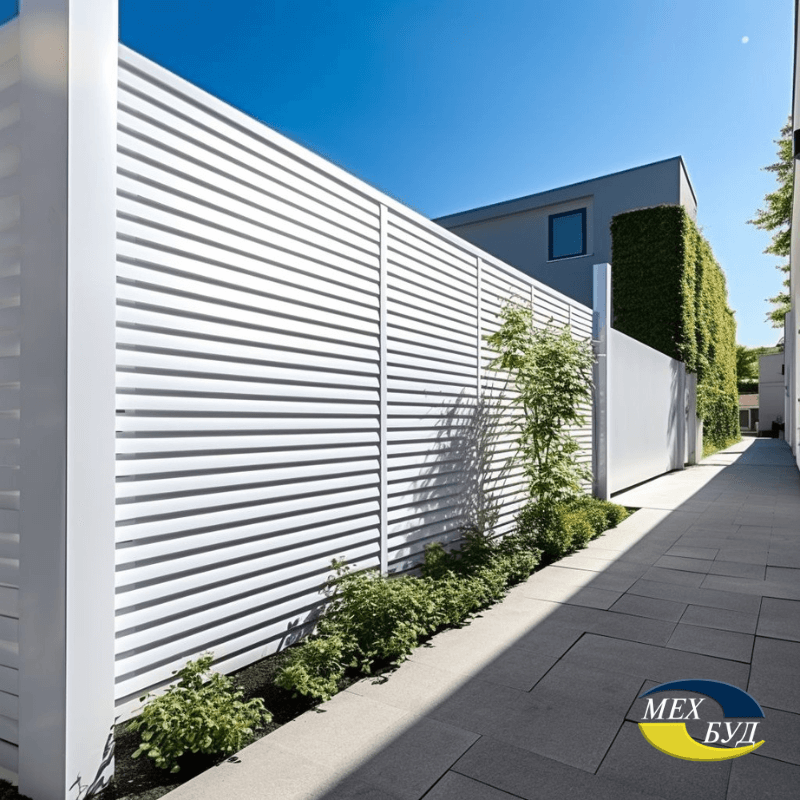
Thus, white is often used for painting large areas, particularly house walls. White is also a good choice for painting fencing structures: on the one hand, it clearly defines the boundary of the area, and on the other, a white fence serves as a visual backdrop for any objects.
In addition to pure white, various shades such as light gray, off-white, cream, or beige can also be used in design.
White Fences Made from Different Materials
Modern technologies allow for the creation of white fences from various materials:
- Cast Concrete Fences Painted White: This is one of the simplest and most accessible solutions. Even if the concrete structure itself has a basic texture, the white color can “rescue the situation”: it not only hides the gray concrete but also provides a background for any bright spots.
- Wooden Fences Painted White: This is also a common choice. A white wooden fence combined with an emerald green lawn creates the classic palette of townhouses in Europe or the USA. So, this concept is worth considering for implementation.

- Finally, white polymer paint for metal is an ideal solution both from a design perspective and in terms of fence maintenance. A high-quality panel fence with a white polymer coating not only retains its original color for 10 years or more but is also easy to maintain—most dirt can be washed off with a hose.
Is a White Fence Impractical?
The main drawback of a white fence is obvious—dirt on a white surface is highly visible. If the fence is not regularly maintained, it will look untidy and negatively impact the overall appearance of the property.
Thus, it’s essential to consider this characteristic of white fences and choose to install them in:
- Locations that are not adjacent to major roads or streets with heavy pedestrian traffic: In such areas, in addition to dirt from traffic, vandalism might also be a concern.
- Areas with dense gravel, sod, or artificial surfaces: Sand, clay, or exposed topsoil will quickly end up on the fence.
- Private properties or sites with sufficient staff for fence maintenance and cleanliness.
When it comes to practicality, white color is quite sufficient. With regular maintenance and high-quality coating (such as polymer materials based on PVDF, plastisol, or polyester), unstable dirt can be washed away in a few minutes, after which the fence will look immaculate once again.
Maintenance of White Metal Fences
To keep a white metal fence looking beautiful and durable, follow these simple recommendations:
- Regular Cleaning: Wash the fence with a soft sponge or brush using a soapy solution to remove dust and dirt. This will help maintain its fresh and neat appearance.
- Rust Protection: If you notice small areas of rust, treat them with anti-corrosion agents and touch up the paint. This will keep your fence in excellent condition.
- Color Preservation: To keep the white color bright, choose paints with UV protection during the initial painting or when updating the coating.
- Weather Resistance: For additional protection against moisture and other elements, apply a special protective coating to extend the fence’s lifespan.
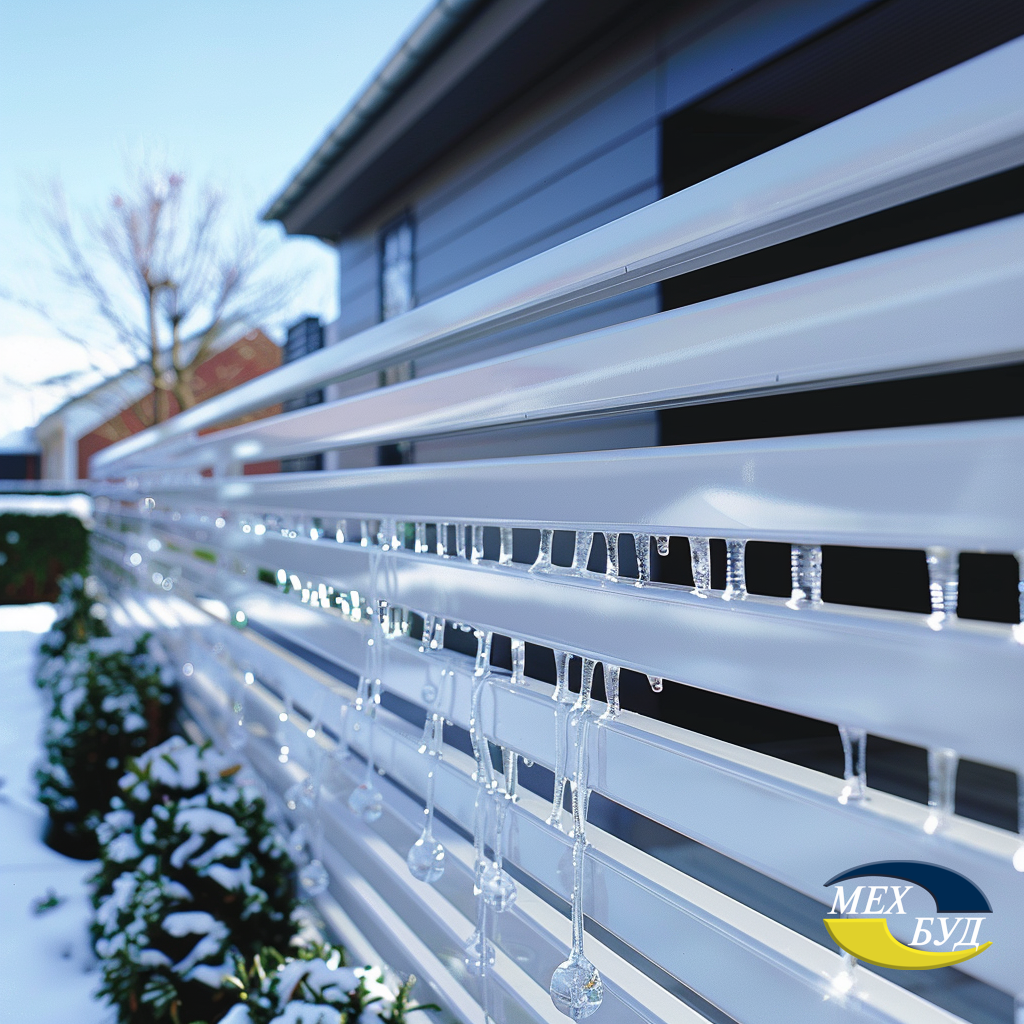
- Seasonal Care: Conduct inspections in spring and autumn to clean the fence of debris and ice, which will help keep it in perfect condition.
These recommendations will help your white metal fence remain strong and attractive for many years.


Related articles
Arrangement of surface drainage systems along metal fences and paths
Surface drainage for walkways and fences: protect paving and pavers from settling and water damage. Expert guide on effective channel selection.
Fence Installation on Challenging Soils: Foundation Mistakes and Solutions
Installing fences on difficult soils: foundation mistakes, frost heave, pile selection, and drainage. Expert tips for a durable enclosure.
Comprehensive design of metal fencing systems for pet safety: engineering, architectural, and veterinary aspects
How to choose a safe fence for dogs and cats? Analysis of modern metal fencing: reliable protection against climbing, digging, and injuries.