Transformation of the Export Paradigm: Challenges and Strategic Imperatives
The Ukrainian metallurgical industry and the manufacturing sector of metal structures are in a state of deep structural transformation, driven by an unprecedented combination of macroeconomic, geopolitical, and regulatory factors. As of 2026, the industry operates under the simultaneous pressure of the consequences of military actions, logistical constraints, a shortage of qualified personnel, high energy prices, and the growth of steel imports into the domestic market. Under these conditions, reorienting towards export markets, primarily to the European Union countries, has become not just a development vector, but the only survival strategy for many manufacturers.
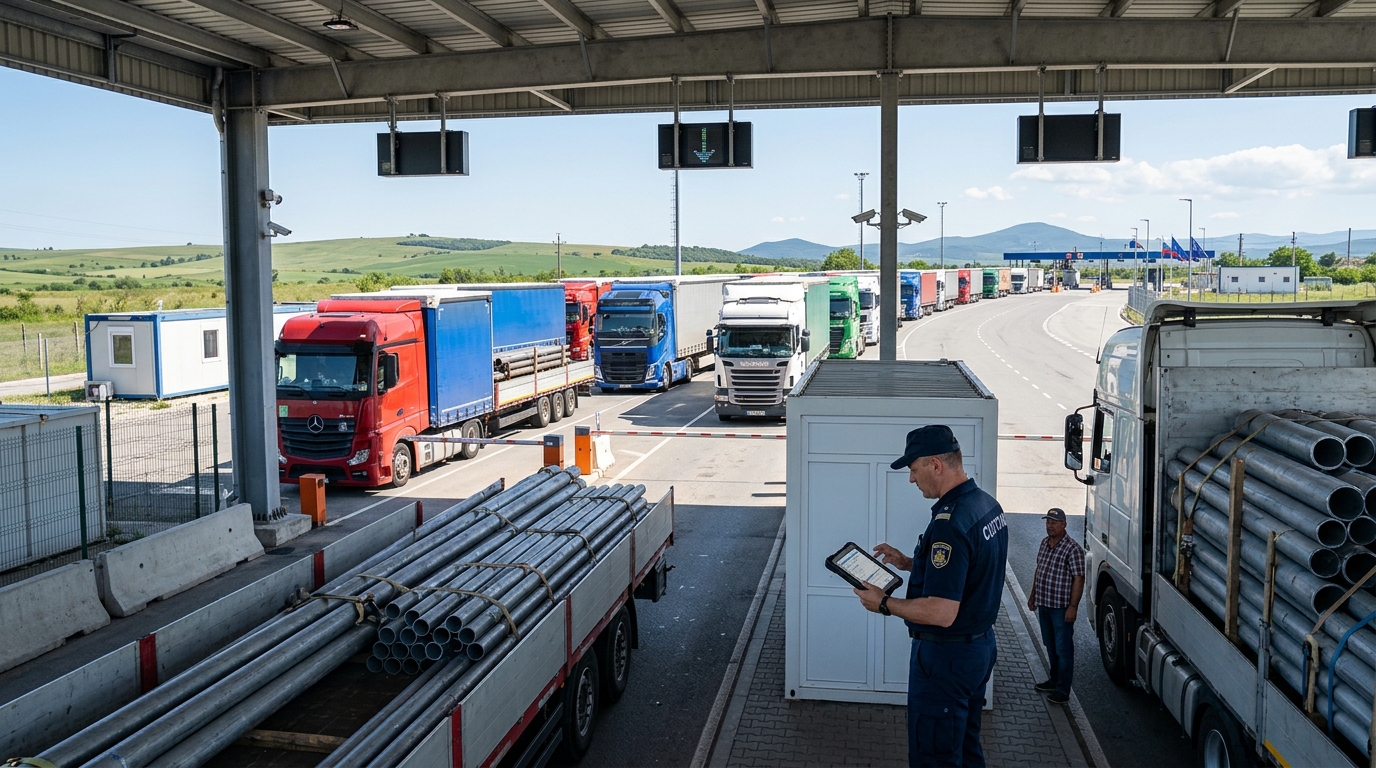
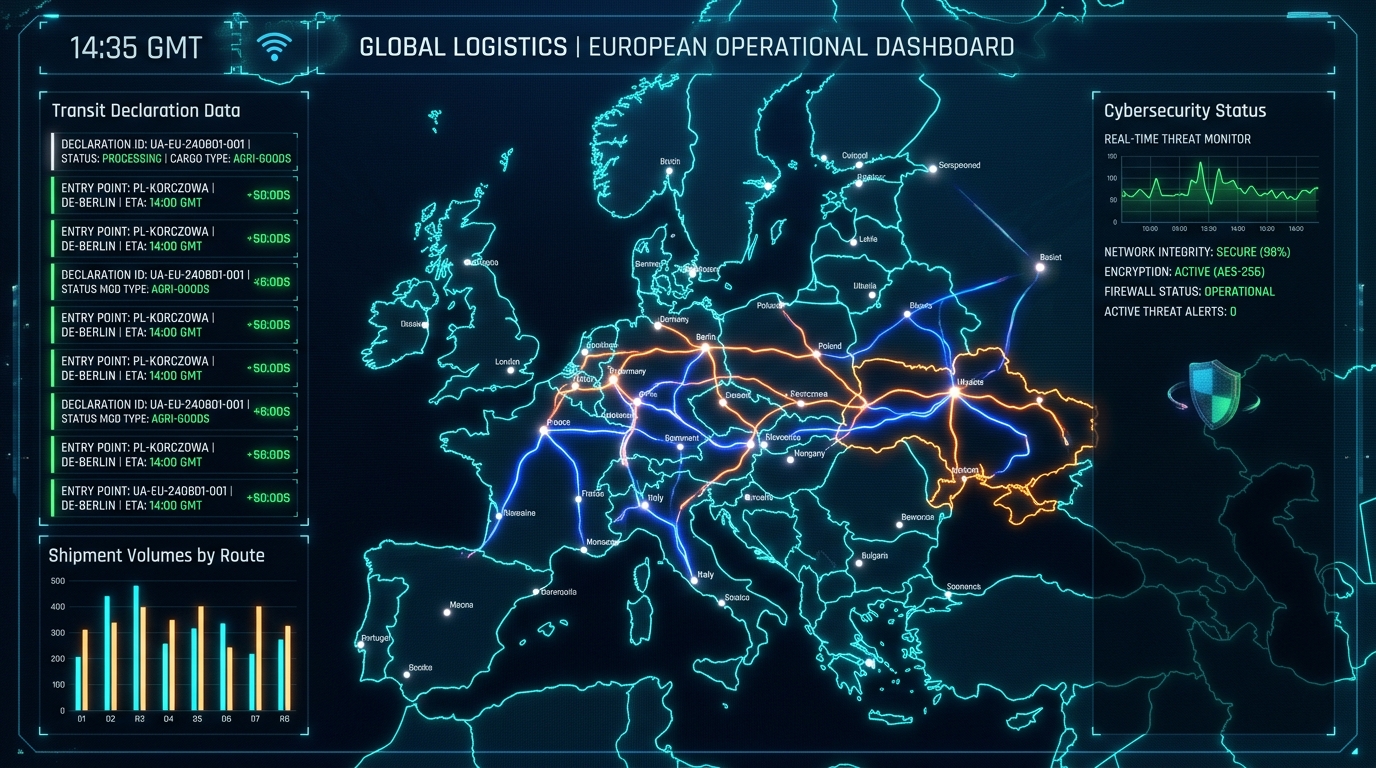
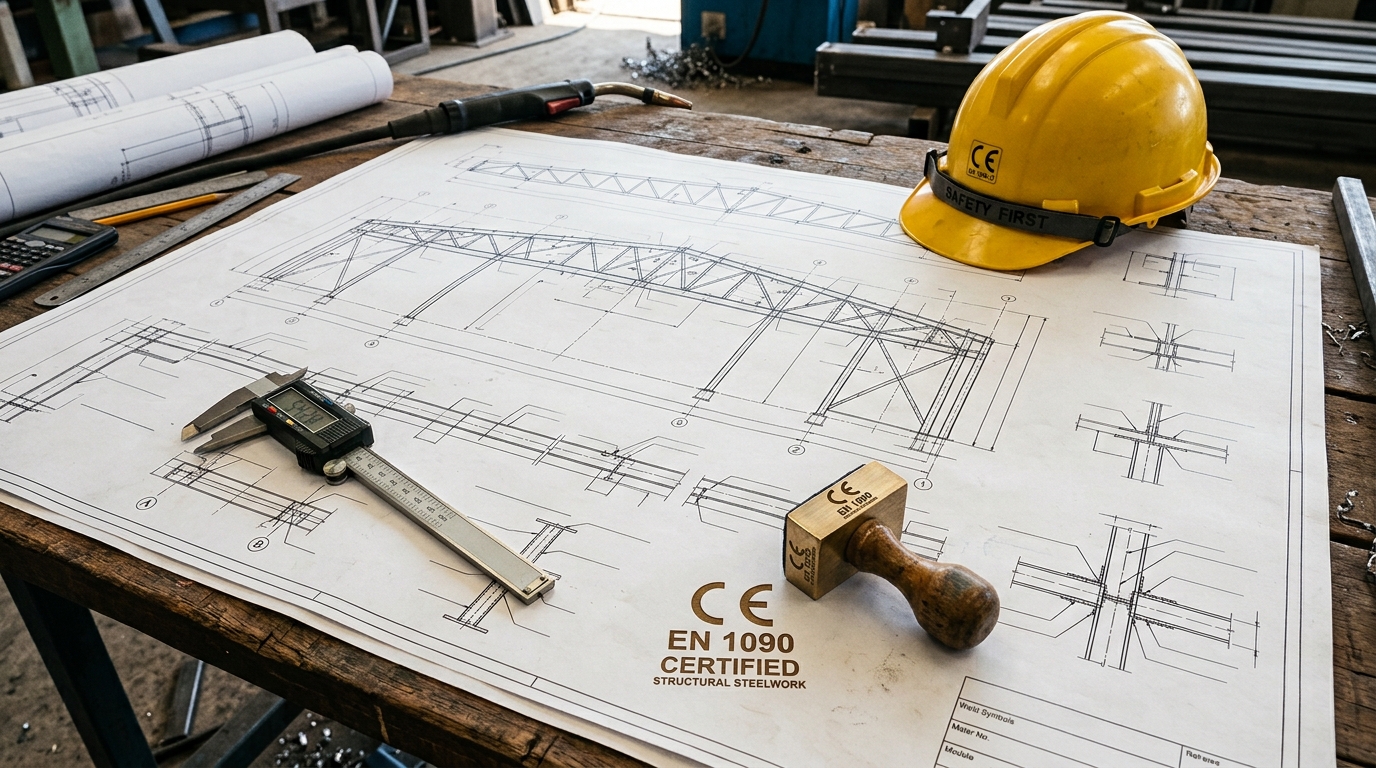
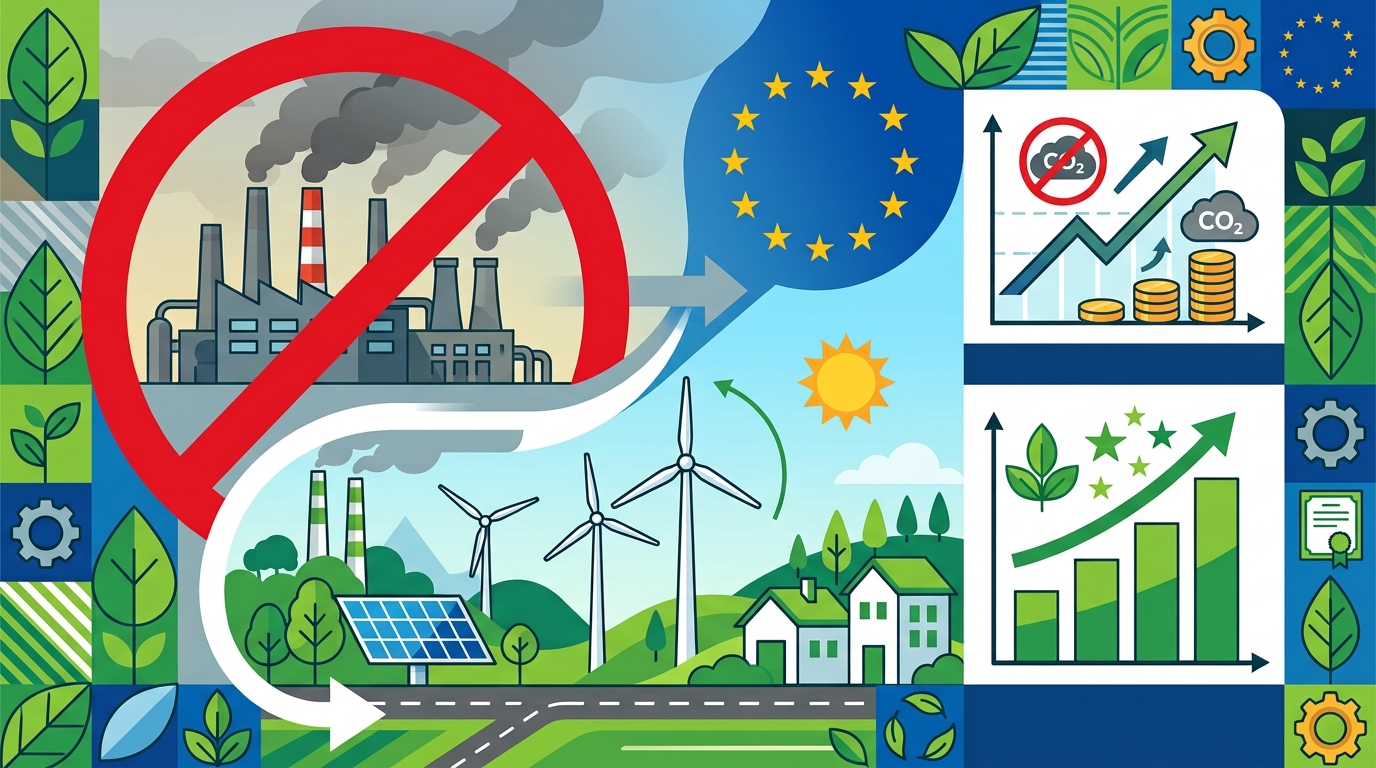
However, the European market for building materials has evolved from the traditional model of price competition to an extremely complex, strictly regulated ecosystem. Today, access to this market is determined not only by the cost of a ton of steel or aluminum, but by the manufacturer’s ability to integrate into the European regulatory and digital space. The modern paradigm requires Ukrainian enterprises to overcome multi-level non-tariff barriers, which are formed at the intersection of technical standardization (harmonized standards of the EN 1090 series and ISO 3834), customs digitalization (transit system NCTS Phase 5), unprecedented climate policy (CBAM mechanism) and radically updated legislation regarding construction products (Regulation CPR 2024/3110).
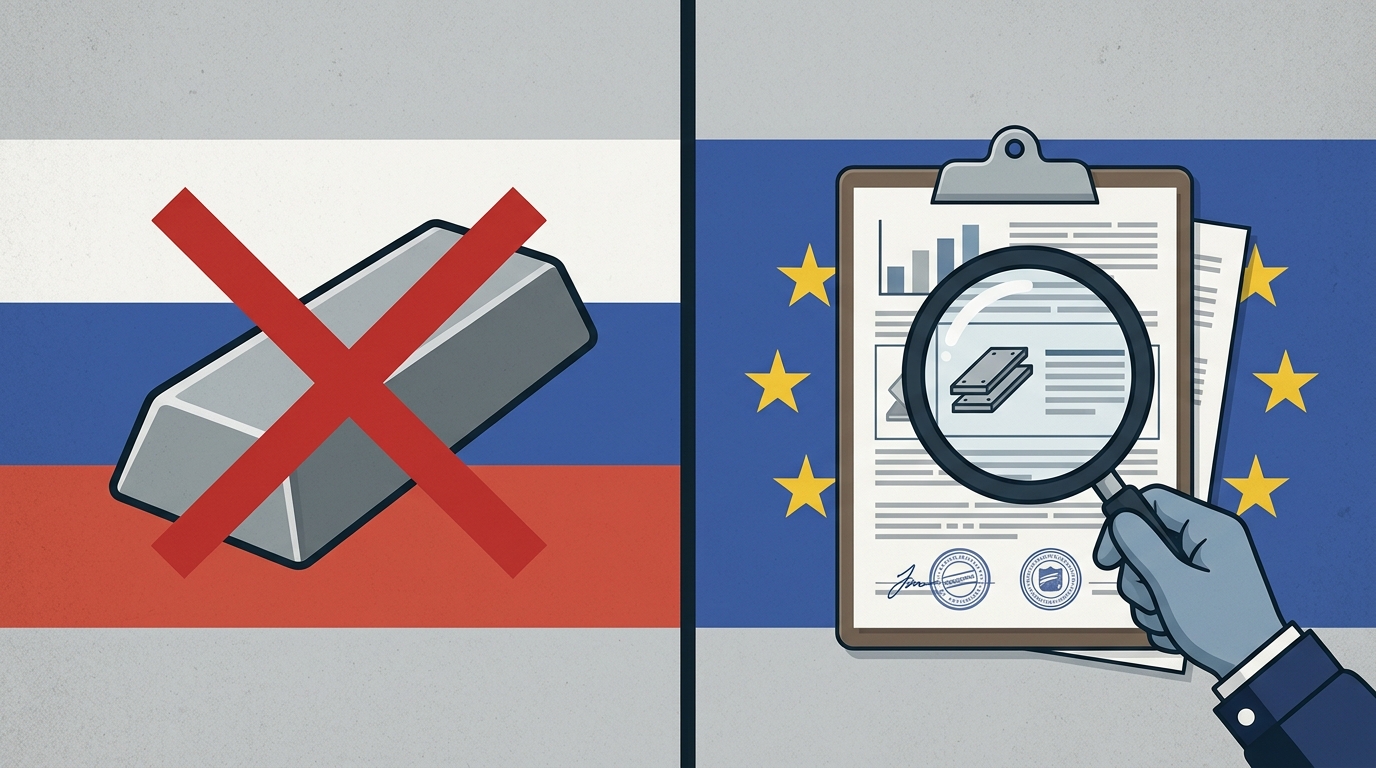
In-depth analysis of trends indicates that the existence of a free trade regime and zero customs rates is merely an illusion of market openness. The actual admission of each batch of steel beams, aluminum facade systems, or bridge sections depends on a flawless history of raw material origin, confirmed by an independent audit of welding quality, a digitized environmental footprint, and the ability to generate product lifecycle data. Manufacturers who continue to view export solely as a logistical task inevitably face cargo blockages at customs, reputational losses, and the inability to legally place products on the internal EU market. The ability to adapt to these requirements necessitates a complete restructuring of corporate governance, the implementation of new quality control systems, and significant investments in compliance.