Introduction and Engineering Problem Statement
Modern construction and architectural design require the use of high-quality materials with flawless geometry and a perfect appearance. Among such materials, metal lamellas hold a special place; they are used for constructing louvered fences, facade cladding systems, sun-protection screens, and various decorative enclosures. The most common and highly demanded size of such elements is three meters. This length is optimal in terms of installation speed and minimizing the number of support posts, but it is precisely what creates unprecedented challenges for logistics and transport companies.
Transporting three-meter metal lamellas is not just about moving cargo. It is a complex engineering task that requires a deep understanding of solid-state physics, strength of materials, tribology (the science of friction), and the properties of polymer coatings. The specificity of these products lies in their high vulnerability to two fundamental types of damage: macro-geometry disruption (bending, twisting, plastic deformations) and surface micro-relief disruption (scratches, chips of polymer paint, abrasions of the galvanized layer).
When the length of a thin-walled product reaches three meters, the ratio of its thickness to its total length becomes critical. Even under its own weight, significant bending moments occur in the central part of the lamella if it does not have proper support along its entire length. The addition of dynamic loads from vehicle vibration, inertial forces during braking, and turning can instantly turn elastic bending into irreversible deformation. On the other hand, the decorative polymer coating, which gives lamellas aesthetic appeal and protects them from corrosion, is extremely sensitive to abrasive impact. Even microscopic displacement of metal sheets relative to each other in a truck body leads to irreversible surface damage.
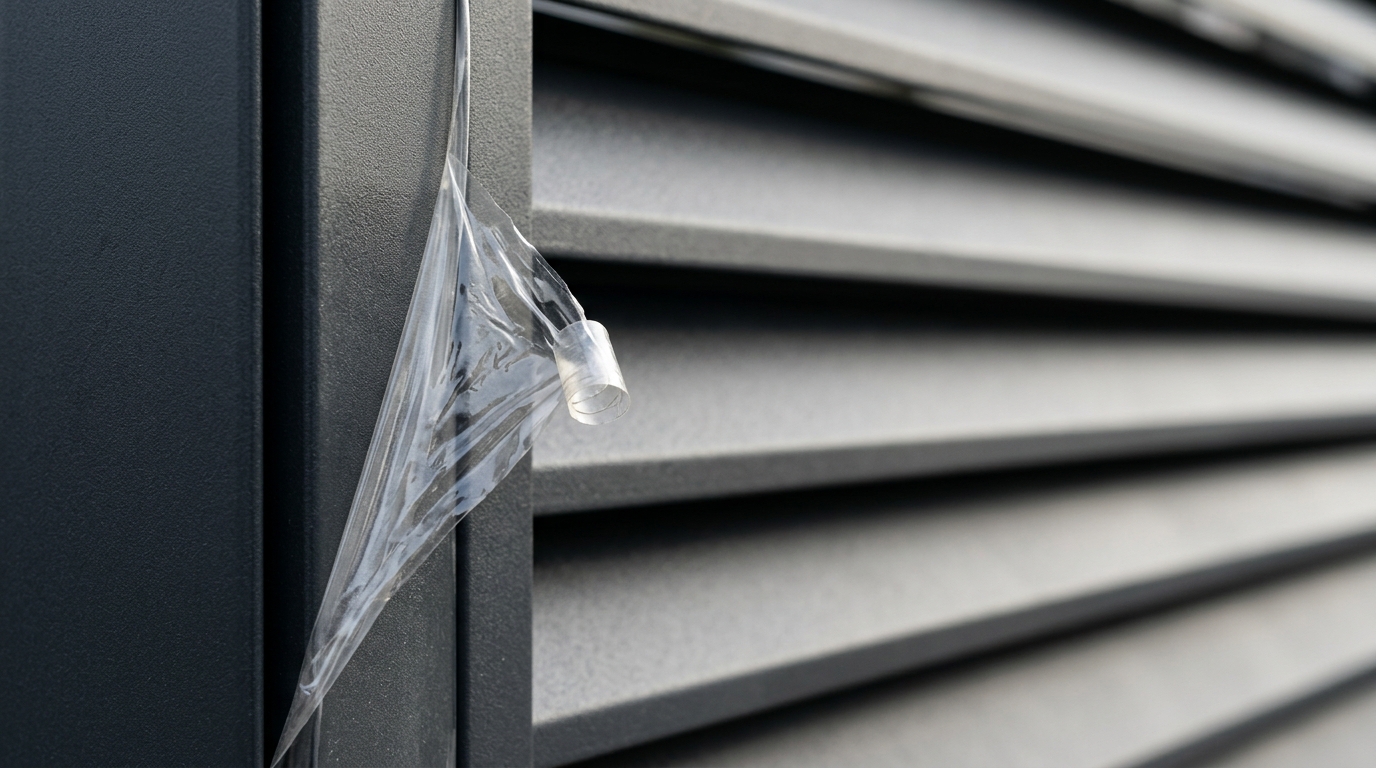
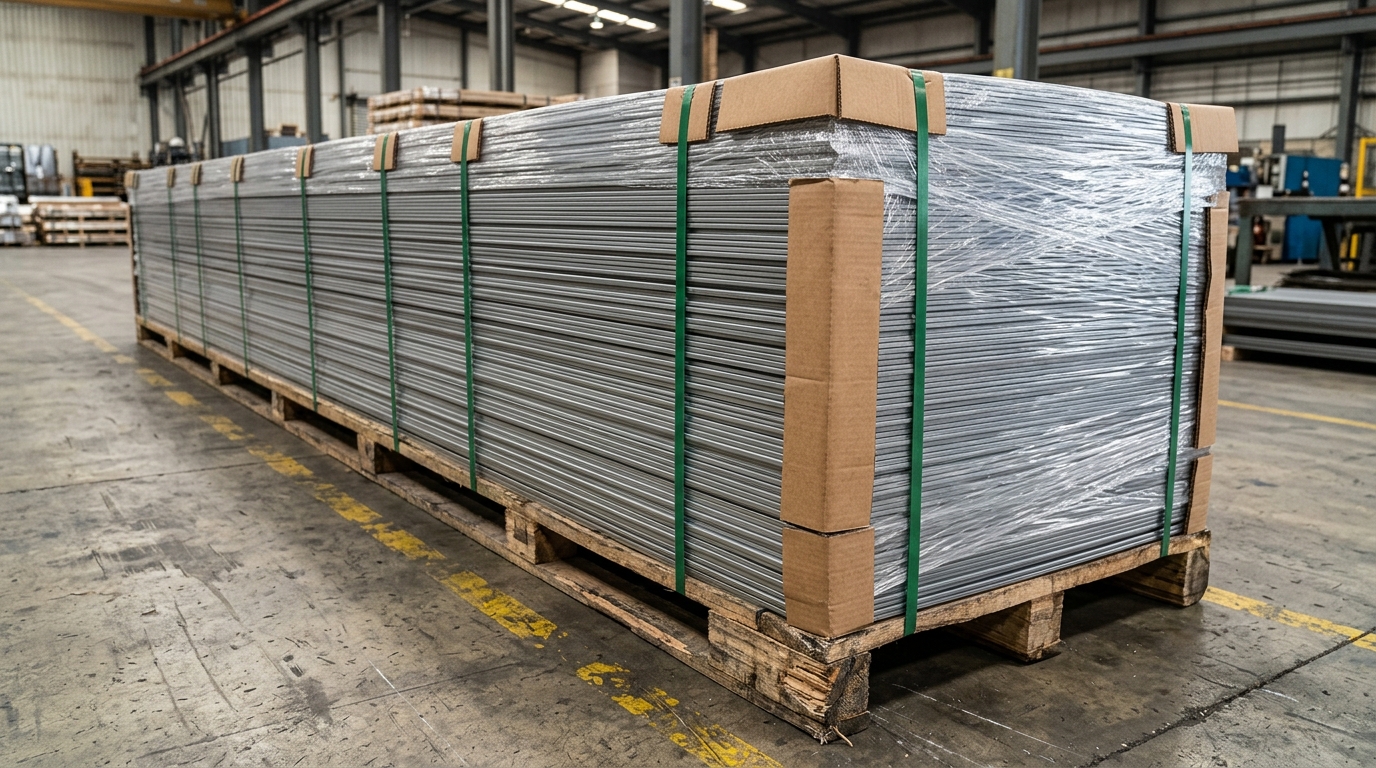
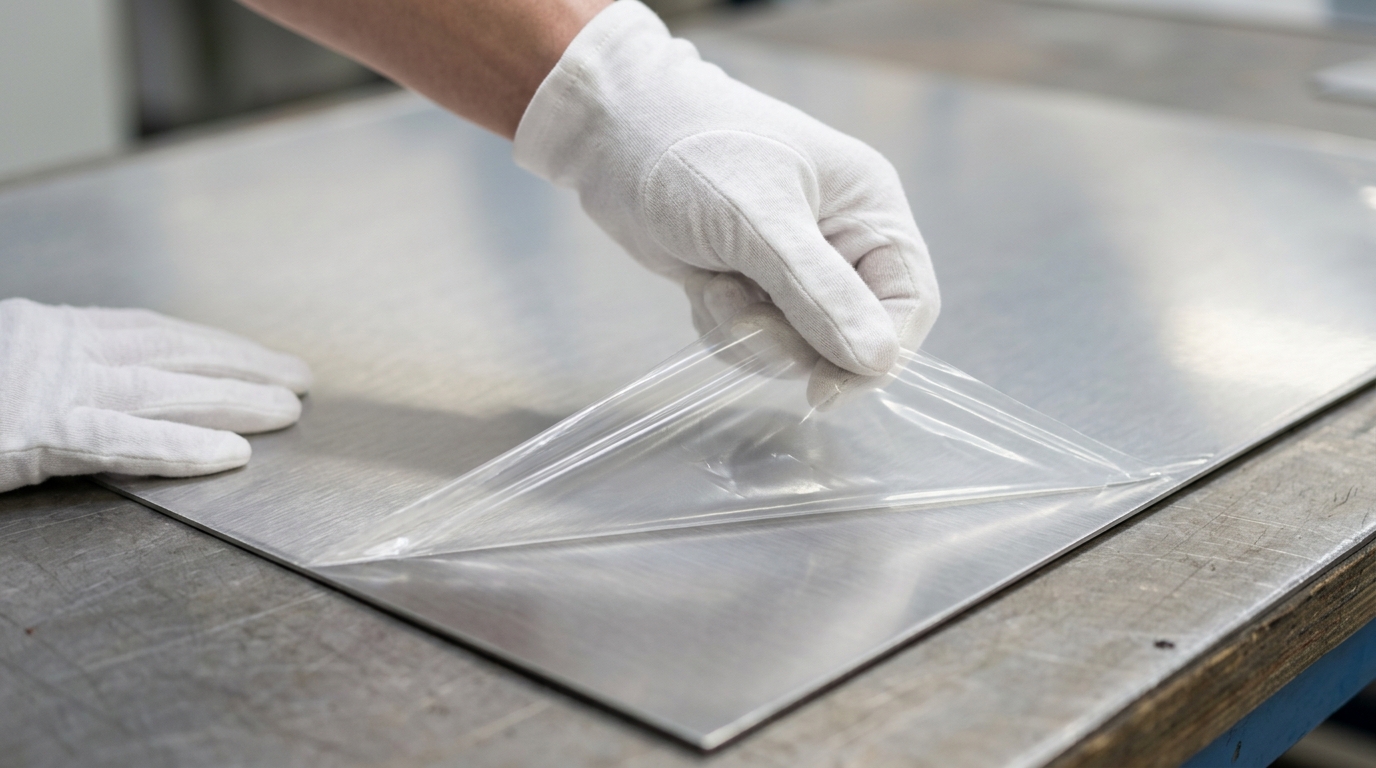
This report presents a comprehensive analysis of the technologies, protocols, and materials required to ensure the absolute preservation of three-meter metal lamellas at all stages of their logistics cycle. Special emphasis is placed on preventive methods for combating defects, among which a protective film for metal plays a key role, as well as on packaging architecture and rules for spatial load fixation.