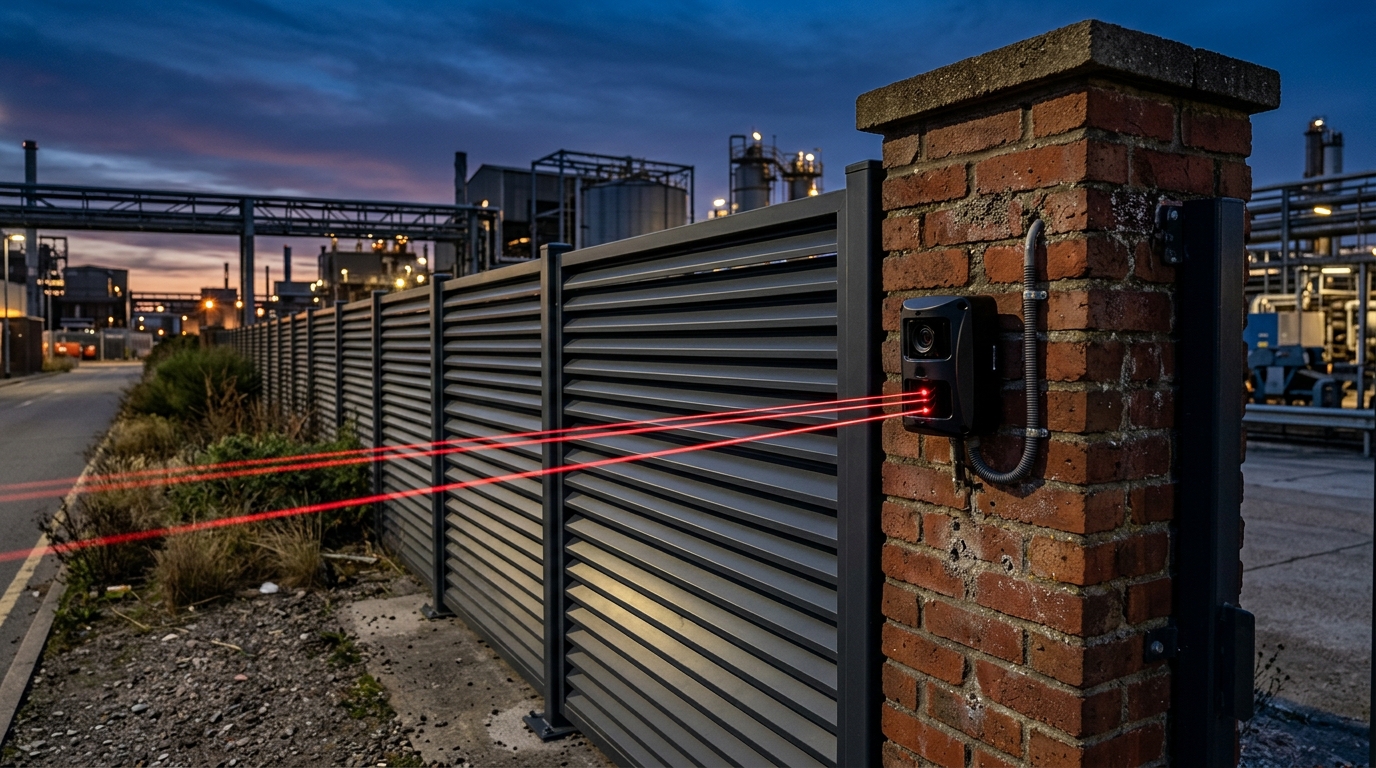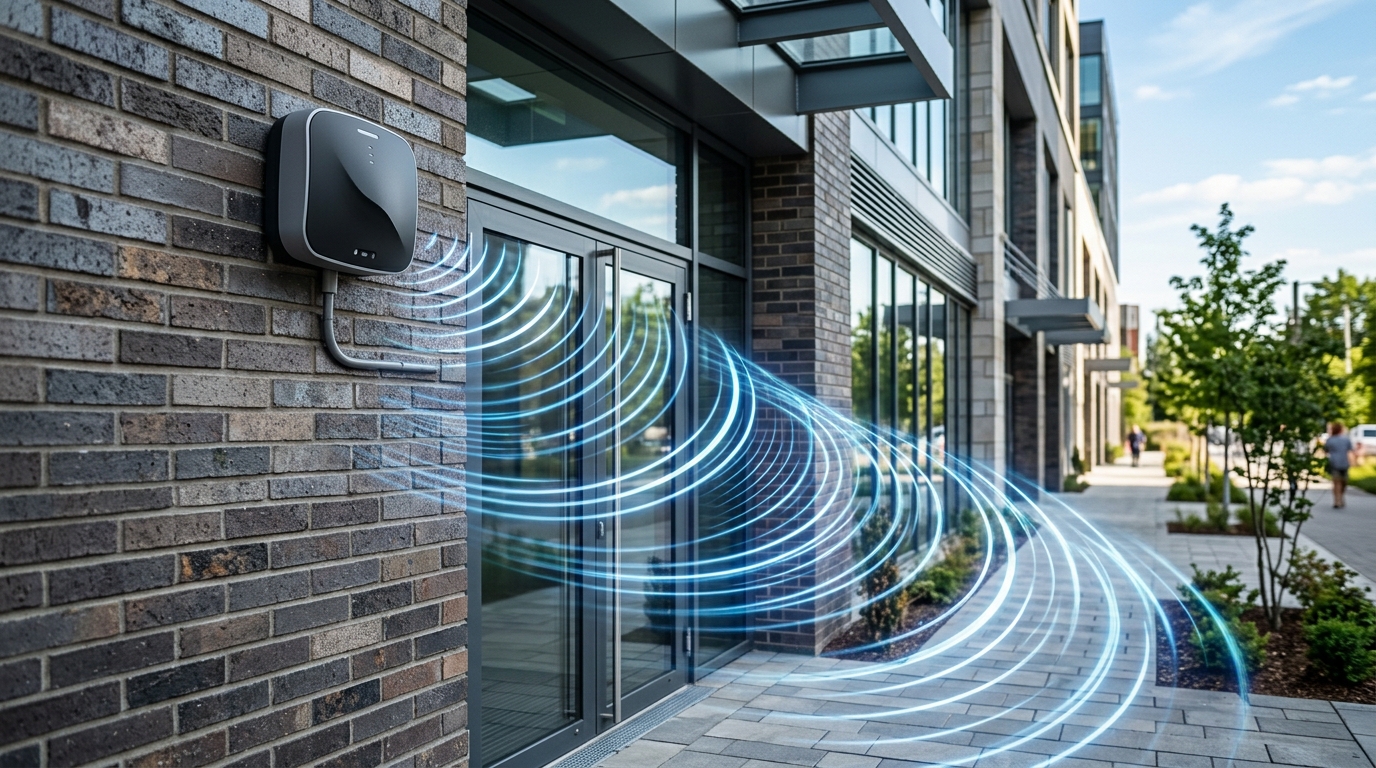
In the context of modern security challenges in Ukraine, particularly in Kyiv and the capital region, the concept of physical protection of facilities has undergone fundamental transformations. Classic passive barriers have given way to intelligent Intrusion Detection Systems (IDS), which provide early warning of a threat even before the physical boundaries of critical infrastructure or commercial property are breached. The modern market offers a wide range of perimeter detection sensors, among which active infrared barriers, microwave (radio wave) radars, and vibration-seismic systems dominate. Choosing the optimal supplier requires a comprehensive analysis not only of the technical characteristics of the equipment but also of the company’s reputation, the quality of its service support, the compliance of the equipment with international standards (in particular, EN 50131), and the presence of an expert project department. This analytical report contains an in-depth study of the Ukrainian security systems market, a detailed analysis of the physics of sensor operation, methods for minimizing false alarms, and a comprehensive rating of the eight most popular and reliable suppliers of perimeter equipment.
Fundamental principles and architecture of perimeter security systems
Perimeter security is the first and most important line of defense for any facility. The main conceptual difference between perimeter systems and internal burglar alarms or video surveillance systems is the capability for preventive response. When an intruder is just trying to overcome the outer fence, the system generates an alarm signal, giving the security service critical time to neutralize the threat before the attacker gains access to material assets or strategic nodes.
The architecture of a modern perimeter security system is multicomponent. It is based on the spatial distribution of sensors, which are combined into a single information network via analyzers and data collectors. The collected information is transmitted to the central control panel, where signal processing algorithms filter out background interference. The integration of such systems requires a deep understanding of the facility’s topology, the climatic features of the region, and likely attack vectors, which makes the role of a qualified supplier-integrator decisive.