TOP-7 construction hypermarkets in Europe
Generic selectors
Exact matches only
Search in title
Search in content
Post Type Selectors

TOP-7 construction hypermarkets in Europe

June 10, 2026
8  

Macroeconomic Landscape and Structural Transformation of European DIY Retail

The European market for home improvement, construction, and home furnishing goods is experiencing a stage of profound structural transformation driven by changes in consumer behavior, the digitalization of logistics chains, and macroeconomic fluctuations. Historically, this sector has demonstrated high resilience to economic crises. After an unprecedented boom during the pandemic, when the global industry turnover reached a record 618 billion euros in 2019 (with North America and Europe accounting for 86.6% of the global market), the sector entered a consolidation phase. The total volume of the European DIY market is expected to grow to 380 billion euros by the end of 2025, demonstrating moderate but stable annual growth of 1.25%.

The structure of the European market remains highly concentrated: only three countries—Germany, France, and the UK—generate about 50% of the continent’s total sales volume, forming the foundation for the development of the largest transnational networks. At the same time, an analysis of the dynamics of Europe’s top five DIY retailers indicates the continuous success of corporate consolidation and scaling. Between 2011 and 2021, their combined sales grew by almost 60%, reaching 59.74 billion euros in net sales at the end of 2021, with growth averaging 10% in 2021 alone. This trend highlights the fundamental law of modern retail: scale allows for more efficient absorption of costs related to innovation, digital transformation, and the optimization of complex global supply chains.

Particular attention should be paid to the rapid digitalization of the sector. The traditionally conservative DIY market, which for decades relied on the physical presence of the customer in the store to select bulky or complex technical goods, has radically changed its paradigm. In 2023, the European online DIY market was estimated at 56 billion euros (accounting for 15.2% of total sales), and forecasts for 2025 predict growth to 66 billion euros, increasing the share of e-commerce to 17%. E-commerce and cross-border trade have become critical growth drivers. Out of 56 billion euros in online sales, 13.25 billion euros (23.5%) are generated by cross-border purchases, and this figure is expected to reach 30%. In 2024, online cross-border sales grew by 22% to 21.7 billion euros, and by 2026, they are projected to reach the 26.5 billion euro mark.

In addition, there is a conceptual shift in the consumption model: from the traditional “Do-It-Yourself” format, the market is actively moving towards “Do-It-For-Me”. Consumers are increasingly hiring professionals to perform work, forcing construction hypermarkets in Europe to offer hybrid services that combine product sales with installation and assembly packages.
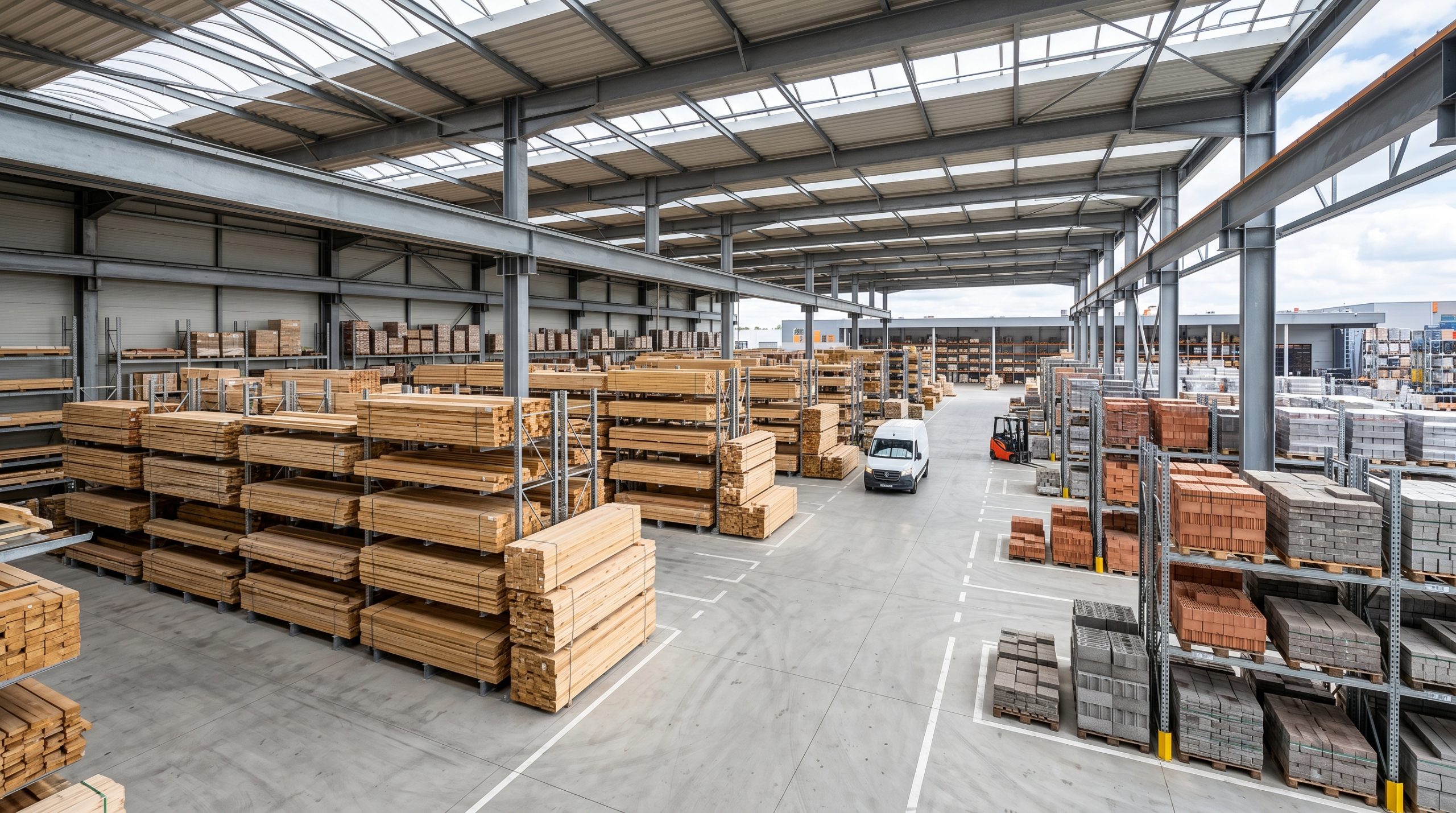
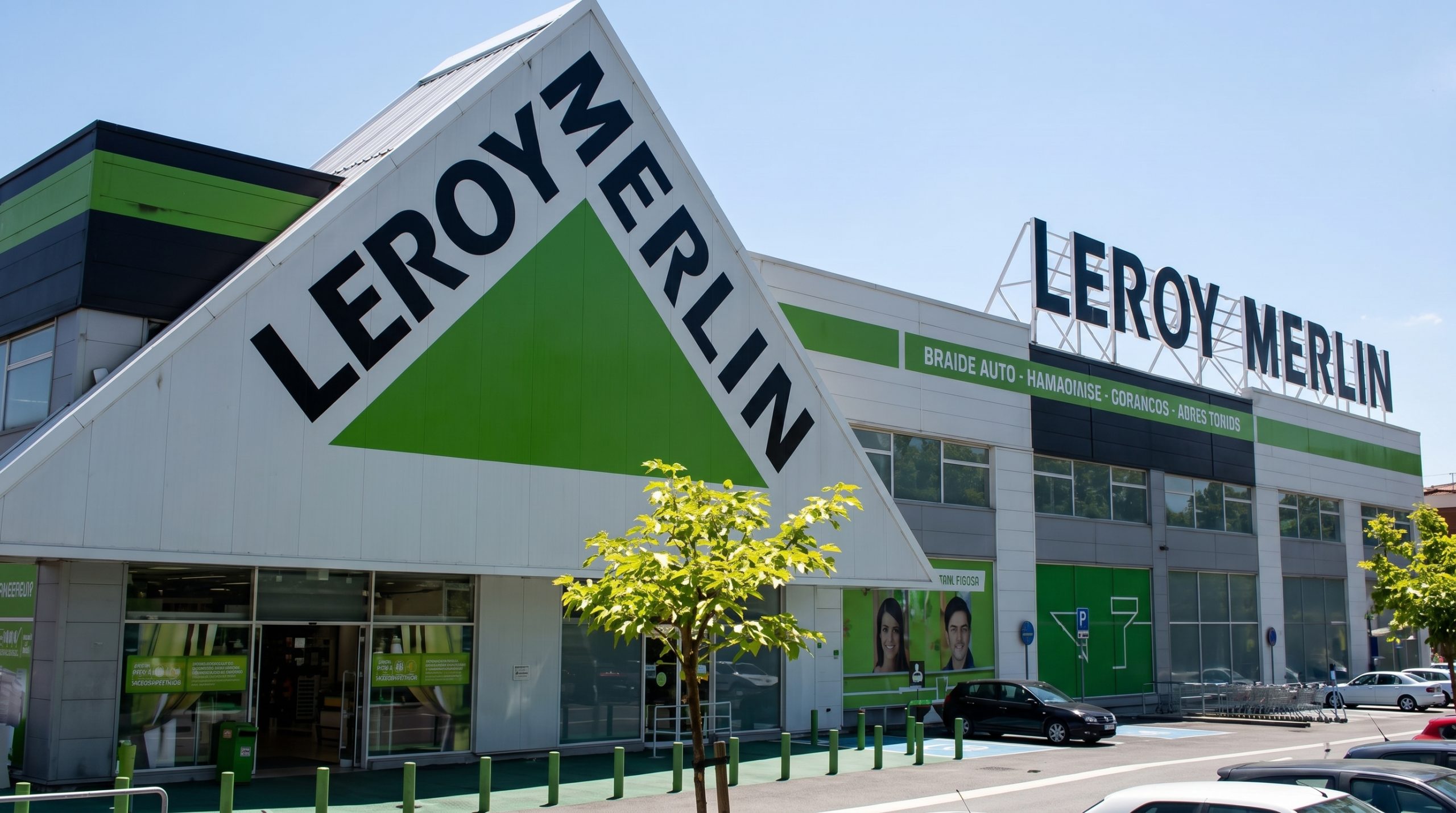
TOP 7 budivelʹnykh hipermarketiv Yevropy 3 scaled

Architecture of Corporate Dominance: TOP-7 Market Players

Based on gross revenue volumes, geographic coverage, innovation in business models, and the level of online service integration, a cohort of seven undisputed leaders of European retail in the home improvement and furnishing segment stands out.

Position Corporation / Network Headquarters Country Annual Revenue (Estimate) Key Brands in Portfolio
1 Groupe Adeo France ~ €32.7 billion Leroy Merlin, Bricoman, Weldom, Bricocenter
2 Kingfisher plc UK ~ €15.0 billion B&Q, Castorama, Brico Dépôt, Screwfix
3 Bauhaus Germany ~ €9.0 billion Bauhaus
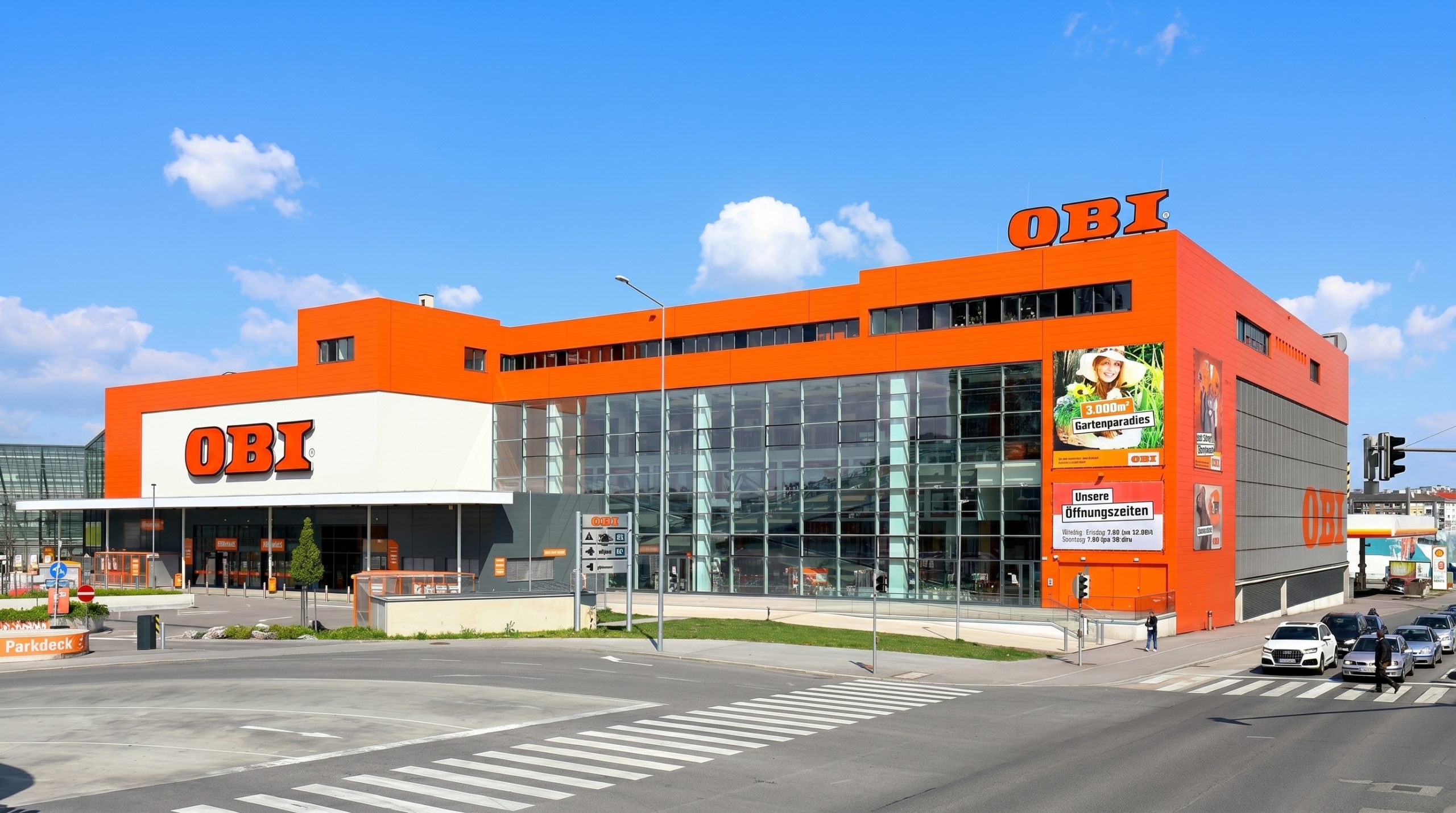
4 OBI Germany ~ €8.2 billion OBI
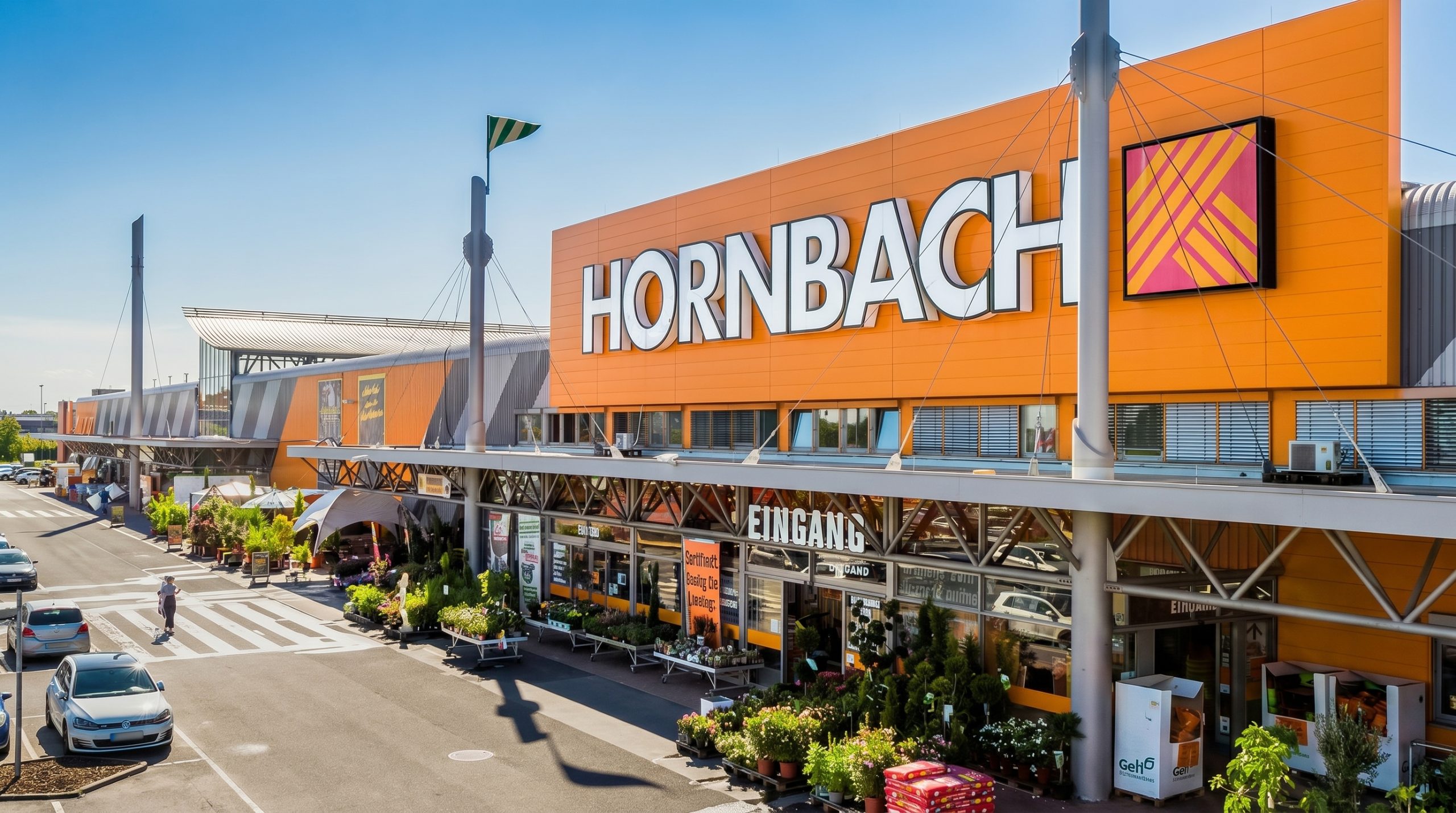
5 Hornbach Germany ~ €6.4 billion Hornbach
6 Kesko Finland ~ €11.8 billion (group) K-Rauta, Onninen, Byggmakker, Senukai
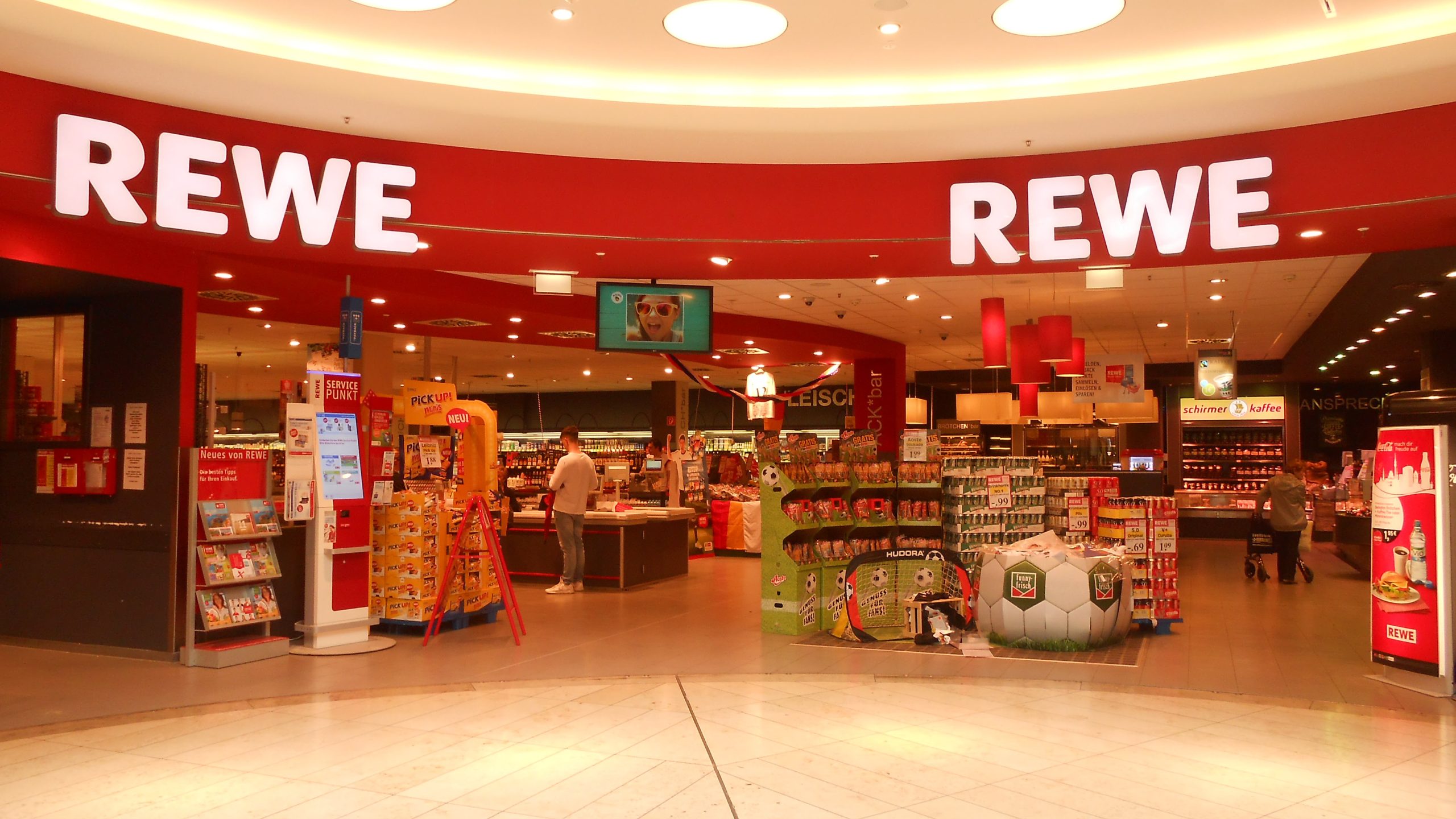
7 REWE Group (toom) Germany ~ €3.0 billion (DIY) toom Baumarkt, B1 Discount Baumarkt

1. Groupe Adeo (Leroy Merlin): Global Hegemony and the “Family Communism” Strategy

Groupe Adeo, whose flagship is the world-renowned Leroy Merlin network, is the undisputed leader of DIY retail in Europe and one of the leading players in the world. At the end of the last reporting period, the group generated a gross revenue of 32.7 billion euros, with 21% of this amount provided by the high-margin professional (B2B) segment. The company brings together over 130 brands, employs around 110,000 people, and operates in 21 countries through more than 1,000 points of sale and 7 digital marketplaces.

The history of this corporate empire began in 1923 in the French town of Nœux-les-Mines. Adolphe Leroy and Rose Merlin founded the company by opening the “Au Stock Américain” store, which specialized in selling surplus American military equipment left over after the First World War. The assortment, consisting of tools and affordable building materials, quickly gained popularity. National expansion began in the 1950s, and in 1960, the network officially changed its name to Leroy Merlin SA. A decisive innovative step took place in 1966 when the company opened the first self-service home improvement store in France. This radically changed the shopping experience, giving customers autonomy in their choices and significantly increasing the throughput of retail space.

In 1979, an event occurred that determined the modern scale of the company: the powerful Mulliez family (Association Familiale Mulliez), which also controls the Auchan network, acquired a stake in Leroy Merlin, providing the capital for aggressive international expansion. Expansion outside France began with Spain in 1989, followed by the purchase of the Belgian assets of Bricoman in 1994 (although the company later left the Belgian market). In 2007, the holding changed its name from Leroy Merlin Group to Adeo (from the Latin “to go forward” or “to move towards”) to structure the management of its diversified portfolio. Adeo’s corporate governance model is often characterized as “family communism” as it involves a deep pooling of resources in procurement and logistics, a common ideological base, while simultaneously guaranteeing operational autonomy for various subsidiaries.

Today, the Adeo ecosystem is segmented for maximum market coverage. Leroy Merlin operates hypermarkets (averaging 9,000 sq. m) in France, Spain, Italy, Poland, Portugal, Romania, Greece, Cyprus, Brazil, and South Africa. To serve local communities, medium-format Bricocenter stores in Italy and Weldom convenience stores in France are used. The professional segment is served by the brands Bricoman (France, Poland), Obramat (Spain), Tecnomat (Italy), and Obramax (Brazil). The group has also made massive investments in digital infrastructure, partnering with Microsoft Cloud Vantage to transition Italian operations to cloud solutions and optimize processes.

It is worth noting that Adeo faced unprecedented reputational challenges due to its activities in the Russian market. Being a leader there with a revenue of over 457 billion rubles in 2021, the company paid hundreds of millions of dollars in taxes. Under pressure from the international community, in March 2023, Adeo announced the transfer of its Russian business to local management.

TOP 7 budivelʹnykh hipermarketiv Yevropy 3 scaled

2. Kingfisher plc: The British Multiformat Giant

Kingfisher plc is a transnational corporation headquartered in London that controls over 1,900 stores in eight European countries (mainly the UK, France, Poland) and Turkey. For the 2024/2025 financial year, the company generated sales of 12.78 billion pounds sterling (about 15 billion euros) and employs around 78,000 people. Unlike Adeo, Kingfisher does not have a dominant family owner; its capital is widely distributed among global institutional investors such as Vanguard and BlackRock, ensuring a transparent corporate governance system based on the “one share, one vote” principle.

Kingfisher’s origins are the result of financial engineering. In September 1982, a syndicate of institutional investors led by the merchant bank Charterhouse Japhet created Paternoster Stores Ltd. as a vehicle for the buyout of the British division of the retail chain F.W. Woolworth & Co. Ltd. At the time of the takeover, Woolworth already owned the B&Q chain, which was founded in 1969 by Richard Block and David Quayle. Renamed Woolworth Holdings plc, the company, under the leadership of Sir Geoffrey Mulcahy, underwent aggressive restructuring, selling off hundreds of unprofitable stores and focusing on the high-margin DIY sector. In December 1989, the company was renamed Kingfisher plc. In the early 2000s, non-core assets were spun off (demerged), and Kingfisher focused exclusively on home improvement goods.

Kingfisher’s modern portfolio consists of clearly differentiated brands:

  1. B&Q: The flagship network in the UK and Ireland, catering to the general public. In 2021, the company signed a franchise agreement with Al-Futtaim Group for the Middle East market, particularly Saudi Arabia.
  2. Castorama: A leading player in France and Poland, offering a deep assortment for comprehensive construction and decor. In France, Castorama continues to outperform the overall market despite a drop in consumer demand.
  3. Brico Dépôt: A “hard discount” format chain in France, Spain, and Portugal. The Romanian division of Brico Dépôt, consisting of 31 stores, was set to be sold to Altex Romania in December 2024 to optimize the European portfolio. This format involves selling a limited assortment (about 10,000 SKUs) in large volumes. Brico Dépôt generates strong online sales, reaching 181 million dollars in 2025 with a high conversion rate (2.0-2.5%).
  4. Screwfix: The UK’s largest omnichannel retailer of tools and plumbing, exclusively targeting professionals (B2B). The network was acquired in 1999 and is currently actively expanding its presence in France.

Kingfisher’s financial strategy is aimed at generating free cash flow, which amounted to 511 million pounds in 2024/25, with a moderate debt load (Net debt to EBITDA is 1.6x). Despite a 1.7% decline in like-for-like (LFL) sales in the reporting period, management is executing a 300 million pound share buyback program.

3. Bauhaus: The Pioneer of the Large-Format Retail Concept

The German chain Bauhaus firmly holds its position in the top three market leaders with an estimated turnover of around 9 billion euros. Founded in 1960 in Mannheim by Heinz-Georg Baus, the company became a pioneer in introducing the “everything under one roof” format in continental Europe. Bauhaus should not be confused with the architectural school of the same name by Walter Gropius, founded in Weimar in 1919, although the retailer consciously borrowed the aesthetics of functionalism and minimalism characteristic of this style in its positioning.

A strategic advantage of Bauhaus is the unprecedented depth of product categories in the segments of construction, renovation, workshop equipment, plumbing, and lighting. The assortment matrix is oriented towards both prepared enthusiasts and tradespeople who require specialized building materials. The company’s e-commerce demonstrates high efficiency: out of 9 billion euros in total sales, 1.2 billion are generated online, with 400 million euros coming from cross-border trade. An analysis of the Bauhaus platform indicates that customers require maximum confidence when making purchases: the availability of detailed technical filters, dimensional specifications, and transparent information about product availability in the nearest physical store are critical success factors for the brand.

4. OBI: Franchising Power and Digital Ecosystem

OBI, a subsidiary of the powerful German holding Tengelmann Group, is one of the most recognizable brands in European retail. Thanks to its iconic orange color and beaver logo, the brand boasts 93% spontaneous brand awareness in its domestic market of Germany. In the 2024 financial year, OBI generated a total revenue of 8.2 billion euros, serving over 200 million customers annually through a network of 668 hypermarkets in 10 European countries (over 350 of which are in Germany).

The company was founded in 1970 in Hamburg-Poppenbüttel through the efforts of Emil Lux, Manfred Maus, and Klaus Birker. Emil Lux, who ran a tool manufacturing company, became acquainted with the DIY concept during a trip to the USA in 1954 and decided to bring it to Germany. The name OBI comes from the French pronunciation of the word “hobby”, which perfectly reflected the ideology of home improvement. Since 1985, the controlling stake has belonged to the Tengelmann Group.

OBI’s international expansion began in 1991 with the opening of a hypermarket in Italy. During the 1990s, the company aggressively scaled in Eastern and Central Europe: Hungary (1994), Austria, Czech Republic, Poland (1995), Slovenia (1998), and Switzerland (1999, in partnership with the Migros cooperative). An important stage in strengthening its market position was the rapid acquisition of 68 stores of the bankrupt Austrian chain Baumax in 2015 (49 of them in Austria), which allowed OBI to convert the retail outlets in just 12 weeks and secure absolute leadership in the region. However, geopolitical realities forced OBI to leave the Russian market, where it had been operating since 2003: in April 2022, the network of 27 stores was sold to Russian investor Josef Liokumovich for a symbolic 600 rubles (about 10 dollars).

OBI’s modern strategy is based on two fundamental pillars. First is its extensive franchise model. Cooperation with independent entrepreneurs (such as the integration of Hagebau stores) allows combining businesses of different calibers under an umbrella brand, optimizing capital expenditures for opening new locations. Second is a deep digital transformation. The creation of the innovative OBInext division in Cologne and the launch of the heyOBI digital ecosystem, which already has over 10 million registered users, have allowed the company to personalize communication, provide digital consultations, and effectively convert offline traffic into loyal online buyers.

TOP 7 budivelʹnykh hipermarketiv Yevropy 2 scaled

5. Hornbach: Emotional Marketing and Record Productivity

Among the European leaders, Hornbach stands out for its deep emotional connection with its target audience and the highest retail space efficiency. The company operates 177 megastores in nine countries (Germany, Netherlands, Austria, Luxembourg, Czech Republic, Slovakia, Switzerland, Sweden, and Romania). In the 2025/2026 financial year, the Hornbach group achieved a revenue of 6.4 billion euros (an increase of 3.8% compared to the previous year), demonstrating outstanding productivity of 2,903 euros per square meter of retail space. The company’s workforce exceeds 25,500 employees.

Hornbach’s historical roots go deeper than any other player in the market. In 1877, Michael Hornbach founded a roofing workshop in the city of Landau (Palatinate). His son Wilhelm expanded the family business in 1900 by adding the trade of building materials. In the post-war period, the company actively rebuilt West Germany, but the real revolution occurred thanks to the founder’s great-grandson, Otmar Hornbach. Returning from a study trip to the USA, he opened Europe’s first combined DIY store and garden center covering more than 4,000 sq. m in Bornheim in 1968. In 1987 and 1993, the company successfully went public (IPO), which provided funding for expansion.

Starting in the mid-1990s, Hornbach began its international expansion: Austria (1996), Netherlands (1997), Czech Republic and Luxembourg (1998), Switzerland (2002), Sweden (2003), Slovakia (2004), and Romania (2007). The company has consistently been a pioneer of innovation: in 2003, in Gothenburg, Sweden, it was the first to implement the “Drive-in” concept, allowing customers to drive their cars directly into the warehouse area to load heavy materials. For decades, Hornbach remained a family company, and only in the early 2020s was management handed over to a hired top manager, Erich Harsch.

Hornbach’s main marketing asset is its unconventional communication. Instead of classic price competition, the brand creates emotional advertising campaigns that turn any DIY project into a “hero’s journey,” appealing to the basic human desire to leave a mark on the world. Furthermore, the hornbach.de online store is positioned not merely as a catalog, but as an expert portal with detailed instructions and the “Macher” magazine.

TOP 7 budivelʹnykh hipermarketiv Yevropy 4 scaled

6. Kesko (Building & Technical Trade Sector): Northern Europe’s Technological Power

The Finnish conglomerate Kesko embodies a unique hybrid business model that combines food retail (where the company controls about 35% of the Finnish market), technical trade, and the automotive business. The total net sales volume of the group reaches 11.8 billion euros. The Building and Technical Trade sector generates a significant part of this revenue, operating the networks K-Rauta, Byggmakker (Norway), Davidsen (Denmark), and the specialized B2B brand Onninen.

Kesko’s history began in October 1940 as a result of the consolidation of four Finnish regional wholesale companies created by independent retailers themselves. The name “Kesko” was proposed by director E. J. Railo and comes from the Finnish word “keskittyminen” (concentration). The uniqueness of the operating model (known as the K-retailer model) lies in the fact that the stores are managed by independent local franchisee entrepreneurs under a single brand. They adapt the assortment to local needs, while Kesko’s central apparatus provides global purchasing power, advanced IT infrastructure, and logistics.

The company pursues an aggressive M&A policy, acquiring more than 50 enterprises over the last decade. Important steps included the purchase of Norway’s Byggmakker and Russia’s Stroymaster in 2005 (although the Russian assets were subsequently optimized), as well as the recent integration of the Danish network Davidsen in 2024-2025, cementing the group’s leadership in Northern Europe. In the Baltic States, the company operates through Kesko Senukai—a joint venture founded together with Lithuanian entrepreneur Augustinas Rakauskas in 2003 (Rakauskas himself opened the first Senukai store back in 1993 in Kaunas). This division generates 1.2 billion euros in revenue through 128 stores in Lithuania, Latvia, and Estonia.

Kesko is an absolute pioneer in digital transformation. The Onninen B2B web portal processes over 70% of all corporate orders, providing contractors with high-margin technical, electrical, and sanitary equipment, which offsets cyclical fluctuations in the consumer DIY segment. Additionally, Kesko is centrally implementing artificial intelligence. The AI Solutions team, created in 2026, develops predictive models for supply chain management, analyzing the data of more than 3.5 million users of the K-Plussa loyalty program, which reduces costs and optimizes inventory.

7. REWE Group (toom Baumarkt): Synergy of a Multinational Ecosystem

Seventh place in the elite of European DIY retail is taken by the toom Baumarkt network, which is a structural subdivision of the giant German cooperative REWE Group. Founded in 1927 by merging 17 purchasing cooperatives from the Rhineland and Westphalia, REWE Group today is one of the largest retail conglomerates in Europe. It generates over 96 billion euros in revenue and unites 380,000 employees in food retail (REWE, Penny, Billa) and tourism (DERTOUR) across 21 countries.

The toom Baumarkt network, which opened its first store in 1978 in Frankfurt am Main (after acquiring assets from EDEKA), generates over 3 billion euros in gross sales and provides jobs for 15,000 employees. The REWE Group’s DIY asset portfolio also includes the hard discount format B1 Discount Baumarkt and Klee garden centers.

In the highly competitive German market (where OBI, Bauhaus, and Hornbach co-exist), toom Baumarkt positions itself as a reliable, locally accessible partner for everyday renovations and gardening. A significant advantage of the brand lies in its synergy with the REWE ecosystem, which optimizes logistics routes and marketing costs. Recognizing the threat from pure online players such as Amazon, the company, after forty years of operating exclusively offline, executed a rapid digitalization. The launch of the toom.de platform in 2019 was crowned with swift success: the online store won the title of the best in the home improvement category thanks to the deep integration of the online catalog with product availability at specific physical locations.

TOP 7 budivelʹnykh hipermarketiv Yevropy 1 scaled

Regional Hegemons and Category Evolution: Competition Beyond the TOP-7

In addition to the listed transnational corporations, the architecture of the European market is significantly shaped by local national leaders and niche manufacturers.

A prominent example of absolute national dominance is the Romanian company Dedeman. Founded in 1992 by brothers Dragoș and Adrian Pavăl in Bacău, the company grew from a small retail kiosk of just 16 square meters into the undisputed leader of the Romanian market. With 100% local capital, Dedeman operates 65 hypermarkets (as of January 2026), employing over 13,500 staff. In 2023, the company generated 2.32 billion euros in revenue with a colossal net profit of 308 million euros. Research by Termene.ro shows that Dedeman has been the most profitable company in Romania for the past 17 years, outpacing even food networks. In September 2025, the company announced its first expansion abroad—into the market of the neighboring Republic of Moldova, marking a new stage in its regional expansion.

In the French market, a stable position is held by Mr. Bricolage. Founded in 1964 by the Tabur family as the ANPF cooperative, the company operates over 1,068 sales points, of which 614 belong to affiliated franchise partners. Despite a drop in consumer demand, the group’s business volume amounted to 2.1 billion euros in 2025. Following the collapse of a takeover deal by Kingfisher in 2015, the network continues its independent path, optimizing warehouse logistics (for example, investing in a robotic warehouse in Voivres-lès-le-Mans). Another powerful cooperative player is the French network Bricomarché (part of the Les Mousquetaires/Intermarché group), which operates in France, Belgium, Poland, and Portugal, providing decentralized supply of building materials through independent entrepreneurs.

The cooperative movement is also strong in Germany, where Hagebau unites independent dealers into a single purchasing network with retail sales exceeding 2.7 billion euros, allowing them to compete with giants locally and participate in European alliances like A.R.E.N.A. Supplies for such networks are provided by global manufacturers, such as Bravo International Group, which produces metal roofing and accessories and supplies them to 3,100 retail outlets, including 7 out of the 10 largest DIY networks in Europe.

Private Labels Strategy in Key Categories

An analysis of product categories shows that the profitability of European networks increasingly depends on the development of Private Labels. They allow bypassing the price pressure from online marketplaces.

Category Market Size / Trends PL / Import Share Main Drivers and Challenges
Mixers and Shower Heads

Volume growth 4-6% CAGR, replacement cycle generates 70-80% of demand

40-45% in volume terms (Poland)

High return rate in the budget segment (8-12%); premiumization of eco-technologies

Electrical Insulation Tape

Stable growth 3-5%, demand from B2B installers

60-70% imported from Asia; PL accounts for 25-30% of retail volume

A-brands (3M, Tesa) dominate the premium rubber tape segment, generating 55-65% of the monetary value

Weatherproof Extension Cords

Growth 5-7% CAGR (Spain), investments in terraces/gardens

PL controls 20-25% of sales

Transition from basic IP44 to premium IP67 and Smart Home extension cords (15-20% annual growth)

In the plumbing category, for example in Poland, budget segment mixers (120-220 PLN) produced under the brands Leroy Merlin, Castorama, or OBI have effectively pushed national brands into the mid-price range. At the same time, pure online players (Allegro, Amazon) capture between 12% and 15% of this market’s value thanks to video installation guides and competitive prices on standard models. The European market for stainless steel shower heads is also facing pressure from e-commerce, which already accounts for about 28-32% of unit sales.

A similar picture is observed in the PVC insulation tape market. In Poland, imports cover about 60-70% of needs (mostly from China and Germany), while private labels of retail networks occupy over 25-30% of the market. Branded manufacturers, such as 3M or Tesa, are shifting their focus to premium products (self-amalgamating rubber tapes), which generate 55-65% of the total market profit due to strict European electrical safety standards.

TOP 7 budivelʹnykh hipermarketiv Yevropy 2 scaled

Conclusion: Survival Imperatives in the DIY Market by 2026

A deep analysis of the European DIY sector proves that the industry is at a paradigm shift. Large-scale corporations, such as Adeo, Kingfisher, Bauhaus, OBI, and Hornbach, have consolidated the market for home goods, creating high barriers to entry.

Firstly, survival will require a transition from the “tool supermarket” model to an integrated service ecosystem. The gap between players implementing predictive analytics (for instance, Finland’s Kesko with its artificial intelligence models) and those relying on traditional logistics will widen rapidly.

Secondly, marketplaces like Amazon or ManoMano have already captured a significant portion of online sales, but their weak point remains the lack of hybrid “Do-It-For-Me” services. Retail networks must offset their online losses by offering professional assembly, installation, and technical consulting services. The line between the retail (B2C) and professional (B2B) segments will continue to blur, as evidenced by the success of specialized formats like Bricoman, Screwfix, and Onninen.

The future of European space-improvement retail will belong to those players who can seamlessly integrate global purchasing power with a personalized digital experience and local expertise, transforming clients’ complex renovation projects into a simple, transparent, and emotionally engaging process.

author
About the author:

A marketing and communications expert at the Mehbud factory. Develops the brand, showcasing all the advantages of Mehbud products to clients. Helps you make the right choice by providing consultat...

More
0 0 votes
Article Rating
Subscribe
Notify of
guest
0 Comments
Oldest
Newest Most Voted
Inline Feedbacks
View all comments