Warranty for metal structures in Ukraine: Legal regulation, engineering standards, and judicial practice
Generic selectors
Exact matches only
Search in title
Search in content
Post Type Selectors

Warranty for metal structures in Ukraine: Legal regulation, engineering standards, and judicial practice

October 21, 2026
2  

Fundamental principles and economic significance of warranty obligations in construction

The modern construction complex of Ukraine is experiencing a stage of deep transformation, where the speed of erecting objects must be flawlessly combined with their absolute reliability and durability. Metal structures have become an unalternative choice for the construction of industrial workshops, logistics centers, bridge crossings, shopping complexes, and critical infrastructure facilities. Their ability to withstand enormous loads with a relatively low dead weight makes steel a universal architectural and engineering material. However, the capital nature of such structures imposes extremely strict requirements on the quality of work execution, because any hidden defect can lead to catastrophic consequences. That is why the issues of legal liability and technical reliability, which are accumulated in the concept of “warranty”, are acquiring primary strategic importance for all market participants.

The warranty for metal structures in Ukrainian realities is not just a formal clause in a construction contract. It is a complex, multidimensional legal and engineering mechanism regulated by a multi-level system of general civil legislation, specialized state building standards, and strict international standards that have been adapted to national conditions. In practice, construction companies, developers, and customers face daily the problem of discrepancies between general legislative requirements for the warranty on the object as a whole and specific, often significantly shorter, technical warranties for individual components: anti-corrosion systems, welded joints, paint and varnish materials, or moving mechanical units.

A deep and comprehensive analysis of this issue requires an integrated approach that organically combines legal expertise with an understanding of subtle chemical processes of material degradation, metal physics, and the macroeconomics of the construction process. The contractor’s liability for hidden defects, the fair distribution of operational risks between the contractor and the building owner, as well as strictly regulated procedures for identifying, recording, and eliminating defects form the regulatory landscape in which modern companies are forced to function. The ability to correctly navigate these processes guarantees not only the financial security of the parties, but also the physical safety of thousands of people who will operate these structures for decades.
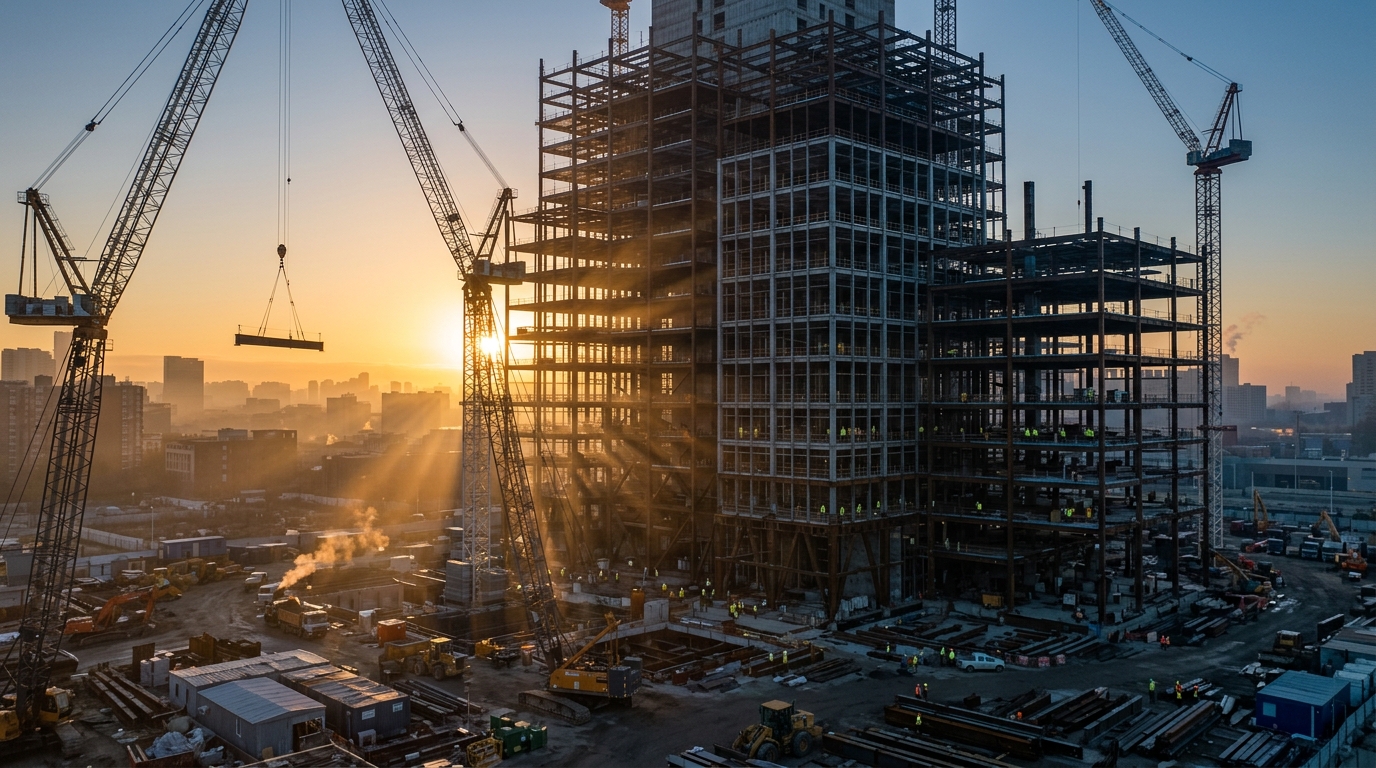
Cranes assembling skyscraper ste… 20261018150640

Imperative civil law regulation of warranty periods

The foundation on which all warranty obligations in the field of capital construction on the territory of the state are unconditionally based is the Civil Code of Ukraine. The legislator paid special attention to protecting the rights of construction customers, understanding the asymmetry of technical knowledge between a professional developer and an investor. According to Article 884 of this normative-legal act, the contractor undertakes to guarantee the achievement of all indicators by the construction object determined in the approved design and estimate documentation, as well as to ensure the possibility of unhindered operation of the object in accordance with the terms of the contract during the entire warranty period.

The state imperatively establishes that the warranty period for completed construction objects is ten years, the countdown of which begins from the day the object is accepted by the customer. This time milestone was not chosen by chance: it is precisely during the first decade of operation that the vast majority of hidden defects associated with metal fatigue, foundation settlement, violation of welding technology, or degradation of protective coatings manifest themselves. This statutory period can be increased by mutual consent of the parties in the contract or by a special sectoral law, but under no circumstances can it be reduced. Any provisions of construction contracts that limit the overall liability for capital metal structures to a shorter period, for example, five years, are legally void.

A similar and fully synchronized norm is enshrined in the Resolution of the Cabinet of Ministers of Ukraine No. 668, which regulates the General conditions for concluding and executing contracting agreements in capital construction. According to this government document, the warranty period of operation of a construction object is consistently ten years from the day of its official acceptance by the customer under the relevant act. This double legislative fixation testifes to the state’s uncompromising policy in matters of infrastructure quality.

An extremely important legal construct in construction is the presumption of the contractor’s guilt. This means that if any defects in metal structures are found within the established warranty period, the contractor bears full financial and technical responsibility for their elimination, unless they can independently prove otherwise. Exemption from liability is possible only when the contractor undoubtedly proves that the defects arose as a result of natural wear and tear of the object or its parts; due to its improper operation by the owner; or as a result of erroneous instructions regarding its operation developed by the customer themselves or third parties involved by them. Such an approach stimulates contractors to meticulously document every stage of work and requires customers to strictly adhere to technical maintenance regulations.

The legislation also provides a fair mechanism for suspending the passage of time: the warranty period is automatically extended for the time during which the object could not be operated due to defects for which the contractor is responsible. For example, if a main pipeline on metal supports suffered a critical deformation in the third year of service, and repair works and expertises lasted eight months, the total ten-year period is shifted by exactly these eight months. In addition, to ensure the fulfillment of obligations, civil law provides the customer with a powerful financial tool: a construction contract may establish the customer’s right to withhold and pay the part of the work price stipulated by the contract only after the complete expiration of the warranty period. In practice, this is expressed in the freezing of five or ten percent of the total estimate on special escrow accounts, which is the best motivator for builders to use exclusively certified and reliable materials.

Gavel on construction contract a… 20261018150640

Regulatory and technical framework: State Building Standards in design

Establishing a ten-year legal liability would be impossible without strict regulation of the technical processes that provide the required level of reliability. Design and calculation of steel structures for houses, industrial buildings, and structures of various purposes in Ukraine are carried out on the basis of specialized State Building Standards (DBN). The main document in this area is building standards V.2.6-198:2014.

These standards apply to structures operating in standard conditions at an ambient temperature not higher than 100 degrees Celsius, assuming the possibility of only a short-term increase in metal temperature up to 150 degrees without signs of an emergency situation or fire. This document regulates the choice of steel grades, calculation of cross-sections of elements for strength, stability, and endurance, as well as the design of welded and bolted joints. Unconditional compliance with these parameters during the development of drawings is the first and most important stage in ensuring the longevity of the object.

At the same time, this normative act contains a fundamental reservation: its effect does not apply to the choice of technical solutions and execution of works regarding the special protection of steel structures, which include fire protection, explosion protection, and, most importantly, secondary anti-corrosion protection. Separate, highly specialized regulations exist for these aspects. In addition, the basic reliability of structures as a whole, their ability to withstand snow, wind, and seismic loads must be ensured in accordance with the requirements of another fundamental document — State Building Standards V.1.2-14. This system of interrelated standards creates a multi-level technical filter that prevents the commissioning of objects posing a potential threat of collapse.

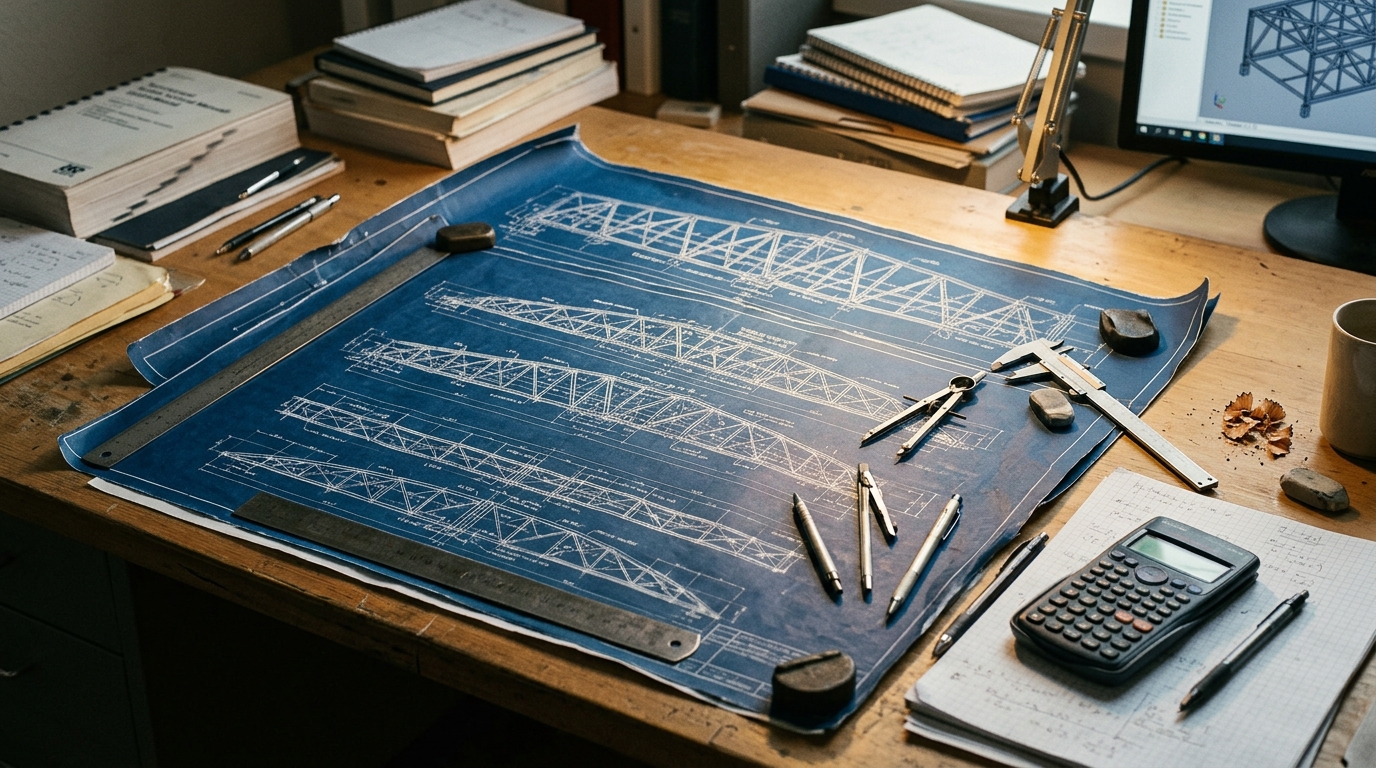
Engineer reviewing structural bl… 20261018150640

National standards for corrosion protection: Architecture of reliability

Since any unprotected carbon steel under the influence of the earth’s atmosphere, in water, or when buried in the ground inevitably and continuously undergoes electrochemical corrosion, which leads to its gradual thinning and irreversible destruction, surface protection technologies play a key role in ensuring ten-year and longer warranty periods. To avoid corrosion damage, steel structures are protected in such a way that they can guaranteed withstand aggressive corrosion loads throughout the entire design service life.

For integration into the global engineering space, a harmonized international system of standards of the DSTU ISO 12944 series was fully implemented in Ukraine. This monumental series of regulations is an exhaustive encyclopedia of modern anti-corrosion protection by paint and varnish systems. It consists of nine separate parts, each of which details a specific aspect of the technological process at the molecular and macroscopic levels. Compliance with these standards is the only legitimate proof that the contractor acted in good faith.

The first part of the standard is a general introduction that defines the conceptual apparatus. It clearly articulates that corrosion damage is an effect that is detrimental to the function of the metal, the environment, or the technical system as a whole. The second part is devoted to the classification of environments. It describes the impact of the environment on steel, highlighting six categories of atmospheric corrosivity (from internal dry premises to extreme marine conditions) and four categories for structures located in water or soil. Understanding these categories is critical, because paint that will serve for decades in a dry warehouse will be destroyed in a matter of months at a chemical plant.

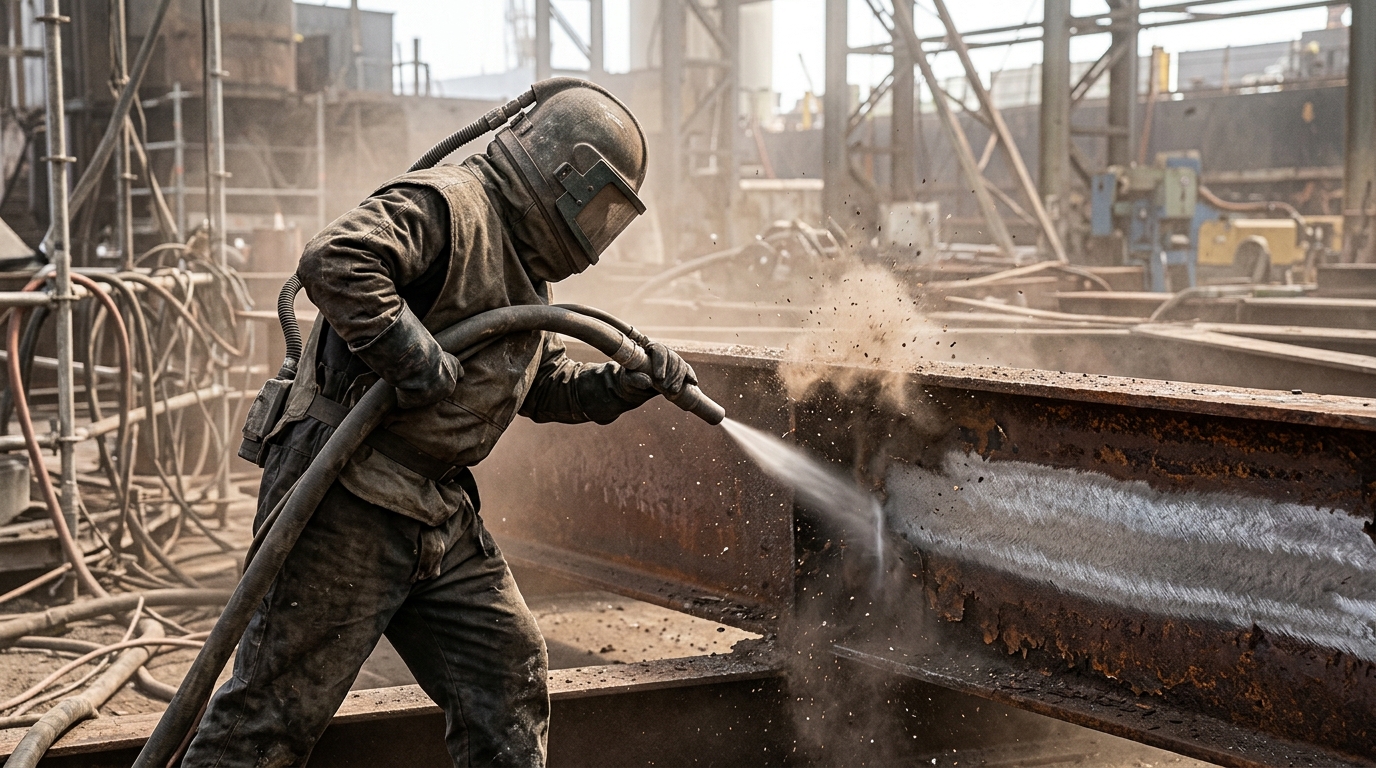
The fourth part of the standard focuses on surface types and the most important stage of the entire process — preparing the metal for painting. Scientific studies prove that up to eighty percent of cases of premature peeling of the protective coating occur precisely because of poor-quality preparation of the base. The main goal of preparation is the complete removal of any substances that negatively affect adhesion: old oil, greases, water-soluble salts, dirt, and rust. The standard details mechanical, chemical, and thermal cleaning methods. For example, mandatory alkaline cleaning of metal with subsequent washing with clean fresh water to neutralize fats is provided. The next step is abrasive blast cleaning of the surface with steel shot or grit. This allows not only removing scale but also creating the necessary microrelief, which the polymer paint film will physically cling to. All sharp edges, burrs, and weld spatters must be carefully ground off, since it is on sharp corners that the paint thickness is always minimal, and it is from there that the corrosion process begins.

The seventh part of the document strictly regulates the processes of execution and supervision of paint works. It establishes uncompromising requirements for the qualifications of contracting companies and their personnel, who must possess the skills of proper and safe application of materials. According to this section, the dry film thickness must be monitored at each critical stage of application. Electronic micrometers are used for this, and the measurement procedures and tolerances for surface roughness are regulated by relevant additional standards. The ninth part of the standard identifies specific and extremely stringent requirements for protective paint systems applied to offshore, marine, and similar structures operating in the most extreme category of corrosion load. In such environments, not only the integrity of the metal but also the environmental safety of entire regions depends on the reliability of the paint.

Worker abrasive blasting steel beam 20261018150640

Chemical and technological characteristics of paint and varnish coatings

Analysis of the technical characteristics of modern protection systems reveals a deep internal conflict in the construction market. On the one hand, the Civil Code requires a general ten-year warranty for the entire construction object. On the other hand, manufacturing plants and specialized contracting organizations often limit their warranties for specific protection elements to much shorter periods. For example, for metal frames, a warranty period of five years is often offered, and directly for the paint coating itself, the minimum permissible period may be only one year. This creates a paradoxical situation of colossal risk for the general contractor: if in the fifth year of operation the paint loses its properties and starts to peel off, the customer will have the full legal right to demand a complete repainting of the structures, relying on the ten-year warranty for the object. To minimize such financial threats, engineering chemistry has developed a whole range of paint and varnish complexes that differ in composition, number of layers, cost, and projected durability.

To systematize these complexes, a classification by categories of environmental corrosivity is used. The table below summarizes the relationship between the aggressiveness of the environment, the total thickness of the coating, and its theoretical operational life, which is confirmed by laboratory and field tests:

Category of environmental corrosivity according to the international standard Type of paint system and number of layers Total nominal dry film thickness Expected operational life of the coating
Low corrosivity Single-layer alkyd primer-enamel 80 micrometers

Up to 7 years

Medium corrosivity Two-layer system: alkyd primer and polyurethane enamel 120 micrometers

Up to 7 years

Medium corrosivity (reinforced) Two-layer system: polyurethane primer and polyurethane enamel 160 micrometers

Up to 10 years

High corrosivity Two-layer system: epoxy primer and polyurethane enamel 240 micrometers

Up to 10 years

Very high corrosivity Three-layer system: epoxy primer, polyurethane enamel, and clear protective varnish 240 micrometers

Up to 10 — 15 years

As the data show, alkyd materials are used exclusively for environments with low corrosivity, as they are unable to provide a long-lasting barrier against moisture. The greatest reliability is demonstrated by the symbiosis of epoxy and polyurethane resins. Anti-corrosion protection of strategic steel structures is almost always based on epoxy primers. Due to their molecular structure, they provide phenomenal adhesion to metal and create an absolutely waterproof barrier. However, epoxy resins have a significant drawback — they quickly degrade and lose color under the influence of ultraviolet solar radiation. Therefore, polyurethane enamels are always applied as a second layer. They are extremely resistant to UV radiation, mechanical abrasion, temperature fluctuations, and the effects of aggressive chemical compounds.

This long-term experience in the production of industrial coatings guarantees the quality and reliability of each product, allowing the life of the metal to be extended up to fifteen years. However, it should be understood that any violation of the technological map, for example, non-compliance with the drying temperature regime or application of enamel on a damp primer, will guaranteed lead to the development of hidden under-film corrosion. In this case, the paint manufacturer will have every reason to cancel its technical warranty, leaving the contractor alone with the customer’s claims.

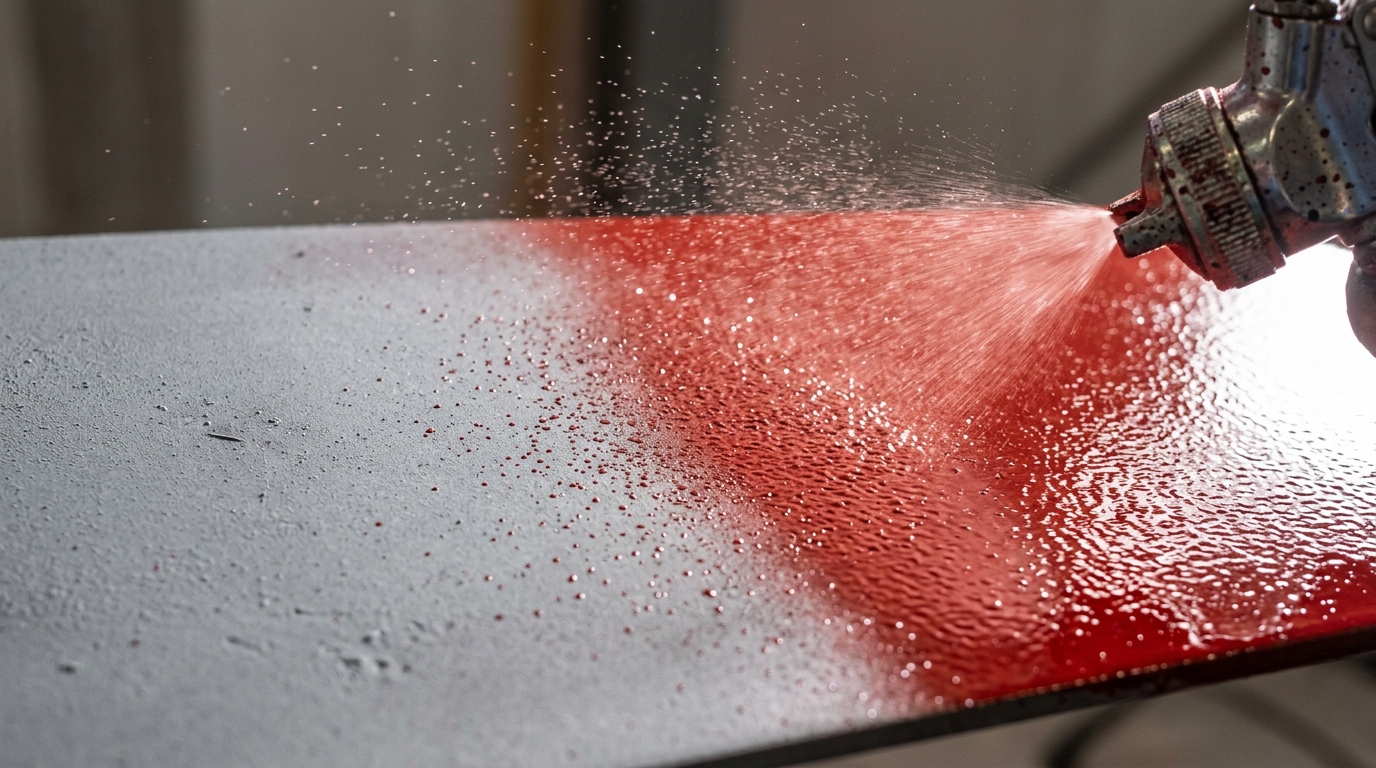
Spray painting metal plate surface 20261018150640

Hot-dip galvanizing as the ultimate protection method

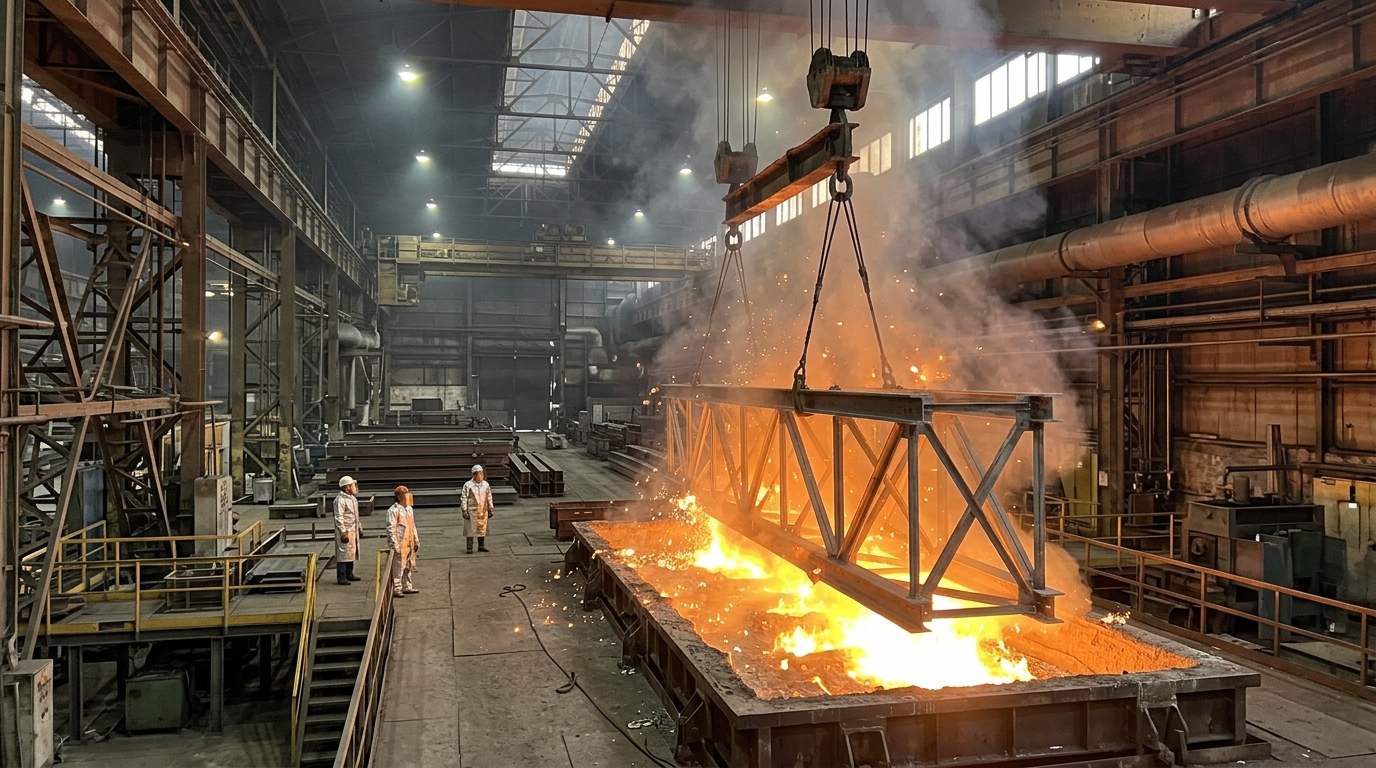
Realizing the physical and chemical limitations of any paint coatings, which inevitably age and deteriorate over time, modern engineering science proposes the use of hot-dip galvanizing technology for the most responsible and strategic objects. This process is fundamentally different from painting. A prepared, perfectly cleaned steel structure is completely immersed in a deep technological bath with molten zinc, the temperature of which is about 450 degrees Celsius. As a result of a complex thermochemical reaction at the interface of environments, not just an overlaid layer is formed, but a real multilayer metallurgical alloy of iron with zinc, which coalesces with the base at the molecular level.

This method is considered the most reliable, easy to control and, in the long term, the most economically viable method of anti-corrosion protection. Its uniqueness lies in the fact that the zinc coating provides dual protection. First, it is a powerful physical barrier that isolates steel from oxygen and moisture. Second, and most importantly, it provides electrochemical, or sacrificial, protection. Zinc is a more active metal compared to iron. Therefore, in the event of mechanical damage to the coating, such as a strong impact or a deep scratch down to the metal itself, zinc begins to perform the function of an anode and oxidizes sacrificially, protecting the bare steel from rusting. Moreover, microdefects in the coating are capable of a kind of self-healing due to the formation of a dense insoluble oxide film directly on the damage surface.

The service life of high-quality galvanized metal is impressive in its scale. Depending on the thickness of the applied coating and the level of aggressiveness of the environment, such metal serves without any signs of corrosion from twenty to sixty-five years. In favorable conditions of a temperate climate, this period can reach up to 120 years. Accordingly, hot-dip galvanizing of metal structures means reliable protection against corrosion for fifty or more years. An important economic advantage is that such a coating absolutely does not require periodic renewal, tinting, or expensive restoration during its entire service life. The availability of processing by the hot-dip galvanizing method allows construction corporations to without hesitation grant the state and private investors a ten-year warranty on erected objects, minimizing their own risks of complaints to the level of statistical error.

Crane lowering steel into vat 20261018150640

Differentiation of warranty periods for infrastructure elements and components

Modern metal structures very rarely exist in space as isolated, bare frames. As a rule, they serve as a base functioning in close symbiosis with dozens of other engineering systems, enclosing structures, and moving mechanisms. Since each material — plastic, rubber, glass, electronics — has its own, significantly lower limits of physical endurance compared to steel, legislation and established market practice allow for a reasonable differentiation of warranty periods for various components of a complex object.

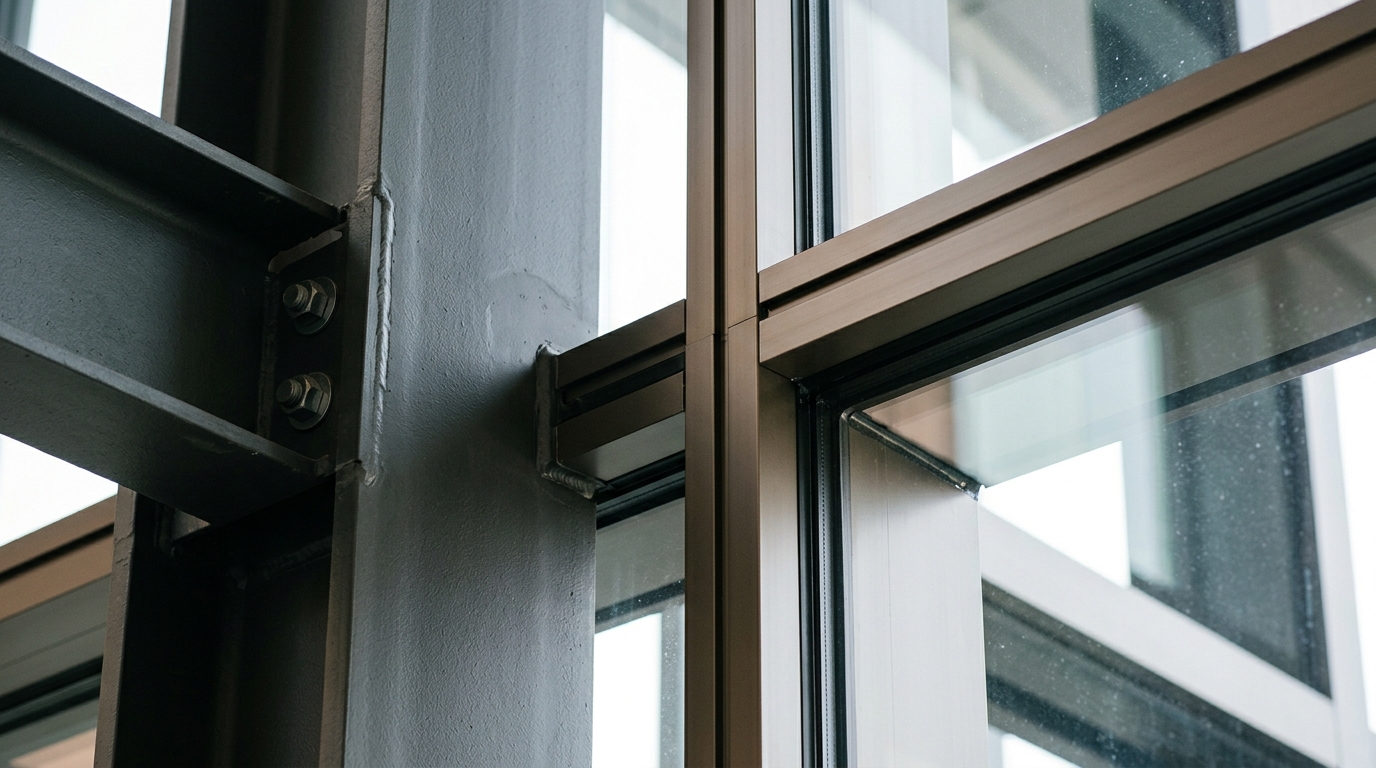
A striking example of such a distinction is the installation of metal-plastic and aluminum window and door systems in metal frames of buildings. Metal-plastic windows are recognized as highly reliable products, with a projected service life of at least forty years. However, according to current legislation of Ukraine and relevant state standards, the manufacturer or installing company is obliged to provide a warranty period of only not less than three years from the date of commissioning. This warranty covers key characteristics: preserving the correct geometric shape of the profile, maintaining the absolute tightness of glass units, as well as the smooth functioning of rubber seals and hardware. Some leading brands extend this warranty horizon to five years, especially for structures made from premium aluminum profiles or wooden products, but exclusively under the condition of documented compliance with recommendations for periodic care, for example, wiping with protective agents twice a year. At the same time, it is worth noting that for such a common defect as the appearance of cracks in the double-glazed unit (excluding thermal shock or hidden manufacturing flaws), the warranty is usually limited to a symbolic fourteen days after installation, which logically shifts the risk of accidental mechanical glass breakage to the owner.

The same logic of differentiation is clearly traced in analyzing warranties for social infrastructure objects, such as children’s playgrounds and sports grounds, the basis of which is made up of robust metal structures. The general statutory warranty period for such a construction object can be from five to ten years, however, the manufacturer’s responsibility is strictly differentiated depending on the durability of the materials used:

Infrastructure object element Material or processing technology used Established warranty period
Main load-bearing structures Fully stainless steel or hot-dip galvanized parts

10 years

Finishing platforms Composite decking board

5 years

Standard metal frames Carbon steel with standard painting

2 years

Dynamic and small parts Rotating mechanisms (bushings, bearings), springs, plastic end caps, plywood elements

1 year

This approach is completely justified, since moving and plastic parts in open spaces are subjected to immense wear and tear due to friction, temperature fluctuations, and acts of vandalism, which makes it impossible to provide multi-year warranties for them. A similar situation is observed with automated systems mounted on metal structures, such as industrial gates. The warranty for the metal structure itself and passive components is two years, while for electronic automation and drives it is only one year. Electric heating elements mounted in the engineering networks of structures are provided with a warranty for twelve months, and even then, provided that their installation rules are perfectly observed.

A separate but extremely important aspect is the issue of exchanging and returning metal products. According to the Law of Ukraine on Consumer Rights Protection, the buyer has the legal right to return or exchange goods of appropriate quality within fourteen days from the date of purchase, provided that they were not installed and retained their marketable appearance. However, this general rule has an exception that saves metalwork factories from bankruptcy. According to a relevant government decree, products manufactured on an individual order — for example, bridge trusses according to unique customer drawings, metal structures with non-standard dimensions, or specifically cut metal — cannot be exchanged or returned in any way, provided they fully comply with the specification previously agreed upon by the parties. This is logical, because it is practically impossible to sell such products on the secondary market to other clients.

An interesting economic and legal mechanism is applied by manufacturers of products made of thin-sheet steel with double-sided polymer coating (for example, metal profiles for fences). They loudly declare a ten-year warranty, but implement a mechanism of amortizing their own responsibility depending on the period of operation. If through corrosion is detected in the first three years, the client is compensated one hundred percent of the material cost; if damage occurs in the period from three to seven years — the company compensates sixty percent; and if the defect arises after seven years of operation, but before the end of the ten-year period — only thirty percent of the cost is compensated. Such a financial gradation is a reflection of the inevitable processes of physical aging of polymers under the influence of aggressive atmospheric factors and is a compromise between promotional promises and the laws of physics.

Building architectural junction … 20261018150640

Fire protection of metal structures: Guarantee of preserving life and property

A fundamental and rather dangerous feature of steel as a basic building material is that, despite its absolute non-combustibility in the everyday sense, under the influence of extremely high temperatures during a fire, it behaves extremely unstably. Upon heating above 500 degrees Celsius, the metal begins to rapidly lose its molecular rigidity, becomes plastic, like clay, and critically loses its load-bearing capacity. Without proper protection, this leads to a sudden, cascading, and irreversible collapse of a multi-ton building long before the fire causes critical damage to other elements of the structure or evacuation is completed. That is why the application of effective fire protection coatings is not just a customer’s whim, but an unalternative condition for accepting any industrial or civil facility into operation by state regulatory authorities.

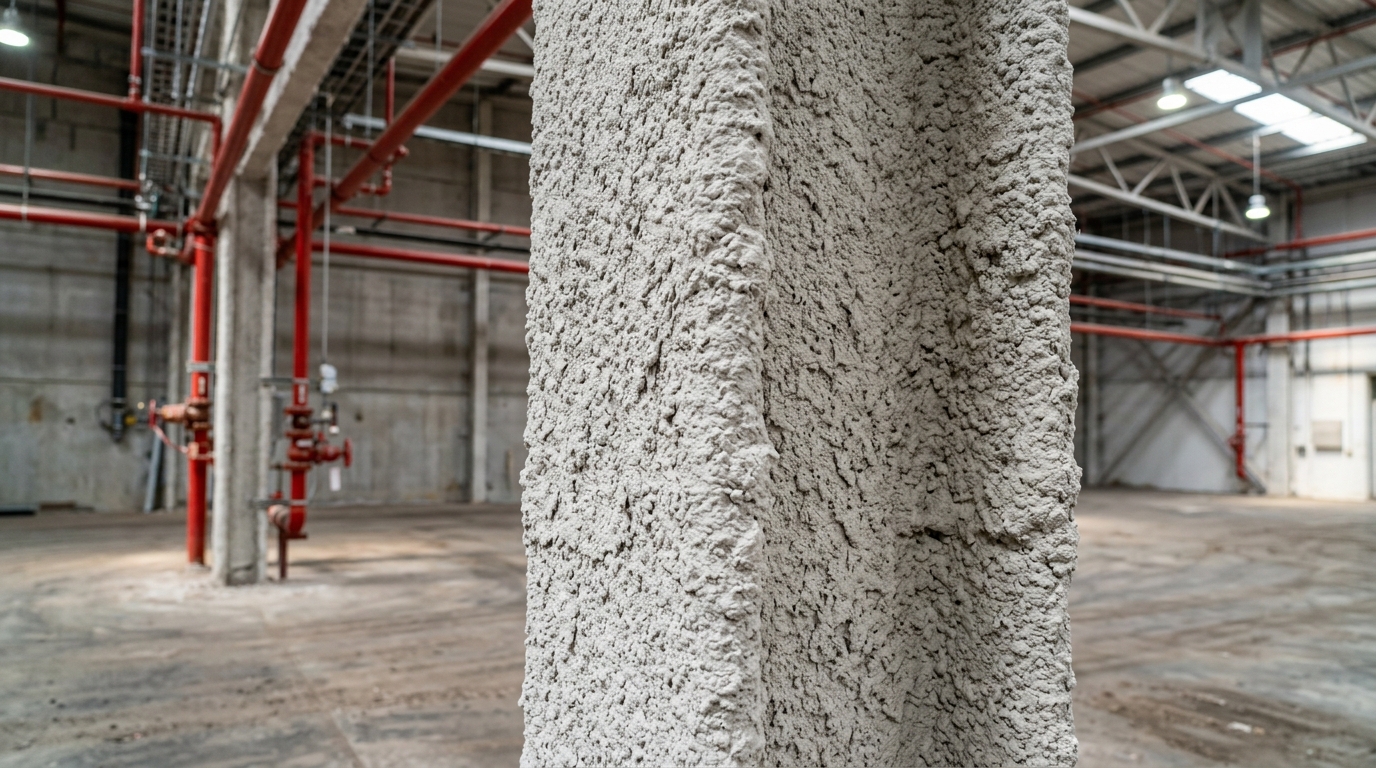
Warranty obligations in the specific field of fire protection have a completely different, hybrid nature compared to standard anti-corrosion works. Applying special reactive materials (so-called intumescent paints, which, upon contact with fire, multiply in volume and form a thick layer of heat-insulating porous coke) or applying structural fire protection (thick-layer plaster mixtures, basalt boards) allows for artificially increasing the fire resistance limit of metal frames to the required regulatory values of forty-five, sixty, or even one hundred and twenty minutes. Leading manufacturers of fire protection systems declare a theoretical warranty service life of their coating in their technical data sheets at a significant level — up to fifteen years. However, this period by no means implies that the coating can be forgotten about for a decade and a half.

In accordance with the strict requirements of Fire Safety Rules in Ukraine, having the longest long-term warranty on materials does not negate the necessity for continuous monitoring of their condition. Regular inspection of the state of the fire-retardant coating must be conducted by relevant licensed specialists at least once a year. Based on the results of such a commission inspection, an official act is drawn up, unconditionally confirming the integrity of the coating, the absence of microcracks, delaminations, mechanical damage, and, as a consequence, its ability to continue to effectively perform its critical protective functions in the event of an actual ignition. If the owner or the operating organization of the building ignores this strict requirement for annual inspection and documentation of the object’s condition, the contracting company and the material manufacturing plant automatically receive the legitimate right to completely refuse free warranty service if coating degradation is found, reasonably motivating it as a gross violation of the facility’s operation regulations.

Fire retardant plaster on column 20261018150640

Defect recording procedures: The role of commissions and defect reports

The right to free warranty service is an inalienable right of the investor, however, the mechanism for its implementation requires meticulous and flawless compliance with bureaucratic and engineering procedures. Any mistake in processing a claim can serve as grounds for denying multi-million damages. In the event that any hidden or obvious defects in the metal structure, foci of unforeseen corrosion, or violations of the overall integrity of the object are discovered during the warranty period, the customer is obliged to formally notify the contractor within a reasonable time immediately after their discovery. Conscious ignorance or concealment of a defect by the maintenance service, which subsequently led to its exponential increase or caused a chain failure of adjacent engineering elements, is always interpreted by courts as criminal negligence on the part of the owner themselves.

The fundamental, primary document that formally triggers the complex process of legally asserting claims, rectifying defects, and subsequent financial settlements is the defect report. It is a key official document that states and confirms the very fact of failure, breakdown, or damage to a material object, proves the necessity for urgent or scheduled repair works, and exhaustively lists their entire scope. From a legal standpoint, the subjective opinion of an enterprise director, a building owner, or a financially responsible person is absolutely insufficient for making justified claims against builders. They may not possess the corresponding deep technical knowledge to understand the root causes of the destruction.

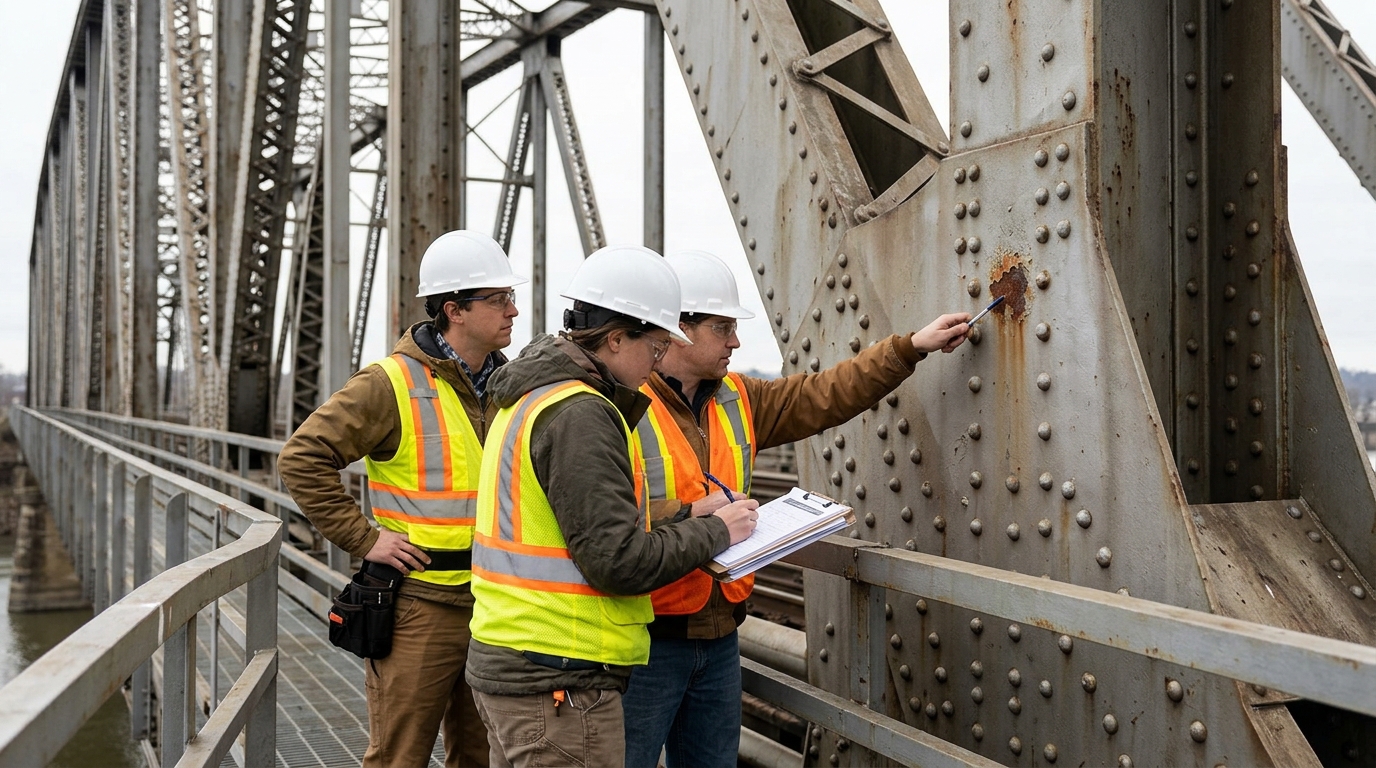
That is why, in order to correctly draw up a defect report, the management of the customer enterprise is obliged to issue an order on the establishment of a qualified expert commission. Its composition must include specialized full-time specialists: chief civil engineers, production technologists, and specialists in anti-corrosion protection and technical supervision. If an institution or company lacks specialists of the required profile on its staff, it is granted the right to officially involve independent technical auditors or representatives of licensed expert construction organizations. This commission conducts a thorough visual and, more importantly, instrumental inspection of the problem object using non-destructive testing equipment, ultrasonic thickness gauges, and flaw detectors.

In everyday construction and industrial document flow practice, a time-tested standardized form of an act on detected equipment defects is very often used, known among specialists as form number M-17. It has been approved by state statistical authorities and is traditionally applied to document flaws found not only during operation, but also during revision, installation, or primary testing stages. A defect report is compiled not for the object as a whole, but separately for each structure, major assembly, or production line.

The text of the act must obligatorily include the results of all field measurements performed. The commission members detail the localization of each damage down to the millimeter (e.g., the area of paint delamination in square meters on a specific support, the depth of corrosion pits in the body of an I-beam, the degree of weld seam deformation). A critically important accounting and legal nuance is that the direct financial cost of materials and works to eliminate the problem is never indicated in a defect report. The sole and undeniable purpose of this document is to record the physical condition of the object and outline the nomenclature and scale of the problem. All cost indicators and compensation amounts are calculated much later, at the stage of compiling a separate repair estimate.

Depending on how and by whose efforts the recorded defects will be eliminated, the document is drawn up in one or more original copies. If the repair will be carried out by a third-party contracting organization as part of fulfilling its warranty obligations, the defect report is always compiled in at least two copies — one equivalent copy for each of the interested parties. In a situation where an unscrupulous contractor refuses to sign the act, ignores claims, or altogether fails to send an authorized representative to the site after receiving an official summons, the customer has the full right to compile and approve the act independently, but with the mandatory participation of independent certified experts. Such a unilateral, yet expertly confirmed document will become a key and often insurmountable piece of evidence in future court proceedings.

Engineers inspecting bridge rust 20261018150640

Judicial practice and strategies for protecting interests in disputes

The field of capital construction and erection of facilities using large-scale metal structures is extremely highly competitive and capital-intensive. Accordingly, court disputes over the fulfillment of warranty obligations, quality of work, and compensation for damages are a quite common and ordinary phenomenon in commercial litigation. A detailed analysis of current judicial practice vividly demonstrates the constant, consistent, and strict position of the highest judicial authorities of the state regarding the mandatory application of the ten-year warranty period for most capital construction projects.

The most common mistake (or, as happens more often, deliberate legal manipulation) by contracting companies is attempting to include specific clauses in the text of a construction contract limiting the general warranty for a fully completed object to a shorter term, such as three or five years. The State Audit Service of Ukraine, which oversees the use of budget funds, as well as commercial courts of all instances unambiguously regard such contractual terms as a direct and gross violation of the norms of current civil legislation. The legal logic of judges and auditors lies in the fact that Article 884 of the Civil Code establishes an ironclad, minimum permissible liability threshold lasting ten years. Any contractual narrowing of this protective period is automatically deemed void, as a contract cannot worsen the customer’s situation compared to the law. The only permitted deviation from this rule is an extension of the warranty period by mutual agreement of the parties.

At the same time, competent judicial practice clearly distinguishes between the concept of a global warranty for the entire construction object as a whole (which includes load-bearing metal structures, foundations, supporting frames) and a local warranty for specific quick-wearing materials or routine repair works. For example, the warranty period for minor routine repair services or cosmetic restoration of an anti-corrosion coating can perfectly legally be only twelve months, provided it is properly justified by the project and the conditions of the tender procurement. However, for newly erected capital steel structures, the imperative ten-year rule remains an unshakable monolith.

The fiercest legal battles when reviewing such cases almost always revolve around the complex issue of causality between the contractor’s actions at the construction stage and the actual occurrence of a defect several years later. Contractor attorneys typically build their defense strategy on trying to prove that rapid corrosion or structural deformation happened solely because of the customer enterprise’s aggressive operating environment (e.g., constant emissions of chemical vapors not foreseen by the initial design, high humidity in workshops), a complete lack of scheduled annual maintenance by the owner, or due to force majeure and extreme weather conditions. Instead, the customer’s legal position is categorically based on the presence of hidden defects in the metal itself, poorly executed welds, use of counterfeit paint, or gross violation of surface preparation technology before its application. In such complex and technically convoluted cases, a court is unable to establish the truth on its own and always appoints a comprehensive construction-technical and metallographic expertise, the conclusions of which become decisive for the verdict.

Courts also strictly adhere to the norm that the course of a warranty period is legally suspended for the entire duration of objective obstacles to the normal and safe operation of the object, if these obstacles arose due to the fault of the contractor. Successfully proving this fact in the courtroom allows legally savvy customers to prolong free maintenance of their facilities for a significant amount of time. Moreover, courts fully support the lawful practice of the customer retaining a portion of the final payment for completed work (retention money) until the full expiration of the warranty period, which is recognized as the most effective tool for financial risk hedging.

Two people shaking hands 20261018150640

European experience and strategic perspectives for modernizing national legislation

The irreversible integration of Ukraine into the common European economic, technical, and legal space objectively requires a deep modernization of approaches to defining and insuring liability in the construction sector. The legislation of most developed Western countries professes the principle of clearly differentiated or graduated liability of builders, the most famous and successful example of which is the concept of ten-year liability, developed in France and subsequently successfully adopted by many other countries in continental Europe.

According to this pragmatic concept, an unconditional general ten-year period is never applied to every single trifle at a site, as this contradicts the laws of material wear. Warranty obligations there are clearly and fairly divided into three functional levels. The first level is a short warranty lasting one year, which applies exclusively to cosmetic and obvious minor defects that in no way affect the general functionality and safety of the building (for example, minor damage to a decorative paint coating or scratches). The second level covers a three-year period and strictly relates to those engineering systems that directly affect the comfort and normal functioning of the object (internal water supply, ventilation systems, electrical networks, moving mechanisms). Finally, the third and most important level is the fundamental ten-year liability, which covers exclusively structural defects of fundamental load-bearing elements (load-bearing metal structures, reinforced concrete foundations, floor slabs), i.e., those critical flaws that can directly affect the stability, strength, and overall physical safety of the structure for people.

Such a multi-level European approach is far more balanced and realistic than the current Ukrainian model, where a formal, universal requirement for a ten-year warranty on the entire object as a whole constantly creates absurd legal conflicts regarding secondary elements that physically are simply not capable of lasting that long without natural wear and tear. Domestic parliamentarians and representatives of specialized builders’ associations are currently actively working on adapting these progressive norms. In the walls of parliament, new draft laws are being considered, aimed not just at declaring once again a ten-year term for completed construction objects commissioned, calculating it from the day of registration of the corresponding declaration, but also taking a revolutionary step — introducing effective mechanisms for mandatory professional liability insurance of construction companies. This will reliably guarantee compensation for colossal damages for hidden construction defects even in the worst-case scenario where a contracting company has gone bankrupt, liquidated, or simply ceased its business activities. The introduction of the institute of mandatory construction risk insurance for such a lengthy ten-year period is capable of fundamentally changing the market landscape, ruthlessly displacing unscrupulous and unprofessional contractors from it and maximally stimulating the use of the highest quality anti-corrosion protection systems, such as flawless hot-dip galvanizing or complex multi-layer polyurethane complexes guaranteed to serve for decades.

Dew drops on steel fence 20261018150640

Final provisions and strategic conclusions

A comprehensive analysis of the issue of warranty obligations for metal structures in Ukraine shows that this institution is an extremely complex system in which strict imperative norms of jurisprudence and absolutely uncompromising laws of physics, chemistry, and strength of materials are inextricably intertwined. An in-depth study of the national regulatory legal framework, technical regulations, and current market practice makes it possible to formulate a number of strategic conclusions.

First of all, it is worth noting that current national legislation unconditionally stands up to protect the fundamental interests of the customer and the investor in capital construction, strictly establishing a minimum ten-year warranty period for the erected object as a whole. Any attempts by contracting companies to evade this liability by artificially shortening this period in the texts of construction contracts are legally void and are guaranteed and quickly appealed in state courts of all instances. However, this categorical general norm is constantly in conflict with the real, physically possible service lives of many modern protective coatings and moving mechanisms, which forces the parties to seek compromise solutions through a complex differentiation of warranty obligations for the structural strength of the steel frame (a stable 10 years) and, separately, for anti-corrosion protection (the term of which ranges from 1 to 15 years depending on the chosen protection technology and environmental corrosivity).

The second extremely important conclusion is that the actual durability of steel structures and the legal validity of any warranty claims critically and inextricably depend on contractors diligently complying with international engineering standards, first and foremost the monumental series of regulations on corrosion protection by paint systems. Proper, multi-stage surface preparation to a degree of ideal cleanliness, correct and scientifically sound selection of multi-layer protective chemical systems, strict film thickness control at each stage, or use of the flawless hot-dip galvanizing method — these are not just desirable technical requirements. These are the most important legal arguments and solid evidence of the contractor in proving the proper quality of works performed by them. Preventive investments at the initial production stage, in particular financing in high-quality specialized fire protection and galvanizing, can repeatedly prolong the operational life of the structure to fifty or more years, forever eliminating even the theoretical risk of exhausting warranty disputes and financial losses.

Thirdly, strict procedural and bureaucratic discipline is an absolute prerequisite for successfully resolving any conflicts in this area. Identifying defects requires an immediate, documented response from the facility owner, the formation of a competent independent commission of experts, and the legally flawless drafting of defect reports utilizing instrumental control. Without such proper and timely documentary formalization of flaws, even the most glaring and obvious miscalculations or negligence on the part of a construction contractor will not be able to become legitimate grounds for forced compensation for damages in court.

Finally, the general vector of development of the construction market is steadily moving towards implementing a pragmatic European model of differentiated liability. Adapting conservative domestic legislation to the advanced concept of mandatory construction risk insurance for decades, a logical division of financial and technical liability into fundamental, operational, and cosmetic will make the national construction market as transparent as possible, and the warranty obligations themselves — economically justified, fair, and genuinely protected by reliable financial instruments, which will contribute to attracting global investments into the rebuilding of the state’s infrastructure.

author
Alexander Guk
About the author:

Our expert in fencing structures has over 5 years of experience working at the Mehbud factory. Helps you choose the optimal design and model of fencing according to your needs. Professionally deve...

More
0 0 votes
Article Rating
Subscribe
Notify of
guest
0 Comments
Oldest
Newest Most Voted