Powder coating of galvanized steel in facade construction
Generic selectors
Exact matches only
Search in title
Search in content
Post Type Selectors

Powder coating of galvanized steel in facade construction

June 17, 2026
1603  

Powder-coated galvanized steel is distinguished by its surface resistance to external influences, durability, and a boundless variety of color solutions. Today, it is the gold standard in the production of facade and fencing structures.

Powder paints are dry, finely dispersed mixtures of resins, pigments, and special additives that are stored in plastic containers and do not require the addition of harmful liquid solvents. This means they are completely ready for use. There is no need for applying multiple layers or long air-drying. These are the main advantages of powder enamel over liquid paints: guaranteed excellent coating quality in a short time, absolute environmental friendliness (absence of volatile organic compounds), and high cost-efficiency, as up to 98% of the material that does not settle on the part is returned to the production cycle.
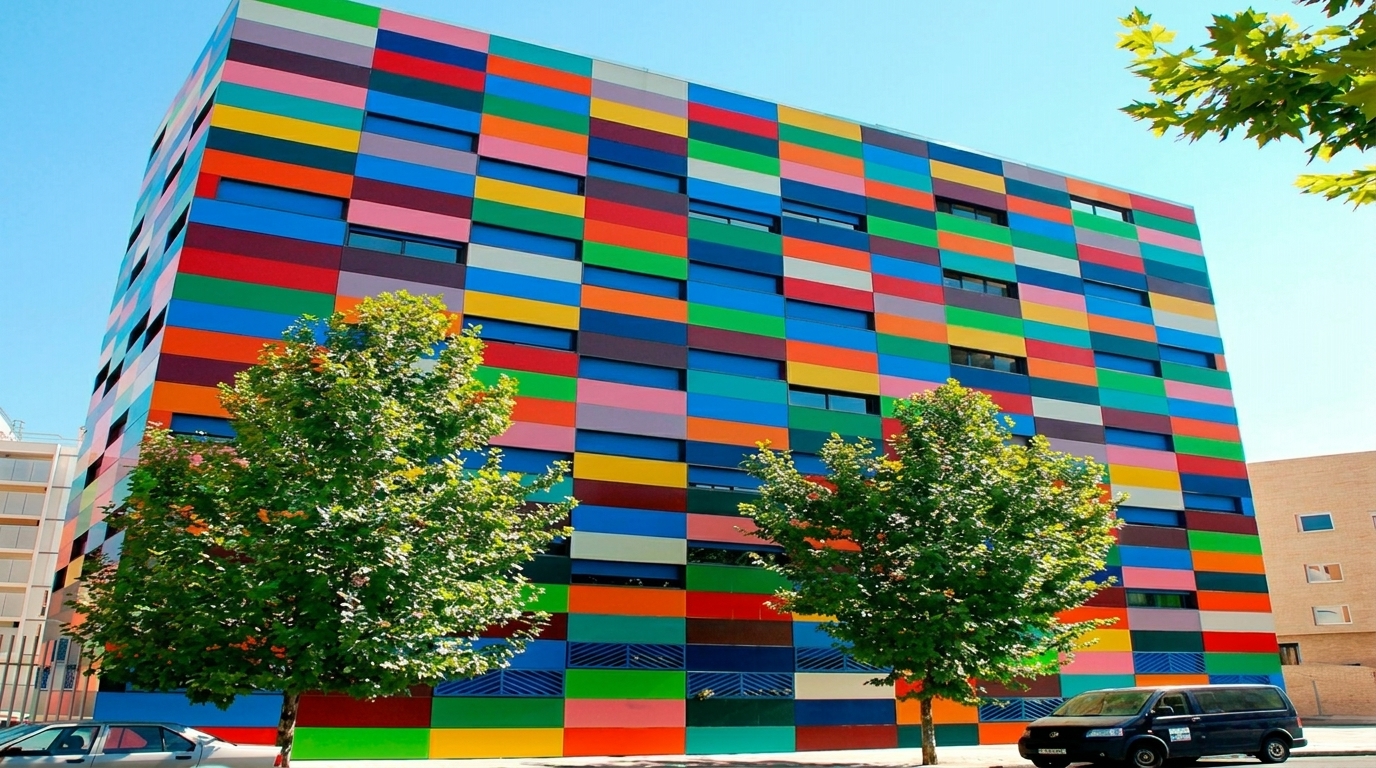
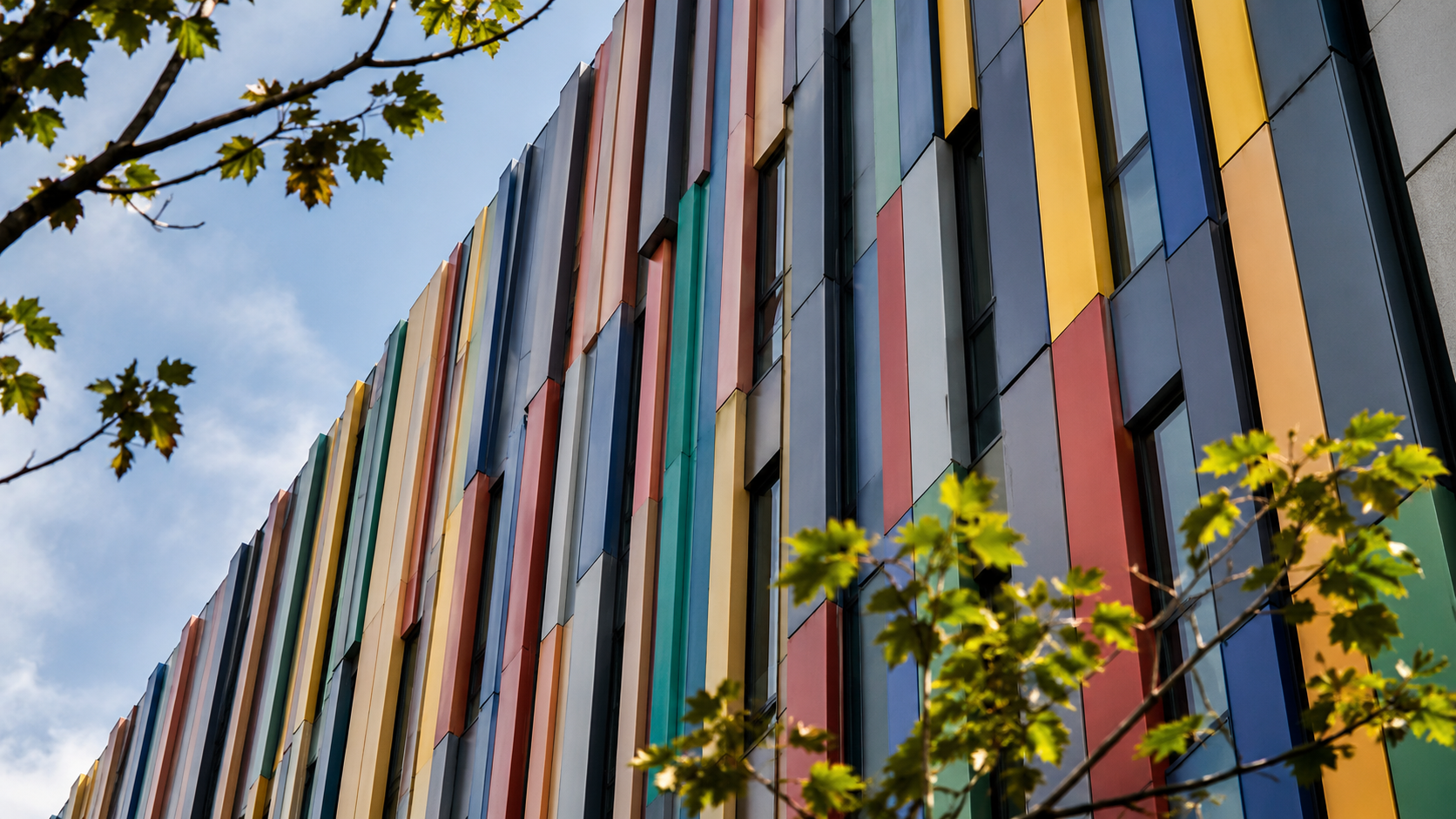
Яркое современное здание с разноцветным фасадом из прямоугольных панелей, деревьями и припаркованными автомобилями на улице

The technology of such painting is a high-tech process consisting of several key stages. Everything starts with preparation: the metal surface is thoroughly cleaned, degreased, and subjected to chemical treatment (phosphating or chromating). This creates an ideal microscopic base for maximum paint adhesion.

Next, dry powder is applied to the prepared surface in special chambers. An electric voltage (electrostatic method) of several hundred or thousand volts is applied to the paint particles, and the part itself is grounded. Paint particles are magnetized to the metal and, since they do not conduct electricity, they shield the electric field, distributing evenly even in hard-to-reach places. An ideally smooth, uniform layer of polymer powder remains on the surface. Excess particles fall off, are collected by a recovery system, and returned to the container.

If metal parts vary in size (for example, individual facade cassettes), they can be covered manually from a spray gun under pressure. For painting continuous strips or large batches of profiles (such as for louver fences), spraying takes place on fully automated lines. After application, the part is sent to a polymerization oven, where the powder melts at a temperature of 160-220°C. Full polymerization takes place within 15-40 minutes. The paint “bakes,” forming an ultra-strong, solid layer with a specified thickness (from 30 to 120 microns), which literally merges with the metal at the molecular level.

Types of powder paints

For the formation of powder protective and decorative coatings, the most diverse materials are used. They differ both in principle of action and in chemical composition — the use of different polymers ensures different results, which is especially important when choosing paint for exterior or interior work.

Classification by principle of action

By principle of action, thermoplastic and thermosetting powder paints are distinguished. Both types polymerize upon heating, but the processes are fundamentally different:

  1. Thermoplastic paint hardens after heating without a chemical reaction. Physical melting of the polymer occurs, followed by sintering of particles into a single coating without seams and joints. The resulting layer has high strength and provides good anti-corrosion protection but may be sensitive to repeated strong heating.
  2. Thermosetting powder paints work differently (most common in architecture). Upon heating, irreversible chemical reactions occur in the polymer layer, transforming the powder into a non-meltable and insoluble film. These provide the highest mechanical and atmospheric resistance.

Classification by composition

The chemical composition of the powder paint is the most important criterion determining the scope of the part:

  1. Polyester (Architectural standard). Polymerize at 170-200°C. This is the undisputed leader for outdoor structures (facades, fences, roofing). They possess phenomenal resistance to ultraviolet light (do not fade in the sun), high mechanical strength, and resistance to chips and temperature changes. Ideal for “Mehbud” products.
  2. Epoxy. Used for forming a rigid anti-corrosion coating in aggressive environments, as well as for electrical insulation. Possess high resistance to solvents and acids, but are prone to yellowing and loss of gloss (“chalking”) under the influence of UV rays. Used primarily indoors.
  3. Epoxy-polyester (Hybrid). A compromise solution combining the advantages of both resins. They possess excellent decorative properties and resistance to mechanical damage, but their use is also limited primarily to interior work or parts not exposed to constant sunlight (e.g., suspended ceilings).
  4. Polyurethane. Distinguished by magnificent decorative potential, an ideally smooth surface, and a “silk” effect. Resistant to chemicals, friction, and atmospheric influences; often used for parts subject to constant wear.
Сучасний фасад будівлі з вертикальними різнокольоровими панелями та вікнами, серед гілок дерева на тлі неба

The technology of painting with powder enamel is strictly standardized. The coating of galvanized steel and aluminum must comply not only with national technical conditions but also with strict international standards, such as Qualicoat. This method is capable of satisfying the most demanding requirements for the quality of the painted surface, ensuring that the color, gloss, and integrity of the layer remain unchanged for decades, regardless of the climatic zone.

1. Operational properties (Advantages):

  1. Hardness and impact resistance: stability against indentation, punctures, scratches, and gravel impacts (critical for base panels and fences);
  2. Wear resistance: resistance to friction and the abrasive effect of wind with dust;
  3. Phenomenal elasticity: the ability to stretch allows for the bending and profiling of painted metal sheets (roll forming, cassette forming) without damaging the polymer coating. The layer does not crack during thermal deformation of the metal;
  4. Wide temperature range: the paint retains its properties from -60°C to +150°C. Even in the hottest climate, dark-colored products maintain the integrity of the film;
  5. Chemical resistance: immunity to the aggressive action of acidic and alkaline rains, industrial smog, salt fog (important for coastal zones), and detergents;
  6. Maximum adhesion: the paint does not peel or chip at the edge of the steel when cut by a circular or band saw, during drilling, or when working with a guillotine;
  7. Anti-corrosion armor: ideal coating density (thickness for outdoor products is 60 to 120 microns) creates a reliable barrier against moisture and oxygen;
  8. Layer durability: the guarantee on the coating is from 10 to 25 years, and the actual service life exceeds 50 years;
  9. UV resistance: the use of special architectural polyester resins completely prevents fading and loss of gloss;
  10. Self-cleaning: thanks to the very smooth surface, facades and fences are easily cleaned of dust by ordinary rain.
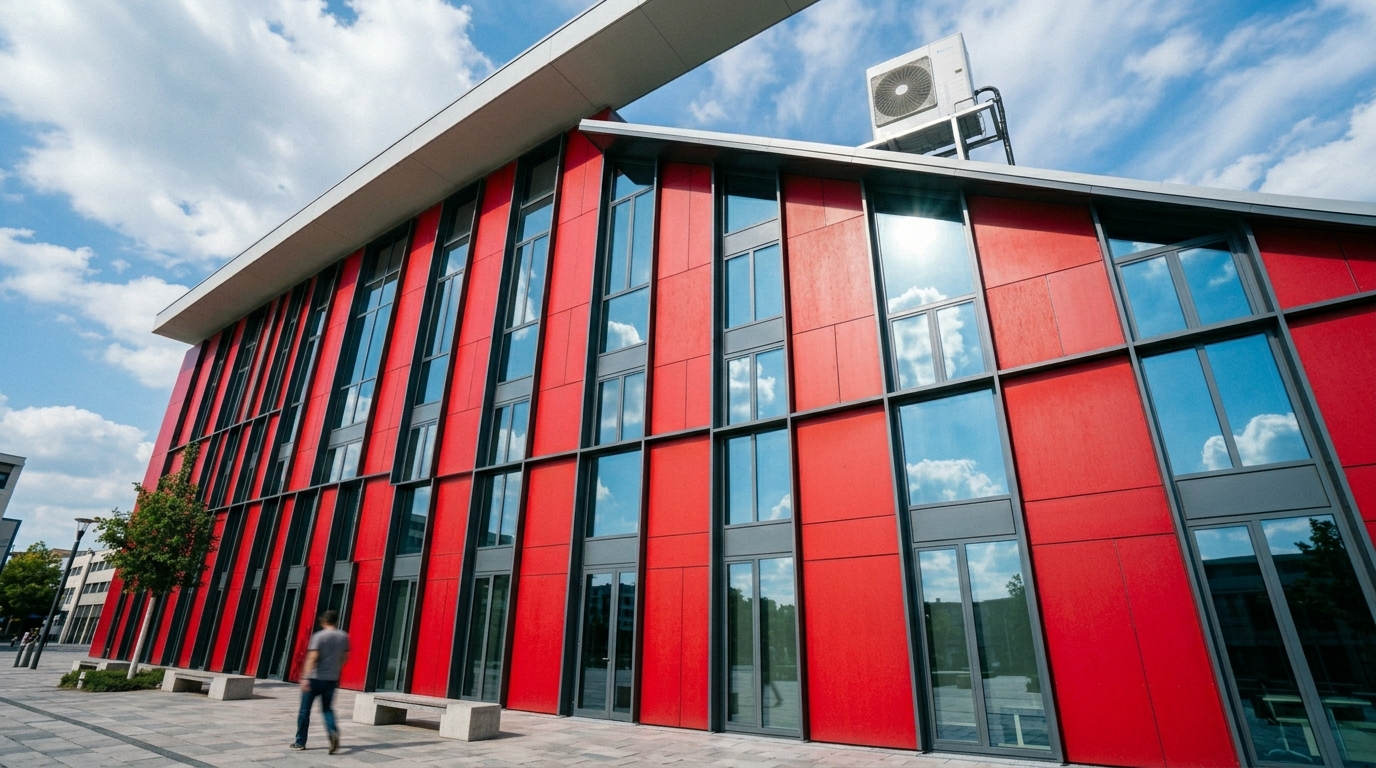
Сучасна будівля з яскравим червоним фасадом, великими вертикальними вікнами та відображенням хмар у склі

2. Decorative possibilities:

  1. Boundless palette: exact correspondence to any color tone according to international RAL (Classic, Design, Effect) and NCS systems;
  2. Ideal uniformity: absence of drips, streaks, or differences in shades even on huge areas of facade cladding;
  3. Variety of gloss levels: deep matte, semi-matte, satin, semi-gloss, or high gloss;
  4. Special textures: “moire” (fine “sandpaper” texture that does not leave fingerprints), “shagreen” (orange peel texture that hides metal unevenness), “antique” (imitation of vintage metals with streaks), “metallic,” and pearl;
  5. Imitation of natural materials: sublimation technology allows for transferring the ideal texture of wood, stone, or corten onto the powder coating.
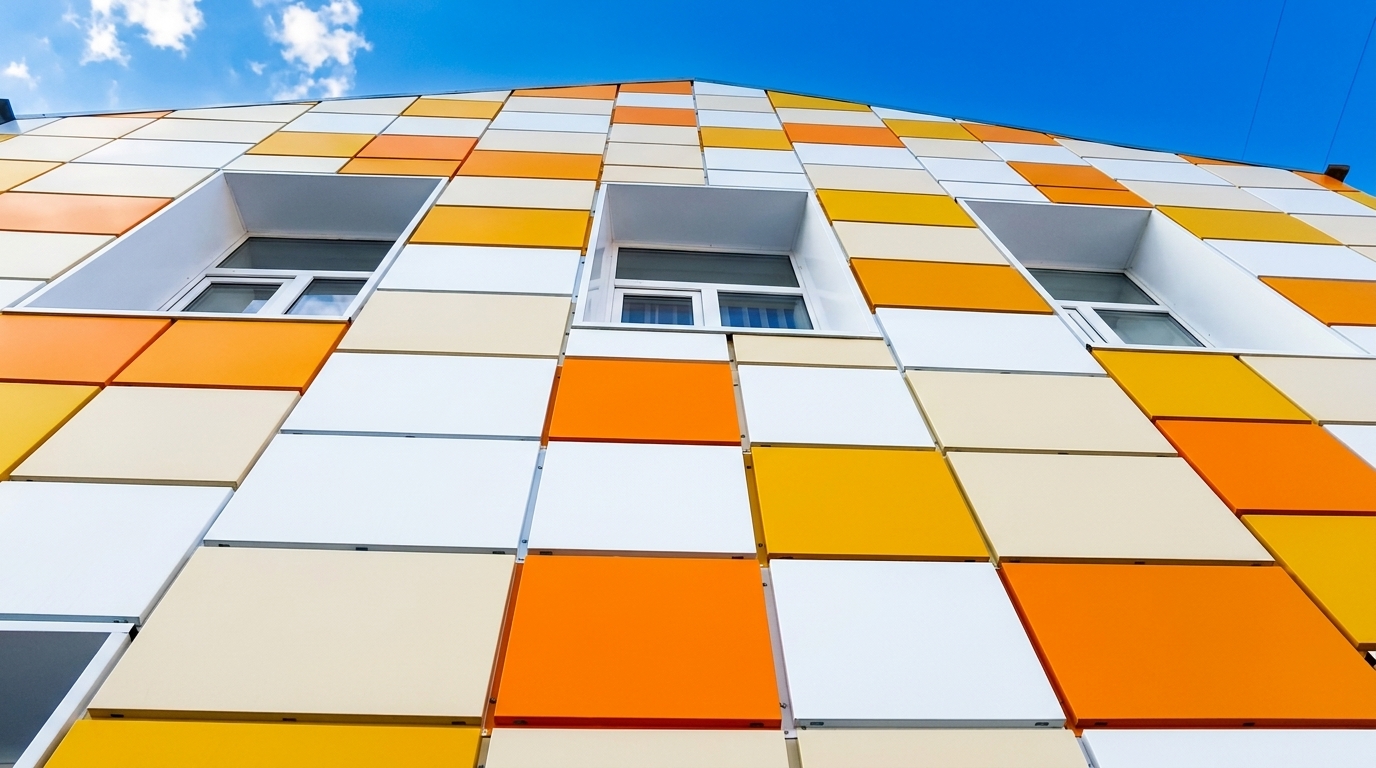
Сучасний фасад будівлі з білими, жовтими та помаранчевими панелями й вікнами на тлі синього неба

3. Special properties: anti-fogging, protection against mold and fungi, anti-graffiti (allows for easy washing off of vandal paint), antibacterial (with silver ions for medical institutions), anti-static, absolute non-combustibility (Class NG).

The most stringent requirements are placed on facade cladding with galvanized steel panels with powder coating, as ventilated facade cladding elements must have durability according to DSTU B V.2.6-35:2008, withstanding extreme wind and climatic loads.

The “Mehbud” manufacturing enterprise uses premium galvanized steel and aluminum with high-tech powder painting for the manufacture of:

  1. Rack panels (metal siding), cube-shaped slats, and metal cassettes (with open and hidden fastening) for facade cladding of buildings of various purposes;
  2. Designer rack, panel, and cassette suspended ceilings;
  3. Modern Blinds fences (Classic, Premium, Exclusive), as well as Rancho, picket fences, and noise-absorbing barriers.

The reliability of the powder coating and strict adherence to its application technology (from multi-stage preparation to precise baking temperature) directly affects the durability of any structure. It is also extremely important that during further processing of the metal (cutting, bending on CNC machines), the already applied polymer layer does not develop micro-cracks. All these factors are flawlessly controlled by the engineers and technologists of the “Mehbud” plant. Thanks to this, the structures acquire maximum protection against corrosion, abrasion, and natural aging, preserving a premium appearance for future generations.

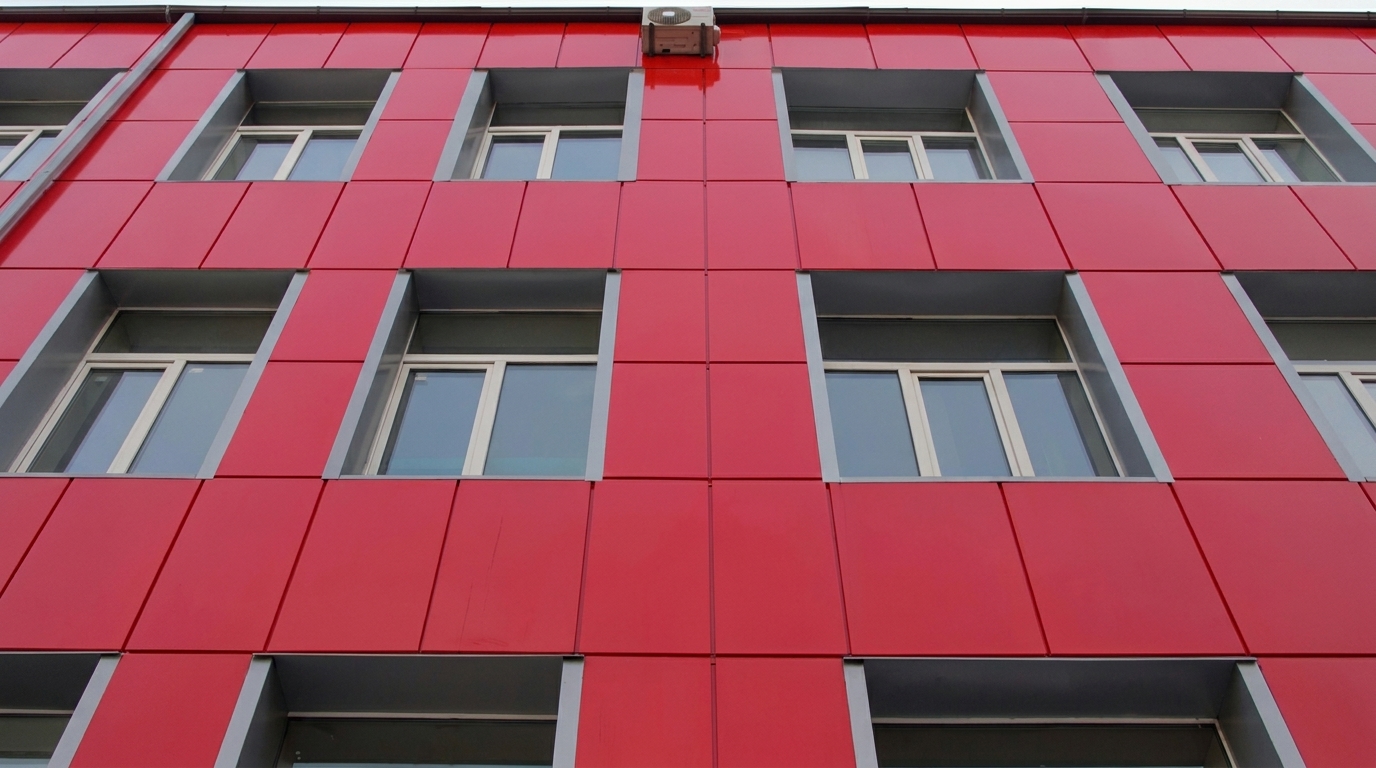
Червоний вентильований фасад будівлі з прямокутними вікнами та сірими рамами
author
Alex Z
About the author:

Oleksandr — Digital Marketing Expert for Construction & Manufacturing Industries Oleksandr is a seasoned digital marketing specialist, delivering powerful results for the construction and manuf...

More
0 0 votes
Article Rating
Subscribe
Notify of
guest
0 Comments
Oldest
Newest Most Voted
Inline Feedbacks
View all comments