Market analysis of professional interior and facade paint and coatings in Ukraine: Standards, technologies, and TOP-5 leading brands
Generic selectors
Exact matches only
Search in title
Search in content
Post Type Selectors

Market analysis of professional interior and facade paint and coatings in Ukraine: Standards, technologies, and TOP-5 leading brands

September 7, 2026
2  

Introduction to Architectural and Interior Painting in Ukraine

The modern market of construction and finishing materials in Ukraine is undergoing a stage of profound technological transformation, driven both by internal infrastructure reconstruction processes and global sustainable development trends. Requirements for professional paint and coatings have radically evolved from basic aesthetic demands to complex multi-component criteria. Today, a professional coating is viewed not merely as a decorative layer, but as a functional engineering membrane ensuring the durability of the mineral substrate, resistance to aggressive climatic conditions, and absolute safety for human health. Amid the intensive construction of new commercial facilities, renovation of historical facades, and rising residential building standards, choosing the right painting solution becomes a strategic step that determines the operational lifespan of a building.

The Ukrainian market is characterized by high competition between domestic manufacturers and international chemical concerns. Analysis of digital traffic and professional reviews shows that leading positions are firmly held by brands that invest in research and development, offer solvent-free hypoallergenic formulations, and guarantee color stability under ultraviolet radiation. Growth unevenness has become typical for the paint and coatings market as companies react differently to demand shifts, yet the public reputation among professional painters and the presence of environmental certificates remain key indicators of success. This analytical report provides a comprehensive overview of the technological aspects of painting work, the evolution of regulatory standards, surface preparation methods, and a detailed analysis of the five most influential brands shaping the architectural face of modern Ukraine.
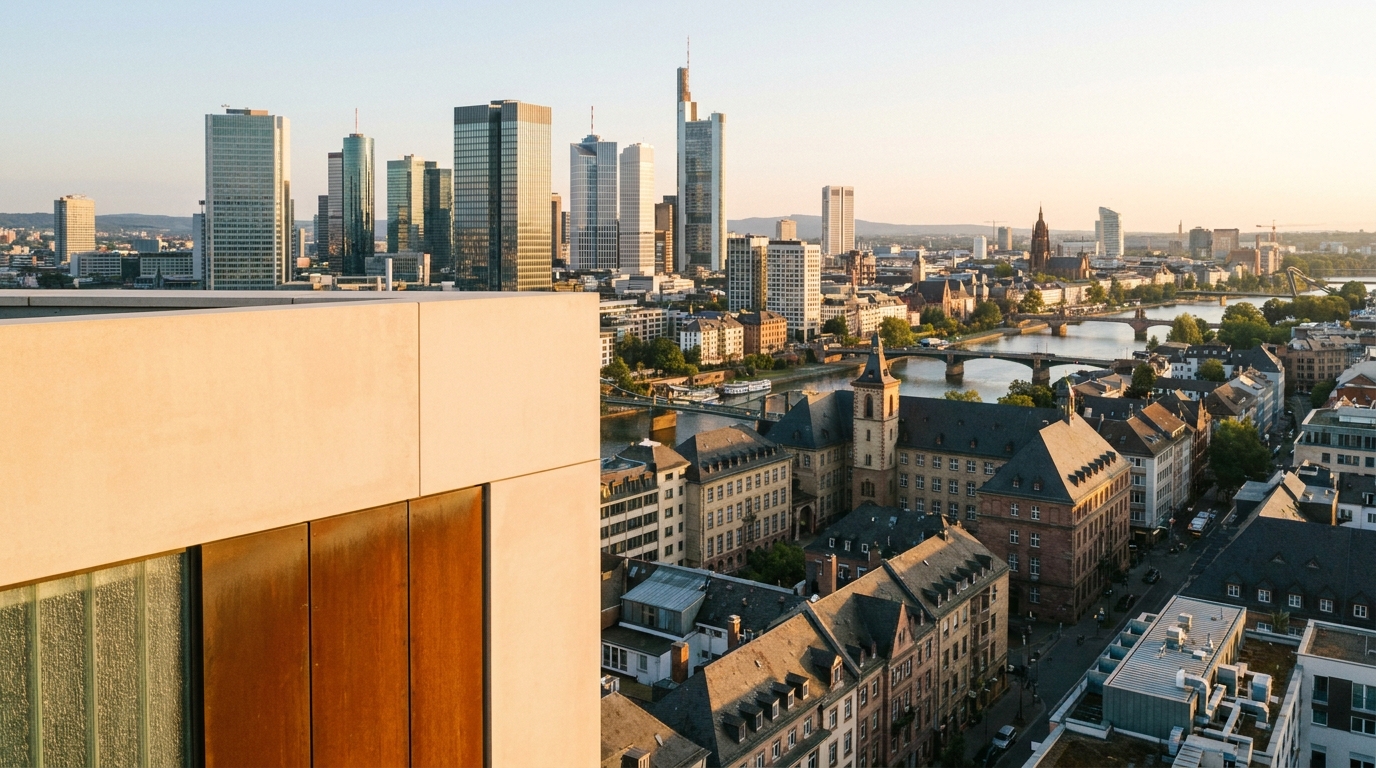
European city morning light

Evolution of Regulatory Requirements and Environmental Quality Standards

The environmental friendliness of paint and coatings in modern conditions is not just a marketing tool, but a strict requirement of construction regulations, especially when designing hospitals, educational institutions, and living spaces. Environmental safety assessment in Ukraine and Europe is based on strict control of volatile organic compound content, as well as the complete absence of heavy metal salts, phenols, or formaldehydes in polymer dispersions. Environmental labeling is implemented according to a scheme unified with the European Union, which meets the requirements of the international product life cycle assessment standard.

On the territory of Ukraine, the key safety indicator is the “Living Planet” labeling, which confirms compliance with established environmental criteria at all stages of the product life cycle. The requirements of this standard are harmonized with European norms and categorically prohibit the use of cadmium, lead, hexavalent chromium, mercury, arsenic, and selenium compounds. In addition, the standard regulates maximum material consumption rates: for example, for interior paints, the norm is thirty-six grams of dry coating per square meter, and for facade paints — thirty-eight grams. This encourages manufacturers to create materials with high hiding power, which reduces the overall volume of chemical substances used on-site.

European standards massively implemented into Ukrainian construction practice and required for building certification include several key labeling systems. The European Ecolabel guarantees that the product has the lowest possible level of volatile organic compounds and is manufactured according to sustainable development principles, without polluting the environment even at the packaging disposal stage. The Scandinavian standard, known as the building material emission class, imposes extremely strict requirements on the emission of odors and toxic substances into the air after the film has completely dried. Coatings that have passed this certification are officially recommended for premises where people prone to severe allergic reactions and asthma spend time. Another strict Scandinavian standard controls the global impact of chemical production on climate change and biodiversity conservation. The use of paints with such certificates is a prerequisite for objects claiming international recognition in the field of green building.

Water drop on green surface

Classification and Physical-Mechanical Properties of Coatings

The properties of interior and facade materials are classified according to a number of international standards that define their ability to withstand mechanical loads, resist abrasion, and reflect light. A defining parameter for interior work is wet scrub resistance, regulated by relevant national and international cleaning ability test standards. This indicator determines how aggressively a painted surface can be cleaned without the risk of damaging the polymer matrix or altering visual characteristics.

Materials of the first class of wet scrub resistance form an ultra-durable surface capable of withstanding regular cleaning using chemical disinfecting solutions and mild solvents. Such coatings are a non-alternative engineering choice for operating rooms, commercial kitchens, school corridors, and restaurants where sanitary regulations require daily intensive cleaning. The second class of resistance easily withstands routine wet cleaning with soft sponges and neutral detergents, making it optimal for living rooms, bedrooms, and lounges. Materials of the third, fourth, and fifth classes are not intended for systematic washing and are used primarily for ceiling finishes in dry rooms where the probability of mechanical contact or contamination is reduced to an absolute minimum.

Gloss level is an equally important parameter affecting both aesthetics and substrate preparation requirements. Deep matte coatings completely absorb light rays, creating a velvet effect. Their main advantage lies in the ability to visually conceal minor putty imperfections and micro-scratches, which is critical for large ceiling areas or walls with intensive grazing light. Matte materials provide a classic look with soft light diffusion. In contrast, semi-gloss and silky-matte paints have a moderate sheen, which significantly facilitates the washing process because dirt does not linger on the smooth surface. However, such materials are unforgiving regarding wall preparation quality, revealing the slightest unevenness or waves. Modern innovations allow combining a deep matte texture with the highest wash class through the addition of special wax microparticles that repel moisture and prevent contaminants from penetrating the film structure.

Facade Systems and Climate Challenges of Ukraine

Protecting the exterior structures of buildings in Ukraine is an extremely complex engineering task due to specific climatic conditions. Geographical location causes significant temperature fluctuations, high levels of ultraviolet radiation in summer (especially in southern regions such as Odesa and Mykolaiv oblasts), as well as severe freeze-thaw cycles in the autumn-winter period. The facade coating must function as a semi-permeable membrane: it must be completely waterproof from the outside to block atmospheric precipitation, yet highly vapor-permeable from the inside to allow the building structure to “breathe”.

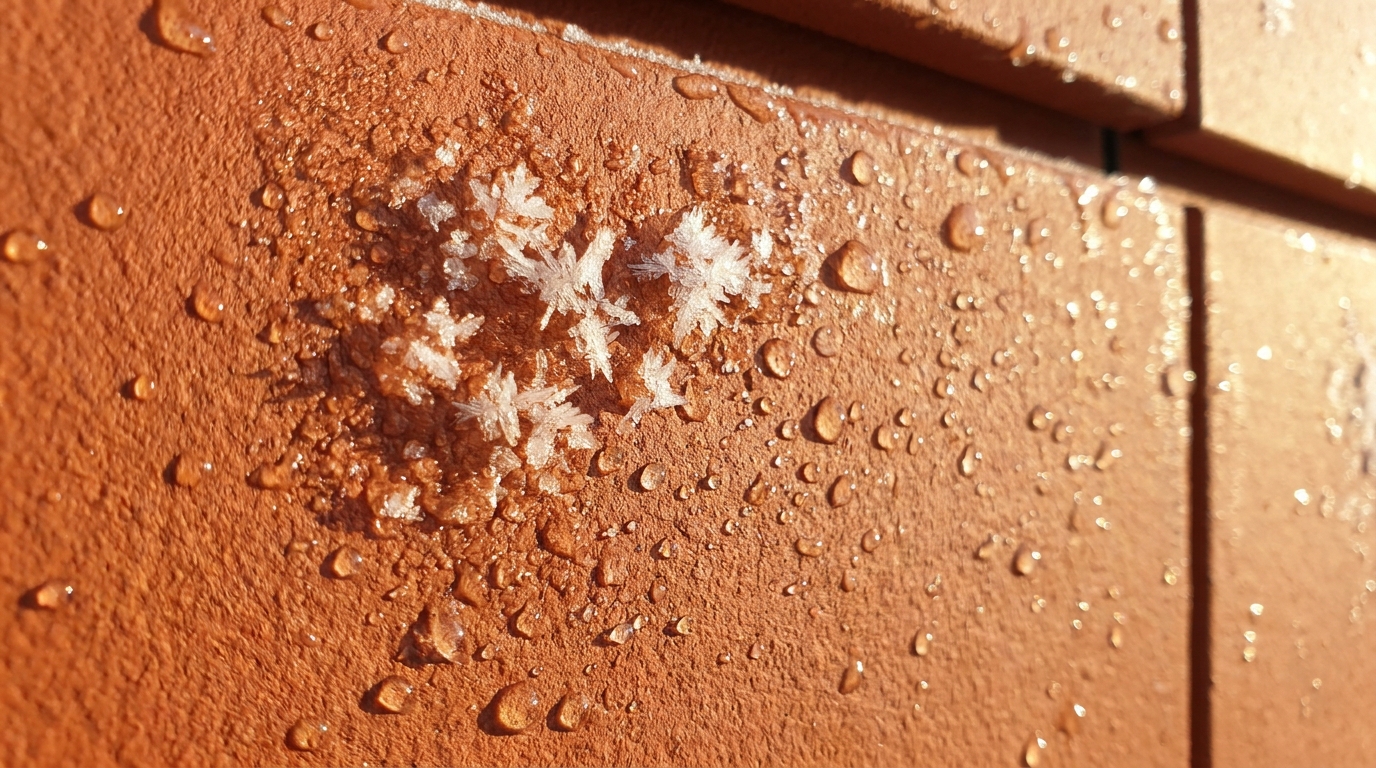
State standards of Ukraine strictly regulate methods for determining the frost resistance of concretes and facade coatings. The testing procedure involves repeated freezing of samples in salt solutions and their subsequent thawing, which simulates real facade operating conditions in winter. If the paint coating does not provide sufficient water vapor diffusion, moisture from inside the room accumulates at the interface between the plaster and the paint. When the temperature drops, this moisture turns into ice, which expands and physically tears the polymer film away from the mineral base, leading to blistering, cracking, and large-scale delamination, the intensity of which is assessed by international visual damage control protocols.

Materials based on silicone resins and polysilicates demonstrate the highest resistance to this complex of destructive factors. Unlike classic acrylic dispersions that form a continuous thermoplastic film, silicone products create a microporous structure. They provide phenomenal resistance to ultraviolet radiation, preventing pigment fading and surface chalking, which is critical for maintaining the saturation of dark colors. For extreme operating conditions, such as in coastal zones or industrial infrastructure facilities, specialized polyurethane and epoxy systems with the highest weather resistance classes are developed, capable of withstanding the direct impact of seawater and chemical aggressors. For plinth surfaces directly contacting moist soil, ultra-durable alkali-resistant formulations that withstand thermal shocks and impacts are used.

Terracotta facade with frost

Painting Technology: Surface Preparation and Q1-Q4 Standards

Achieving a flawless finishing result depends only twenty percent on the chemical properties of the paint itself, and eighty percent on the quality of mineral substrate preparation. Ukrainian and pan-European construction practice has firmly established a strict surface preparation quality classification system divided into four levels: from basic to benchmark.

Basic preparation levels allow for minor scratches, pores, and insignificant plane variations since they are intended for subsequent ceramic tile installation or thick-layer decorative structure application. The next level requires applying several thin layers of putty and thorough sanding, which closes most micropores. Such a surface is visually flat and perfectly suited for hanging dense structural wallpaper or painting with deep matte materials that do not emphasize minor defects. The highest quality standard requires achieving an ideal plane without a single scratch or wave. Puttying is performed in a continuous ultra-thin layer, while final sanding and quality control are carried out exclusively under rigid grazing side light. This standard is non-alternative for applying glossy, semi-gloss, and silky-matte dispersions, as well as for long walls with panoramic windows where natural light falls at an acute angle.

The preparation process involves a complex sequence of technological operations. The initial stage is the complete dismantling of old coatings. Modern vinyl or non-woven wallpapers are removed using special solutions or steam generators that dissolve the adhesive layer. Old alkyd enamels and oil paints are removed mechanically using building heat guns or aggressive chemical strippers. If biological damage centers are detected on the mineral base, the surface must undergo remediation. Affected areas are treated with fungicidal solutions (e.g., mold removal agents) that penetrate deep into pores and destroy fungal spores, after which the surface is mechanically cleaned and washed.

Levelling the room geometry depends on the scale of defects. Variations exceeding five millimeters are corrected using drywall systems or thick-layer plaster mortars. For variations up to three millimeters, starting putty is used, and micro-defects up to one millimeter deep are closed with finishing polymer mixtures that give the wall an ideally white color and smoothness. A critically important yet often underestimated stage is surface priming. Deep penetration primers or specialized polymer compositions with added nanosilver level out the wall’s water absorption and bind residual dust. Ignoring this stage causes the mineral base to instantly absorb moisture from the applied paint, making uniform material distribution impossible and provoking the appearance of irreversible spots, streaks, and delaminations.

Paint buckets in color studio

Airless Spraying and High-Tech Application Methods

The development of the professional segment in Ukraine is accompanied by a massive transition of construction crews from manual roller application to high-tech airless spraying equipment. This technology is based on hydrodynamic liquid atomization: the polymer dispersion under extremely high pressure (from 100 to 350 bar) is fed through a hose to the gun and forced through a microscopic nozzle opening, breaking down into the smallest droplets without compressed air participation.

The main advantage of the airless method is achieving flawless coating aesthetics. Unlike a roller, which inevitably leaves a micro-relief on the wall in the form of a characteristic “orange peel” or nap edge streaks, the sprayer forms an absolutely monolithic, perfectly smooth film. The paint is applied in a uniform layer of identical thickness, completely covering all micropores and irregularities. Furthermore, labor productivity increases manifold. A single operator can process areas in a shift that a crew with rollers would spend days on, making this method economically justified for painting commercial premises, industrial workshops, underground parking lots, and high-rise facades.

However, operating such equipment requires deep technical knowledge and compliance with strict safety protocols. The operator must correctly select the nozzle size (for example, for dense silicone paints, tips with a diameter of 0.019–0.023 inches are recommended) and adjust the working pressure to avoid runs. Depending on the dispersion viscosity, dilution with water up to five to ten percent is sometimes allowed. The spraying process generates a fine-dispersed aerosol, so using professional respirators and safety goggles is mandatory to prevent polymers from entering the respiratory tract and eyes. In addition, high-pressure fluid movement can cause static electricity buildup, requiring mandatory grounding of the entire equipment circuit to prevent the risk of ignition when using solvent-based materials.

TOP 5 Leading Brands on the Ukrainian Market

Based on the analysis of technical specifications, availability of international environmental safety certificates, feedback from professional contractors, and breadth of the product matrix, a detailed overview of five brands that set quality standards in Ukraine has been compiled. These companies offer sophisticated chemical solutions adapted for both premium interiors and harsh facade conditions.

1. Caparol (Germany) – Technological Benchmark and Innovation

The German chemical concern manufacturing products under the Caparol brand is a recognized benchmark in the architectural coatings industry. In Ukraine, the brand is represented by an extensive infrastructure of premium locations (such as Caparol Center formats), where architects and painters can test materials, receive technical advice, and perform precise computer tinting using the ColorExpress system. The company’s philosophy is based on implementing the E.L.F. standard, which means the complete absence of solvents and plasticizers and a minimal level of harmful emissions, making products ideal for hospitals, schools, and hotels.

In the interior segment, the unique CapaSilan development stands out — a deep matte paint based on silicone resins. Its phenomenal engineering advantage lies in the extended “open time” for work. Regular dispersions dry too quickly, leaving visible streaks and laps when painting large areas. The specific formula allows the material to dry slower, giving painters the ability to seamlessly join areas without visible joints even under critical grazing light. Thanks to absolute matteness, the paint masks minor imperfections and is great for application on acoustic ceiling systems. The multi-surface acrylic flagship Amphibolin solves extreme adhesion challenges. This material bonds impeccably with smooth concrete, old oil enamels, galvanized steel, and rigid PVC. Moreover, its light reflectance coefficient is twenty percent higher than standard analogues, making it indispensable for lighting dark corridors, warehouses, and underground parking lots.

The facade direction is represented by the innovative ThermoSan NQG paint. This material is based on the patented Nano-Quartz Grid (NQG) technology. Traditional silicone paints become thermoplastic (slightly sticky) under high summer heat, causing urban dust and exhaust gases to firmly adhere to them. The NQG structure forms a mineral-hard three-dimensional lattice that does not soften in the heat. As a result, dirt cannot anchor to the facade and is easily washed away by the first rain. Additional protection is provided by special photocatalytic pigments and preservatives that block the reproduction of algae, mosses, and mold spores on insulated facades, preserving the microporous structure that freely releases carbon dioxide and water vapor.

2. Tikkurila (Finland) – Scandinavian Aesthetics and Endurance

Finnish manufacturer Tikkurila is synonymous with uncompromising endurance and environmental responsibility. Developed in the harsh climatic conditions of Northern Europe, these materials are successfully adapted to Ukrainian realities. The brand’s products are widely represented in specialized color studios across the country, where tens of thousands of shade options are available through the use of various base solutions. Using base A allows creating delicate pastel tones, while the translucent base C is used to obtain extremely deep and saturated colors (emerald, dark blue, graphite) without the risk of pigment intensity loss.

The interior line is headed by the premium acrylate paint Harmony, which creates an exquisite velvet effect on the surface. Fully absorbing light, it makes any dark shade extraordinarily deep. The material holds European Ecolabel, Nordic Swan, and M1 emission class certificates, confirming its absolute safety for children’s rooms and allergy sufferers. An innovative modification of this paint includes air purification technology: special microporous particles in the polymer matrix are capable of physically absorbing and neutralizing unpleasant odor molecules (tobacco smoke, cooking aromas), significantly improving the indoor climate. For rooms with constant water and chemical exposure (bathrooms, swimming pools, food blocks), the highly resistant Luja 7 coating has been developed, containing powerful anti-mold components and withstanding the harshest sanitary treatments.

The brand’s facade segment solves the hardest architectural painting task — plinth protection. The lower part of the building is constantly subjected to mechanical impacts, groundwater exposure, freezing, and chemical salt attacks. The alkali-resistant acrylate paint Yki is created specifically for these extreme conditions. It forms a powerful bond with concrete, fiber-mineral boards, and metal, maintaining its elasticity and integrity under catastrophic temperature fluctuations ranging from minus sixty to plus fifty degrees Celsius.

3. Kolorit (Ukraine) – National Premium Segment Leader

Ukrainian brand Kolorit demonstrates a successful example of local production that rivals European giants in technological level. The company uses high-quality raw materials from chemical corporations of the European Union, Switzerland, and Great Britain, allowing it to create premium-class products with predictable operational characteristics. Kolorit became one of the pioneers of the environmental movement in Ukraine, being the first to receive the “Living Planet” certificate for its interior lines, which guarantees the absence of phenols, ammonia, volatile organic compounds, and material hypoallergenic properties.

The flagship of the interior series is the silky-matte dispersion Dynasty, created for rooms with maximum operational load. Due to the formation of an extremely dense and smooth polymer film, it corresponds to the first class of wet scrub resistance. The coating withstands repeated cleaning with disinfectant solutions and even exposure to alcohol or white spirit, while reaching full mechanical strength twenty-eight days after application. Professional painters’ favorite remains the deep matte paint Legenda, which features phenomenal hiding power and perfectly emphasizes the texture of structural wallpaper without flooding its relief. For ceilings, the company offers the ultra-white Family product, which effectively masks minor imperfections through ideal glare absorption. In addition to finishes, the company produces high-tech primers (e.g., the Silanit formula with added nanosilver) that deeply penetrate the mineral base, reduce paint consumption, and form a powerful antimicrobial barrier.

4. Eskaro (Sweden/Estonia/Ukraine) – Extreme Durability and Technology

The international chemical group Eskaro specializes in developing polymer materials capable of withstanding aggressive operating conditions both inside and outside buildings. Their philosophy is based on creating complex hybrid formulas combining aesthetics with uncompromising durability, making the product popular among both private luxury renovation clients and large-scale project contractors.

The absolute bestseller of the interior line is the acrylate paint Akrit Mattilda. Its uniqueness lies in the addition of special synthetic waxes to the formulation. After water evaporation, these waxes form a hydrophobic barrier on the surface of the polymer film. Thanks to this, dirt, grease, or spilled liquids cannot penetrate the paint pores and are easily wiped away with a damp sponge. Despite the coating being completely matte and creating a visual velvet effect, it belongs to the highest first class of wear resistance. The material holds an M1 emission class certificate, confirming its absolute safety for use in living rooms, children’s rooms, and restaurants.

For exterior work, the brand offers the high-tech Veranda solution, created specifically for protecting natural wood facades. Wood is a complex, “living” material that constantly changes its linear dimensions due to humidity and temperature fluctuations. Regular facade paint on wood cracks quickly. The Veranda formula forms an extremely elastic semi-matte film that stretches and compresses along with the wooden base, preventing delamination for a record twelve years. In addition, corrosion inhibitors are integrated into the composition to protect the metal heads of nails or self-tapping screws from rusting, as well as special biocides that block the development of rot and destructive fungi deep within the wood structure.

5. Feidal (Germany/Ukraine) – Balance of Economic Efficiency and German Quality

The Feidal brand traditionally holds strong positions among leaders of the Ukrainian construction chemistry market. The secret of the company’s success lies in its localization strategy: production facilities are located in Ukraine, significantly reducing logistics costs, while chemical formulations and basic components are imported directly from Germany. This ensures stable professional quality while maintaining an optimal pricing policy, making Feidal materials favorites for large-scale commercial and residential projects.

The interior segment is represented by the Innenlatex latex dispersion line (in Matt and Seidenmatt modifications). These materials feature a high degree of whiteness, excellent hiding power, and form an elastic, light wet-scrub resistant coating ideal for finishing living rooms and spaces with moderate traffic. The facade group includes the time-tested Fassadenfarbe Economic product — a universal acrylic paint creating a durable, light-resistant coating. It provides the necessary level of water vapor diffusion without blocking the building structure’s gas exchange, and strongly resists aggressive urban environmental impacts. For extreme operating conditions, particularly in coastal regions (such as Odesa), the company offers the specialized silicone development Regen Stop. It forms an elastic hydrophobic barrier that effectively protects the facade from micro-crack formation, sea salt penetration, and intense precipitation, guaranteeing a long operational lifespan.

Competitive Environment and Alternative Market Solutions

Besides the aforementioned top five leaders, the Ukrainian market offers a wide spectrum of alternative solutions occupying specific niches or focusing on unique technologies. The American premium brand Benjamin Moore has significant impact; its uniqueness lies in the patented Gennex tinting system. Unlike standard systems, their colorants are water-based without added volatile organic compounds, allowing the creation of extremely saturated dark shades (from a palette of over 3500 colors) that retain environmental safety and do not fade on facades.

The Italian brand Oikos is traditionally chosen for creating exclusive decorative effects with a maximum focus on ecological purity, meeting the strictest European Union standards. International giant Dulux (AkzoNobel corporation) offers washable kitchen paint lines (e.g., the Easycare series) with powerful dirt-repellent properties. For the budget yet high-quality segment, contractors often choose products from Alpina, Farbmann, Bergge, or domestic developments like Siltek and Rolax, which demonstrate good baseline characteristics at an affordable price. In specialized industrial and anti-corrosion protection, where endurance against seawater and chemical aggressors is required (corrosivity classes C4-C5), DEFENS polyurethane and epoxy systems are actively applied. This level of market diversification allows selecting an ideal chemical formulation for any complexity of object.

Color swatch fan on wooden

Comparative Analysis of Key Paint Solutions

To systematize technical indicators and simplify the selection process, a summary comparison table of flagship products is provided, taking into account their operational characteristics, chemical nature, and application scope.

Brand and Product Main Purpose Chemical Base Wash Scrub Class (EN 13300) Operational Features and Advantages
Caparol Amphibolin Universal (Interior / Facade) Pure acrylate Class 1 (Disinfectant-resistant) Extreme adhesion, light reflectance +20%, concrete carbonization blocking
Caparol ThermoSan NQG Facade Systems Silicone resin Not applicable (Facade) Nano-Quartz Grid (NQG), photocatalytic protection, facade self-cleaning
Tikkurila Harmony Interior (Dry zones) Acrylate dispersion Class 1 Deep matte, velvet effect, odor neutralization (Clean Air)
Tikkurila Luja 7 Interior (Wet zones) Acrylate dispersion Class 1 (Chemically resistant) Anti-mold components, waterproofing barrier, for food industry
Kolorit Dynasty Interior (High load) Acrylate copolymer Class 1 Silky-matte smoothness, solvent resistance, environmental friendliness
Eskaro Mattilda Interior Acrylate dispersion Class 1 Synthetic wax content, absolute hydrophobic stain protection
Eskaro Veranda Facade (Natural wood) Acrylic-alkyd emulsion Not applicable (Wood) High film elasticity, corrosion inhibitors, 12 years of bio-protection
Feidal Innenlatex Interior Latex dispersion Class 2 High whiteness level, elasticity, ability to hide micro-defects
author
Alexander Guk
About the author:

Our expert in fencing structures has over 5 years of experience working at the Mehbud factory. Helps you choose the optimal design and model of fencing according to your needs. Professionally deve...

More
0 0 votes
Article Rating
Subscribe
Notify of
guest
0 Comments
Oldest
Newest Most Voted