Construction Seasonality: Strategic Planning of Earthworks, Soil Geomechanics, and Zero Cycle Optimization
Generic selectors
Exact matches only
Search in title
Search in content
Post Type Selectors

Construction Seasonality: Strategic Planning of Earthworks, Soil Geomechanics, and Zero Cycle Optimization

August 10, 2026
5  

The start of any capital construction or large-scale landscape reorganization is inextricably linked to the preparatory stage, where earthworks act as the fundamental basis for the spatial stability and durability of the future structure. The optimal choice of time for excavating soil masses and laying load-bearing structures is a multi-criteria task. This process requires consideration not only of current climatic conditions, but also of the complex dynamics of hydrogeological processes, the physical and mechanical transformations of rocks under the influence of temperature fluctuations, as well as the strict requirements of State Building Codes.

The traditional paradigm dictates that construction seasonality imposes strict limitations, forcing developers to suspend the active phase of building erection with the onset of cold weather. However, the modern development of engineering thought, the emergence of specialized construction chemistry, and methods of artificial freezing and hydromechanization allow these timeframes to be significantly expanded. At the same time, ignoring natural cycles, such as seasonal fluctuations in groundwater levels, freezing depth, frost heaving, and capillary moisture rise, inevitably leads to catastrophic consequences: uneven settlement, destruction of waterproofing membranes, and the formation of critical cracks in load-bearing structures.

This report offers a deep analysis of the factors that determine the best time to start designing and digging a foundation pit, covering the entire spectrum of related processes: from initial geological surveys to final backfilling and agrotechnical preparation of territories.

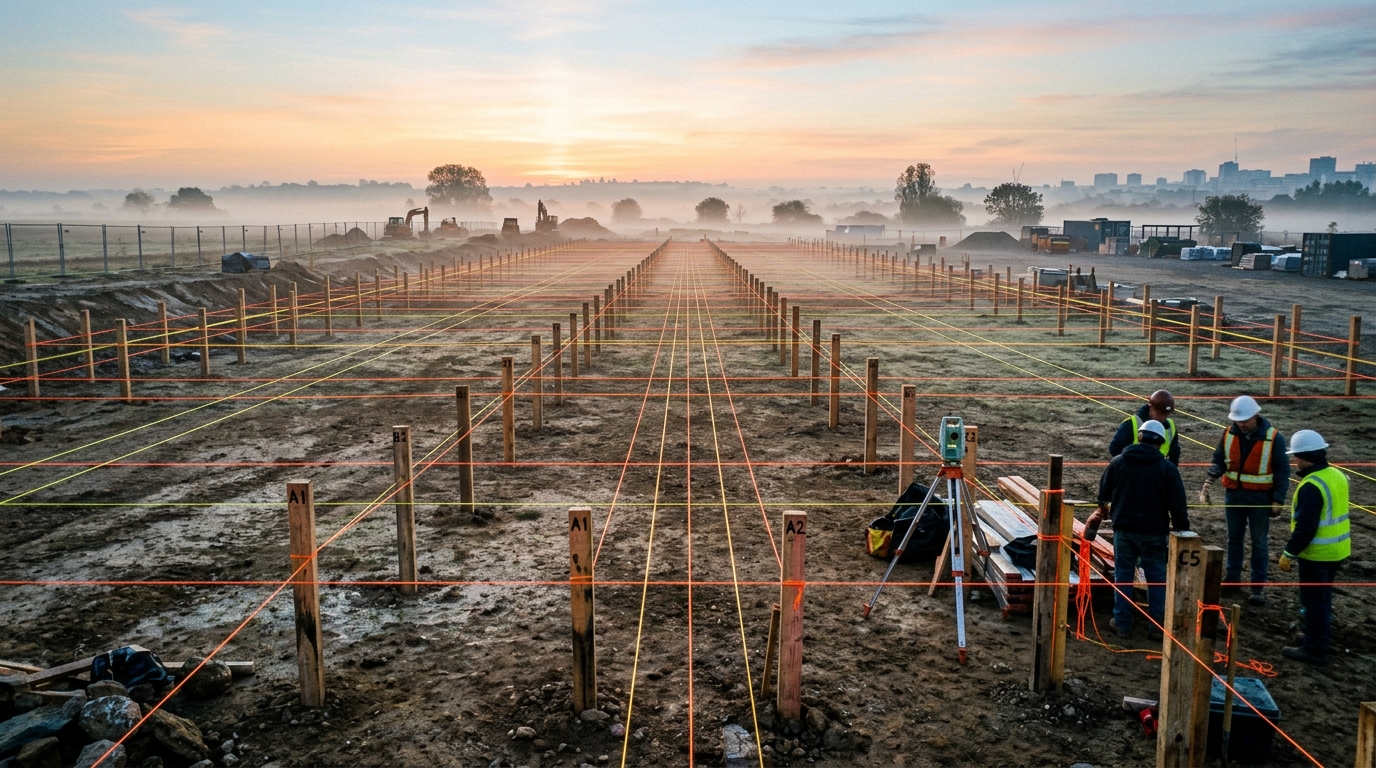
Site preparation at dawn 202608061132

Engineering-geological and geodetic surveys as a prerequisite for planning

Any physical intervention in the natural landscape must be preceded by a stage of spatial and structural research. In practice, terminological confusion often arises between geodesy and geology, although these disciplines solve fundamentally different, but complementary, tasks.

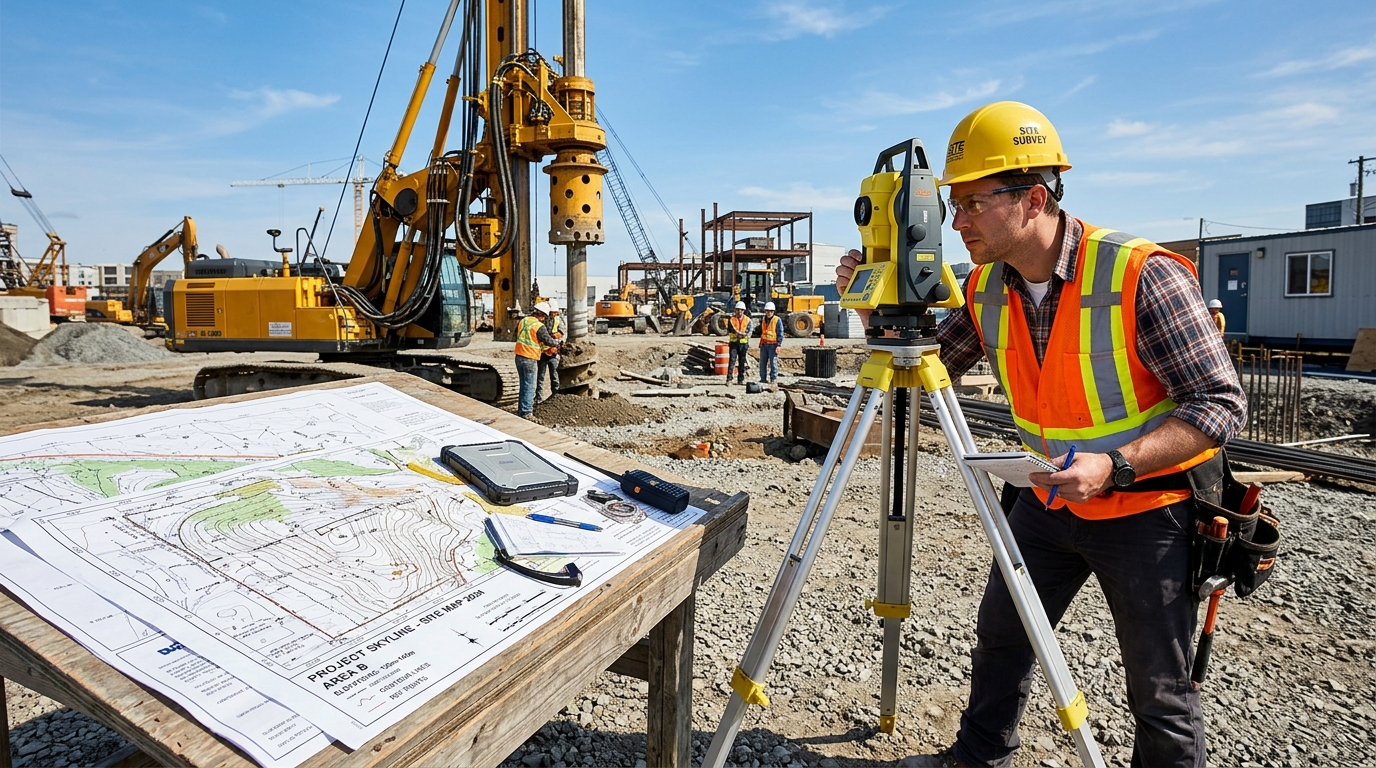
Land geodesy focuses on surface characteristics: it is responsible for studying the relief, establishing the exact boundaries of the site, determining elevations, and mathematically linking the future building to the existing infrastructure. Thanks to engineering-geodetic surveys, a topographic-geodetic plan is formed, which becomes the basis for designing external communications, calculating the volumes of earth masses, and obtaining permits from government agencies. The creation of an engineering-geodetic basis includes the transfer of site boundaries in situ, the construction of horizontal and vertical networks, and a detailed survey of underground objects.

Engineering geology, in turn, investigates the underground reality hidden from the eyes. The main task is to study the lithological composition of rocks, their bearing capacity, the depth of groundwater, as well as to identify potentially dangerous processes, such as landslides, subsidence, or karst formations. Data collection is carried out by drilling exploratory wells to a depth of six to ten meters for private construction projects, or significantly deeper for industrial structures. The selected samples undergo strict laboratory tests to determine the density, humidity, strength, and aggressiveness of the chemical composition of groundwater.

The choice of season for conducting geological studies plays a decisive role in the accuracy of calculations. The optimal time for surveys is considered the period of the highest rise in groundwater — usually, this is spring during snowmelt or summer after prolonged rains. Fixing the maximum moisture level allows engineers to accurately calculate waterproofing parameters and the need for drainage systems. If studies are conducted during a dry period, geologists rely on archival data and signs of rock gleying to predict seasonal maximums. Ignoring these data can lead to a situation where a foundation pit designed for dry conditions suddenly turns into a body of water in the spring, blocking all construction processes.

Land surveyor looks into instrument 202608061132

Climatic cycles: seasonal impact on foundation pit excavation

Making a decision regarding the time to start excavating the soil directly affects the pace of object construction, its total cost, and the operational characteristics of the poured concrete. Each season forms a unique set of technological challenges and natural advantages.

In the spring, the construction season traditionally opens, as there is a long warm period ahead to complete the main monolithic cycles. However, in early spring, soil excavation is accompanied by significant hydrological difficulties. Melting snow cover and peak groundwater levels make the base extremely unstable. Water-saturated rocks, especially clayey ones, sharply lose their bearing capacity, their internal friction angle decreases, which makes trench slopes prone to sliding and collapse. Heavy earthmoving equipment finds it difficult to maneuver on a waterlogged site, and a dug pit quickly fills with meltwater, requiring constant financial costs for intensive dewatering. It is recommended to start work only after the soil has completely thawed, stabilized, and excess gravitational moisture has drained naturally.

The summer period is objectively the most favorable time for large-scale earthworks and concrete works. A long daylight day allows for organizing work in several shifts, speeding up the process. The air temperature in the range of ten to twenty-five degrees Celsius creates ideal conditions for the unhindered flow of chemical reactions of cement hydration and uniform strength gain of the concrete monolith. At the same time, extreme heat creates its own obstacles. At high temperatures, the earth becomes too dry, which significantly complicates its mechanical compaction. For concrete, heat is a serious threat: rapid evaporation of moisture causes premature drying of the upper layers and the formation of shrinkage cracks. Considering this, the surface of a fresh foundation must be constantly moistened and shielded from direct sunlight.

Autumn, especially September and the first half of October, often offers an ideal balance. Temperatures remain stably above zero, the exhausting heat disappears, and the soil reaches maximum stability after summer evaporation. Experts in the field of geotechnics emphasize that in marshy or low-lying areas, laying a foundation should only be done at the beginning of autumn, before the period of cyclonic precipitation begins. With the onset of late autumn, regular rains turn the construction site into a continuous mess, and increased humidity slows down the hardening of the mortar by almost half. Intense heavy rains can physically wash the cement laitance out of an uncured structure, reducing its brand strength. Therefore, the main strategic rule of autumn work is to have time to pour and protect the foundation before the start of the season of prolonged rains and the first persistent frosts.

Winter poses the greatest challenge to engineers. Contrary to popular belief, winter construction is quite possible, but it requires a significant budget increase. Frozen ground approaches rock in its mechanical properties. Its excavation becomes impossible for ordinary buckets and requires the use of powerful hydraulic breakers, preliminary mechanical loosening with ripper teeth, or even thermal thawing. The cost of earthworks at this time skyrockets due to increased depreciation of equipment, high energy consumption, and a decrease in labor productivity. Safety regulations strictly prohibit leaving overhanging visors of frozen soil on slopes and snow or ice at the bottom of trenches before pouring concrete, as their subsequent melting will lead to catastrophic foundation subsidence. The winter cycle is mostly economically justified only during the construction of large commercial facilities, where financial losses from downtime significantly exceed the technological cost increase of winter work.


Four seasons combined constructi… 202608061132

Physical and mechanical transformations of soils under the influence of temperatures

A deep understanding of the physical processes occurring in the underground layers is critical for ensuring the reliability of buried structures. The key parameter for designing foundations in Ukraine is the normative depth of soil freezing.

When the ambient temperature consistently drops below the zero mark, the water contained in the soil pores crystallizes. According to the laws of thermodynamics, upon transitioning from a liquid state to a solid one, the volume of water increases. In water-saturated rocks, such as plastic clays, loams, silty sandy loams, and peats, this leads to the effect of frost heaving. Colossal hydrostatic pressure arises, capable of pushing out, deforming, or tearing massive reinforced concrete structures if the foundation base is located above the freezing line or if proper drainage is not provided around it.

The normative freezing depth directly depends on the climatic zone and soil type. For Ukraine, this indicator has a clearly defined geographical gradation, recorded in the State Building Codes:

Region of Ukraine Maximum normative soil freezing depth (meters)
Southern regions (Odesa, Mykolaiv, Zaporizhzhia, Kherson) 0.7 – 0.9
Western regions (Zakarpattia, Ivano-Frankivsk, Lviv) 0.5 – 1.0
Central regions (Kyiv, Kyiv region, Poltava, Vinnytsia) 0.9 – 1.2
Eastern regions (Kharkiv, Donetsk, Luhansk) 1.0 – 1.4
Northern regions (Chernihiv, Sumy, Zhytomyr) 1.0 – 1.2

Structured data based on the regulatory framework and climate maps.

The basic rule of geotechnics requires that the foundation must be laid to a depth exceeding the calculated freezing limit for a given region by at least twenty to thirty centimeters. For example, for the Kyiv region, where average freezing is about one meter, the optimal laying depth is from one point two to one point four meters.

Besides freezing, it is important to consider the bearing capacity of the base. Any dry soil, regardless of its mineralogical composition, can usually withstand a pressure of more than two kilograms per square centimeter. However, upon water saturation, plastic loams and fine sands sharply lose their resistance. According to building codes, water-saturated silty sandy loams, loams, varved clays, and peats belong to weak, highly compressible soils. Such bases require large-scale earthworks to replace weak soil with compacted gravel or sand cushions.

Another hidden risk is the capillary rise of moisture. In finely dispersed structures, such as clays and loams, surface tension forces water to rise upwards through microscopic capillaries to a height of more than half a meter above the real static level of groundwater. This phenomenon causes flooding and swelling of soils even in those zones that theoretically are located above the aquifer. To neutralize this effect, a capillary break is mandatorily created under the foundation base by laying a layer of coarse crushed stone.

Innovative technologies for soil excavation and stabilization

When traditional methods of pit excavation prove ineffective due to extreme weather conditions or complex hydrology, the construction industry turns to advanced technologies.

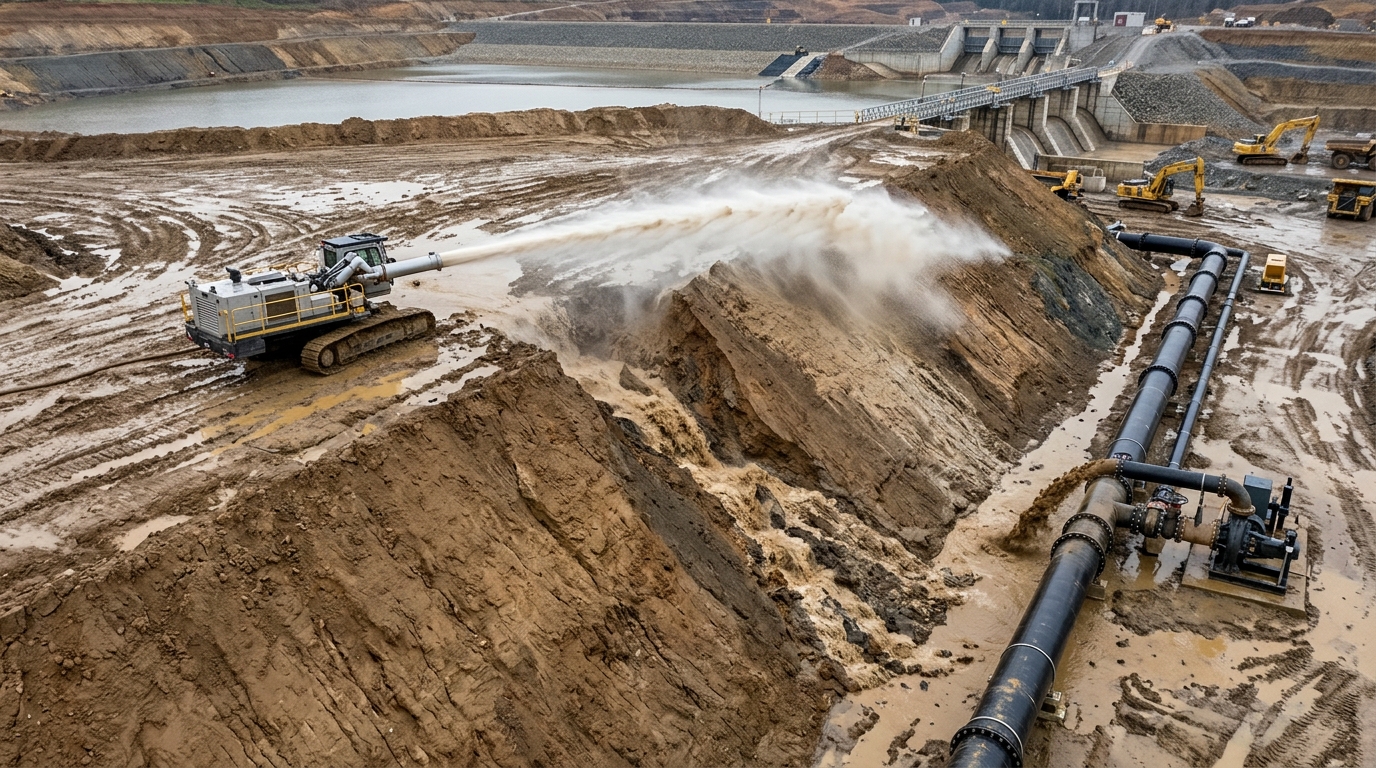
One of these technologies is hydromechanization — a method in which soil is excavated, transported, and laid using the kinetic energy of a directed water flow. This method is indispensable in waterlogged areas or during land reclamation. The basis of the system consists of hydraulic monitors that form a compact water jet under high pressure (up to five megapascals), destroying the integrity of the rock. The eroded soil turns into slurry and flows into a sump, from where it is pumped by dredge pumps through pipes to the laying site. Practice shows that the most effective is erosion with an opposing face, when the water jet is directed against the flow of the slurry. For underwater work, dredgers are used (cutter-suction method), which suck in bottom soil with powerful pumps while simultaneously loosening it with mechanical cutters.

For working in extremely unstable, quicksand soils or when laying tunnels, the technology of artificial freezing of soil masses using liquid nitrogen is applied. Metal injector-lances are installed into the ground, through which liquid nitrogen circulates. An ice-soil cylinder is formed around them, which temporarily takes on colossal loads and ensures the complete water impermeability of the pit walls, allowing safe drilling or concrete works.

To loosen frozen ground in winter without using explosives, deep rippers and heavy hydraulic breakers based on excavators are used. Modern combined units are able to effectively crush strong formations without overturning layers, preserving the base structure.

Hydraulic monitor erodes embankment 202608061132

Normative safety regulation and fastening of excavation walls

The excavation of large volumes of earth carries a direct threat of collapses, especially during periods of high humidity. Norms, clearly spelled out in the State Building Codes, establish strict rules for profiling earthworks to prevent fatal incidents and deformations.

The fundamental parameter of a safe foundation pit without additional mechanical fastening is the steepness of the slopes. The angle of inclination of the wall is determined by a fragile balance between gravitational forces and forces of internal friction and cohesion of mineral particles. The less cohesive the soil, the gentler the slope must be to prevent a landslide.

Soil type Slope steepness at a depth up to 1.5 m Slope steepness at a depth from 1.5 m to 3.0 m
Bulk uncompacted rocks 1 : 0.67 1 : 1
Sand and gravel masses 1 : 0.5 1 : 1
Sandy loam 1 : 0.25 1 : 0.67
Loam 1 : 0 (vertical) 1 : 0.5
Solid clay 1 : 0 (vertical) 1 : 0.25

The ratio of the slope height to its horizontal layment according to regulatory documents. In the case of geological stratification of different types of rocks, the total steepness is determined by the characteristics of the weakest layer.

With a complex relief, the volume of earth masses is calculated as a multicomponent spatial function integrating the base area, geometric perimeter, design depth, and normative slope steepness. If the construction site is spatially limited (for example, in the city center) and it is impossible to create a safe natural inclination, engineers are obliged to apply artificial wall retaining systems.

Steel sheet piles of a trough profile (Larsen system), bored piles, or special polymer geomats and geogrids are used for reinforcement. Geomats formed from chaotically intertwined fibers effectively reinforce loose slopes and prevent erosion. In narrow trenches, retaining walls are spread apart with horizontal beams, and in deep pits, stability is ensured by ground anchors drilled deep into the mass. In urban development conditions, the zone of influence of a new foundation pit on existing foundations is obligatorily calculated. The minimum safe distance from the edge of the excavation to a neighboring object without the use of sheet piling must be at least one and a half pit depths. In case deformations of neighboring buildings are recorded, work is immediately stopped for the injection strengthening of soils with chemical or cement grouts.

Water balance management: drainage and dewatering

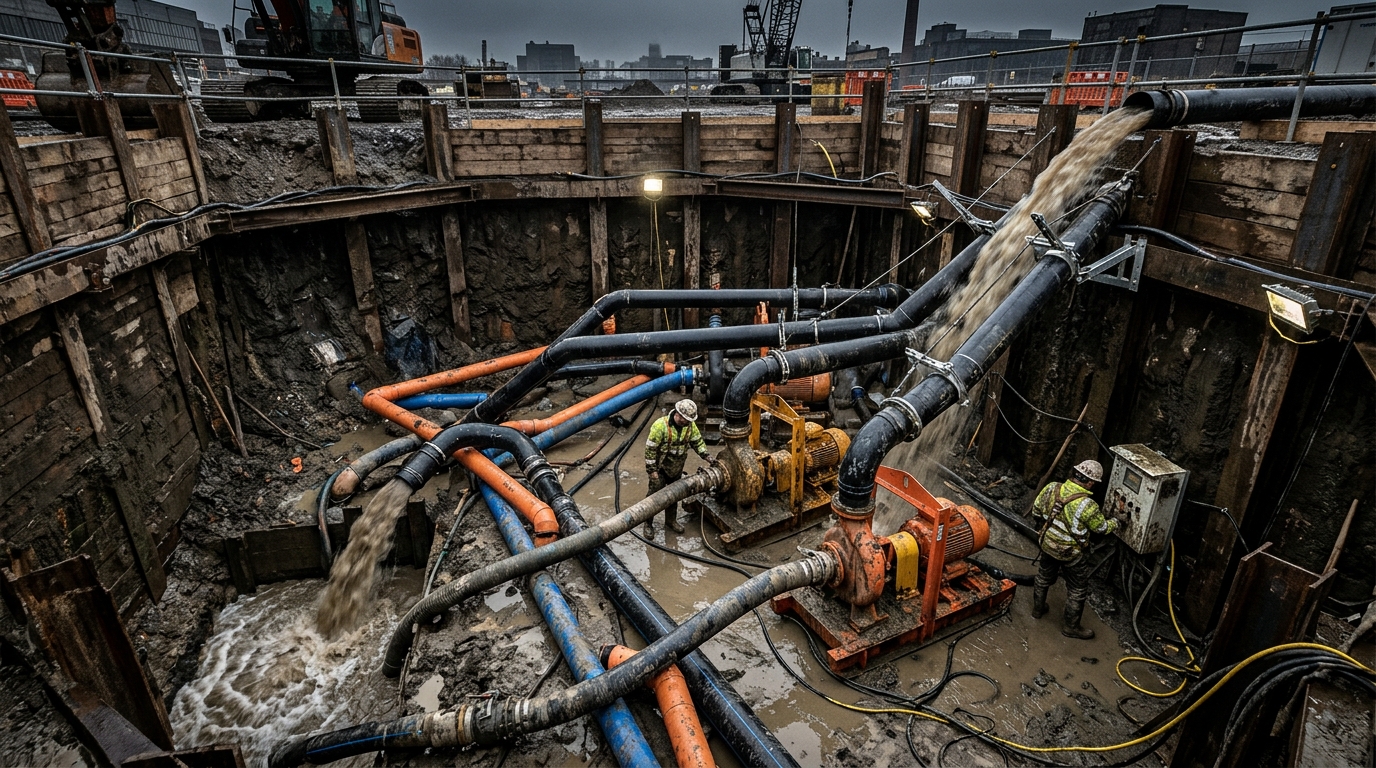
The problem of water management on the site becomes particularly acute if excavation is carried out during the autumn rain season or in areas with a high water table. The influx of water into excavations not only complicates physical labor, but also erodes the prepared base structure, turning a soil designed for a specific load into an unstable suspension.

According to State Building Codes, the contour of the pit bottom at every stage of work must be reliably protected from the impact of surface and groundwater, and when crossing existing communications, pipelines are protected by special casings. If the static groundwater level is higher than the design elevation of the trench bottom, artificial dewatering technology is used without alternative. The most popular method for such tasks is the use of wellpoints — a complex system of pipes with filter elements that are immersed along the perimeter of the future pit and connected to heavy-duty vacuum pumps.

Besides groundwater, surface runoff poses a significant threat. Regulations require the installation of an extensive network of storm water inlets, storm drains, and settling tanks for the safe removal of rainwater in order to prevent erosion of slopes and flooding of infrastructure. To protect ready wells from freezing in winter, caissons are arranged from concrete rings or bricks, insulated with extruded polystyrene foam or mineral wool.

Winter concreting: chemistry against low temperatures

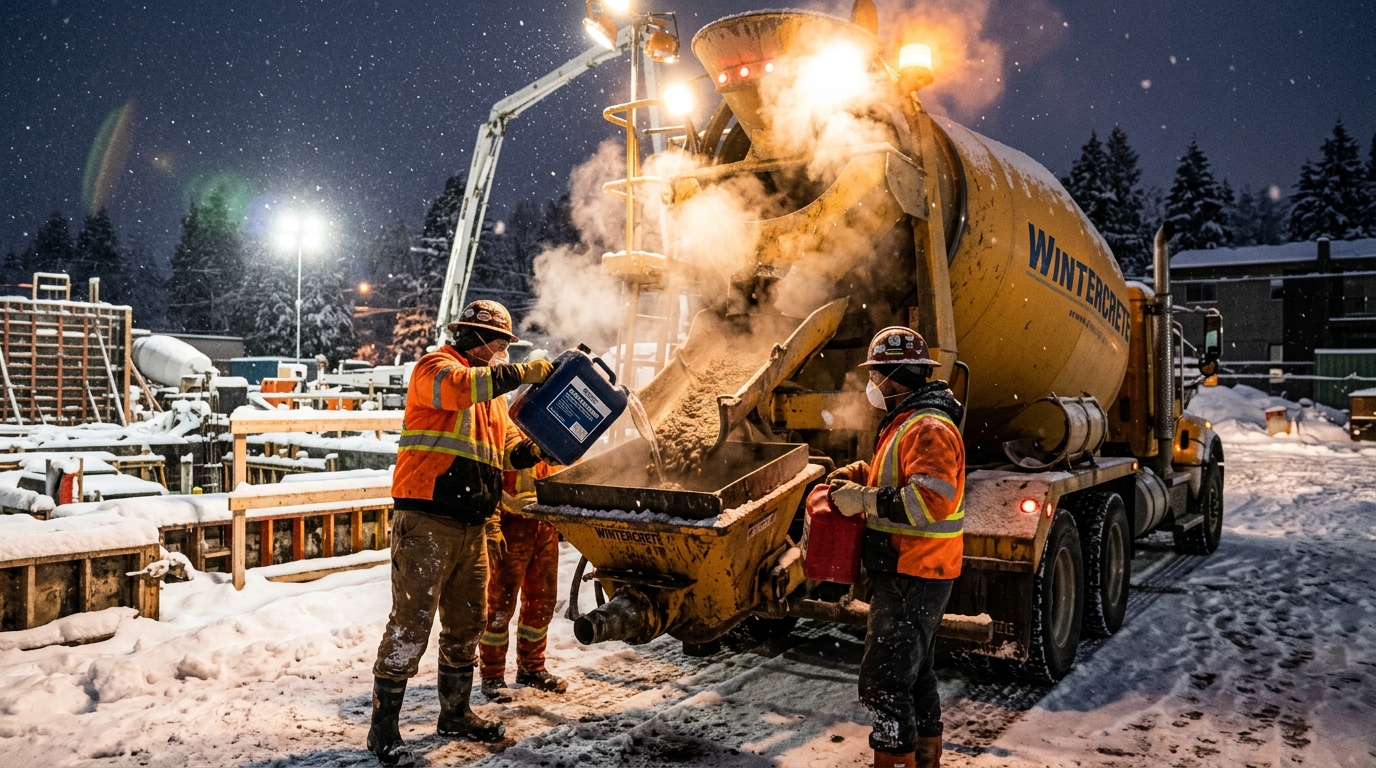
When the logistics or economics of a project force work to be done in late autumn or winter, the technological process undergoes fundamental changes. The key problem of pouring a foundation at sub-zero temperatures is that the water in the mortar freezes before it has time to enter into a hydration reaction with cement clinker. Water frozen inside the concrete forms microscopic ice lenses that physically tear apart the not-yet-formed matrix of the material. As a result, concrete loses up to fifty percent of its brand strength, which makes the structure unsuitable for exploitation.

To overcome this barrier, engineering uses two main approaches, which are often combined in practice: external thermal heating (using thermal mats, an electric heating cable, or building temporary heated enclosures over the site) and the application of antifreeze additives.

Antifreeze chemical additives perform a double function. First, they radically lower the fluid’s crystallization temperature, allowing it to remain in a functional liquid state even when the air temperature drops to minus twenty degrees. Second, they act as catalysts for the setting process, forcing the exothermic hydration reaction, during which cement intensely releases its own heat.

The proportions of such additives directly depend on the strength of the frost. At temperatures from zero to minus five degrees, it is sufficient to introduce about two percent of the active substance from the total mass of the cement. With a further decrease in temperature, the volume of the additive is increased, sometimes reaching four percent. A critically important condition for winter concreting is the use of heated water (up to seventy-eighty degrees) and dry, warm aggregates when mixing the mortar. Cold components reduce the effectiveness of chemistry to zero.

It is worth remembering the long-term side effects of chemical admixtures. The use of outdated or cheap chloride-based additives provokes aggressive corrosion of steel reinforcement. Therefore, modern chloride-free solutions based on sulfonates or nitrates, which do not harm metal, should be used for critical reinforced concrete structures.

Pouring concrete in winter 202608061132

Backfilling and soil compaction control

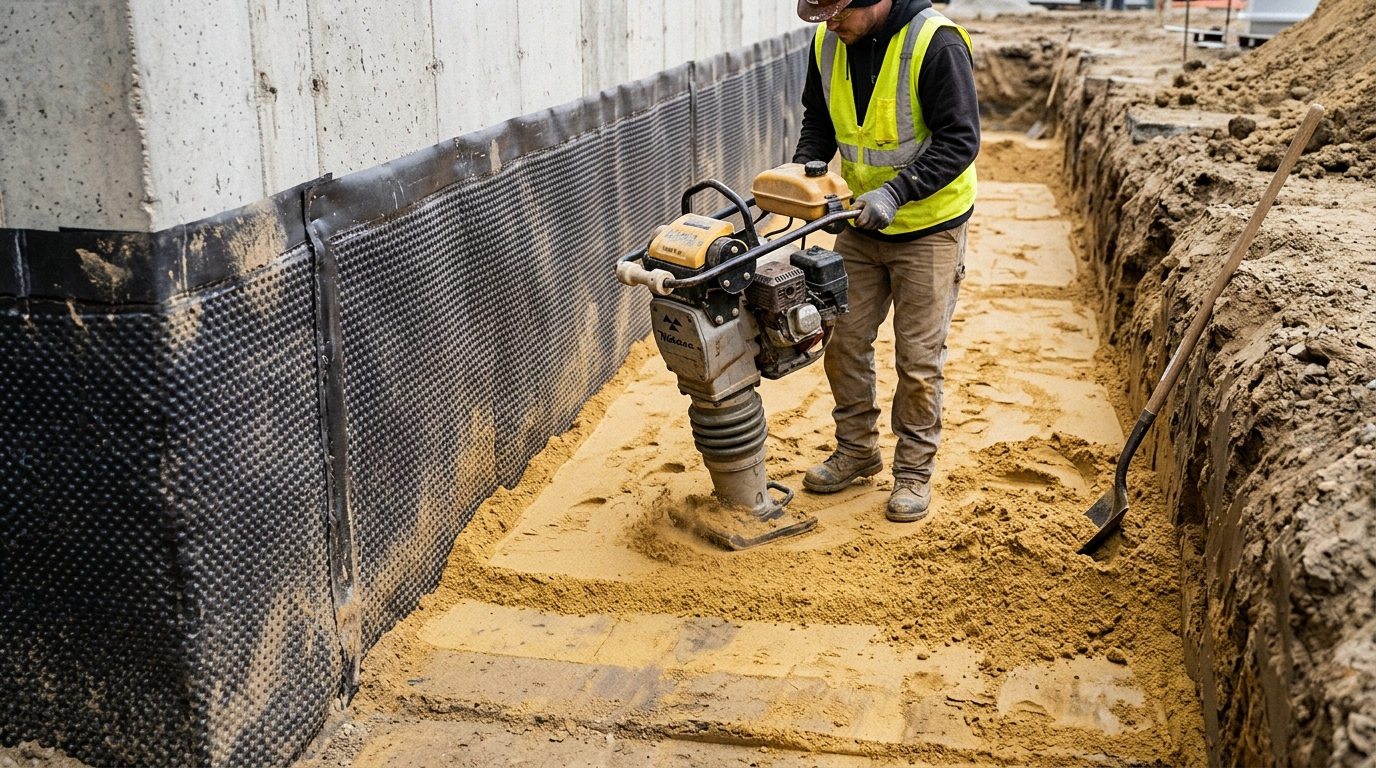
After the concrete has gained design strength (primary strength occurs in seven to ten days, and full design strength — in twenty-eight days) and full waterproofing work has been carried out, the stage of backfilling the pit sinuses begins. This process is critically important, although it is often underestimated. Improperly performed backfilling with weak compaction is guaranteed to lead to subsidence of the building’s blind area, accumulation of water under the foundation base, and critical destruction of adjacent engineering communications.

The fundamental rule of backfilling requires its execution strictly layer by layer. The thickness of each layer depends on the material and the type of mechanism used for compaction. For heavy clay, the layer thickness is no more than fifty centimeters, for ordinary soil — sixty, and for sand it is allowed to pour up to seventy centimeters before tamping. Each layer is subjected to intensive compaction using vibrating plates, rollers, or pneumatic rammers. The main goal is to achieve a standard compaction coefficient at the level of zero point ninety-eight hundredths, which is as close as possible to the natural density of unloosened parent rock.

Quality control of compaction at professional sites is carried out by strict laboratory methods. The most common and accurate is the cutting ring method. A sampler with a pointed edge is made of stainless steel. It is pressed into the compacted soil, cutting out a sample of an exact volume, after which the ring is weighed and, using mathematical calculations, the actual density of the mass is established. If the soil is prone to crumbling, the method of waxing samples is used to accurately determine the volume through water displacement.

The choice of filler for the sinuses depends on the overall hydrological strategy of the project:

  1. Sand and sand-gravel mixtures: They lend themselves perfectly to tamping and function as an ideal drainage, quickly draining water downwards. However, if a common drainage system is not arranged to divert this water, sinuses with sand will turn into peculiar reservoirs that will collect precipitation from the entire site and wash away the foundation.
  2. Clay (clay seal): Applied to create a waterproof barrier around foundation walls. Clay perfectly protects against the penetration of surface runoff; however, it is extremely difficult to tamp and prone to dangerous frost heaving when oversaturated with moisture.
  3. Local excavated soil: The most economically viable option, allowing the utilization of previously dug earth without spending money on its removal. The main requirement is the absolute absence of chernozem and other organic impurities, since the processes of their biological decomposition will eventually cause the formation of voids and uncontrolled subsidence.

The moisture content of the material during compaction plays a decisive role and must be maintained within optimal limits — from fifteen to twenty percent. Overdried soil cannot be pressed, because its particles have no lubrication for sliding, and waterlogged soil turns into fluid mud that cannot be stabilized. Mechanical tamping is prohibited over utility pipes; there, the soil is compacted exclusively with manual tools and tucked in from the sides to preserve the integrity of the infrastructure.

Backfilling trench layer by layer 202608061132 2

Agrotechnical earthworks and landscape preparation of the territory

In addition to purely construction tasks, earthworks encompass a wide range of agrotechnical and landscape measures that are an integral part of preparing the site for exploitation. The discussion of whether it is worth doing deep digging of the site in the autumn before the winter period has a deep agronomic background.

Autumn digging is traditionally considered an effective method of improving the structure and sanitary condition of the land. From a technological point of view, while turning the soil layers over, pest larvae, insect pupae, and spores of pathogenic fungi are brought to the surface, where they inevitably die under the influence of winter frosts, solar ultraviolet light, and wind. This natural mechanism allows for significantly reducing the parasite population without using aggressive chemicals. At the same time, the problem of weediness is solved: the roots of perennial weeds are destroyed, and the seeds of annual plants fall into deep layers, where they lose the ability to germinate in the spring due to a lack of oxygen.

From a physical point of view, digging destroys the packed and compacted areas after the summer, forming large clods. In winter, water penetrates into these cavities, freezes, and expanding, physically tears apart hard lumps. In the spring, such soil becomes extremely soft, crumbly, warms up better by the sun, and has excellent breathability and moisture capacity, which allows meltwater to penetrate deeper into the root layer. Autumn is also an ideal time for integrating organic fertilizers, complex nitrogen-phosphorus-potassium mixtures, and deoxidizers. During winter dormancy, these elements dissolve and distribute evenly, preparing an ideal environment for plants.

However, modern approaches, such as zero tillage technology, point out significant shortcomings of traditional deep digging, especially on light, sandy soils. Intensive intervention destroys the natural capillaries through which water moves, and destroys beneficial microflora and earthworms that ensure natural fertility. Plowing accelerates the oxidation of organic matter, leading to erosion, weathering, and excessive release of carbon into the atmosphere. To protect such areas, mulching is used — covering the surface with a layer of organic residues, which protects the earth from freezing, retains moisture, and nourishes beneficial microorganisms. Disinfection of soil in such areas can be carried out by alternative methods, for example, sowing green manure (white mustard) or treating the surface with solutions of copper or iron sulfate.

Agricultural landscape with autu… 202608061132 2

The economic dimension of seasonality: pricing and estimate rationing

Seasonal factors have a direct and very tangible reflection in the financial plane of any project. Conducting earthworks in winter is objectively much more expensive. The rapid increase in cost is due to the need to involve highly specialized powerful equipment to break up frozen ground, huge fuel costs for thermal treatment of the site, purchasing expensive chloride-free chemical admixtures for concrete, and building protective heated structures. In addition, the duration of working time in the cold period is calculated taking into account reduced labor productivity coefficients due to difficult conditions. During the period of validity of a special legal regime, working time norms also undergo regulatory changes, setting the average monthly duration of work at the level of one hundred sixty-six or one hundred seventy-one hours, depending on conditions.

The cost of soil excavation also critically depends on the scale of the operation and the degree of involvement of manual labor. If the use of a bucket excavator is economically justified on large open volumes, then for precision laying of narrow utility networks, leveling the pit bottom, or working in confined conditions of existing development, manual labor has to be applied. The price dynamics for such services change rapidly under the influence of market realities. According to labor market analysis, in conditions of an acute shortage of skilled labor, the actual market value of digging a conventional trench or pit manually in the capital region reaches from eight hundred to one thousand five hundred hryvnias per cubic meter of excavated earth. Loading and transporting soil over short distances is charged separately and costs about five hundred hryvnias per cubic meter. Backfilling soil with mandatory manual or mechanized tamping costs about three hundred fifty hryvnias for each laid cubic meter. Consequently, rational strategic planning of the work schedule focusing on favorable weather conditions (summer and early autumn) allows not only ensuring flawless quality of the laid foundation, but also saving a significant, sometimes critical part of the construction budget.

Cost engineers desk documents c… 202608061132

Final synthesis

Relying on a deep multifactorial analysis of geotechnical, hydrological, climatic, and strictly normative parameters, one can categorically state that the choice of season to start earthworks is a fundamental strategic decision. It forms the basis of all subsequent construction in a direct physical and economic sense.

Late summer and early autumn are recognized as the best time for digging a foundation pit and monolithic base pouring. It is during this period that the groundwater level drops to its annual minimums, which nullifies the risks of sudden collapses of unstable slopes and catastrophic flooding of excavations. The soil retains its maximum bearing capacity, internal cohesion, and structural stability. The temperature regime of autumn provides a smooth, uniform hardening of concrete without the need to use expensive antifreeze catalysts or organize intensive moistening, which is uncompromisingly demanded by summer heat.

The spring period turned out to be the most unpredictable and risky due to excessive waterlogging of territories by meltwater, which makes high-quality compaction of the soil base a practically impossible task. Winter construction, in turn, thanks to modern chemistry and engineering has long ceased to be technologically impossible, however, it is always accompanied by significant financial encumbrances, requires flawless compliance with temperature tolerances and massive use of heavy hydraulic special equipment to combat the frozen mass.

Any physical interventions in the deep structure of the soil must rely on detailed preliminary geological surveys, accurately take into account the local depth of rock freezing, and strictly comply with state regulatory safety requirements regarding slope formation angles and the capacity of drainage systems. Only the synergy of correct seasonal planning, accounting for complex soil physics, and flawless adherence to approved technologies is capable of guaranteeing the creation of a monumental, reliable, and durable foundation that will unconditionally withstand the test of time and the destructive forces of nature.

author
Alexander Guk
About the author:

Our expert in fencing structures has over 5 years of experience working at the Mehbud factory. Helps you choose the optimal design and model of fencing according to your needs. Professionally deve...

More
0 0 votes
Article Rating
Subscribe
Notify of
guest
0 Comments
Oldest
Newest Most Voted