
Polymer coating of sheet metal is a protective and decorative organic layer that gives the surface its color and texture while helping shield the substrate from environmental exposure. For galvanized steel, performance depends on the entire system: the base metal, the zinc or other metallic coating, surface pretreatment, primer, and topcoat. A generic name such as “polyester,” “Pural,” or “PVDF” is not enough to make a selection.
For a fence, facade, or roof, compare specific material grades by intended application, UV and corrosion resistance, allowable formability, maintenance requirements, and warranty terms. Below are the main coating types, examples from technical datasheets, and a checklist of questions for your supplier.
How Polymer Metal Protection Works
The polymer film creates a barrier against moisture and contaminants while defining the product’s appearance. The zinc layer serves a different function: it provides electrochemical protection for the steel substrate. Read more about this mechanism in our article on the properties and applications of zinc. Mechanical damage, exposed cut edges, constant moisture, and poorly designed flashings or joints can degrade even a high-quality coated part.
Schematic Structure of a Pre-Painted Galvanized Steel Sheet
Pre-painted coil metal is produced using a continuous application process — coil coating, as described by the European Coil Coating Association (ECCA). Parts are then cut and formed within the limits permitted for the material. An alternative approach is painting pre-fabricated parts. The differences between these methods and surface preparation requirements are covered in our article on painting thin-gauge sheet metal.
Main Types of Polymer Coatings
Polyester: Smooth and Glossy Surfaces
Polyester systems are used for roofing, facade cladding, and other architectural components. They are available in various gloss levels, textures, and weather resistance grades. For example, the Granite Standard datasheet specifies a nominal topside coating thickness of 25 µm: 5 µm of primer and 20 µm of topcoat. This is a specification for that particular grade, not a mandatory thickness for every polyester coating.
When selecting a product, check its approved application scope and declared performance ratings. During delivery and installation, protect the surface from abrasion, metal shavings, and impacts. Color and price alone do not indicate material durability.
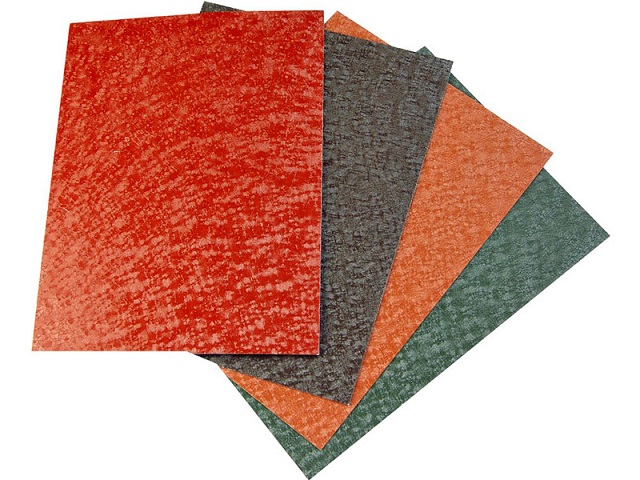
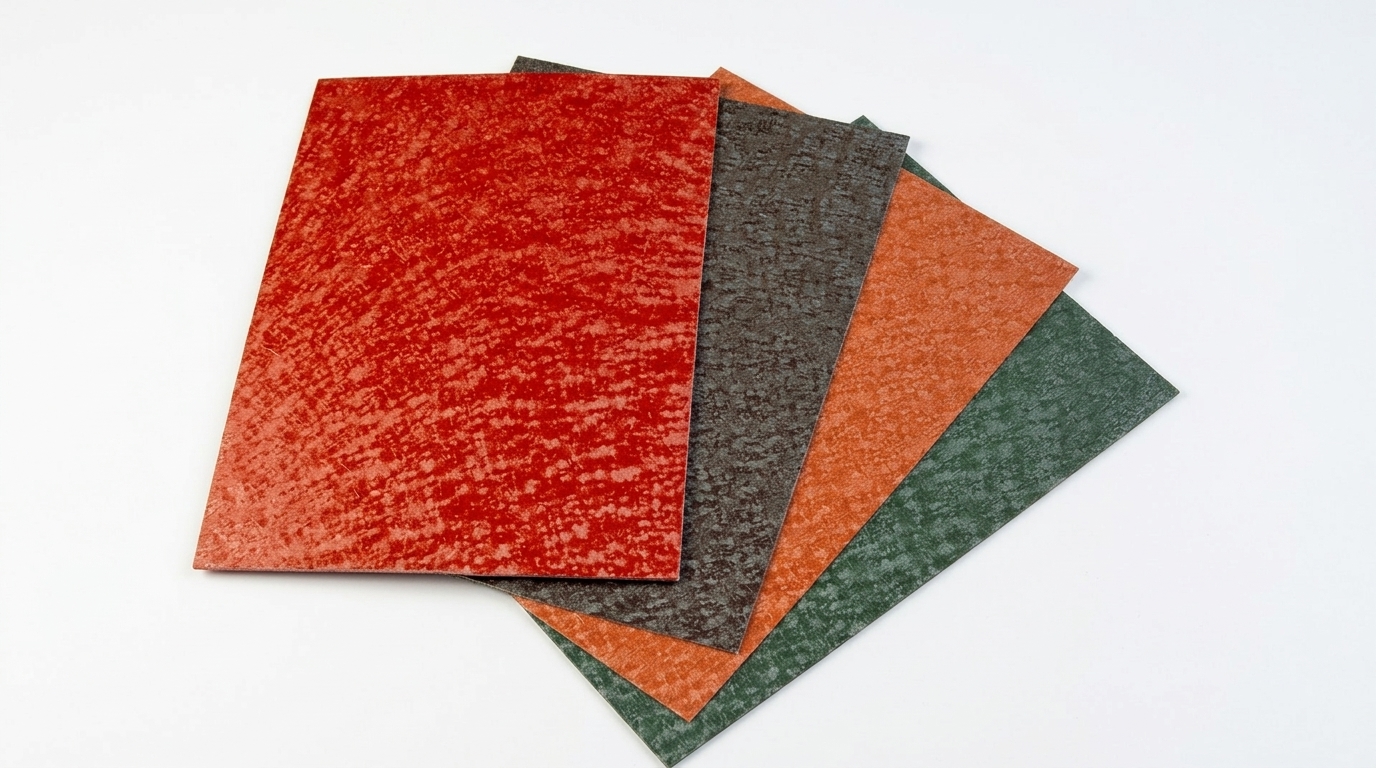
Маtte Polyester
A matte finish describes visual appearance rather than a single standardized chemical formulation. The presence of Teflon, a minimum thickness, or superior durability cannot be automatically assumed for all matte coatings. The Granite Deep Mat 35 technical datasheet lists a 35 µm thickness, a wrinkled texture, and a maximum gloss of 5 GU. Another matte product may have completely different parameters.
Inspect a textured physical sample in natural daylight alongside the other materials on the project. Even under the same color code, smooth and textured surfaces will be perceived differently.
Polyurethane Systems and Pural
Polyurethane and modified systems are used where a specific balance of weather resistance, formability, and appearance is required. Pural is a trademark of the SSAB group; specifications must always be verified using the full product name.
Specifically, the GreenCoat Pural BT documentation specifies 50 µm for matte and satin finishes and 45 µm for metallic finishes. UV resistance ratings also depend on the finish. Therefore, a note like “Pural 50 µm” without the manufacturer, version, and application conditions leaves critical questions unanswered.

PVDF: Polyvinylidene Fluoride-Based Coatings
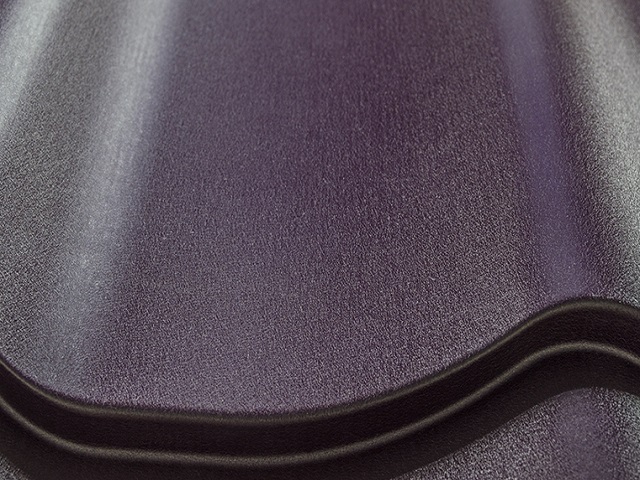
PVDF coatings are valued in facade applications for the ability of corresponding systems to retain color and appearance. The ArcelorMittal organic coated steel catalogue lists Granite PVDF in 25 µm and 35 µm variants, describing their properties and recommended use for architectural cladding and roofing.
The name PVDF does not mean the surface is scratch-proof or equally suitable for every coastal or industrial site. Approved service conditions, a metallic protective layer, compatible fasteners, and proper maintenance are all required. Check the composition and component ratios in the documentation for the specific paint system.
PVC-Based Plastisol
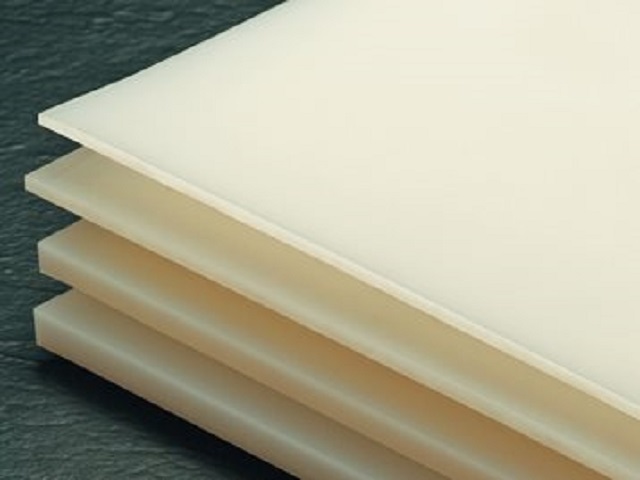
Plastisol systems can feature a thick, textured layer. For instance, the Colorcoat HPS200 Ultra product page from Tata Steel lists a nominal organic coating thickness of 200 µm and a maximum continuous operating temperature of 60 °C. These values apply specifically to this product.
When selecting plastisol, check surface heat buildup, sun resistance, and permitted service conditions. A thicker layer does not provide a universal advantage over other systems: different coatings have different chemistries and intended uses.
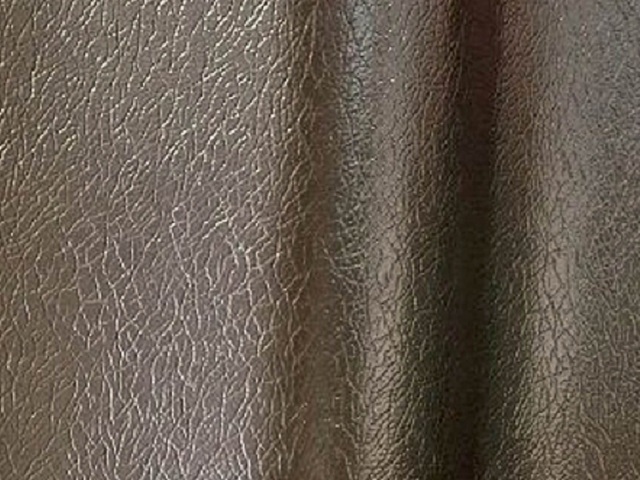
Powder Coating of Fabricated Parts
Powder coating is the application method, while polyester or an epoxy-polyester blend describes its chemical base. Therefore, these terms can be combined. Exterior applications require a series certified for outdoor exposure. For example, the Interpon 610 AF datasheet from AkzoNobel covers exterior applications, while the architectural Interpon D series is recommended for buildings. The label “polyester powder paint” alone does not confirm suitability for a facade.
Finished part quality also depends on surface pretreatment, edge coverage, and adherence to the curing schedule. Orders should specify the complete coating system, not just the color.
How to Compare Coating Specifications in 2026
Below are examples from manufacturer documentation verified during the 2026 update of this article. They serve as a reference for reading datasheets — not a ranking or confirmation of stock availability at Mehbud.
| System Example | Stated in Documentation |
|---|---|
| Granite Standard | 25 µm: combined primer and topcoat on the topside. |
| Granite Deep Mat 35 | 35 µm; matte wrinkled surface. |
| GreenCoat Pural BT | 45 or 50 µm depending on the finish. |
| Granite PVDF | Available in 25 µm and 35 µm versions in the catalogue. |
| Colorcoat HPS200 Ultra | 200 µm nominal organic coating; separate temperature limit specified. |
Compare numerical values only after clarifying which exact layer was measured. Steel substrate thickness is usually specified in millimeters, organic coating thickness in micrometers, and metallic coating mass in grams per square meter. Also verify whether the value applies to one side or both sides.
Datasheets for organically coated steel often include RC and RUV categories under EN 10169. They classify different properties — corrosion resistance and UV stability. A coating category is not a ready-made service life or warranty for a specific project. When comparing documents, verify the standard edition and test methods; laboratory test hours do not translate directly into years of service.
How to Choose a Coating for a Fence, Facade, or Roof
Start with Site Conditions
For a fence, consider visibility from both sides, contact with vegetation, road splash, and the risk of scratches. A reverse-side service layer may differ from a full decorative coating. For a facade, key factors include color consistency, gloss, compatibility between panels and flashings, installation direction, and ease of replacing elements. For a roof, also verify formability, flashing details, water drainage, and maintenance access.
On the coast, near industrial facilities, or in agricultural buildings, provide the supplier with a description of the environment. A generic label such as “for exterior use” does not confirm suitability for salt deposits or specific chemical agents.
What to Include in Your Specification
- Base metal material, thickness, and applicable tolerances.
- Type of metallic protection and how its quantity is designated.
- Manufacturer and full trade name of the polymer system, plus topside and reverse-side finishes.
- Color, gloss, texture, approved physical sample, and batch requirements.
- Allowable bends, forming temperature, and cut-edge treatment rules.
- Packaging, storage, protective film removal, maintenance, and warranty terms.
For example, for a facade with metal cassettes and window flashings, it is advisable to approve physical samples of these elements together. A single RAL code does not guarantee an identical visual result across different textures or gloss levels. SSAB documentation also recommends accounting for batch and surface direction to maintain visual uniformity.
When ordering Mehbud facade profiles and accessories, submit your coating requirements alongside the drawings. A practical checklist for technical specifications is provided in our article on sheet metal flashings for residential complexes.
Separate Warranty Terms from Expected Service Life
Clarify who provides the warranty and what it covers: perforation corrosion, peeling, color change, or another metric. Check geographic coverage, approved product use, environmental restrictions, and required documentation. A warranty on coil steel does not always cover the finished fence, fasteners, and installation. Terms such as “up to a certain number of years” should be read alongside all supplier disclaimers.
Receiving, Installation, and Maintenance
Upon delivery, check labels against documents and inspect the surface, edges, and bends. Document dents, scratches, and shade variations before installation. Agree on how individual layer thicknesses will be verified: an arbitrary reading from a gauge without accounting for the substrate and method does not confirm compliance with the full specification.
Do not allow moisture to accumulate between stacked parts; follow storage and protective film removal instructions. After installation, remove drill swarf and stray metal particles. Repair damage using compatible materials according to supplier recommendations. The SSAB maintenance instructions for painted steel outline inspection, cleaning, and touch-up procedures for damaged areas. For your own structure, follow the manual issued by its manufacturer.
Frequently Asked Questions
Which polymer coating is the best?
The one that matches your environment, structural design, and appearance requirements. Compare specific systems using their datasheets rather than relying solely on the polymer name or thickness.
Does a thicker coating mean better protection?
Thickness is only one parameter. Chemistry, surface pretreatment, primer, metallic protection, sun resistance, and compatibility with manufacturing processes all matter.
How does powder coating differ from polyester?
“Powder” describes the material’s form and application method, while “polyester” describes the chemical base. Powder paint can be polyester-based; verify its suitability for outdoor use separately.
Can I select a coating using only a RAL number?
RAL helps establish a color reference. You also need texture, gloss, and a physical sample; for large surfaces, batch consistency and surface direction are also critical.
Does the polymer protect exposed cut edges?
On a cut edge, the topside film does not form a continuous barrier. Follow the material and system documentation for cutting rules, edge placement, and edge treatment. An unapproved paint may be incompatible.
Can a scratch be repaired?
Repairability depends on the depth of the damage and the coating system. The supplier should approve surface preparation and the touch-up material; a locally touched-up area may differ visually from the factory surface.
Related articles
Natural and Artificial Stone Suppliers for Facades and Interiors: TOP 10 Companies in Ukraine
Top 10 natural and artificial stone suppliers in Ukraine. Detailed comparison of importers and manufacturers, pricing guide, and selection tips.
How Much Does Snow Weigh on a Roof or Carport?
Estimate roof snow weight from depth and density. Compare three 20 cm examples and see how drifts, rain and drainage affect a carport beside a taller…
“Nothing Happened.” Why Crews Stay Quiet About Construction Near Misses
What a construction near miss is, why a crew may stay quiet and what to put in a report. Includes a fictional example and follow-up steps.