
Tools for cutting thin sheet metal: what to choose

Thin sheet metal and products based on it — corrugated sheets, metal roof tiles, wall panels, fencing elements, suspended ceiling parts, and other structures — can be processed using manual and power tools.
However, the cutting method must be chosen not only based on the metal thickness. The shape of the cut, the type of sheet, the presence of a zinc or polymer coating, edge quality requirements, and the material manufacturer’s recommendations are also important.
Briefly: for a small volume of work and short cuts, hand snips are convenient; for long straight cuts — electric shears or specialized cold cutting tools; for curved contours, internal cutouts, and profiled sheets — a nibbler. The maximum allowable thickness should always be checked in the manual for the specific tool model.
The simplest hand tools
Hand tools that do not require an electrical connection are most often used for fitting parts to size, short cuts, and forming small cutouts.
Hacksaws and hand metal snips are used for such operations.
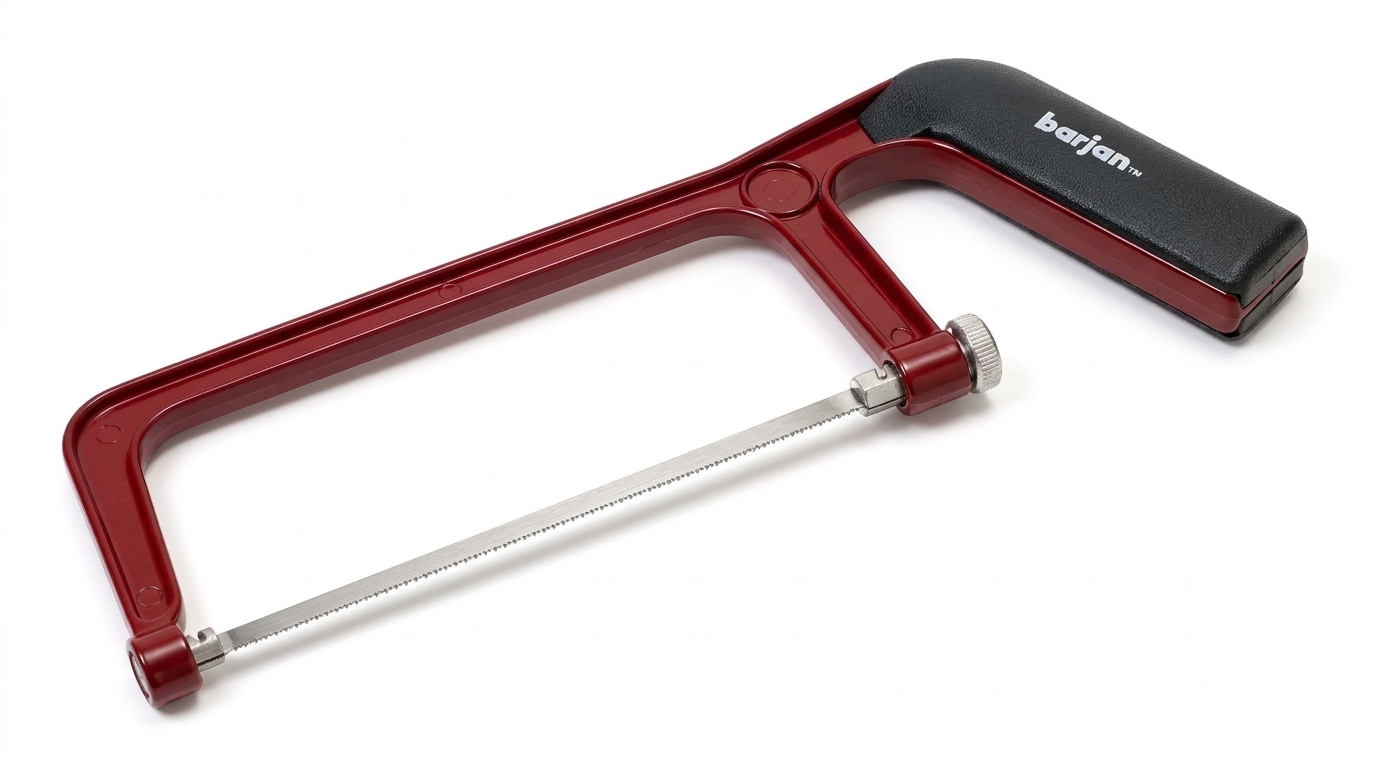
- Hacksaw. Suitable primarily for short cuts, local trimming, and working with individual profiled parts. For long cutting of thin sheets, it is less convenient due to its low speed and the difficulty of maintaining a straight line.
- Hand metal snips. One of the most convenient options for a small volume of work. Models with straight blades are used mainly for straight cutting, while right-hand, left-hand, or curved snips are used for curved contours and cutouts.
You should not rely on a single “standard” maximum thickness for all hand snips. The allowable thickness depends on the design of the specific tool, as well as the grade and strength of the metal. It must be checked in the snips manufacturer’s specifications.
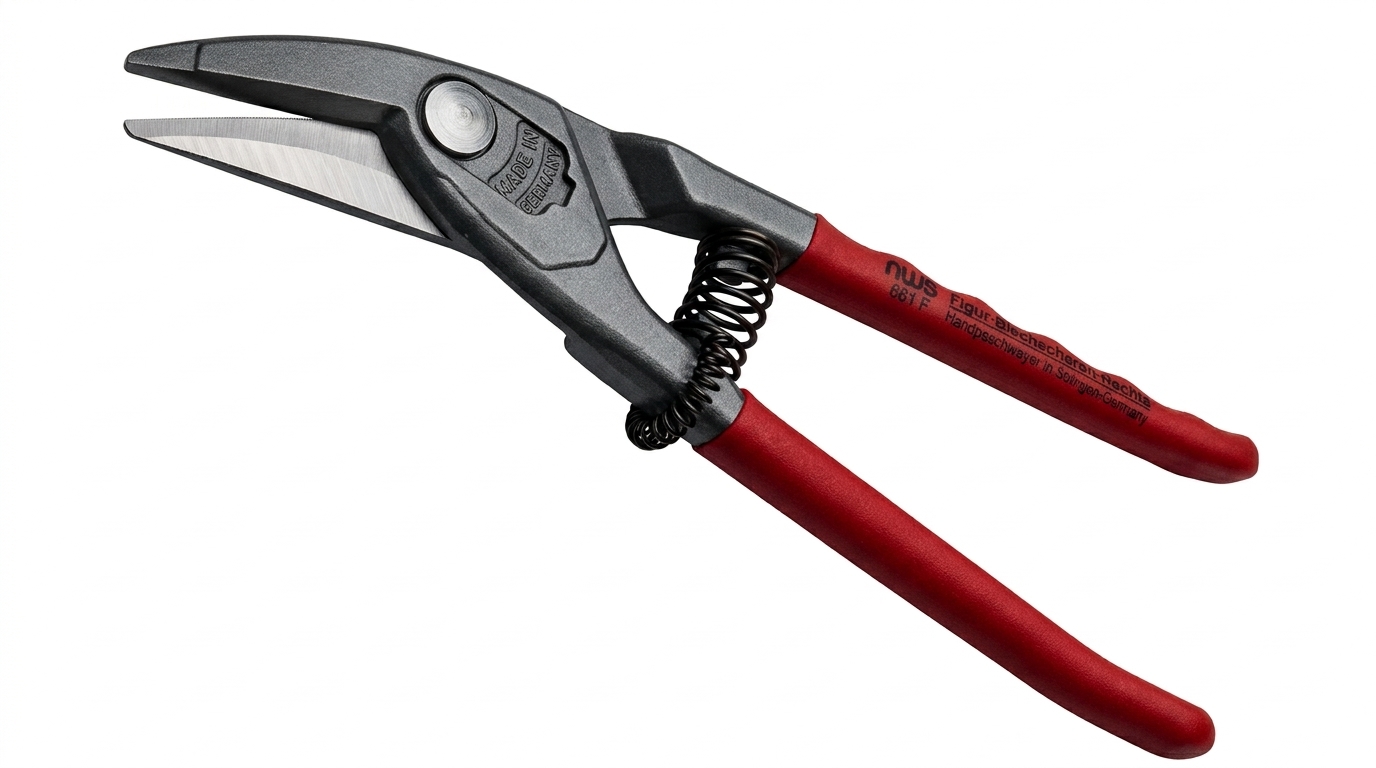
The main advantages of hand tools are simplicity, mobility, and the absence of significant localized heating of the metal.
The disadvantages are lower productivity, physical strain on the operator, and the difficulty of obtaining a consistently straight edge over long sections. The cut quality also largely depends on the condition and proper adjustment of the blades.
Power tools for working with thin sheet metal
Power tools significantly speed up the cutting of sheet metal and provide more consistent results. At the same time, the type of tool must be selected based on the material, the geometry of the part, and the requirements for the protective coating.
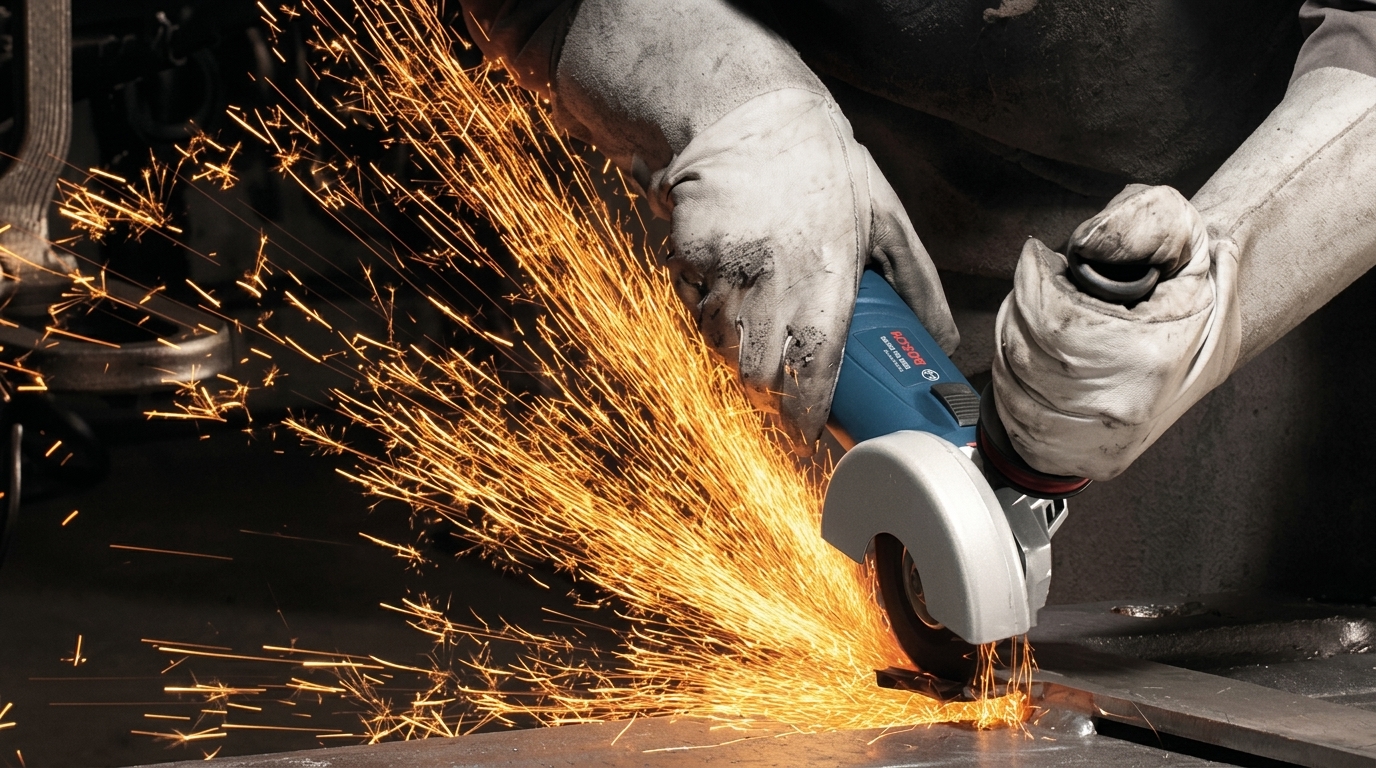
Angle grinder. For galvanized and painted sheets, this method is often undesirable, and manufacturers of certain profiled sheet systems expressly prohibit cutting with an abrasive disc. The reasons are the heating of the cutting zone, sparks, and hot particles that can damage the zinc and polymer layer. Therefore, before using an angle grinder, you must check the requirements of the manufacturer of the specific sheet material.
Jigsaws and circular saws. Can be used for sheet metal provided a blade or disc specifically designed for the corresponding metal and thickness is installed. For coated sheets, it is advisable to use cold cutting technologies permitted by the material manufacturer.
A circular saw with a special metal-cutting disc is particularly convenient for long straight cuts. A guide rail helps maintain cut geometry, but the allowable thickness, rotation speed, and disc type must be determined from the documentation of the specific saw and accessories.
Electric shears. Primarily suitable for fast straight or smooth curved cutting of sheets. They operate without an abrasive disc and do not create the intense heating of the cutting zone typical of angle grinders.
At the same time, the maximum thickness depends on the model and material strength. For example, for the Makita JS1602, the manufacturer indicates the ability to cut mild steel up to 1.6 mm thick and stainless steel up to 1.2 mm. These values apply specifically to this model and should not be automatically applied to other electric shears.
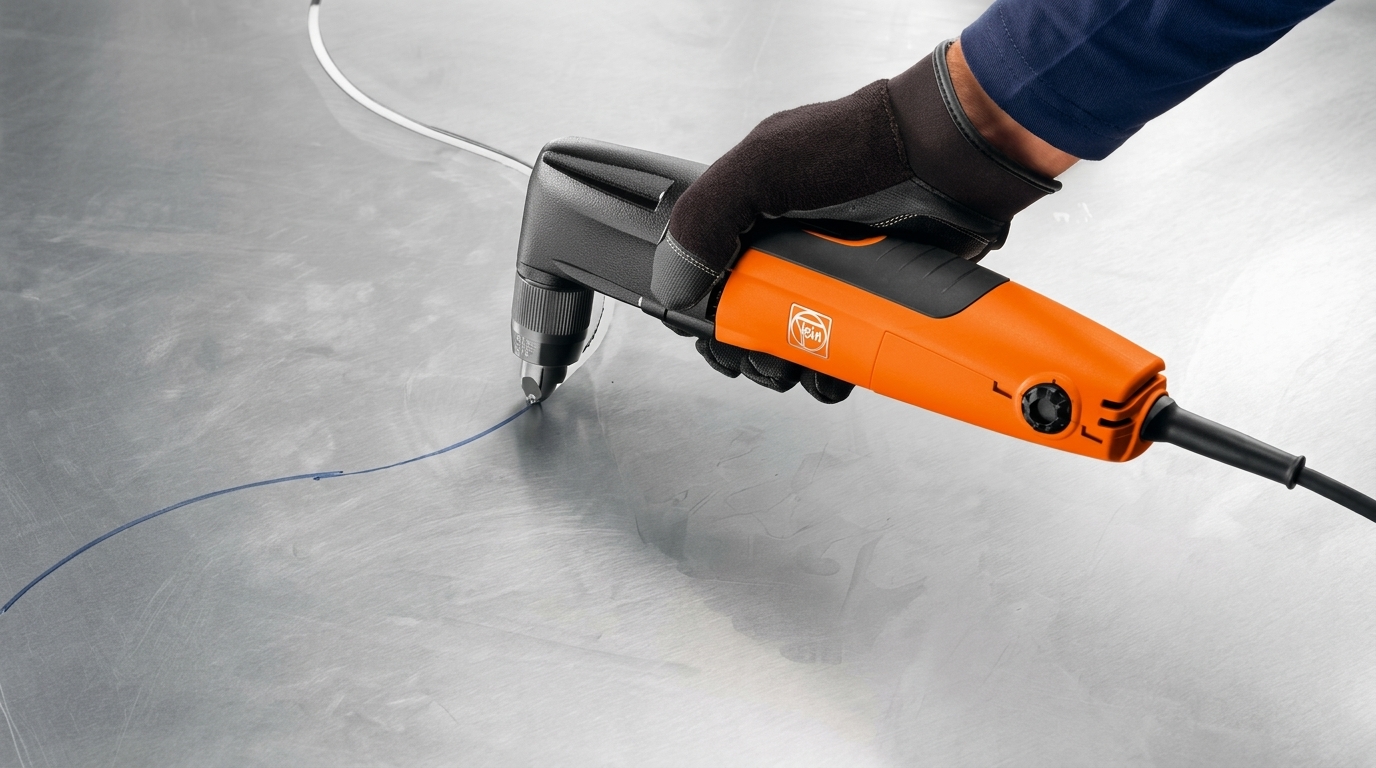
Nibbler (nibbling shears). Unlike standard electric shears, a nibbler sequentially punches out small pieces of metal. Thanks to this, it is convenient for navigating curved contours, internal cutouts, profiled, and corrugated sheets.
For instance, the Makita JN1601 has a manufacturer-stated maximum cutting thickness of 1.6 mm for mild steel and 1.2 mm for stainless steel. For the TRUMPF TruTool N 200, the manufacturer provides different limits depending on steel strength: up to 2 mm for 400 N/mm² steel, up to 1.5 mm for 600 N/mm², and up to 1 mm for 800 N/mm².
This clearly demonstrates why it is incorrect to establish a single universal allowable thickness for all nibblers.
Drill attachments. Some attachments work on the principle of shears or a nibbler and can be handy for localized assembly work. But their capabilities differ significantly depending on the attachment design and drill parameters, so the allowable thickness must be taken only from the technical documentation of the specific product.
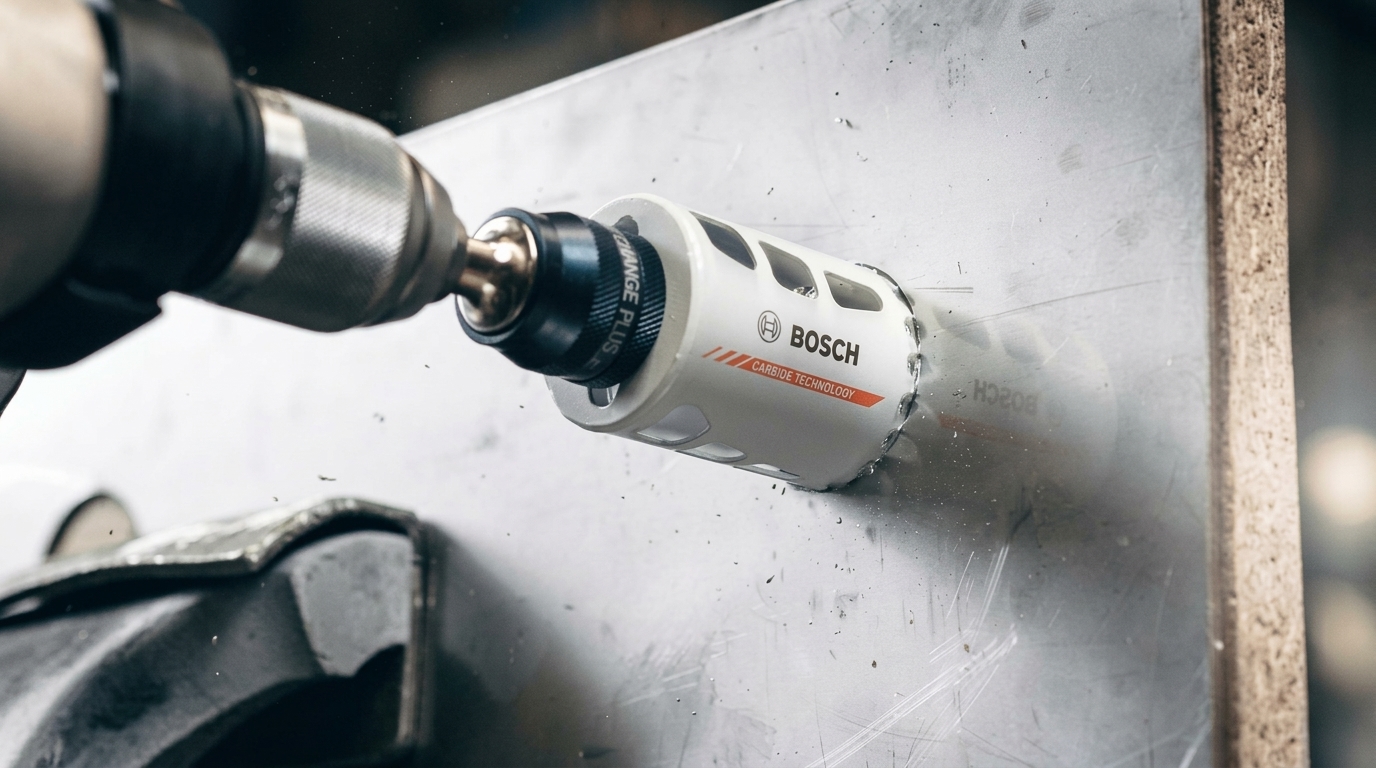
Drill. Used primarily for drilling holes. For large holes, hole saws or step drill bits designed for metal are used. After processing a coated sheet, swarf must be removed and the hole edge checked. Subsequent protection of the exposed edge is carried out in accordance with the material manufacturer’s requirements.
Which tool to choose for cutting sheet metal
| Tool | Straight / curved cut | Sheet type | Limitations | Edge quality |
|---|---|---|---|---|
| Hand snips | Straight and curved depending on snip type | Flat thin sheet metal | Check allowable thickness based on the specifications of specific snips | Good on short sections provided blades are sharp and properly adjusted |
| Electric shears | Mostly straight and smooth curved | Flat sheet, certain types of profiled metal | E.g., Makita JS1602: up to 1.6 mm mild steel and 1.2 mm stainless steel | Clean edge without abrasive heating; localized deformation of thin sheets is possible |
| Nibbler | Straight, curved, and internal cutouts | Flat, profiled, and corrugated sheet | Makita JN1601: up to 1.6 mm mild / 1.2 mm stainless; TRUMPF N 200: up to 2 mm 400 N/mm² steel, 1.5 mm at 600 N/mm², 1 mm at 800 N/mm² | Neat cut and high maneuverability; produces fine swarf |
| Jigsaw | Straight and curved | Flat sheet and certain profiles | Special blade required; thickness depends on tool model and blade | Good with the right blade, speed, and secure sheet clamping |
| Circular saw for metal | Mostly straight | Flat and some profiled sheets | Only appropriate disc and modes specified by equipment manufacturer | Straight edge and high productivity when using a guide rail |
| Angle grinder | Mostly straight | Depends on the material | May be undesirable or expressly prohibited by the manufacturer for zinc- or polymer-coated sheets | Risk of heating, burrs, and damage to the protective coating |
Important: the thickness values provided for electric shears and nibblers are characteristics of specific models, not universal standards. Before working, check the manual for your specific tool and consider not only the thickness but also the strength of the material.
Cutting galvanized and polymer-coated sheets
For galvanized steel and polymer-coated sheets, the main task is not only to achieve the required part geometry but also to minimize damage to the protective layers.
For galvanized sheets, it is advisable to use cold cutting methods permitted by the material manufacturer: manual or electric shears, a nibbler, and in certain cases — a saw with special metal-cutting accessories.
For polymer-coated sheets, it is especially important to avoid overheating and the deposition of hot particles on the surface. They can burn through or damage the polymer layer, creating focal points for future corrosion.
Electric shears are convenient when a long clean cut is needed, especially on relatively flat sheets. They do not generate a stream of abrasive sparks and practically do not heat the edge to temperatures typical of abrasive cutting.
A nibbler is better suited for complex contours, internal cutouts, navigating profiles, and corrugated metal. Its specific feature is the generation of a large number of small, sharp metal particles, which must be immediately removed from the surface.
After cutting galvanized or painted metal, strictly follow the sheet manufacturer’s instructions regarding exposed edge protection. Depending on the coating system, touch-up paint or another compatible protective material may be recommended, especially for visible edges, scratches, and locally damaged areas.
Nibbling shears, presses, and dies
This category of equipment can only conventionally be considered manual. Most lever shears, presses, and punching devices have a stationary or semi-stationary design, with the force generated by a mechanical, hydraulic, or other drive.
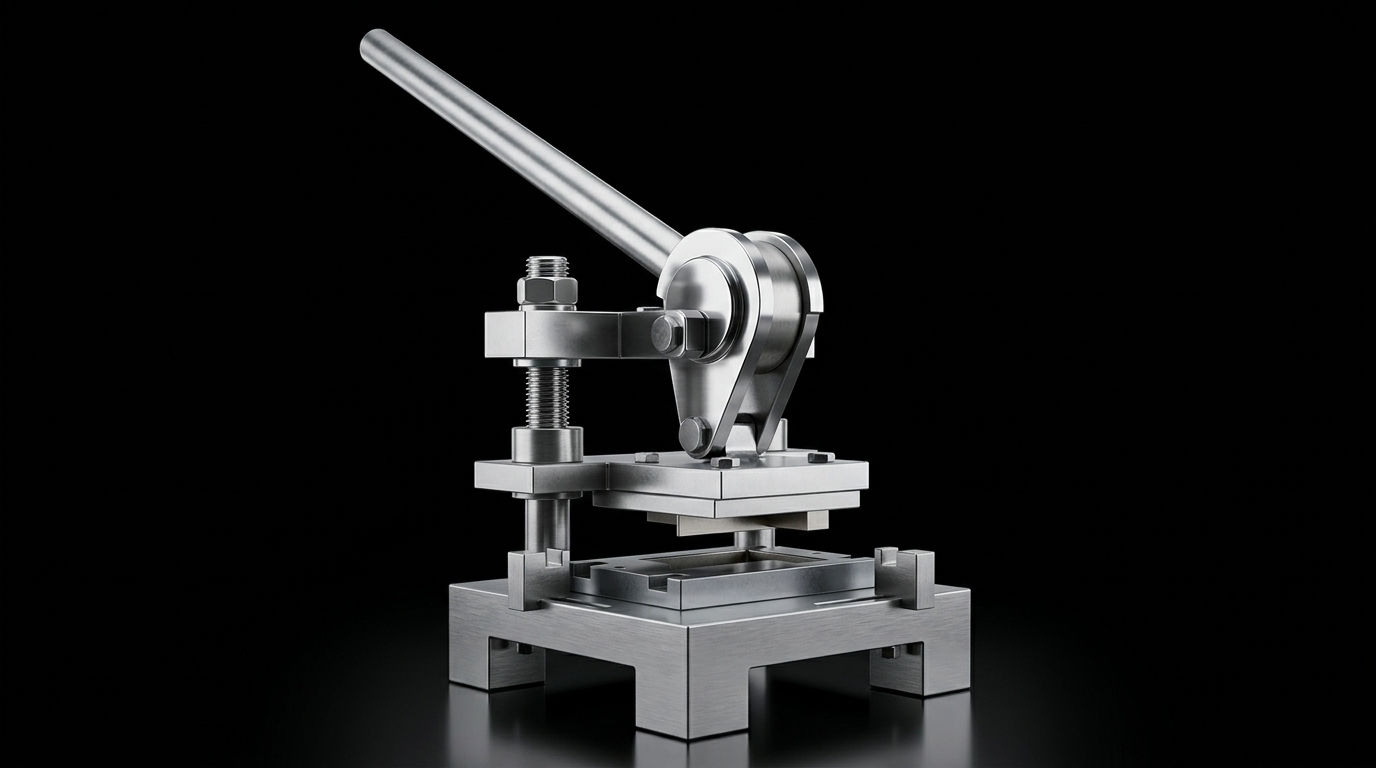
The operating principle of such devices is similar:
- The workpiece — a sheet or profiled product — is placed on the working base and fixed if necessary.
- A cutting element is located in the movable part. Its design depends on the type of equipment and operation.
- During cutting, the cutting element acts on the workpiece with controlled force. Proper clearance adjustment and material fixation help achieve a straighter edge and minimize deformation.
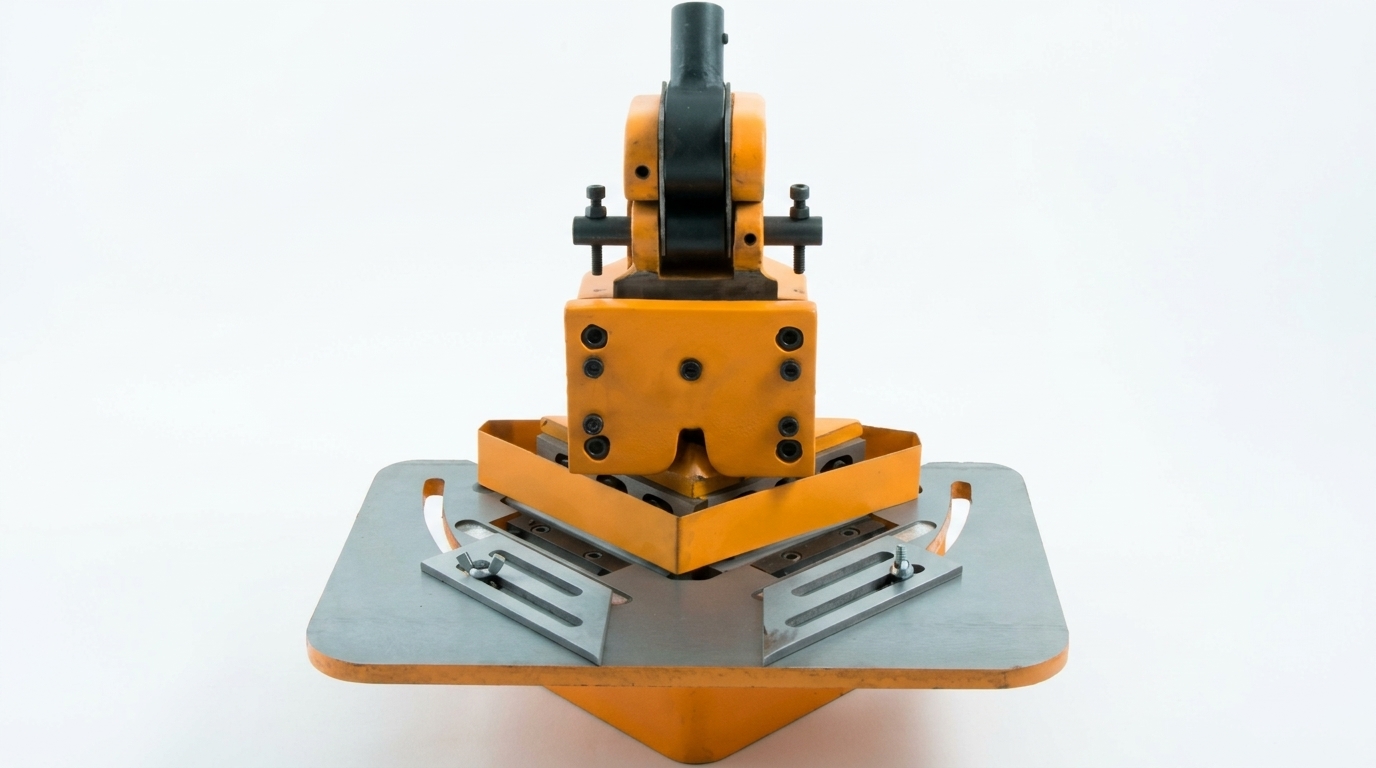
Purchasing such devices is advisable if there is a need to regularly perform a large number of uniform operations — for example, trimming workpieces to a set size or punching identical elements during the production of facade cassettes and other thin sheet metal products.
Safe cutting and edge treatment
Regardless of the chosen tool, before cutting, the sheet must be placed on a stable work surface and securely fastened with clamps, grips, or other devices to prevent uncontrolled movement of the workpiece.
Do not hold a small workpiece by hand directly near the cut line. For power tools, check the manufacturer’s manual for additional guidance on fixation methods and hand placement.
While working:
- use safety glasses or a face shield — metal swarf and small particles can fly out of the cutting zone;
- use appropriate protective gloves when carrying and working with sharp sheets;
- do not touch a newly formed edge with bare hands;
- keep cables and other objects out of the tool’s path;
- upon finishing work, turn off the tool before cleaning the work area.
Special care is required when working with a nibbler: it creates numerous sharp metal particles. After cutting, they must be completely removed not only from the workbench but also from the surface of the sheet itself.
For painted or galvanized steel, swarf must not be left on the surface. Metal particles can rust and leave stains, while sharp fragments can scratch the polymer coating.
After cutting, check the edge for significant burrs. If necessary, they are carefully removed using a tool that does not cause additional surface damage. Scratches, exposed visible edges, and other damage to the protective layer are treated in accordance with the recommendations of the specific coating manufacturer.
Disadvantages of manual processing
Manual processing of thin sheet metal is most justified:
- for individual part fabrication;
- for fitting products on-site during installation;
- for forming small cutouts and holes;
- for removing localized defects.
For large volumes of work, manual tools lag behind industrial equipment in productivity and geometry repeatability. Edge accuracy and quality also depend on the tool type, the condition of its cutting elements, proper sheet clamping, and the operator’s experience.
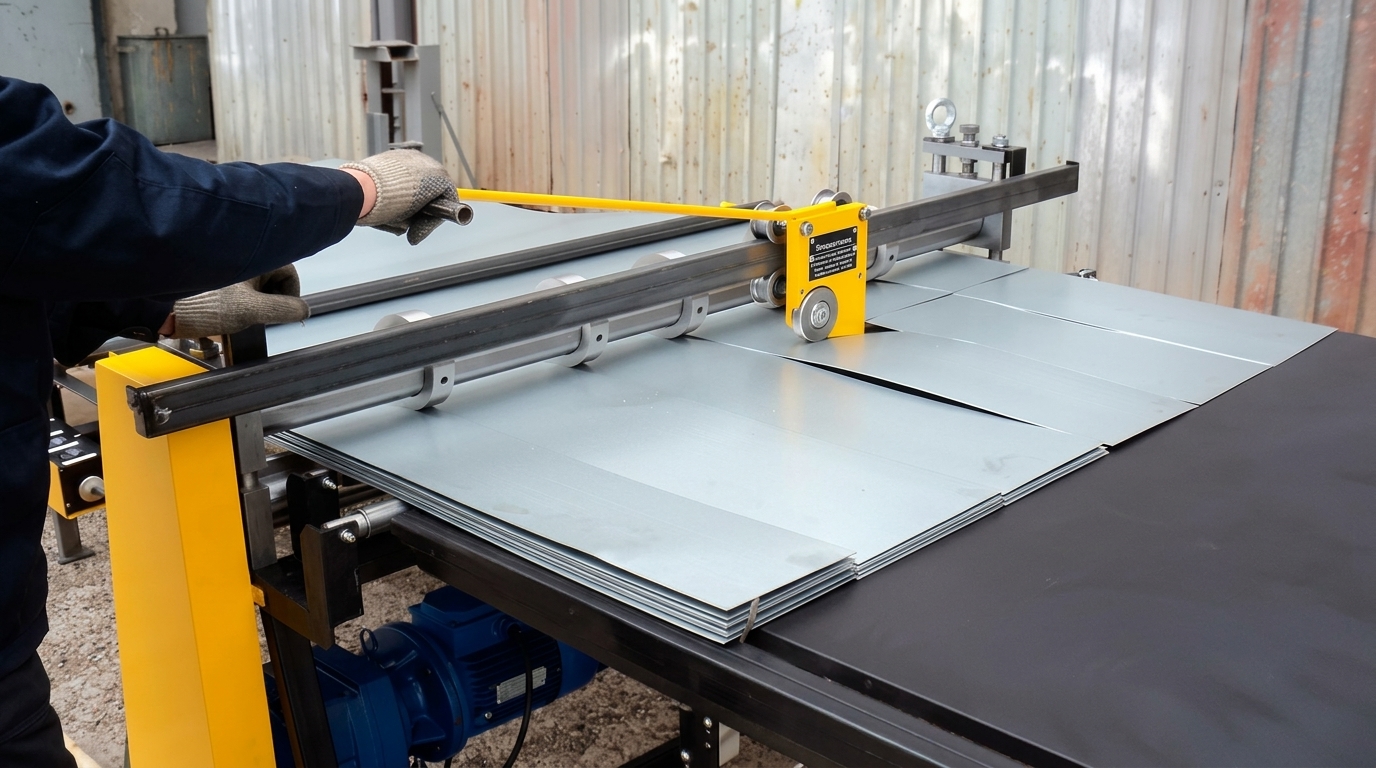
That is why specialized machines for cutting, stamping, and bending are used in the serial production of sheet steel or aluminum products.
However, during the installation of metal ceilings, fences, facades, and other structures made of metal modules, high-quality manual and portable power tools remain indispensable. The main thing is to choose them correctly according to the material, the shape of the cut, and the protective coating manufacturer’s requirements.
FAQ: frequently asked questions about cutting thin sheet metal
What is the best way to cut galvanized sheets?
For installation work, cold cutting tools are usually selected: hand or electric shears, a nibbler, or a metal saw permitted by the manufacturer. For a specific grade of sheet, you should additionally verify its manufacturer’s recommendations.
What is the difference between a nibbler and electric shears?
Electric shears cut metal with blades and are particularly convenient for long straight lines. A nibbler gradually punches out the metal and is better at navigating complex contours, internal cutouts, and profiled surfaces.
Can painted sheets be cut with an angle grinder?
First, check the sheet manufacturer’s instructions. For many zinc- and polymer-coated systems, abrasive cutting is not recommended or is prohibited due to heat, sparks, and the risk of coating damage.
What is the maximum metal thickness that can be cut with electric shears or a nibbler?
There is no single value. It depends on the specific tool model, the type, and the strength of the metal. The maximum thickness must be found in the technical documentation for your specific tool.
What should be done with the swarf after cutting?
It must be completely removed from the sheet and work surface. It is especially important not to leave metal swarf on a polymer coating, where it can scratch the surface or cause rust spots.
Do I need to treat the edge after cutting?
If the specific material manufacturer requires protection for exposed or visible edges, you must use their recommended treatment system. Scratches and damage to the polymer layer should also be repaired in accordance with their technical guidelines.
